
Window Perches
Window Perches for Senior Cats: Joint-Friendly Heights and Access
Senior cats still love a window, but stiff joints change the maths. A Hobart vet nurse on kinder perch heights, step-up access and the signs it's time to adjust.


Tessa is a Certificate IV qualified veterinary nurse and animal rehabilitation assistant in Hobart, Tasmania. She writes about senior cats, joint-friendly setups and the safety checklist most owners never get told.
Senior cats still love a window, but stiff joints change the maths. A Hobart vet nurse on kinder perch heights, step-up access and the signs it's time to adjust.
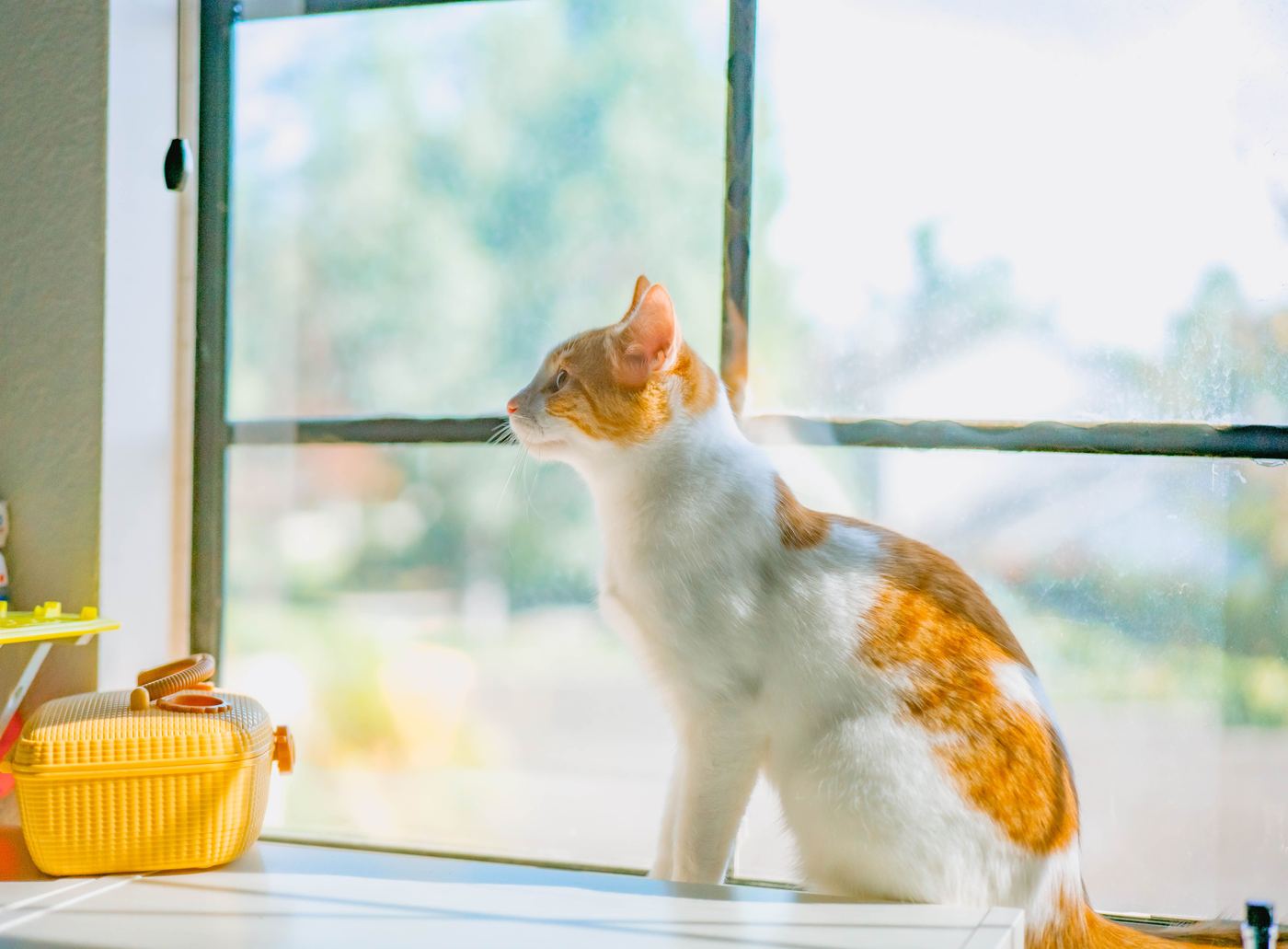
Most cat hammock mishaps trace back to three culprits: failed suction, frayed cords and overloaded platforms. A Hobart vet nurse's pre-use and weekly safety checks.

A perch box promised plenty and my patient came in over seven kilograms against a six kilo rating. Here is how I match load figures to real cats.

By eleven each February morning our clinic cat leaves the sunny perch for the floor tiles. What I tell owners about heat, glass and setting up shade.

Standard beds are cut for a generic dog. What to buy instead when the dog in front of you is broad and flat, long and low, or built like a whippet.

What a good bed genuinely does for an older dog with stiff joints, what it does not do, and the five things worth checking before you buy.
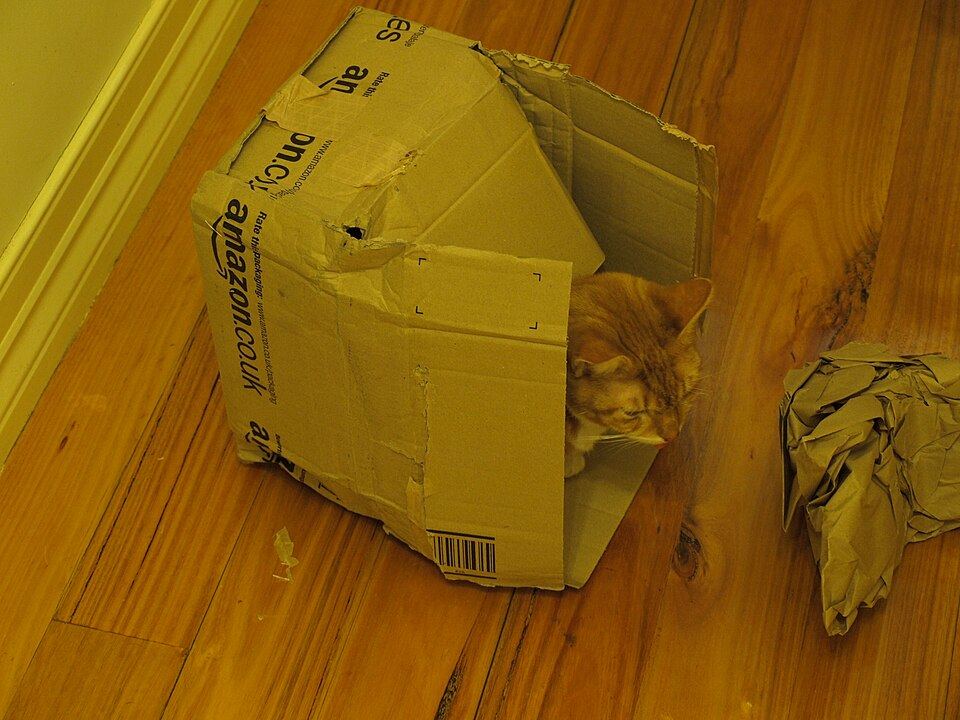
An honest look at whether an enclosed bed helps an anxious cat, what actually reduces feline stress, and how to choose one.

What actually cools a dog in an Australian summer, why gel mats struggle in Queensland humidity, and the free option that beats all of them.
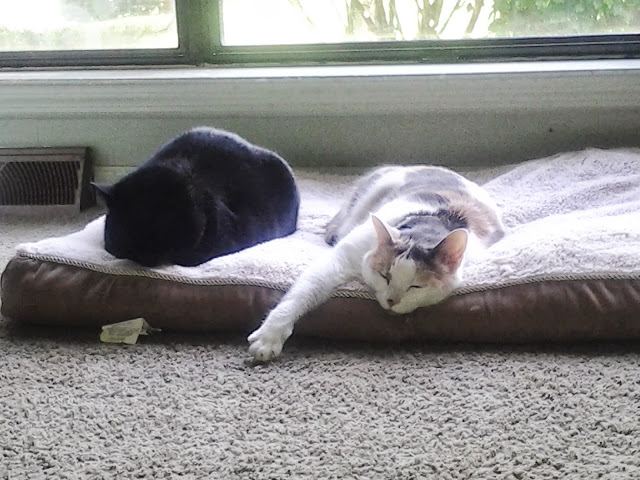
What I learned nursing dogs through Hobart winters, which ones actually feel the cold, and where a warm bed fits in the picture.

Straight answer on whether dogs need a bed, and how to pick one by watching how your dog already sleeps.
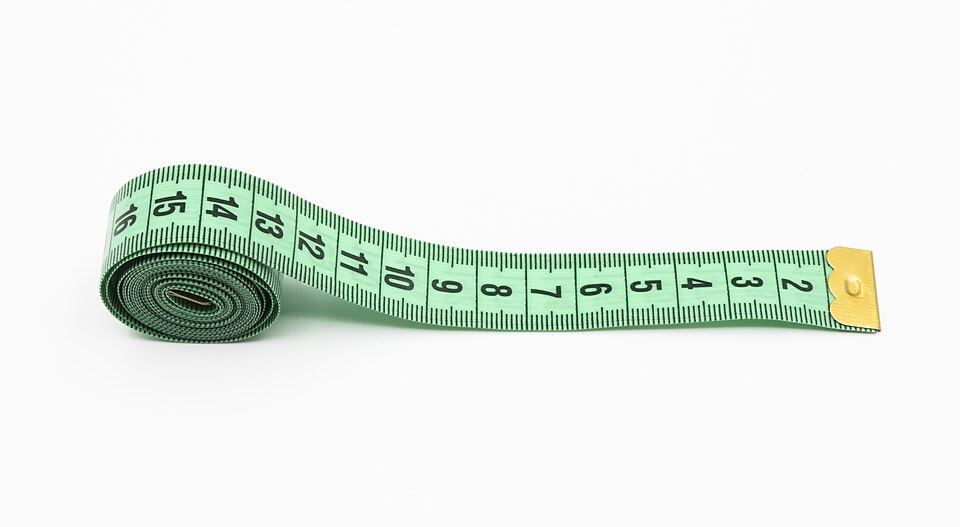
Why the external measurement on a pet bed listing misleads most buyers, how to measure your dog properly, and the signs a bed is the wrong size.

A vet nurse's washing routine for pet beds, why Australian dust and humidity make washability essential, and what never goes in the machine.

What's actually inside a supportive pet bed, why density matters more than thickness, and which fill suits your dog or cat.

Why one bed is almost never enough — how many to have, where to put them, and what changes when there's more than one animal.

Two weeks of puppy nights, a soiled bed and a chewed one later, here is what I tell every new puppy owner about bedding.

Red dust, coastal sand, salt and humidity — why Australian conditions wear out pet bedding faster, and the washing routine that actually works.

Self-warming, electric, microwave or just well-padded — what each type of winter bed actually does, and which ones I'd buy for which animal.

Sofa-style, flat mattress and raised cot compared honestly, including what each shape gets wrong.

The first bed is very likely to be chewed, and that's normal. What to buy, what to avoid, and when to stop buying cheap.

A familiar smell in an unfamiliar room is the whole trick. How to get a dog or cat to settle somewhere that isn't home.
The unglamorous parts of a dog bed — the liner, the base and the zip — decide whether it lasts a year or three.

Why your cat prefers the box to the bed you bought, what enclosed beds actually offer, and how to pick one they'll use.

Nine times out of ten in an Australian summer the answer is simple — the bed is too warm. Here's how to tell, and what to do about each cause.

No body fat, no coat, prominent bones — why retired racing greyhounds need more padding under them than almost any other dog.