Making the Pen a Good Place: Settling a Puppy Inside
Short answer: a puppy settles in a pen when the space feels like a den rather than a punishment. As a trainer, I build that by feeding meals inside, rewarding calm moments, and keeping the environment quiet, then gradually stretching the alone time. Most puppies learn to walk in and flop down on their own within a week or two of consistent practice, and the key is that the pen predicts good things, not isolation.
Step 1: make it worth entering
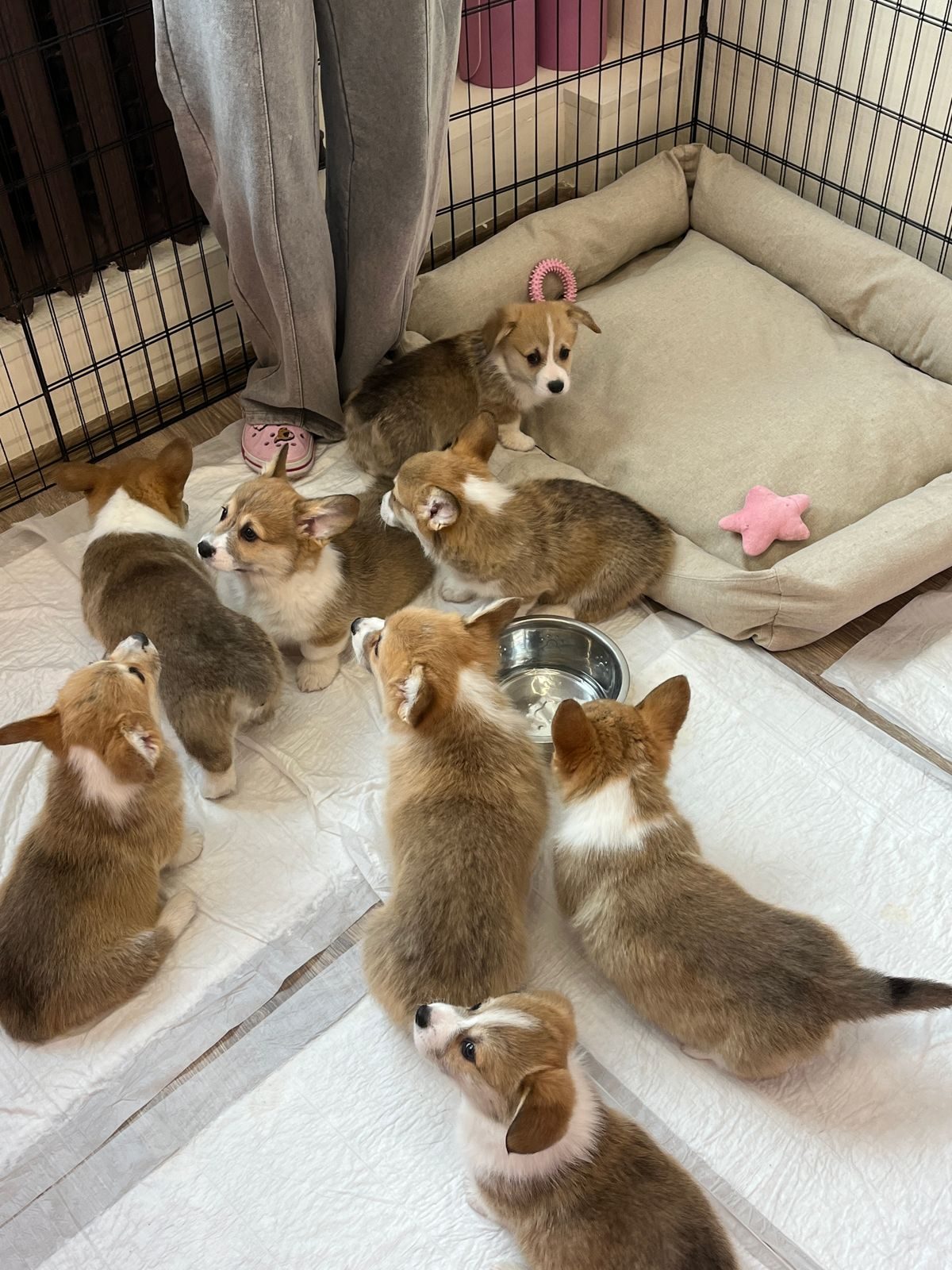
Start by tossing a few treats and a chew just inside the open pen. Let the puppy go in and out freely with the door open. We want the first memory of the space to be "good things happen here", not "I'm trapped", so resist closing the door on day one.
Feed at least some meals in there. Scent and food do the early work that words can't, and a puppy that eats calmly in the pen already trusts it more than one that's only ever closed in.
I tell new owners to scatter-feed the first meal rather than bowl it, spreading kibble across the pen floor so the puppy spends five happy minutes hunting. That turns the space into somewhere interesting instead of somewhere the door closes, and it costs nothing. By the second day most pups are walking in on their own just in case something good happens again.
Step 2: reward the quiet, not the fuss
When your puppy lies down or pauses, mark that calm moment with a soft reward. If they whine, avoid a big reaction. Rushing in at every sound teaches that noise brings attention, which is the opposite of settling, so a boring response to fuss speeds up the calm.
- Reward calm breathing and a settled body.
- Keep your voice low near the pen.
- End sessions on a settled note, not mid-fuss.
- Practise short, frequent reps over long ones.
- Add a safe chew to build positive association.
Timing is the skill here, and it's worth practising deliberately. Drop the reward within a second or two of the settle, not after the puppy has stood up again. In my classes I watch owners reward the wrong moment constantly, usually because they waited to be sure, and the puppy learns a different lesson than the one intended. Short reps, quick rewards, boring responses to noise.
Step 3: close the door for seconds
Once they're comfortable, close the door for a few seconds while you stand nearby. Open before any fuss starts. We're teaching that the door isn't a threat, so success comes from opening on a calm moment, not waiting for a complaint, and that timing is the whole skill.
Slowly add distance, then time. A few seconds become a minute, then several. Rushing this step is the usual cause of setbacks, so I'd rather owners go boringly slow and win than fast and restart.
A realistic first-week progression, in my experience: seconds on day one and two, half a minute by day three or four, and a few minutes by the end of the week with you still in the room. Every puppy is different, and some will need to repeat a step, which is normal rather than a failure. Keep the sessions frequent but short, three or four a day, and end each one while it's still going well.
Step 4: never use it as a naughty corner
If the pen becomes punishment, the puppy will fight going in. Keep it positive. A brief settle is different from a telling-off, and puppies read the difference fast. The pen is a calm base, not a cage for bad behaviour, and that framing protects your training later.
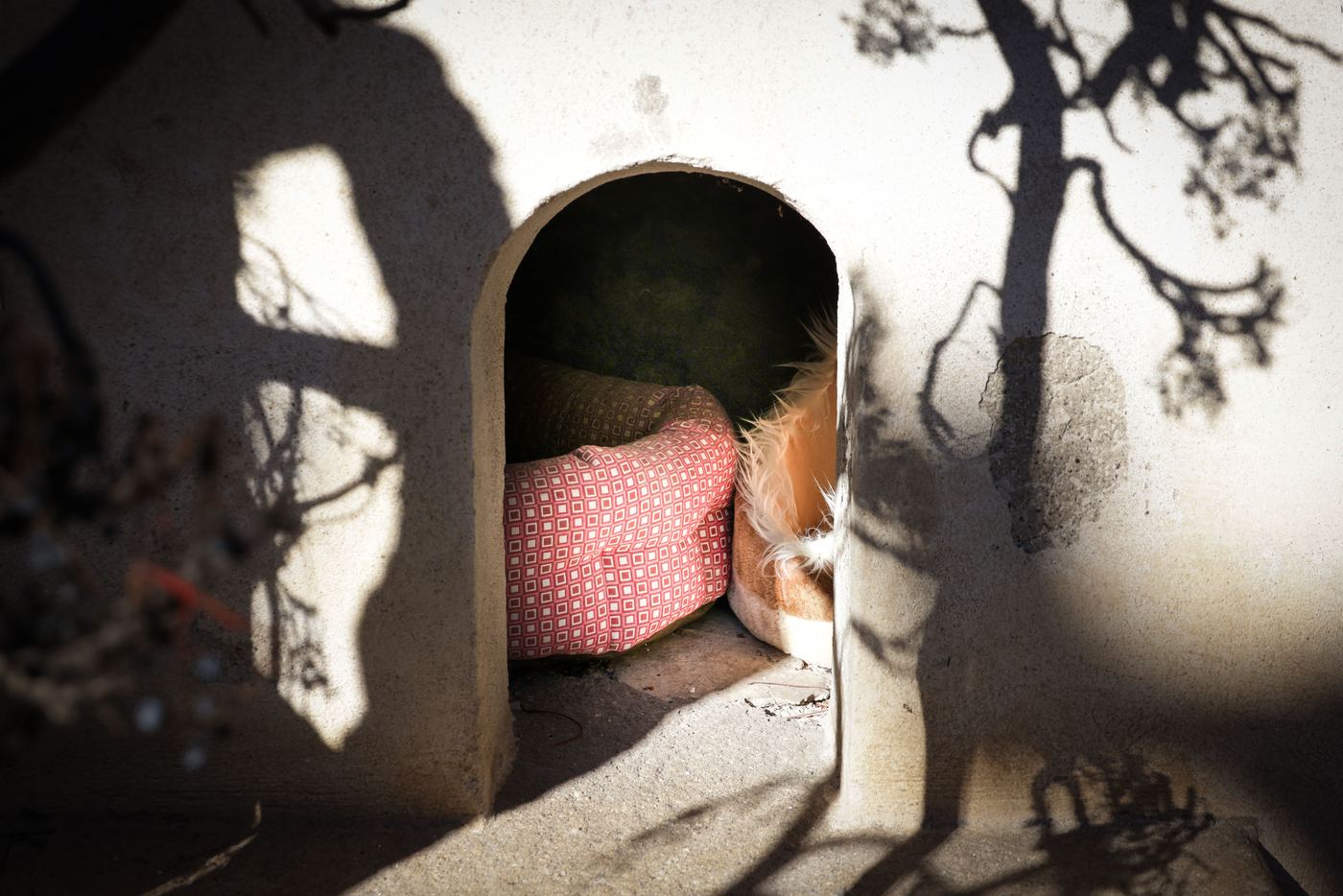
This is also why I pair it with a comfy bed and a safe chew, so the space reads as a rest spot. A bare pen feels like a timeout; a cosy one feels like a den the puppy chooses.
Step 5: stretch alone time gradually
Once door closures are calm, leave the room for a few seconds, then return before fuss. Build to minutes across several days, always ending on success. Puppies learn that you come back, which is the real cure for separation panic, and the pen makes the lesson contained and safe.
If a session goes wrong, drop back a step rather than pushing on. Training is a ladder, not a cliff, and a small retreat now saves a big restart later. Most pups get there within a fortnight of steady reps.
Watch the body language as you build. A puppy that takes the chew, lies down and sighs is coping; one that paces, scratches at the panels or works itself into a frenzy needs shorter steps. Severe distress in confinement is beyond a training article, so if the basics don't ease it within a couple of weeks, a trainer or vet should look at the whole picture with you.
Step 6: use it for rest, not boredom
A pen shouldn't be where a puppy goes to be forgotten. Use it for genuine rest after play, or while you cook, then let them out for connection. That balance keeps the pen a pleasant pause rather than a lonely wait, and it fits a real household rhythm.
Owners who get this balance right end up with a puppy that naps in the pen with the door open long after training finished. That's the sign the den feeling took hold, and it makes every later stage, from guests at the door to a vet-recommended rest after surgery, far easier to manage.
| Stage | Goal | Typical timeframe |
|---|---|---|
| 1. Enter freely | Pen predicts food and chews | Day one |
| 2. Calm marked | Quiet rewarded, fuss ignored | Days two to four |
| 3. Door closed | Short closures with no fuss | Days three to six |
| 4. Alone time | You leave the room calmly | Week one to two |
Frequently Asked Questions
How long until a puppy settles in a pen?
Most learn to walk in and flop down within a week or two of consistent practice. The speed depends on how calm and positive the early sessions are, not the breed. Go slow on door closures and alone time, and you'll usually win faster than rushing and restarting.
Should I comfort a whining puppy?
A big reaction teaches that noise brings attention, which slows settling. Stay boring, then reward the quiet moment instead. If the whine is a toilet need, do a calm trip and straight back, so you meet the need without rewarding the fuss.
Can the pen be used for time-out?
I'd avoid it. If the pen means punishment, the puppy fights going in, and that undoes the den feeling. Keep it a calm rest spot, not a naughty corner, and pair it with a bed and chew so it reads as a place they choose.
How do I start on day one?
Door open, toss treats and a chew just inside, and feed a meal there. Let the puppy go in and out freely with no closure. The first memory should be "good things happen here", so resist shutting the door until they're clearly relaxed inside.
What if a session goes badly?
Drop back a step rather than push on. Training is a ladder, not a cliff, and a small retreat now saves a big restart. Most pups reach calm alone time within two weeks if the reps stay short, frequent and ended on success.
Looking for pet playpens?
We stock the gear covered in this guide, with Australia-wide shipping and Afterpay at checkout.
Popular picks from this guide: mesh pet playpen · large pop-up cat tent
Shop Playpens at Paws of Oz