How Long Is Too Long? Pen Time and Puppy Development
Short answer: there's no single safe hourly limit for pen time, because it depends on the puppy's age, bladder and need for social contact. As a vet nurse, my concern isn't the clock alone but long, unbroken stretches without play, toileting and human interaction, which can slow a young dog's social development. Plan in breaks and watch the puppy, not just the hours, and you'll usually land in a healthy range without obsessing over a number.
Why breaks matter more than the total
A puppy penned for six hours with nothing in between is in a different position to one penned for the same total but with walks, plays and toilet trips woven through. Development needs variety: new sights, gentle handling, and the chance to learn the household isn't scary. The breaks are where the learning happens.
I'd rather see three shorter sessions with rich breaks than one long confinement. Owners often ask me for a magic number, and the honest answer is that the number shifts with the puppy, the day, and how much you put into the time between sessions.
Think of the pen like a play cot rather than a waiting room. A toddler in a cot with toys and a view of the kitchen is fine for a stretch; a toddler shut in a quiet room all day is not. The same furniture, the same hours, completely different experience. What sits inside the pen and who walks past it shapes the hours as much as the hours themselves.
Age sets the bladder, not the brain
Young puppies simply can't hold on as long, so toilet breaks are non-negotiable and shape how much continuous pen time is realistic. But bladder capacity isn't the whole story. Social confidence builds during the awake, supervised time outside the pen, not while a puppy waits alone.
- Under twelve weeks: frequent, short toilet trips.
- Keep pen sessions broken by play and contact.
- Use awake time for handling and new sounds.
- Never use the pen as the only entertainment.
- Watch the puppy, not the clock, for restlessness.
A rough pattern many new owners find workable: an eight to ten-week-old manages maybe an hour of unbroken pen time before a toilet trip is needed, stretching gradually as the weeks pass. I'd treat those figures as gentle guides rather than rules, because bladders, like puppies, come in different sizes. The guide matters mostly as a floor, not a target.
Signs a puppy is getting too much pen
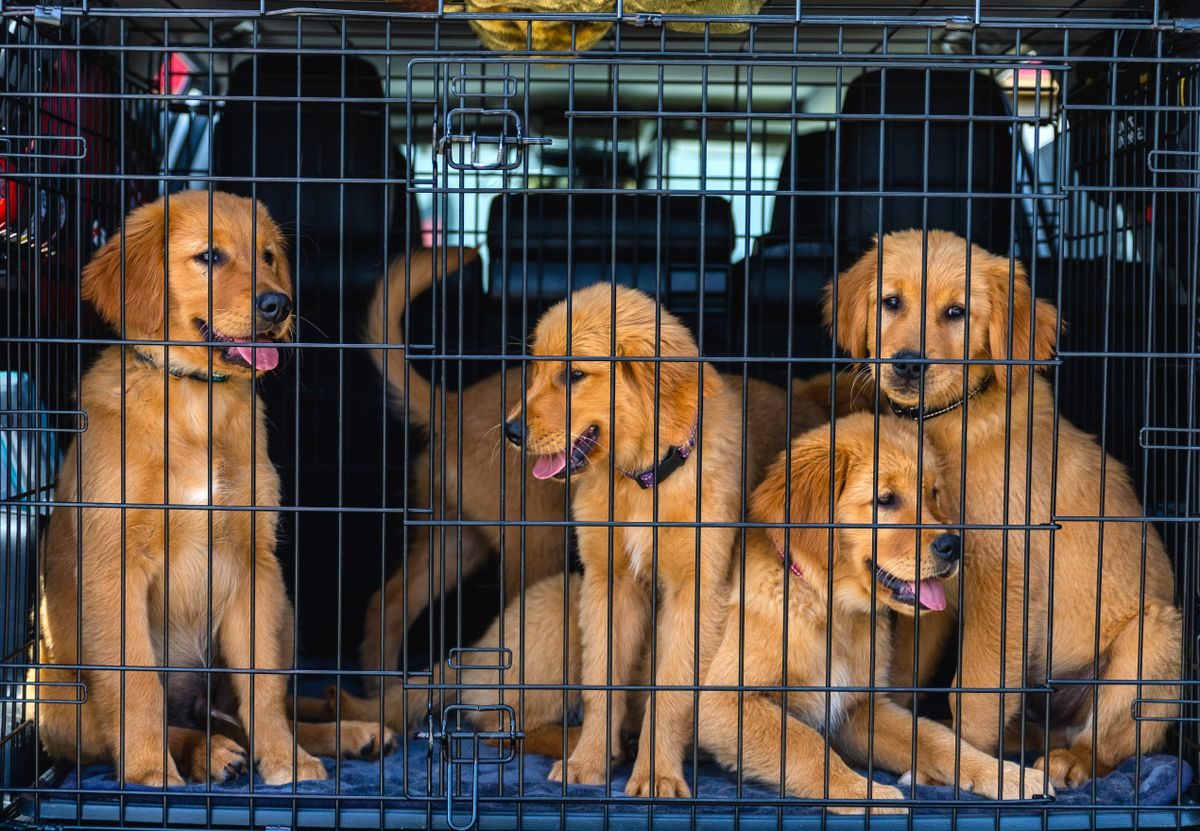
Restlessness, excessive barking, or a puppy that seems flat when let out can point to too little stimulation. These aren't diagnoses, just nurse-level observations worth raising with your vet. A bored puppy isn't a badly behaved one; it's an under-exercised one that needs more of you.
If you notice a change in eating, drinking or toileting, that's a clinical question for your veterinarian, not something to solve with more pen time. I stay in my lane as a nurse and point real health changes back to the clinic.
The subtler sign is what happens at the door. A puppy that bolts out and then crashes might simply be tired, but one that seems anxious about going back in, or wilts at the sight of the pen, is telling you the balance has tipped. In my experience those early signals are worth acting on days before they become habits.
Building a healthy rhythm
Most families do well with a rhythm of pen, free play, toilet, repeat, rather than one long block. The pattern keeps the puppy's bladder comfortable and their brain fed, and it fits a working day better than people expect once you plan the breaks. A midday visit from a neighbour or walker helps enormously.
In my experience a puppy that gets a genuine play and toilet break every couple of hours settles far better overnight, because the day had variety instead of one long wait. The rhythm matters more than the total tally.
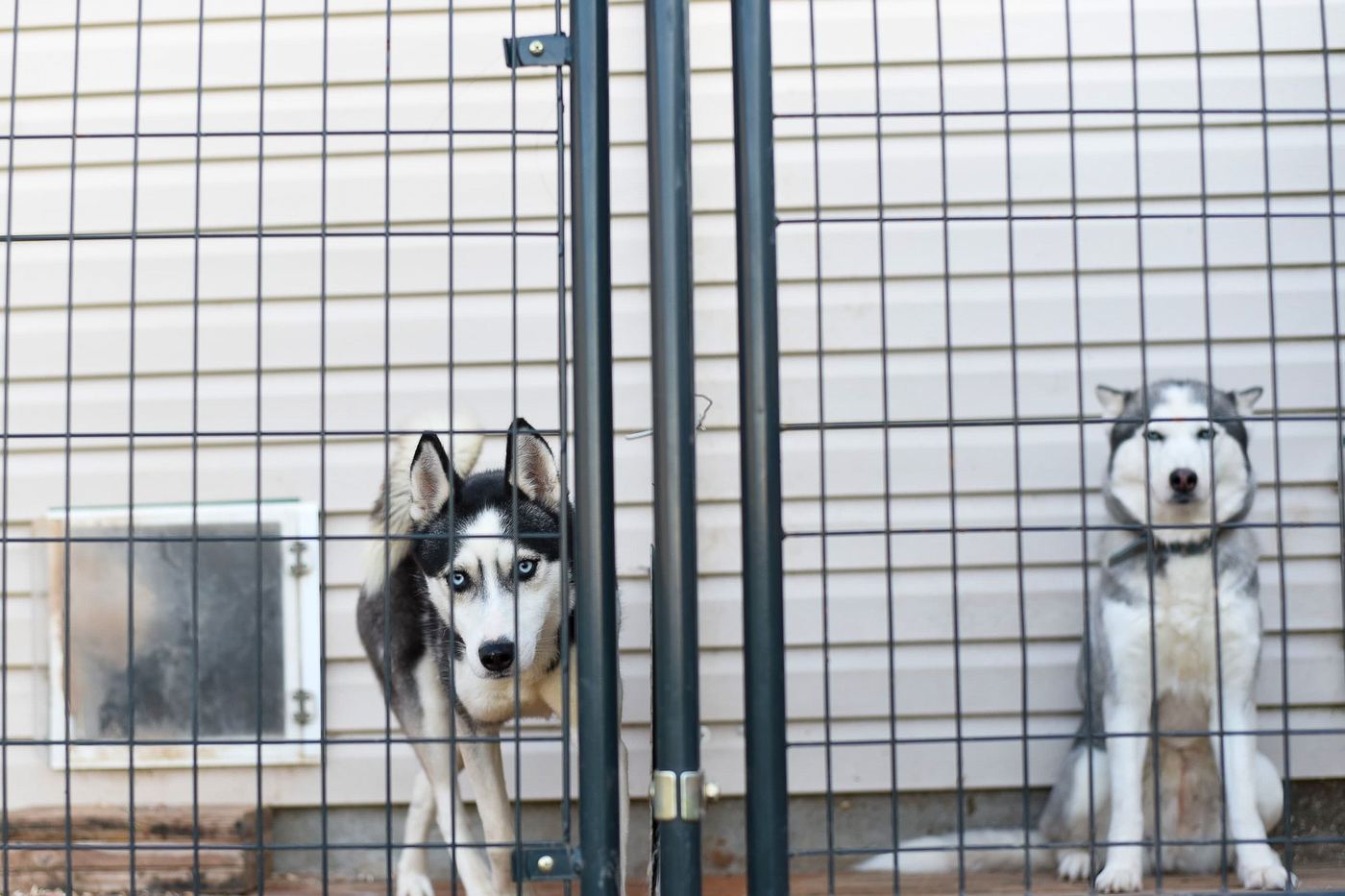
Pen time versus crate time
Some homes use a crate, some a pen, some both. The development principle is the same: breaks, contact and toilet trips beat a fixed hourly rule. A pen gives more room to move, which suits longer supervised stretches, while a crate is cosier for sleep. The tool is less important than what you do around it.
I'd avoid comparing your puppy to a friend's on social media, because breeds, ages and homes differ. What's healthy is the puppy in front of you getting varied, social, toileted time, not matching someone else's schedule.
When to ask for help
If breaks aren't possible because of work, look at a midday walker or a pen in a busier part of the home so the puppy hears life. Long unbroken days alone are where development stalls, and that's worth solving before it becomes a habit. Support exists, and asking early is sensible, not failing.
None of this is a substitute for individual veterinary advice. If your puppy seems distressed in any confinement, or you're worried about how they're coping, that's a conversation for your vet, who can rule out the physical causes before anyone works on the routine.
| Age | Max unbroken pen time | Toilet trips | Break ideas |
|---|---|---|---|
| 8 to 10 weeks | About 1 hour | Every 30 to 45 minutes | Short play, handling, new sounds |
| 11 to 14 weeks | About 2 hours | Every 1 to 2 hours | Toilet, brief training game |
| 4 to 6 months | About 3 hours | Every 3 hours | Walk, chew, social time |
| 6 months plus | About 4 hours | Every 4 hours | Play, toilet, company |
Frequently Asked Questions
Is there a safe number of hours per day?
There's no single safe total, because age, bladder and social need vary. I focus on breaks, play and toilet trips rather than one hourly cap. In my experience a puppy with varied, social breaks does better than one left for the same hours unbroken, so watch the puppy, not just the clock.
Can too much pen time slow development?
Long unbroken stretches without play, toileting and contact can affect social confidence, yes. The breaks are where learning happens. Restlessness or flatness when let out are nurse-level signs to add stimulation, though real changes in health should go to your vet.
How often should a young puppy toilet?
Under about twelve weeks, think every thirty to forty-five minutes during awake time, plus straight after sleep, meals and play. Bladder capacity sets this more than behaviour. Frequent trips prevent accidents and shape a calm routine faster than waiting.
Is a pen or a crate better?
The tool matters less than the breaks around it. A pen gives room to move for longer supervised stretches; a crate is cosier for sleep. Either works if you weave in play, toilet trips and contact. I wouldn't stress the choice, just the routine.
What if I work full days?
A midday walker or a pen in a busy part of the home helps the puppy hear life and get a break. Long unbroken alone days are where development stalls, so solve that early. Asking for help with daytime care is sensible, not a failure as an owner.
Looking for pet playpens?
We stock the gear covered in this guide, with Australia-wide shipping and Afterpay at checkout.
Popular in this range: mesh pet playpen · foldable octagonal playpen
Shop Playpens at Paws of Oz