Puppy Proofing With a Playpen: Our First Eight Weeks
Short answer: a playpen was the single most useful thing we bought before Wally, our Cavoodle puppy, came home. It gave us a safe base while we puppy proofed the rest of our Perth rental one room at a time, and it meant we were never forced to leave a curious eight-week-old alone with exposed power cords or a good pair of shoes. Eight weeks on, the pen still earns its spot in the lounge, and the calm it brought the household was worth far more than the price.
Why we started with a pen, not the whole house
Opening every door on day one would have been overwhelming for a tiny puppy and for us. We set the pen up in the living area so Wally could see us, hear the household, and learn the rhythm of the day without free run of the place. That single decision made the first fortnight calmer than I expected, because every potentially risky corner was simply out of reach.
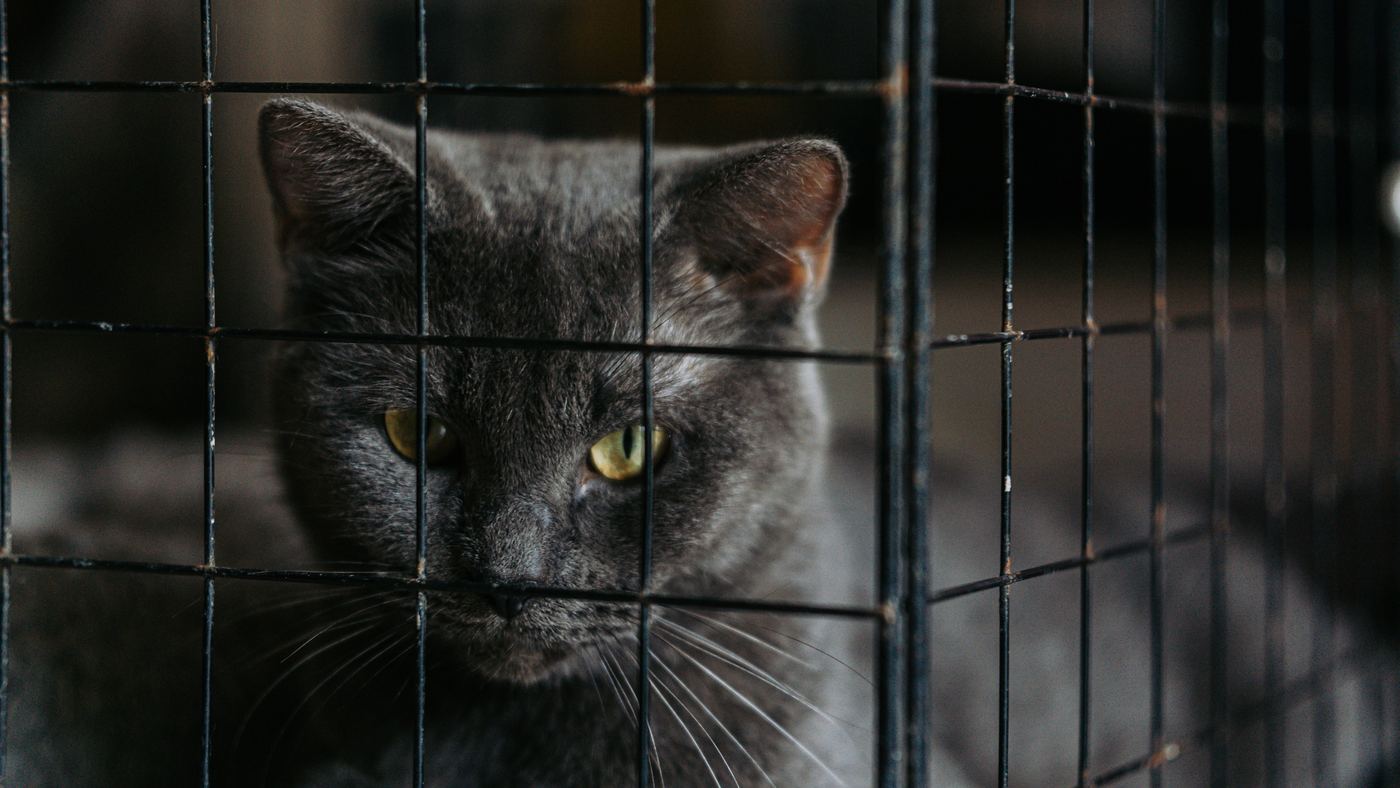
The pen also gave our rescue cat Miso a clear retreat. She could watch the newcomer from the back of the couch and decide when to come down. Slow, supervised meetings beat forced introductions every time, and the pen meant she always had a safe zone with no puppy in it.
Week one: the obvious hazards
We tackled the easy wins first. Loose cables went behind furniture, the wastepaper bin moved to a closed cupboard, and any low plant that wasn't pet safe found a new high shelf. The pen kept Wally away from all of it while we worked, which meant we could fix the room properly instead of watching him every second.
- Bundle and lift every power cord he could reach on the floor.
- Move shoes, bags and children's toys into closed storage.
- Check the floor for small items dropped after meals.
- Fit a toilet lid closure if your puppy is a drinker.
- Store handbags and charging cables well above floor level.
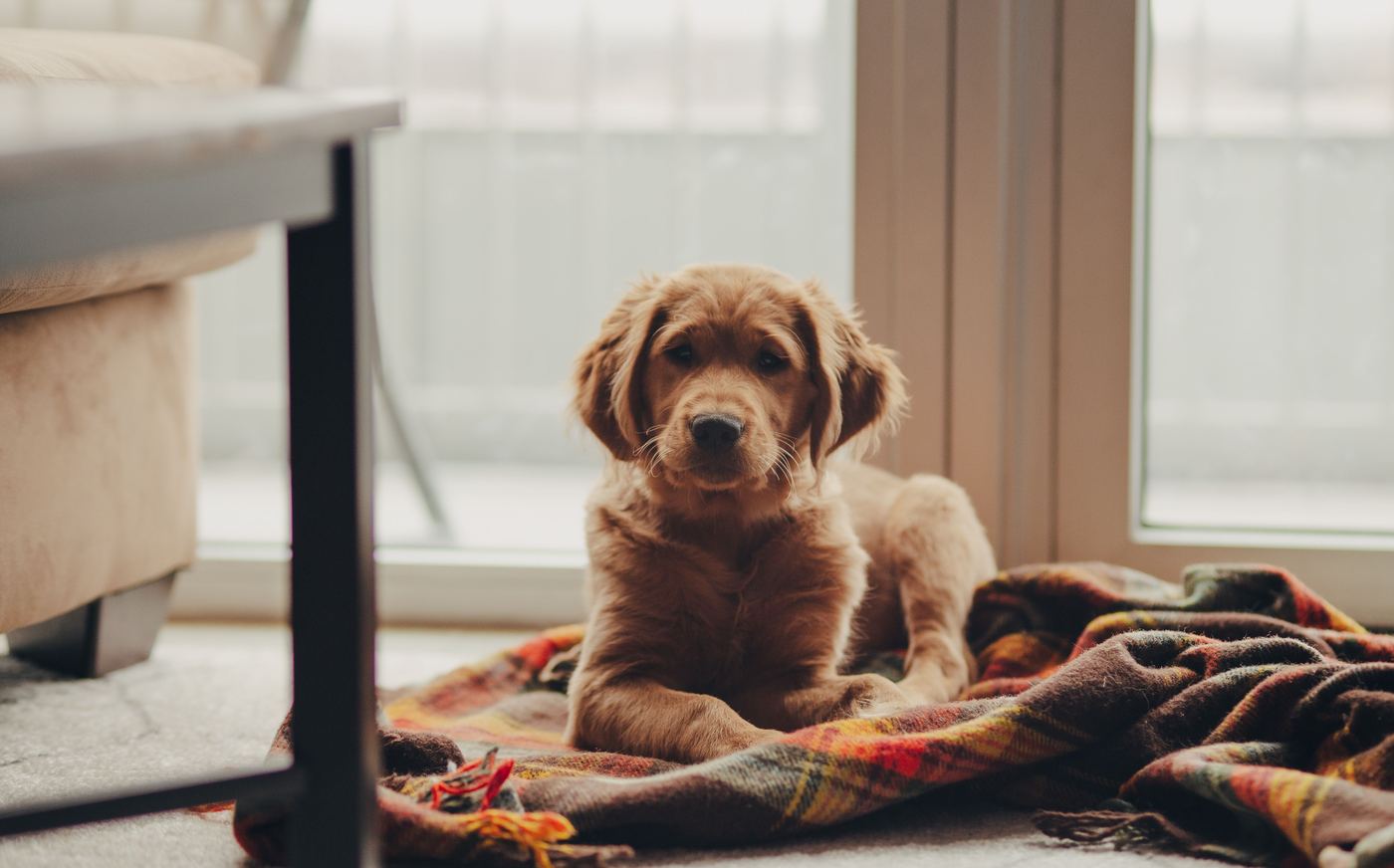
We also did a crawl test, which sounds silly but works. Getting down to puppy eye level showed us a hair tie under the couch and a stray Lego brick we'd both missed standing up. Ten minutes at floor height found more hazards than an hour of scanning the room from above, and it became our habit before every new room opened up.
Weeks two to four: building the routine
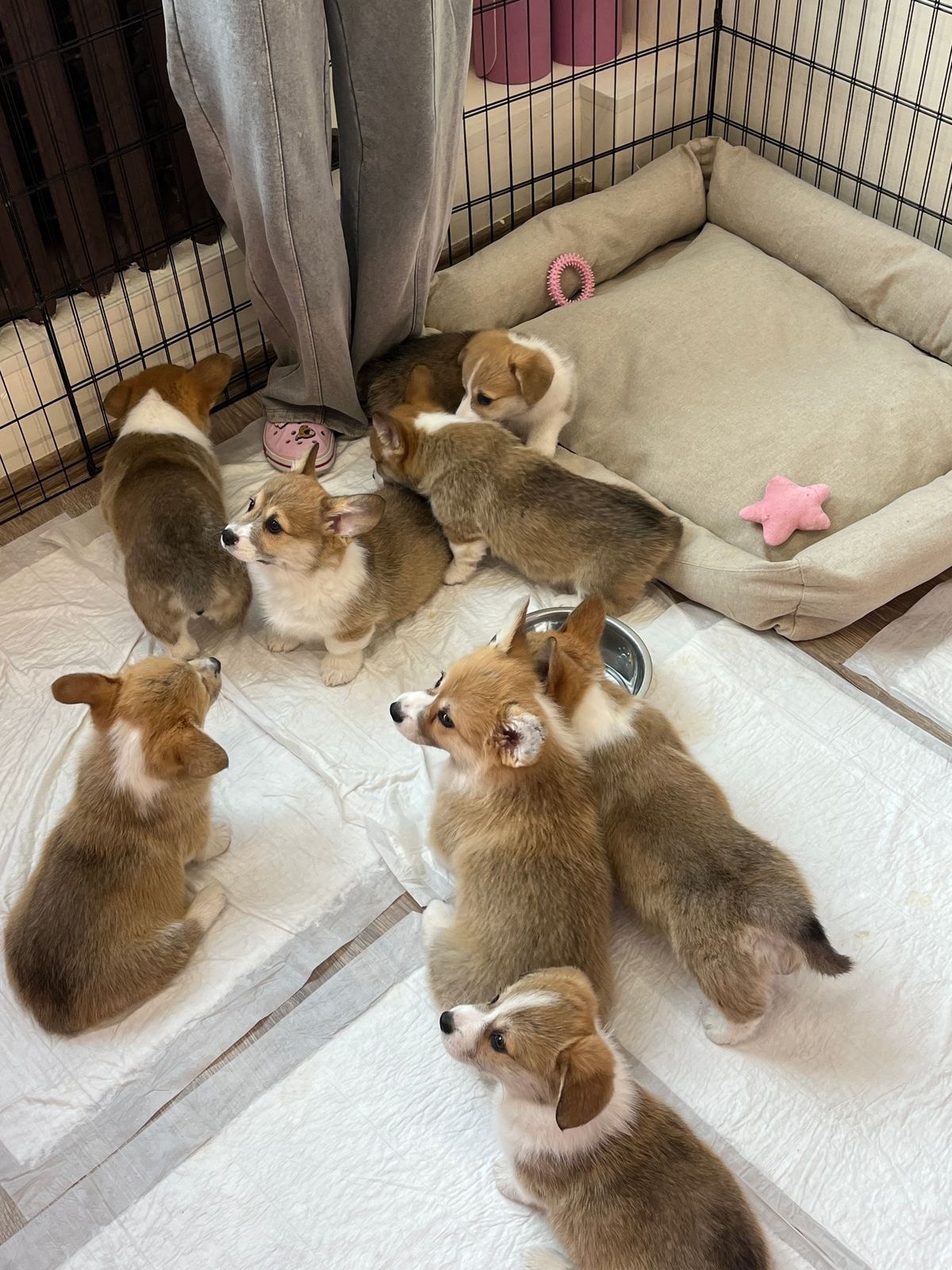
Once the immediate dangers were gone, the pen became a training aid rather than just a barrier. We fed him inside it, gave him chews there, and practised short bursts of alone time. He started to treat the space as his own, which made settling easier and turned a metal box into a place he chose to be.
We also used the pen during meal prep. Instead of tripping over a puppy underfoot, we knew exactly where he was. That alone reduced the number of stolen sausages and saved a couple of stressful dinners in the early weeks.
The other routine that formed naturally was the nap cycle. Young puppies sleep roughly eighteen to twenty hours a day in short chunks, and we learned to read his grumpy signals: rubbing his face on the floor, biting harder than usual, going a bit wild. Ten minutes of that and into the pen he went, and he'd usually be asleep within two minutes. A pen is honestly the best nap enforcement tool we found, because an overtired puppy behaves like a toddler past bedtime.
Toilet habits inside the pen
Wally slept at one end and we kept a puppy pad at the far end, which used his natural instinct to keep the bed clean. After every nap, every meal and every play burst we carried him to the pad, then praised the win quietly. In my experience the routine tightened within about ten days once we stopped missing the cues.
Accidents happened, and we treated them as timing notes rather than naughtiness. A calm return to the pad, then a review of when we last offered it, fixed more than any telling-off ever would have. The pen made that loop simple because the space was small and readable.
Chewing and what we redirected
Everything within reach was fair game for those baby teeth. When the mouth went to a bar or a shoe, we swapped in a frozen face washer or a proper chew and praised the switch. Redirection beat correction, and a tired puppy with a good chew in the pen is a puppy who isn't redecorating your skirting boards.
We rotated three or four chews so the pen never felt bare. A bit of variety kept him interested and bought us longer stretches of peace, which is exactly what a rental-living couple with full-time jobs needed in those first weeks.
The chewing peaked, for us, around four to five months when the adult teeth started pushing through, then eased off noticeably. Knowing that timeline helped us stay patient. We froze carrots on hot afternoons and kept a stiff-bristled brush nearby for the couple of panels he'd gnawed, and by six months the pen looked almost new again.
Sleep schedules and the overnight shift
Puppies sleep a lot, in short chunks. We aimed for a last toilet trip just before bed, a middle-of-the-night trip at around 2am for the first couple of weeks, then gradually dropped it as his bladder caught up. The pen beside the bed meant those night trips were a few steps, not a fully awake house search.
By week six Wally was sleeping through from about 11pm to 6am, which felt like a small miracle after the broken nights. Keeping the pen in the bedroom rather than the laundry made the difference for us, because separation was the part he struggled with most.

Rental-friendly setup that packs away
Because we rent, the pen had to leave no mark. Ours is free-standing and folds flat into a cupboard, so open inspections became a non-event. We never bolted anything to a wall, which kept the bond safe and let us shift rooms as the puppy grew.
If you're still choosing a model, our playpen category covers the main types side by side. For a rental I'd prioritise fold-flat panels and a zip-out floor, because both make life easier when the space isn't really yours to alter.
| Week | Focus | Pen's job |
|---|---|---|
| 1 | Remove obvious hazards | Contain puppy while we made rooms safe |
| 2 to 4 | Build routine and toilet habits | Training base for meals, chews and alone time |
| 5 to 6 | Sleep and settle overnight | Bedside den for night toilet trips |
| 7 to 8 | Small supervised freedom | Safe home base between outings |
Frequently Asked Questions
Can a playpen replace puppy proofing the whole house?
Not forever, but it buys you time. The pen keeps your puppy safe while you proof rooms one at a time, which is far less stressful than racing to fix everything before a curious eight-week-old finds it. We still proofed the rooms Wally used, just at a calm pace.
Did the rescue cat cope with the new puppy?
Yes, because the pen gave Miso a clear retreat and let her watch from the couch on her own terms. Slow, supervised meetings worked better than forcing contact, and having a puppy-free zone meant she never felt cornered in her own home.
How did you handle night-time toilet trips?
We kept the pen beside the bed and did a trip around 2am for the first two weeks, then dropped it as Wally's bladder matured. Short, quiet trips with no play kept him sleepy, and by week six he slept through from eleven to six.
Will a pen mark the walls in a rental?
Ours didn't, because it was free-standing and never bolted down. We folded it into a cupboard for inspections, which also kept the bond protected. Avoid any pen sold as wall-mounted if your lease is strict about alterations.
What chews worked best inside the pen?
A frozen face washer and two or three rotated puppy chews did the job. Rotating them stopped boredom and redirected the constant chewing away from bars and shoes. Praise the swap rather than scold the chew, and the habit sticks faster.
Looking for pet playpens?
We stock the gear covered in this guide, with Australia-wide shipping and Afterpay at checkout.
Popular picks from this guide: mesh pet playpen · foldable octagonal playpen
Shop Playpens at Paws of Oz