Playpen Hazards Beyond the Latch: What a Vet Nurse Watches For
Short answer: the latch is only one part of pen safety. As a veterinary nurse, the problems I actually see are chewed bars, soft pens left in full sun until they overheat, pens that topple on uneven ground, and collars caught on the mesh. None of those are about the door, yet each can send a puppy or kitten to the clinic. A safe pen is the whole setup, not just a secure clip, and a few minutes of checking prevents most of the cases I see.
Chewing the bars and the floor
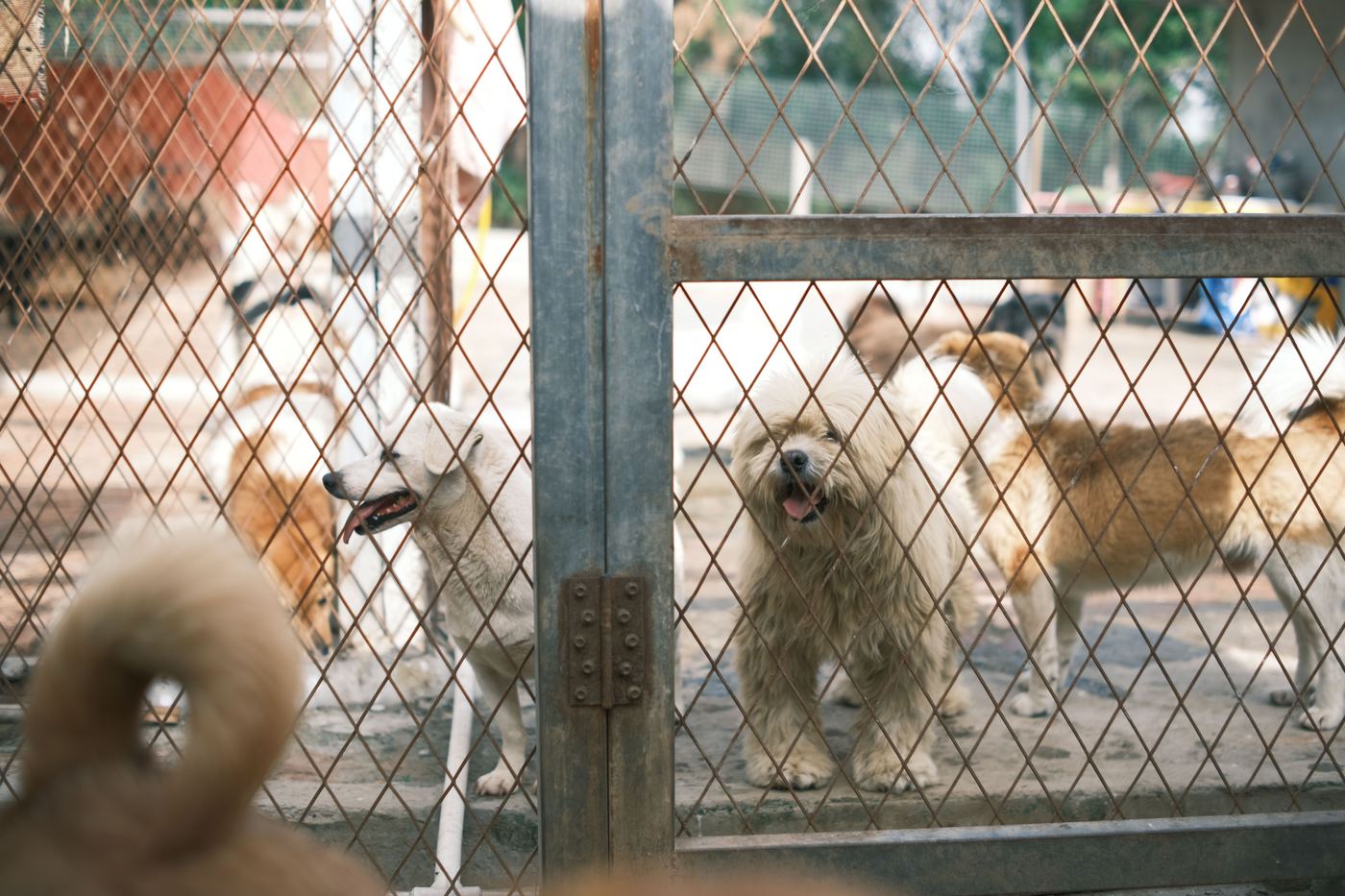
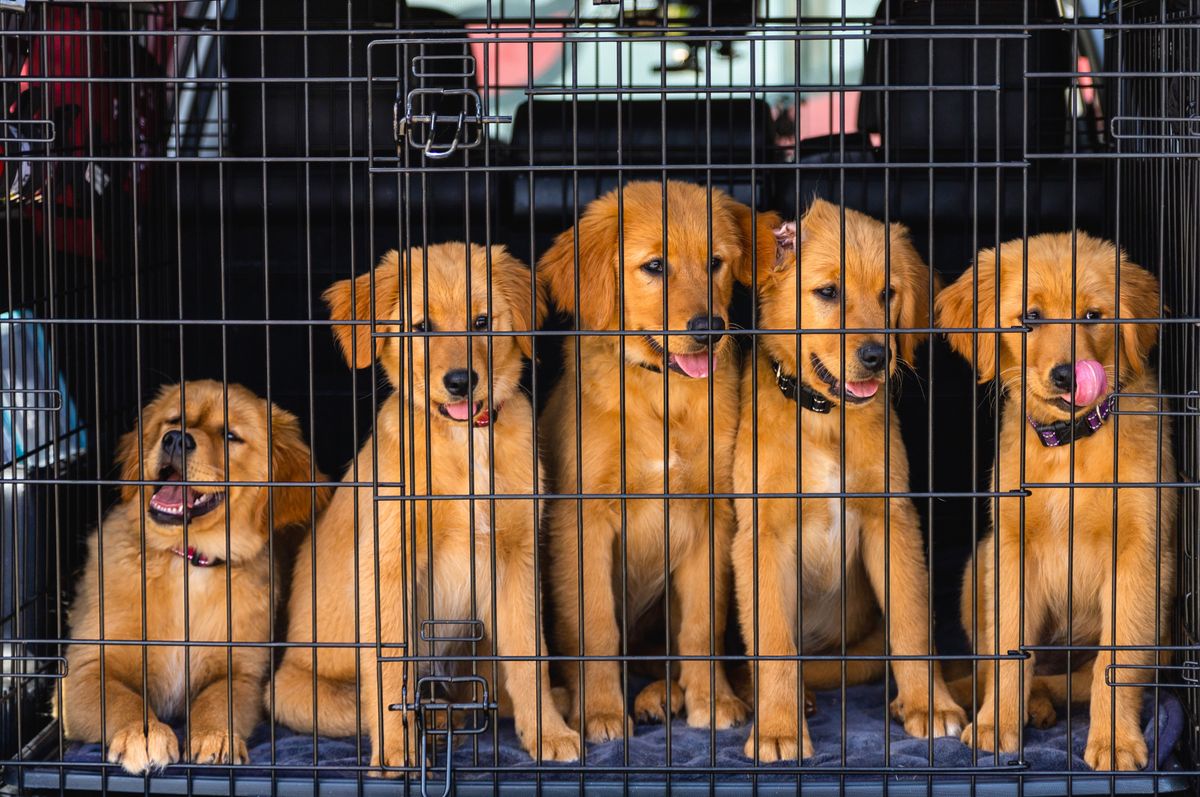
Puppies explore with their mouths, and a pen within reach is fair game. Chewed coatings can flake, and swallowed bits are a real worry. I tell owners to redirect with a chew toy the moment the mouth goes to the bar, and to check the pen daily for damage, because a small gnaw becomes a bigger one fast.
If a panel is gnawed through, retire it. A patched pen is a weak pen, and a curious dog will find the weak spot again. This isn't about being fussy, it's about removing a swallowing hazard before it becomes a foreign-body surgery.
The clinic cases that stay with me are the ones that were entirely preventable. A pup that swallowed a flake of plastic coating and needed a couple of days of monitoring, for instance, all because the damaged panel looked "still usable". If you can see bare metal or torn fabric, the panel has told you what it needs: replacement, not optimism.
Heat inside soft-sided pens
This one surprises people. A fabric pen left on a sunny Perth balcony can heat up faster than you'd think, and a pet can't tell you it's too warm. Always place the pen in shade, with airflow, and never in a closed hot room during summer. Heat stress is something we see far more than owners expect.
- Keep soft pens out of direct afternoon sun.
- Offer water and check it hasn't tipped.
- Feel the floor panel before settling your pet inside.
- Bring outdoor pens in before storm season hits.
- Never leave a pen in a parked car, even for a moment.
A useful habit in the warmer months is the back-of-the-hand test. Rest your hand on the floor panel and the shaded side of the fabric for a few seconds before your pet goes in. If it's uncomfortably warm for you, it's worse for them, because dogs and cats release heat differently and can't sweat it away the way we do.
Toppling and uneven ground
A pen on a sloping yard or a wobbly deck can tip if a dog leans hard on one side. Indoors, make sure the feet are all down. Outdoors, level the ground or choose a design rated for it. A fall from a toppled panel is how we see sprains, and it's almost always avoidable with a flat, stable surface.
This is where a flat, stable surface matters more than a fancy door. I'd rather see a basic pen on level ground than a premium one teetering on a slope, because the injury risk comes from the movement, not the brand.
Collar and lead snags
One quiet risk is a collar catching on mesh or a gap. For pen time, a well-fitted collar or a breakaway option reduces the snag hazard. If your pet wears a lead inside the pen, that's an extra loop to catch, so I suggest removing it during confined stretches and keeping just a flat collar.
Kittens are lighter and can wriggle through surprisingly small gaps, so check the mesh size against your animal, not just the label on the box. What fits a cavoodle is not what fits a kitten.
Tags deserve a mention too. A dangling ID tag is exactly the kind of thing that hooks on mesh, and I've seen torn ear edges from tags caught mid-play. A flat collar with a slim, flat tag, or no tag at all during supervised pen time, removes most of that snag risk without sacrificing anything.
Water, bowls and tipping
Spilled water makes a cold, damp bed and a slip risk on smooth floors. I like a clamp-on bottle or a weighted bowl that can't be flipped, and I check placement so a puppy can't trap a paw under a tipped container. Hydration matters, but the setup should stay clean.
If you notice a change in drinking or eating, that's a clinical question for your veterinarian rather than something to fix with pen changes. The pen is a management tool, not a treatment, and I'm careful to stay in my lane as a nurse.
Daily five-minute safety sweep
A quick habit beats a scary incident. Each morning I'd run a hand along the bars, test the feet, feel for heat, and check the collar fits. It takes about as long as making a coffee, and it catches the small issues before they become clinic visits. Most of what we see simply wasn't checked.
Make it part of an existing routine so it sticks. I do mine while the kettle boils, and owners I speak to who tie it to breakfast rarely miss a day. The sweep isn't complicated, it's just consistent, and consistency is what keeps small problems small.
This is general care guidance rather than veterinary advice, and anything that worries you about your own animal should go straight to your vet or an after-hours clinic.
| Hazard | What to check | When |
|---|---|---|
| Chewed bars or coating | Run a hand along panels; retire gnawed sections | Daily |
| Overheating in sun | Shade and airflow; feel the floor before use | Warm days |
| Toppling on slopes | All feet down; level the outdoor ground | Each setup |
| Collar snags | Breakaway collar; remove leads and dangling tags | Daily |
| Water spills | Weighted bowl or clamp bottle, placed clear of bedding | Each refill |
Frequently Asked Questions
Is the latch the main safety point?
It's one part, not the whole story. As a nurse I see chewing, heat, toppling and collar snags far more often than latch failures. A secure clip matters, but the setup around it decides whether your pet stays safe, so check the whole pen each day.
Can a soft pen get too hot?
Yes, especially in full Perth sun. A fabric pen on a balcony can heat up quickly, and pets can't tell you they're warm. Keep it shaded with airflow, never in a closed hot room, and bring outdoor pens in before the worst of summer.
Should my puppy wear a collar in the pen?
A flat or breakaway collar is fine, but remove any lead, because the loop is what catches on mesh. Kittens need a small enough mesh that they can't slip through, so check the gap against your animal rather than the box label.
What if my puppy chews the bars?
Redirect to a chew the moment it starts, and inspect daily for damage. If a panel is gnawed through, retire it rather than patch it, because swallowed coating is a real risk and a weak spot will be found again.
When should I call the vet instead?
If you notice changes in eating, drinking, toileting or energy, that's a clinical question for your veterinarian, not a pen problem. The pen manages safety; it doesn't treat illness, and I'd always route real health changes to a vet.
Looking for pet playpens?
We stock the gear covered in this guide, with Australia-wide shipping and Afterpay at checkout.
Popular in this range: foldable octagonal playpen · large pop-up cat tent
Shop Playpens at Paws of Oz