Pen Time Without a Crate: Building a Toilet Routine That Sticks
Short answer: you can build a solid toilet routine with just a playpen and no crate, by splitting the space so the bed sits at one end and a toileting spot at the other. Puppies naturally keep their sleeping area clean, so the layout does half the work. From there, it's about clocking trips after sleep, play and meals, and staying consistent, and a crate is not required to make that habit stick.
Step 1: set up the split space
Place a comfy bed at one end and a toileting tray or puppy pad at the far end. The distance matters. If the whole pen is one open floor, a puppy won't learn the difference between rest and relief. The split creates a choice the puppy can succeed at, and that choice is the heart of crate-free training.
Keep food and water near the bed end, away from the toilet corner, so the clean zone stays clean. A clear layout means fewer mixed signals and fewer accidents on the bed, which is where owners get discouraged.
For an eight-panel pen, the split works well with roughly two panels of toilet corner and the rest as living space. A four or six-panel pen can get cramped, so if accidents keep landing near the bed, the pen itself may be too small to hold both zones. Go bigger or use the pad only and take trips outside instead.
Step 2: clock the key moments
Every puppy toilets on a rhythm. The big triggers are waking, finishing a meal, and the end of a play burst. I teach owners to sweep the puppy to the toileting spot on those cues, then reward the success quietly, because a calm praise cements the habit better than a big fuss.
- Straight to the spot after any nap.
- After meals, wait and watch for the cue.
- Following energetic play, offer the spot.
- Reward the win, then return to play.
- Add a trip last thing before bed.
Meals deserve their own note. Most young pups need to go within about ten to twenty minutes of eating, though it varies, so stay close after meals rather than wandering off. I ask owners to set a loose timer for the first fortnight. Once you've seen the pattern a dozen times, your own internal clock takes over and the timer becomes unnecessary.
Step 3: read the circling
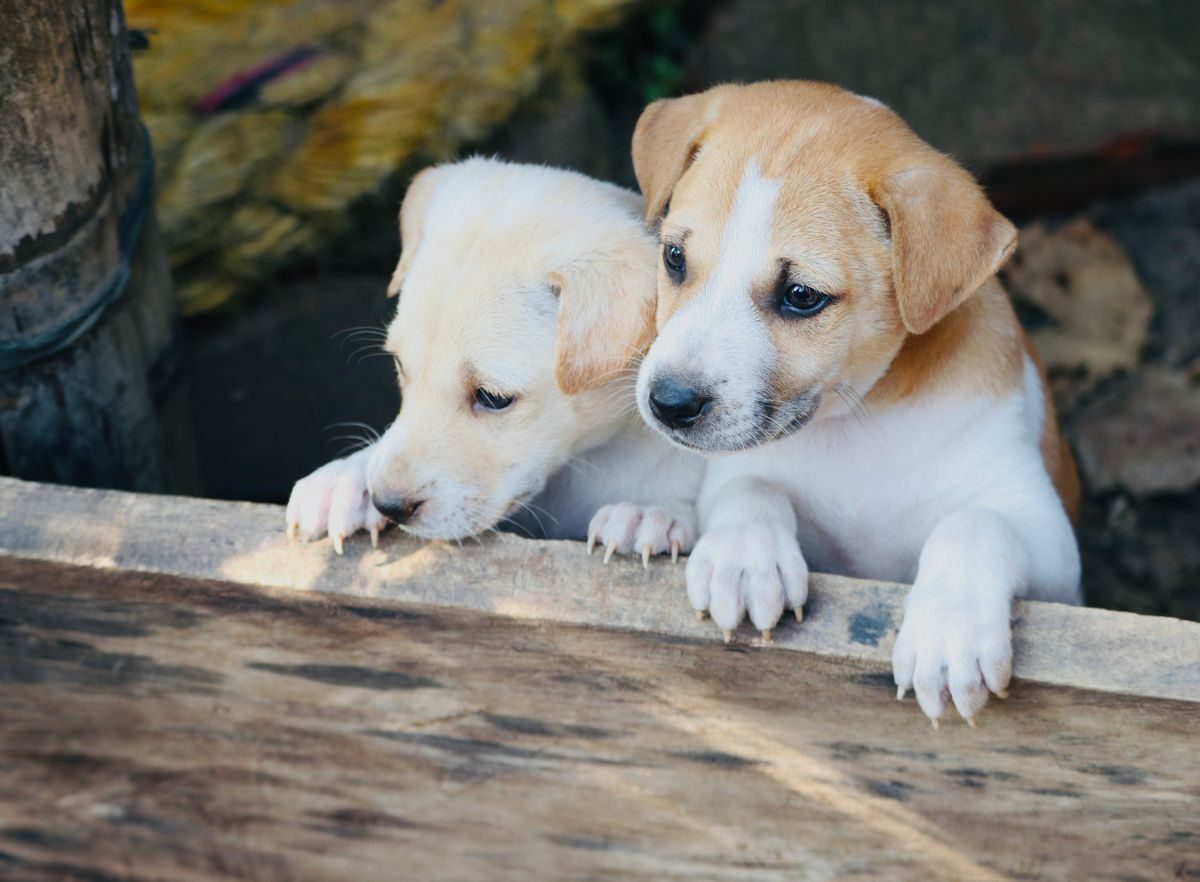
Puppies signal before they go: sniffing, circling, leaving the bed. Catch that moment and move them to the spot. Missing it isn't failure, it's information for next time. The routine tightens as you learn their tells, and most owners spot the pattern within a week or so.
Without a crate, the pen's size means you must watch a little more closely early on. That attention pays off in fewer accidents and a puppy that trusts the routine, because you were there to guide each success.
A quiet pup in another room is often the hardest to read, so early on I'd keep the pen where you actually live. Television time, cooking, working at the dining table: the puppy should be in your eyeline. A fortnight of close watching buys you years of a dog that asks before it goes, and that trade is worth every boring evening.
Step 4: shrink the freedom as they earn it
As the habit holds, you can let the puppy out of the pen for short supervised stretches, always after a successful toilet trip. If an accident happens, calmly return to the spot, then review your timing. Blame helps no one, and a calm response keeps the puppy confident about the routine.
The aim is a puppy that seeks the spot on its own, which is the real finish line. When they walk to the tray without a cue, the pen has done its job and you can widen the home slowly, room by room, on the puppy's timeline.
Expand by one room at a time and stay at each stage for a few days of clean floors before widening again. Owners who throw open the whole house after one good week usually meet an accident in the hallway, then blame the puppy. The pen remains the home base throughout, and returning to it after any setback resets the habit without drama.
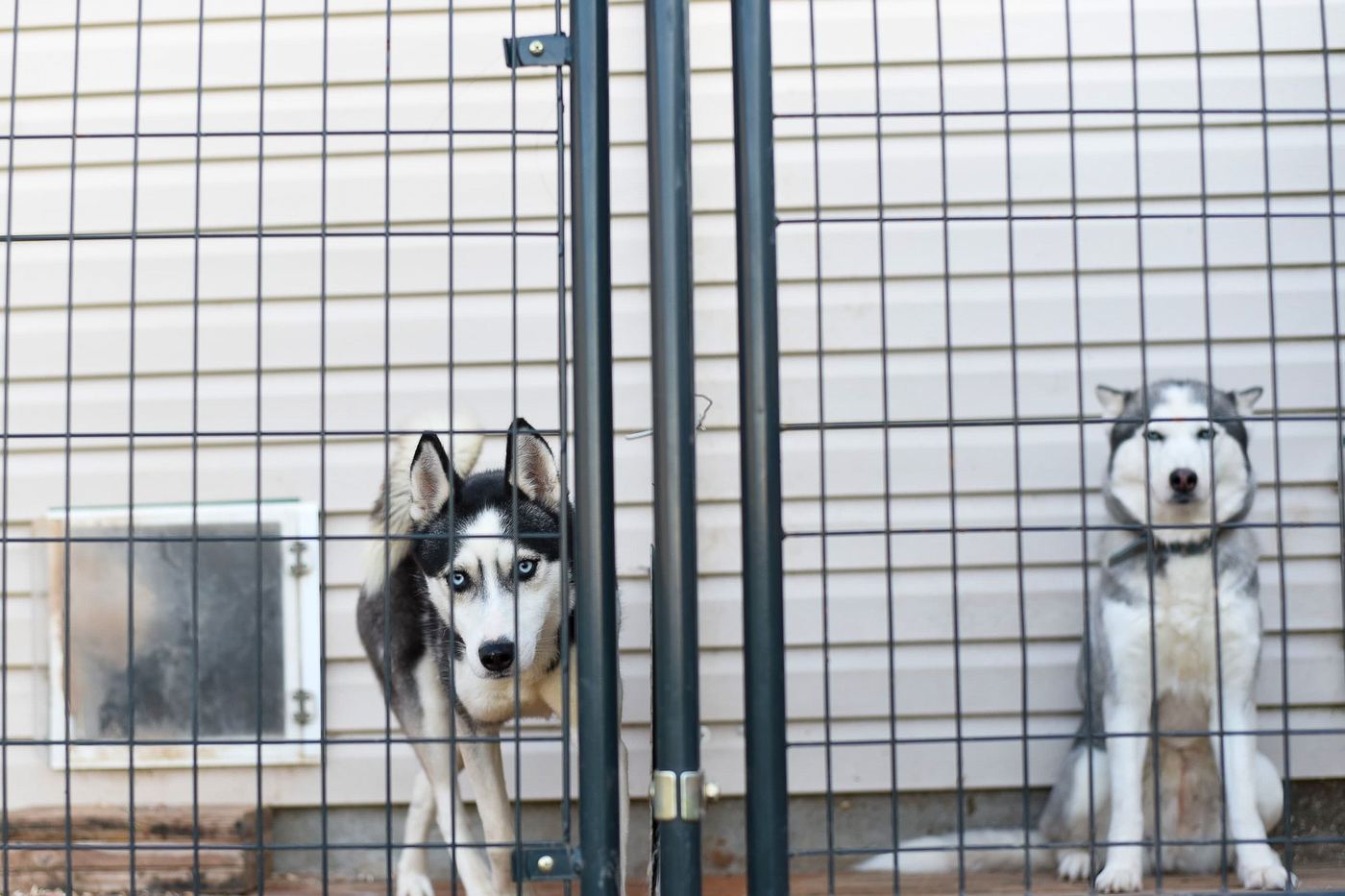
Step 5: manage the night without a crate
At night the split pen beside your bed works like a mini den. Last trip before sleep, a middle-of-night trip for young pups, then a straight-to-spot morning. The bed stays dry because the puppy won't soil where it sleeps, and the short distance means night trips are quick and sleepy.
By around six months most puppies hold through the night, and you can drop the pad if your yard is the goal. Until then the pen keeps the night routine contained and the floor clean, which every tired owner appreciates.
If a night accident does happen, resist washing the whole pad out of the pen. Clean the spot thoroughly with an enzymatic cleaner, keep the layout identical, and check whether the last evening trip was too early. One soggy night is a data point, not a broken routine.
Step 6: troubleshoot the common slips
If accidents cluster in one corner, the pen may be too big for the current habit, so shrink it with a panel or two. If they soil the bed, the toileting spot is likely too far or the trips too sparse. Small layout fixes solve most slips faster than any scolding ever will.
Other fixes worth trying: swap the pad for real grass turf if you want the puppy to transition outdoors, place the pen on hard flooring rather than carpet while the habit forms, and give the toilet corner a week of consistency before changing anything else. Change one variable at a time, or you'll never know what worked.
| Trigger | Action | Reward |
|---|---|---|
| Waking from a nap | Carry to the toileting spot | Quiet praise, then play |
| Finishing a meal | Wait, then offer the spot | Calm marker, small treat |
| End of play burst | Sweep to the tray | Praise and freedom |
| Last thing at night | Short trip before bed | Settle in the pen |
Frequently Asked Questions
Can you toilet train without a crate?
Yes. Split the pen so the bed is at one end and a toileting spot at the other, since puppies keep their sleeping area clean. Then clock trips after sleep, meals and play. A crate helps but isn't required, and the layout does half the work for you.
How do I set up the split space?
Bed at one end, tray or pad at the far end, with food and water near the bed. The distance is what teaches the difference between rest and relief. If the whole floor is open, the puppy won't learn the choice, so keep the ends clearly separate.
What are the main accident triggers?
Waking, finishing a meal, and the end of a play burst are the big three. Sweep the puppy to the spot on those cues and praise the win. Reading circling and sniffing lets you catch it sooner, and the routine tightens as you learn their tells.
What if my puppy soils the bed?
That usually means the toileting spot is too far or trips are too sparse. Move the pad closer or add a trip, and keep the bed end dry. Small layout fixes solve most slips; scolding just confuses the puppy and slows the habit.
When can I give more freedom?
Once they seek the spot on their own, let them out for short supervised stretches after a success. Widen the home room by room on the puppy's timeline. By around six months many hold through the night, and you can drop the pad if the yard is the goal.
Looking for pet playpens?
We stock the gear covered in this guide, with Australia-wide shipping and Afterpay at checkout.
Popular picks from this guide: mesh pet playpen · foldable octagonal playpen
Shop Playpens at Paws of Oz