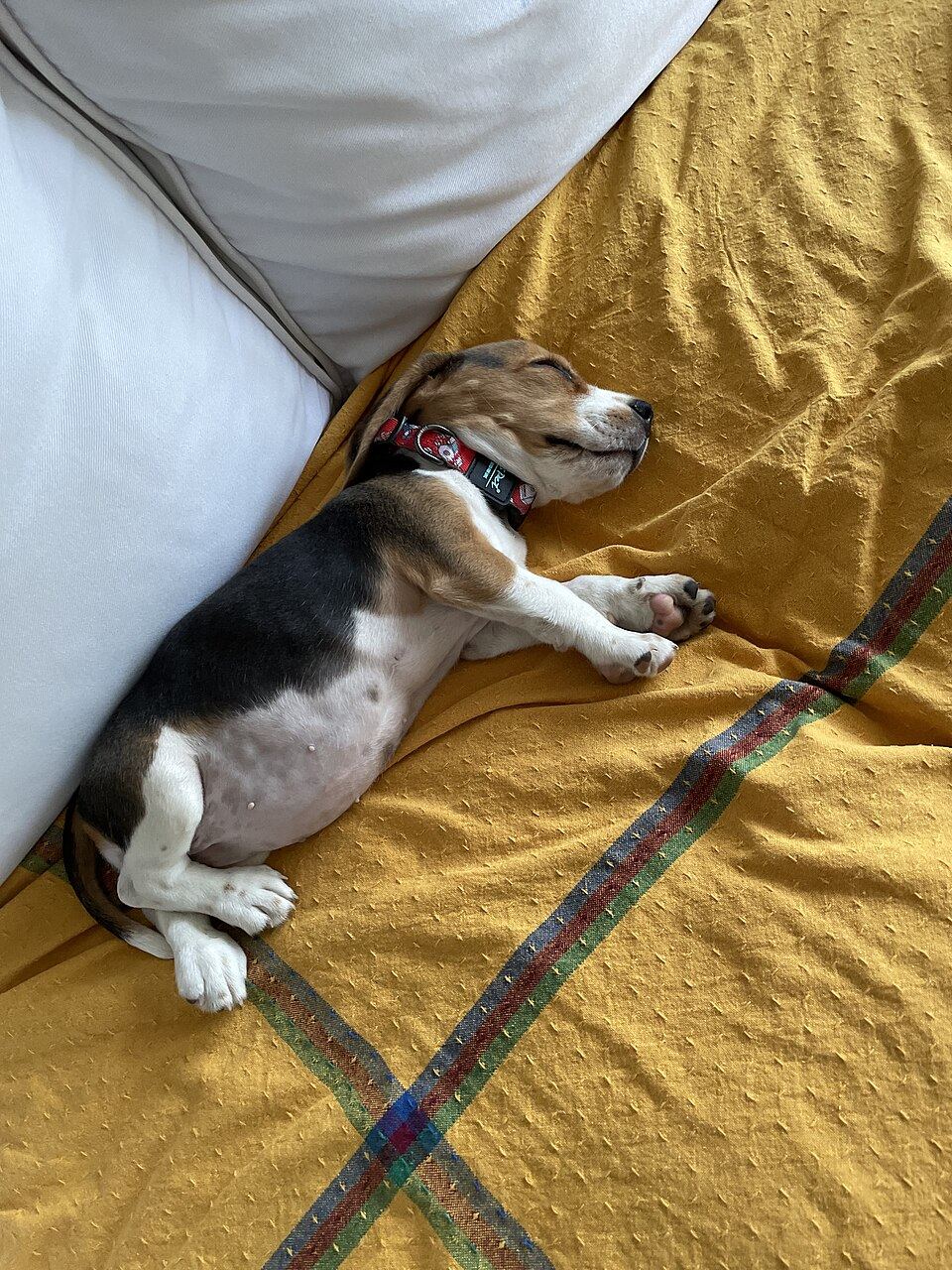
Self-Warming, Heated, or Just Warm? Sorting Out Winter Pet Beds
Short answer: start with a well-padded, enclosed bed and reach for heat only if the house drops overnight or the animal is old or unwell. I'm asked every autumn whether to buy a heated model, and after watching people choose wrong I ask three things: age, how cold the house gets, and whether anyone chews. The simple padded option suits most homes, while self-warming, microwave packs and electric versions each suit a narrower case. Here's the split: power solves a specific problem, not an upgrade on a basic one.
Every autumn the same question arrives from clients: should I get one of those heated beds? The answer depends almost entirely on the animal and the house, and after watching a lot of people buy the wrong thing I've started asking three questions first. How old is the animal? How cold does the house actually get overnight? And does anyone chew things?
Because there are four genuinely different technologies sold as winter beds, and they are not interchangeable.

Type one: well-padded and enclosed
This is the simplest and, in my experience, the right starting point for most households. No power, no technology, just a thick fill and a shape that holds warm air around the animal. A semi-enclosed bed with a raised edge does two jobs: it gives them something to lean against, and it stops the warm pocket they've made from dispersing every time they shift.
This is the type I'd try first for cats, small dogs, and any animal in a house that's cool rather than genuinely cold. In Hobart in July that's often enough for Pip, with the caveat that she also has a rug under the bed and the door to the hallway shut.
Type two: self-warming
Self-warming beds contain a reflective layer — usually a thin metallised film — that bounces the animal's own body heat back at them. No power, no water, nothing to switch on. They work, but gently, and only as well as the animal's own heat output.
The honest limitation: a self-warming bed takes the edge off, it doesn't warm a cold animal up. For a healthy cat in a mildly cool room it's a nice upgrade. For a twelve-year-old arthritic dog in an unheated laundry it won't be enough, and it's worth knowing that before you spend the money.
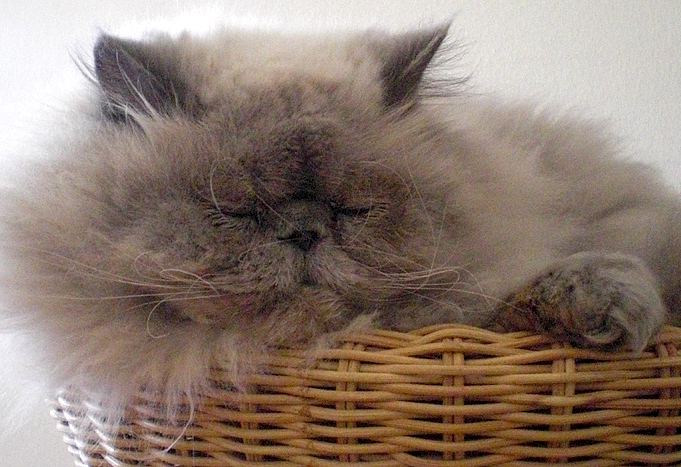
Type three: microwave heat packs
These are the ones I recommend most often, and they're the least glamorous. You warm a disc or pad in the microwave and slide it under or into the existing bed. Several hours of cordless warmth, no electricity running overnight, nothing to chew through.
They're ideal for animals recovering from surgery, for very old cats, and for anyone who doesn't want a powered item running all night. Two cautions: follow the heating time exactly, because overheating is a real burn risk, and always wrap the pack in a cover rather than letting an animal lie directly on it. I've treated a burn from a pack that was heated too long, and it's not something I want to see twice.
- Warm a disc or pad in the microwave, then slide it under the bed.
- It gives hours of cordless warmth with nothing to chew.
- It suits pets recovering from surgery or very old cats.
- Follow the heating time exactly to avoid burn risk.
- Always wrap the pack in a cover before the animal lies on it.
Type four: electric heated beds
These provide steady, gentle, thermostat-controlled warmth and are the strongest option for older animals and cold homes. The good ones run at a low temperature designed for pets and are safe to leave on.
But this is the category with the real safety caveats. Buy one made specifically for pets, never a human electric blanket or heat pad. Check it carries Australian electrical approval. Inspect the cord regularly and throw the bed out if the cord is damaged. Supervise or avoid altogether for any animal who chews cords — which is most puppies and a fair number of cats.
And for animals who are unwell, very old, or have reduced sensation, talk to your vet first. An animal who can't move away from a heat source is at more risk than one who can.

What I'd actually buy, by situation
A healthy adult cat or small dog in a heated house: a well-padded enclosed bed, nothing powered. A senior dog with stiff joints: thick padding first, and add a microwave pack on the worst nights. A very old, thin, or unwell animal in a genuinely cold home: a proper pet electric bed, bought new, with the cord checked. A puppy or a known chewer: nothing powered at all, and a bed you're prepared to replace.
And for Melbourne and Hobart winters specifically, the thing that helps across every category is position. Off the floor, out of the draught, away from the exterior wall. I've fixed more cold-pet complaints by moving a bed two metres than by upgrading it.
I own one microwave pack and three ordinary beds, and the pack comes out for about six weeks a year. That's the honest ratio for most people. Start with padding and position, add heat only if the animal is still telling you they're cold. — Tessa, Hobart, currently defrosting a greyhound.
Frequently Asked Questions
Do self-warming pet beds actually work?
They work gently. A reflective layer returns the animal's own body heat, so they take the chill off without any power. They are not enough for a very old or unwell animal in a genuinely cold room — for that, an electric bed or a microwave heat pack gives stronger warmth.
Are heated beds safe for cats and dogs?
Pet-specific heated beds run at a safe low temperature and are generally safe when used as directed. Never use a human electric blanket or heat pad, check for Australian electrical approval, inspect the cord often, and avoid powered beds for animals who chew.
Can I leave a heated pet bed on all night?
Most pet-specific electric beds are designed to run continuously at their safe low temperature, but always follow the manufacturer's instructions. If you would rather not leave anything switched on, a microwave heat pack gives several hours of cordless warmth.
Are microwave heat packs safe?
Yes, with two rules. Heat for exactly the instructed time — overheating causes burns — and always place the pack inside a cover rather than letting your pet lie directly on it. Check the temperature with your hand before giving it to them.
What's the best winter bed for an older dog?
Start with thick padding that keeps them off a cold floor, then add heat if they're still cold. A dense base that won't flatten is more important than warmth alone, and a low entry edge helps dogs with stiff joints get in and out.
Size & Fit Reference
| Size | External (L×W×H) | Internal sleeping area | Suits pets up to | Typical pets |
|---|---|---|---|---|
| S | 43 × 32 × 10 cm | ~36 × 25 cm | 30 cm curled | Kittens, toy breeds, small cats |
| M | 54 × 42 × 11 cm | ~46 × 34 cm | 45 cm curled | Cavoodle, Pug, average cat |
| L | 66 × 50 × 12 cm | ~57 × 41 cm | 55 cm curled | Cocker Spaniel, large cat |
| XL | 80 × 60 × 13 cm | ~70 × 50 cm | 70 cm curled | Kelpie, Border Collie |
| XXL | 95 × 72 × 15 cm | ~84 × 61 cm | 85 cm stretched | Labrador, two small dogs |
| 3XL | 110 × 82 × 15 cm | ~98 × 70 cm | 100 cm stretched | Great Dane, two medium dogs |
Between two sizes, size up. Note that soft polyester fill compresses under weight — for dogs over about 30 kg, a denser foam base will hold its loft far longer than fibre fill.
Looking for beds & mats?
We stock the gear covered in this guide, with Australia-wide shipping and Afterpay at checkout.
Popular in this range: self-cooling pet mat
Shop Beds & Mats at Paws of Oz