Beds for Older Dogs: What Actually Helps Sore Joints
Short answer: a bed helps an older dog by taking pressure off sore joints, but it does not treat arthritis or slow joint disease, so manage expectations first. Twelve now, Pip rises in two stages on cold mornings, and the right base density is what lets her rest between those stiff first steps and her breakfast. You'll want a dense foam base rather than soft fibre fill, because polyester compresses under weight and a dog over about thirty kilos ends up on the floor.
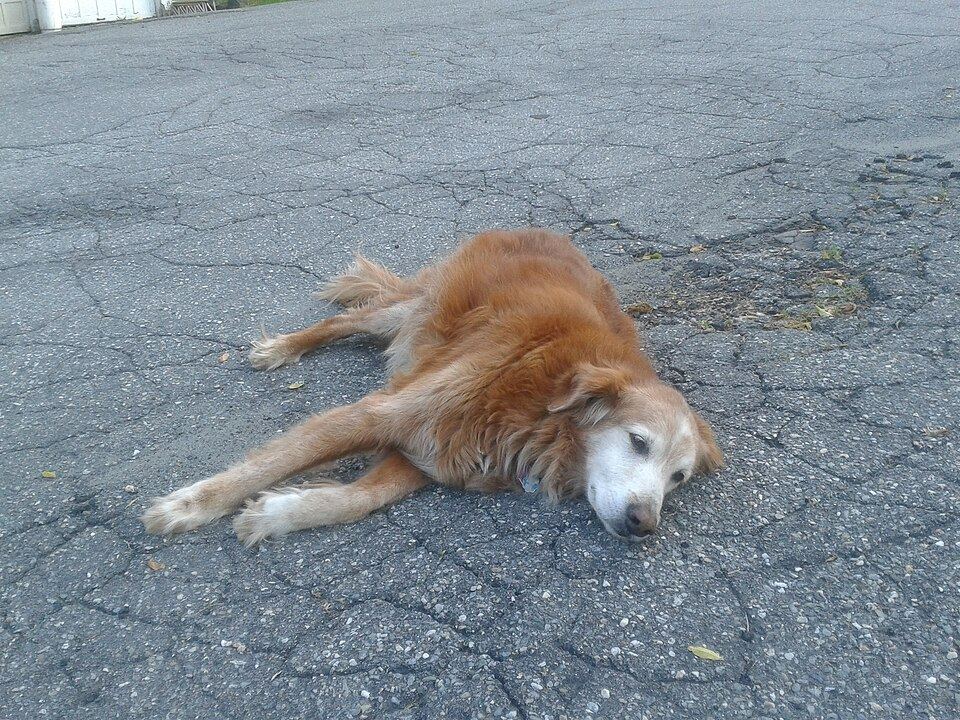
Pip is twelve. She is a retired racing greyhound, which means she spent the first four years of her life doing what her body was bred for and the eight since doing her best impression of a very lazy rug. On winter mornings she takes a while to get going. She rises in two stages, front end first, pauses, then brings the back legs up under her. By the time she reaches her breakfast she is fine.
I say that because this article is about beds, and I want to be straight from the start about what a bed can and cannot do. A bed does not treat arthritis, does not prevent hip dysplasia, and will not slow down joint disease. I work in animal rehabilitation and have watched owners spend a great deal of money hoping otherwise. I would rather tell you the truth and have you spend the rest of it at your vet.

What a bed genuinely does
Three things, and they are all worth having.
First, it helps reduce pressure on bony points. When a dog lies on a hard surface, the weight of their body presses on a small number of contact areas — hips, elbows, shoulders, hocks. On tiles or polished concrete those points take the full load. A supportive bed spreads the load over a much larger area, so no single point is bearing as much. For a dog with stiff joints, that is the difference between waking up comfortable and waking up sore.
Second, it keeps them off a cold floor. This is not a small thing in southern Australia. A tiled laundry floor in Hobart in July pulls heat out of a dog all night, and a thin-coated senior with reduced muscle cover has very little to spare. Even a modest layer of foam and fabric between the dog and the floor reduces how hard their body has to work just to stay warm.
Third, it supports getting up and down. A bed with a firm, non-slip base gives a dog something to push against. On a slippery floor, an older dog's legs splay and the effort of rising becomes genuinely harder. That is a comfort and mobility benefit, not a medical one, and I am careful to describe it that way.
- A supportive bed spreads load off the hips, elbows and shoulders.
- It keeps a senior off a cold tiled floor that pulls heat away.
- A firm non-slip base gives an older dog something to push against.
- On tiles a slipping bed stops being used after one bad experience.
- These are comfort and mobility gains, not a medical replacement.
Base density matters more than fluffiness
This is the point I make most often and the one people resist, because a soft, puffy bed looks like the caring choice. It usually isn't.
Soft polyester fibre fill feels wonderful in the shop and compresses under a heavy dog within weeks. Once flattened, the dog is effectively lying on the floor with a thin layer of fabric underneath. I have picked up beds belonging to Labradors and Great Danes where the fill had compressed to what felt like a folded towel. The owners had no idea, because they never lie on it.
What you want underneath is a denser foam base that holds its loft under weight. Press down hard with your palm: if your hand reaches the floor, the dog will too. For dogs over about 30 kilograms this matters enormously. A firm foam base with a softer comfort layer on top gives cushioning over something that will not bottom out.
Memory foam distributes weight well and many older dogs like it. It is also warm and slow to recover, and some dogs find it hard to move on because it does not push back. Pip, for what it is worth, prefers a firm high-density base with a soft top. She gets off anything that swallows her elbows.
Entry, size and the parts people forget
A high bolstered edge looks cosy and can be a genuine obstacle. A dog who is stiff in the mornings has to lift a sore leg over that wall every time they lie down. Choose a low step-through entry, or a bed with a lowered section at the front. Raised edges are useful to lean against, but they need to be low enough to step over comfortably.
Size matters more for older dogs, for a specific reason: a dog with a painful hip or shoulder often wants to lie with that leg stretched out rather than tucked. A bed sized for curling up will not allow that. Measure stretched out from nose to base of tail, add ten to fifteen centimetres, and go up a size if you are between two.
The non-slip base is not optional here. On tiles and polished concrete, a bed that slides when a cautious dog steps onto it stops being used after one bad experience.
And washability, because incontinence becomes more common with age and it is nobody's fault. A removable cover plus a waterproof liner means an accident is a laundry job rather than the end of the bed. Buying a second cover when you buy the bed is the best thing you can do for your future self.
When it is a vet conversation, not a shopping trip
If your dog is stiff, slow to rise, reluctant on stairs, no longer jumping onto the couch, lagging behind on walks, or showing a change in behaviour or temperament, that is an appointment with your vet. Pain management for older dogs has improved enormously, and there is a great deal that can be done — weight management, medication, physiotherapy, hydrotherapy, joint supplements, changes to flooring and ramps around the house.
No bed replaces any of that. A good bed is one part of a comfortable setup for an older dog, alongside rugs or non-slip runners on slippery floors, a ramp for the car, raised food bowls if that helps, and a vet who knows your dog. On its own it is a comfort measure, and an honest one, but that is all it is.
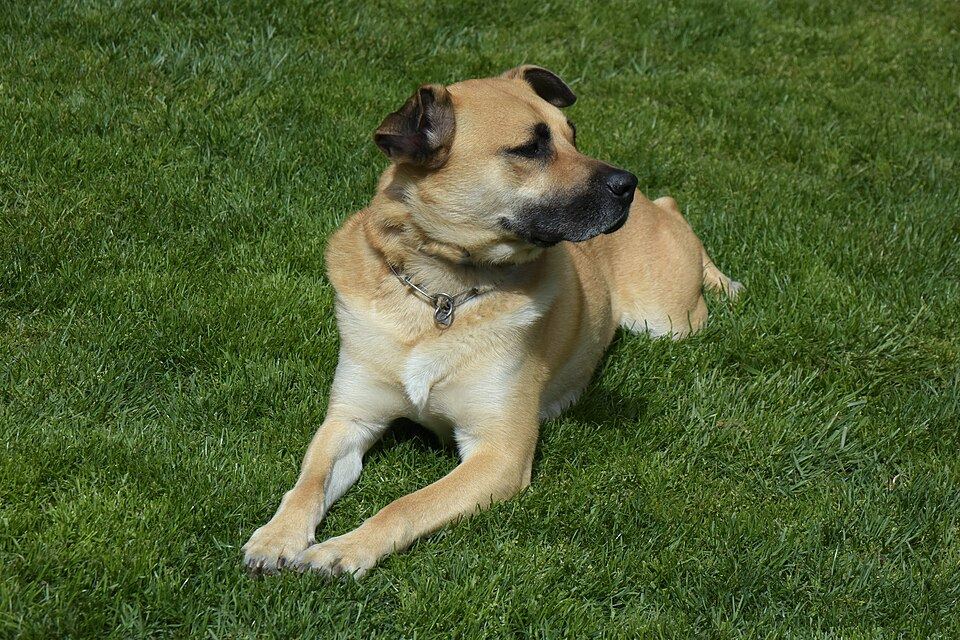
Pip's bed is a firm foam base with a soft top, a low front she can step over, and a cover I can strip off in thirty seconds. It has not fixed her mornings, and I did not expect it to — her vet and her weight and her gentle routine do that work. What it does is give her somewhere comfortable to wait for the stiffness to pass. That is worth having, honestly described. — Tessa, Hobart, with a greyhound who is currently asleep on it.
Frequently Asked Questions
Does an orthopaedic dog bed help arthritis?
No bed treats, cures or prevents arthritis. What a supportive bed does is help reduce pressure on bony points such as hips, elbows and hocks, keep a dog off a cold floor, and make getting up and down easier. If your dog is stiff or slow to rise, that is a vet conversation about pain management.
What should I look for in a bed for an older dog?
A dense foam base that holds its loft, a low or step-through entry for stiff legs, enough room to stretch out fully, a non-slip base for tiled and polished concrete floors, and a removable washable cover with a waterproof liner. Base density matters more than how soft it looks.
Is memory foam or high-density foam better for senior dogs?
Both work, and it depends on the dog. Memory foam distributes weight well but is warm and slow to recover, which some older dogs find hard to move on. Many do better on a firm high-density foam base with a softer comfort layer on top, which will not bottom out under their weight.
Should an older dog's bed have raised edges?
A low raised edge gives a dog something to lean against and many like it. A high bolster can be a genuine obstacle for a stiff dog who has to lift a sore leg over it every time. Look for a low front section or a step-through entry if mornings are difficult.
How big should a bed be for a senior dog?
Bigger than you think. Dogs with a painful hip or shoulder often want to stretch that leg out rather than tuck it in, so a bed sized for curling up is too small. Measure from nose to base of tail when stretched, add 10–15 cm, and size up if you are between two sizes.
Size & Fit Reference
| Size | External (L×W×H) | Internal sleeping area | Suits pets up to | Typical pets |
|---|---|---|---|---|
| S | 43 × 32 × 10 cm | ~36 × 25 cm | 30 cm curled | Kittens, toy breeds, small cats |
| M | 54 × 42 × 11 cm | ~46 × 34 cm | 45 cm curled | Cavoodle, Pug, average cat |
| L | 66 × 50 × 12 cm | ~57 × 41 cm | 55 cm curled | Cocker Spaniel, large cat |
| XL | 80 × 60 × 13 cm | ~70 × 50 cm | 70 cm curled | Kelpie, Border Collie |
| XXL | 95 × 72 × 15 cm | ~84 × 61 cm | 85 cm stretched | Labrador, two small dogs |
| 3XL | 110 × 82 × 15 cm | ~98 × 70 cm | 100 cm stretched | Great Dane, two medium dogs |
Between two sizes, size up. Note that soft polyester fill compresses under weight — for dogs over about 30 kg, a denser foam base will hold its loft far longer than fibre fill.
Looking for beds & mats?
We stock the gear covered in this guide, with Australia-wide shipping and Afterpay at checkout.
Popular in this range: self-cooling pet mat
Shop Beds & Mats at Paws of Oz