Cooling Mats and Elevated Beds: What Works in an Australian Summer
Short answer: reach for an elevated bed before a cooling mat in most of Australia, because moving air beats a gel pad that can run warmer than the tiles on a humid afternoon. Brisbane to Darwin, the free option of shade and a breezy spot beats the bought one more often than the product pages admit. If you only remember one case, make it the Cairns kelpie who ignored her eighty-dollar mat and flopped on the bathroom floor, which was simply cooler.
Every November my inbox fills with the same question, and every year I give a version of the same slightly disappointing answer. Last summer a woman in Cairns rang me in a panic because her kelpie had ignored the gel cooling mat she'd bought for eighty dollars and gone back to lying flat on the bathroom tiles. She wanted to know what she'd done wrong. Nothing. The dog had worked out something the product page hadn't mentioned: on a humid tropical afternoon, the tiles were cooler than the mat.
I live in Hobart, so my summer is not your summer. But four years in a Brisbane clinic and a lot of calls with clients in Perth, Darwin and Townsville have given me a clear picture of what holds up once the humidity arrives.

The three cooling mechanisms, honestly compared
Almost every product in this category works one of three ways, and they behave very differently in Australian conditions.
Gel-filled mats are pressure-activated. You don't freeze them, plug them in, or add water. The gel absorbs body heat from whichever part of the dog is touching it, which is why they feel cool for the first twenty minutes or so and then noticeably less cool. They self-recharge once the dog gets off and the mat is exposed to air again, and they're quiet, cheap and portable. Their two real weaknesses are humidity and support. In dry heat they're genuinely pleasant; in tropical humidity they lose much of their effect, because the surrounding air is already carrying as much moisture as it can hold. And a gel mat is flat, so it provides no cushioning worth speaking of. Pip, my twelve-year-old greyhound, stiffens up if she lies on a hard surface for long, and a gel mat on its own would leave her worse off in the morning.
Elevated mesh cots are the opposite trade. The dog lies on taut fabric stretched across a frame fifteen to twenty centimetres off the ground, and air moves over the underside as well as the top. That airflow is the whole mechanism, which means a cot works in humidity in a way a gel mat doesn't. It's the option I'd pick first for coastal Queensland, the NT wet season, or a dog who sleeps on a verandah. The downsides are equally real: it's firm, it offers no padding, and some older dogs find the give under their paws unsettling and refuse to get on. Introduction takes patience. On the upside it hoses off in ninety seconds, which after a beach trip is worth a great deal.
Cool-touch fabrics sit somewhere between the two. The weave feels cool against your wrist for a few seconds, and that is about the extent of it. A mild, pleasant effect rather than a meaningful drop in temperature — treat it as a nice feature on a bed you were buying anyway, not a reason to buy one.
- Gel-filled mats are pressure-activated and self-recharge.
- Elevated cots use airflow that works in humid climates.
- Cool-touch fabrics give only a mild, brief effect.
- A gel mat offers no cushioning worth speaking of.
- Cots are firm and offer no padding for older dogs.
The free option nobody wants to hear about
Shade, cross-ventilation and a tiled floor cost nothing and outperform most of what you can buy. A dog on tiles in a shaded, breezy spot is usually cooler than a dog on a gel mat in a still, sun-facing corner of the same yard. Before you spend money, walk around your place at two in the afternoon and see where the shade actually is, because it moves. Check whether the yard gets any cross-breeze at all or a fence is blocking it. Move the water bowl into the shade and put out a second one, since a bowl in full sun is undrinkable by lunchtime.
Then look at your walking times. The most useful summer change most owners can make isn't a product — it's moving the walk to early morning and late evening, and doing the pavement test with the back of your hand before you leave. I've treated too many burnt paw pads to be polite about that.
What a cooling mat does not do
I want to be blunt, because this is where the category misleads people. A cooling mat does not prevent heatstroke. It is not a substitute for shade, water, ventilation and sensible exercise times, and it will not save a dog left in a hot car, a closed laundry, or an unshaded yard at three on a forty-degree day. Dogs cool themselves almost entirely by panting, and brachycephalic breeds — pugs, bulldogs, Frenchies, boxers — pant inefficiently and sit at far higher risk. If you own one, the cooling bed conversation is the least important one you should be having.
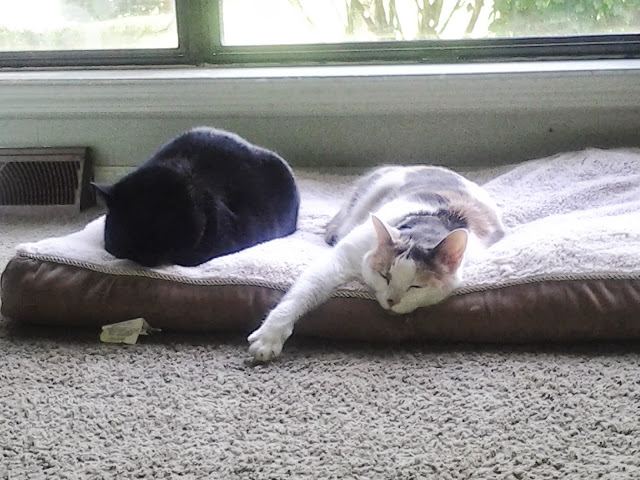
Nor is a cooling mat a replacement for an older dog's supportive bed. It's a supplement. Pip keeps her padded bed, and in February I lay a gel mat over the top of it for the afternoons. Pressure relief and a cool surface at once. Taking away her supportive bed for summer and giving her a flat mat instead would leave her stiff and miserable by autumn.
Choosing without wasting money
Match the mechanism to your climate rather than to the packaging. Dry inland heat and most of southern Australia — Perth, Adelaide, Melbourne, inland NSW — a gel mat performs well. Humid coastal and tropical regions — anywhere from about Rockhampton north, the Top End, and the sticky weeks in Sydney and Brisbane — go with an elevated cot, because airflow is the mechanism that survives humidity. Buy either from Petbarn or a local independent so you can check the frame and fabric in person, and be sceptical of anything claiming to be several degrees cooler without explaining how.
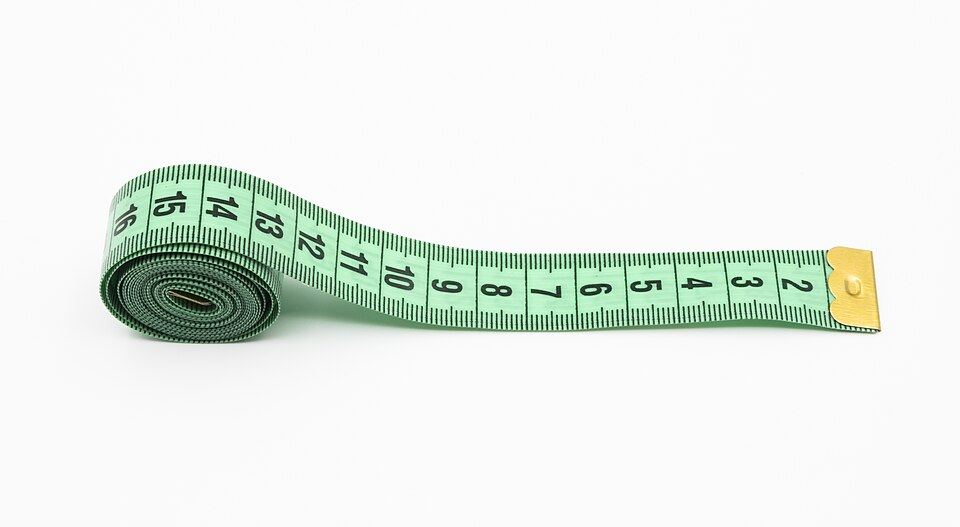
Two practical notes. Size up, because a cooling product only works on the parts of the dog touching it. And check what's inside before you buy if you have a chewer — punctured gel is a miserable cleanup and a vet call if it's swallowed.
If your dog is panting heavily at rest, has bright red or very pale gums, seems wobbly, or won't get up, that's an emergency rather than a shopping decision. Cool them with tepid — never iced — water, get them somewhere with moving air, and call your vet immediately.
The Cairns kelpie was right about the tiles, and I told his owner so. Her money was better spent on a shade sail over the western end of the yard and a walk time moved to six in the morning. Keep the supportive bed, add cooling on top of it rather than instead of it, and remember that nothing you buy replaces shade, water and good judgement. — Tessa, Hobart, where we are currently wearing jumpers in the middle of the conversation.
Frequently Asked Questions
Do cooling mats actually work for dogs in Australia?
In dry heat, yes, they work reasonably well for the first twenty minutes or so before the gel warms to body temperature. In humid coastal and tropical conditions their effect is much weaker, because the air is already saturated and cannot carry heat away from the mat. Elevated mesh cots tend to perform better in humidity.
Can a cooling mat prevent heatstroke?
No. A cooling mat is not a substitute for shade, fresh water, ventilation and sensible walking times, and it will not protect a dog left in a hot car or an unshaded yard. Dogs cool themselves mainly by panting, and flat-faced breeds are at much higher risk. Heavy panting at rest, very red or pale gums, wobbliness or collapse is a veterinary emergency.
Is an elevated dog bed better than a cooling mat?
It depends entirely on your climate. Elevated cots rely on airflow under and around the dog, so they keep working in humid conditions where gel mats struggle. Gel mats suit dry inland and southern heat, and take up less room. Cots are firm and unpadded, so they suit younger, sound dogs better than seniors.
Can I put a cooling mat on top of my dog's existing bed?
Yes, and for older dogs this is the approach I recommend. The bed underneath provides cushioning and helps reduce pressure on bony points, while the mat on top gives a cool surface. A cooling mat is a supplement to a supportive bed, not a replacement for one.
Are gel cooling mats safe if my dog chews them?
No, they are a poor choice for determined chewers. A punctured mat leaks gel, which is unpleasant to clean and can cause an upset stomach if swallowed. For chewers, choose an elevated cot with a tough replaceable mesh, and supervise early use. Call your vet if any gel has been eaten.
Size & Fit Reference
| Size | External (L×W×H) | Internal sleeping area | Suits pets up to | Typical pets |
|---|---|---|---|---|
| S | 43 × 32 × 10 cm | ~36 × 25 cm | 30 cm curled | Kittens, toy breeds, small cats |
| M | 54 × 42 × 11 cm | ~46 × 34 cm | 45 cm curled | Cavoodle, Pug, average cat |
| L | 66 × 50 × 12 cm | ~57 × 41 cm | 55 cm curled | Cocker Spaniel, large cat |
| XL | 80 × 60 × 13 cm | ~70 × 50 cm | 70 cm curled | Kelpie, Border Collie |
| XXL | 95 × 72 × 15 cm | ~84 × 61 cm | 85 cm stretched | Labrador, two small dogs |
| 3XL | 110 × 82 × 15 cm | ~98 × 70 cm | 100 cm stretched | Great Dane, two medium dogs |
Between two sizes, size up. Note that soft polyester fill compresses under weight — for dogs over about 30 kg, a denser foam base will hold its loft far longer than fibre fill.
Looking for beds & mats?
We stock the gear covered in this guide, with Australia-wide shipping and Afterpay at checkout.
Shop Beds & Mats at Paws of Oz