Do Dogs Need a Bed? And How to Choose One They'll Actually Use
Short answer: a dog does not need a bed, but most do better with a spot that is theirs off a hard surface, so choose by sleep style rather than looks. Struggling dogs I see are the ones whose mat sits in a corner nobody visits, not those with the plainest cover, and that is what I notice as a Hobart nurse. You should watch where your dog lies and place it there, since a curler wants a donut and a stretcher wants flat open space bigger than expected.
Let me answer the question in the title before anything else, because most pages about this don't. Strictly speaking, no. A dog does not need a bed the way they need food, water, shelter and a vet when something's wrong. Plenty of dogs in this country sleep on a laundry floor, on the back step, or on the end of someone's bed and live perfectly good lives.
But most dogs do better with one, and for a fairly unglamorous reason: a bed gives them a spot that is theirs, off a hard surface, in a place they choose to return to. That matters more as they get older. I'm a vet nurse and an animal rehabilitation assistant in Hobart, and the dogs I see struggling to get up off tiles in their senior years are the ones I think about when someone asks me this.
Choose by sleep style, not by looks
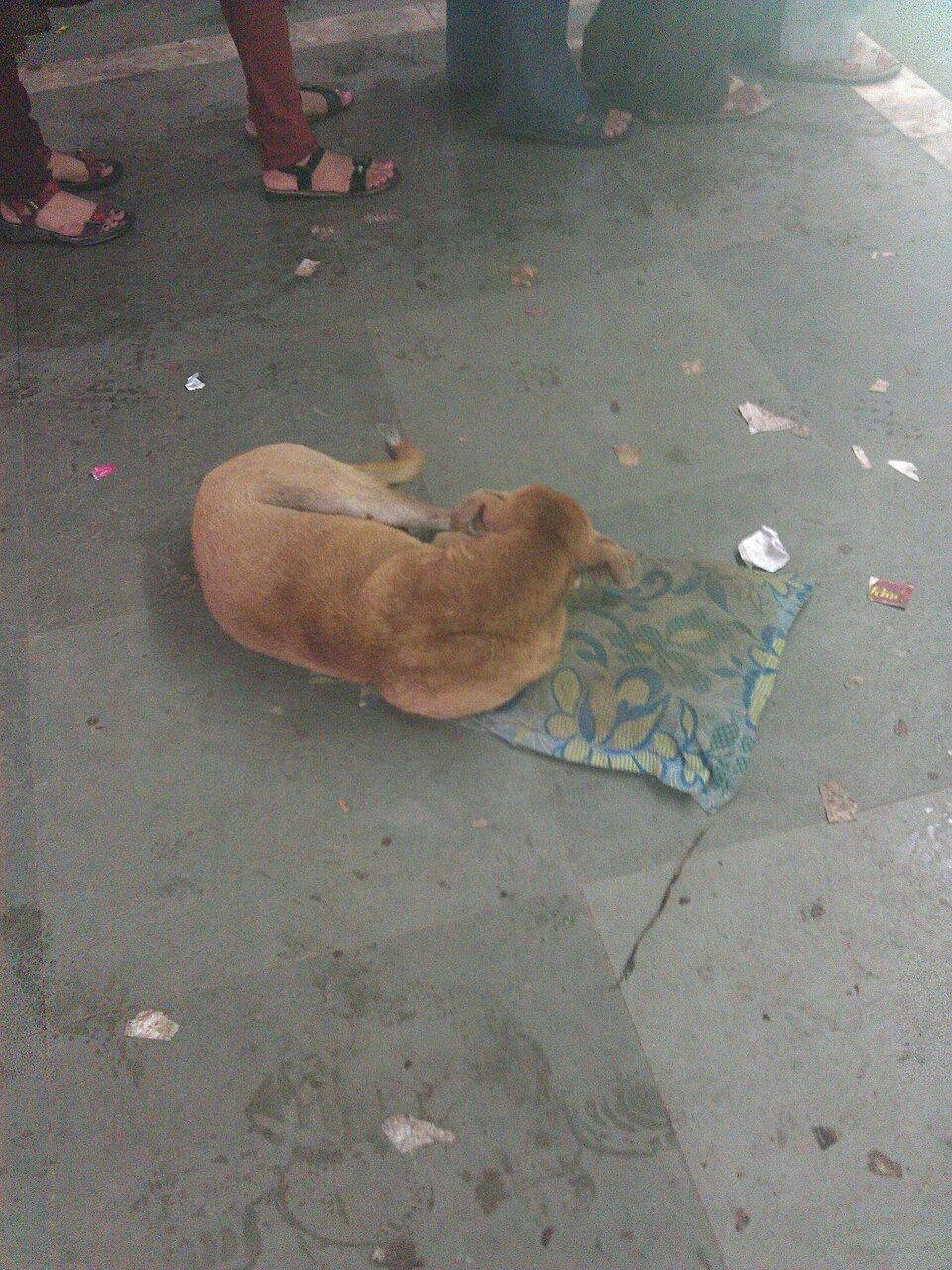
Almost every bed complaint I hear comes down to one mistake: the bed was bought to suit the room rather than the dog. The colour was right, the shape looked nice on the website, and the dog ignores it. So before you look at a single product, spend two days watching how your dog already sleeps. Not how they sleep when you're watching them, but where they end up at three in the afternoon and where they are first thing in the morning.
Roughly, dogs fall into four groups, and plenty of dogs move between two of them depending on the weather.
Curlers: the donut and bolster crowd
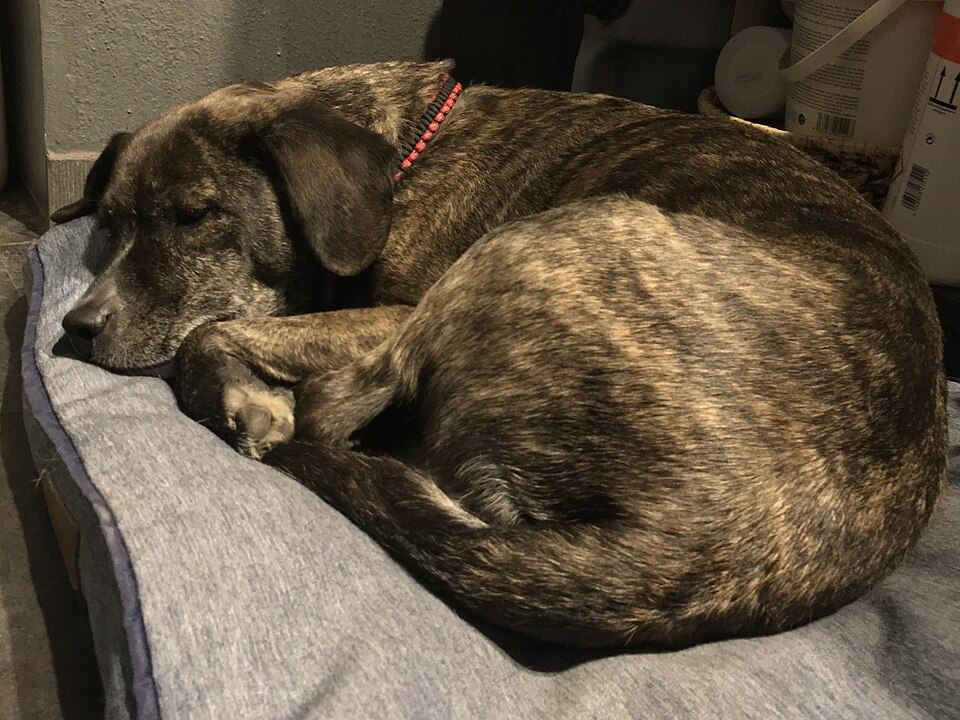
A dog who sleeps tightly curled, nose towards tail, wants something to lean into. That's what a donut bed with a raised rim provides — an edge to press against and a pocket of warmth around them. Pip is a curler for most of the year, and she uses the rim as a pillow constantly.
The catch with this shape is usable space. A raised edge eats into the middle, so a medium donut bed sleeps a much smaller dog than a medium flat mattress does. If your dog curls up, that trade is worth it. If they don't, it isn't.
Stretchers: flat, open, and bigger than you think
The sprawlers — the ones flopped flat on their side with all four legs out, or the ones lying on their back with their paws in the air — need a flat open mattress and no raised edge at all. They also need more bed than their curled-up length suggests, because a 60 cm dog stretched out occupies closer to 80 cm.
This is the group most often sold a donut bed by mistake, and they're the group that ends up sleeping half on and half off it, or on the floor beside it.
Diggers and nest builders: normal behaviour, not a problem
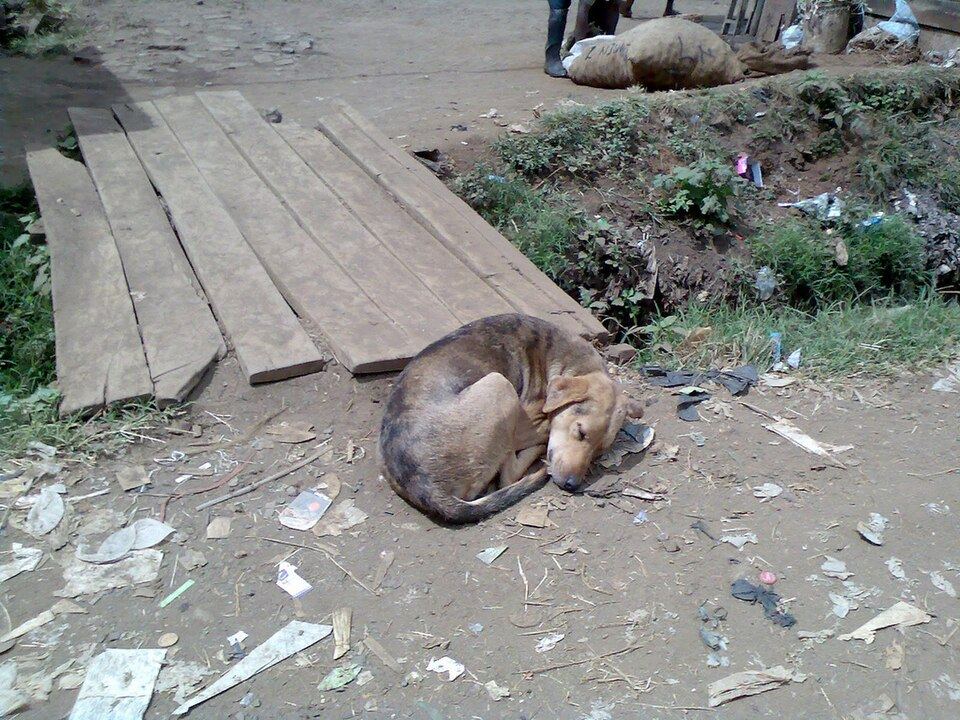
I want to be firm about this one, because I've had owners apologise for it. Digging, circling and scrabbling at a bed before lying down is entirely normal. It's inherited behaviour — turning over grass or leaf litter to make a spot — and it is not a sign your dog is anxious, unsettled or badly behaved. There is nothing to fix.
What you can do is buy for it. A digger needs a bed they can scrabble at without destroying: a cover with some give in it, no loose trim, no decorative fringing, and enough room to circle before they drop. Fabric that pulls threads easily will be shredded within a month. Accept the behaviour and choose accordingly, rather than buying something pretty and being annoyed when it gets rearranged.
- Digging and circling before sleep is entirely normal.
- It is inherited behaviour, not a sign of anxiety.
- Buy a cover with some give and no loose trim to chew.
- Fabric that pulls threads will be shredded within a month.
- Accept the habit and choose the bed to suit it.
Leaners, season, and placement
Then there's the dog who sleeps with their head off the side of something — on the edge of a cushion, against the arm of the lounge, against your leg. Those are the leaners, and for them a sofa-style bed with a low bolster on one or two sides is usually the winner. The raised edge becomes a headrest rather than a wall.
Season matters more in Australia than a lot of imported advice suggests. A deep, heavily padded, fully enclosed bed is a winter bed across most of the southern states, and it's a genuinely bad choice for a Brisbane or Darwin summer. Plenty of households end up with two: something padded and enclosed for the cold months, something flat and breathable for the rest of the year. Have a look at where you live and when, rather than assuming one bed covers all twelve months.
Put it where they already are
The final piece is placement, and it's the one people skip. Put the bed where the dog already sleeps. Not where you'd like them to sleep, not in the corner that needs filling, but on the patch of floor they've already chosen. Once they're using it regularly you can move it a metre at a time towards where you'd prefer it. Start it in the wrong room and you'll be donating it to the op shop in six weeks.
One last note, and it's the one that matters clinically. If an older dog suddenly changes where they sleep or how they settle — pacing at night, moving to a hard floor when they've always liked soft, struggling to get comfortable — that's a vet appointment. Changes in sleep habits in a senior dog often have a physical cause, and no bed is going to sort that out.
I've bought more beds than I'd care to admit between a fussy greyhound and two rescue cats who prefer cardboard boxes, and every single one I got right started with two days of watching rather than five minutes of shopping. That's genuinely all there is to it. — Tessa, Hobart, where Pip is currently asleep in the sun on a bed I bought for the cats.
Frequently Asked Questions
Do dogs actually need a bed?
Not strictly, in the way they need food, shelter and veterinary care. Most dogs still benefit from a designated spot that is theirs and off a hard floor, and the benefit grows as they age. A dog who sleeps happily anywhere is telling you the bed isn't urgent.
How do I choose a dog bed my dog will use?
Watch how they already sleep for a couple of days and match the shape to that. Curlers suit a donut or bolster with a raised rim, stretchers need a flat open mattress sized to their stretched length, leaners like a low edge to rest their head on, and diggers need fabric they can scrabble at without shredding.
Why does my dog dig and circle the bed before lying down?
It's normal inherited nest-building behaviour, not a sign of anxiety or a problem to correct. Choose a bed with a durable, slightly forgiving cover and room to circle, and expect it to be rearranged every time. There is nothing to train out of them.
Should I size a bed to my dog curled up or stretched out?
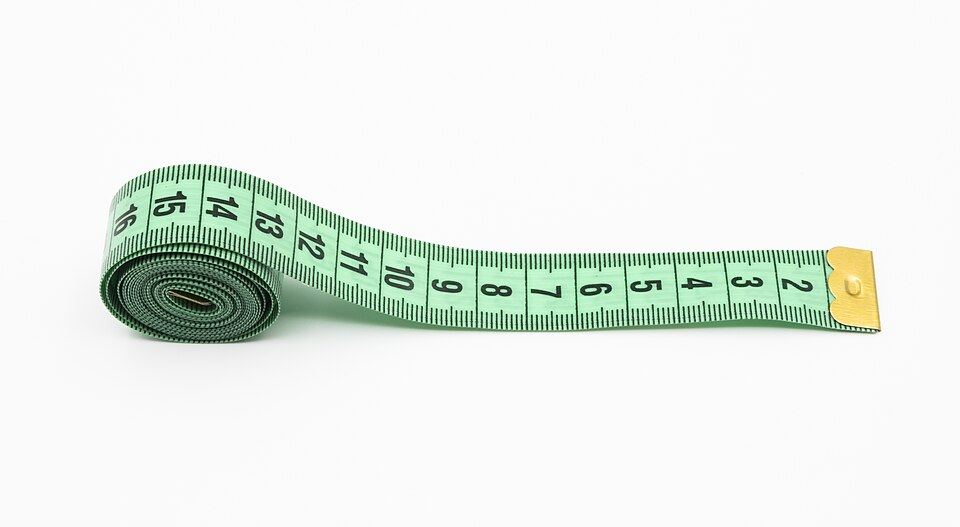
Stretched out, from nose to base of tail, plus 10 to 15 cm. A curled dog occupies far less room than a sprawled one, and a bed sized to the curled measurement is the most common reason a dog sleeps half off the edge.
Should my dog have a summer bed and a winter bed?
In much of Australia, yes. A deep padded enclosed bed suits southern winters but holds too much heat in a Queensland or northern summer. Many households keep one padded bed and one flat breathable one and swap them with the season.
Size & Fit Reference
| Size | External (L×W×H) | Internal sleeping area | Suits pets up to | Typical pets |
|---|---|---|---|---|
| S | 43 × 32 × 10 cm | ~36 × 25 cm | 30 cm curled | Kittens, toy breeds, small cats |
| M | 54 × 42 × 11 cm | ~46 × 34 cm | 45 cm curled | Cavoodle, Pug, average cat |
| L | 66 × 50 × 12 cm | ~57 × 41 cm | 55 cm curled | Cocker Spaniel, large cat |
| XL | 80 × 60 × 13 cm | ~70 × 50 cm | 70 cm curled | Kelpie, Border Collie |
| XXL | 95 × 72 × 15 cm | ~84 × 61 cm | 85 cm stretched | Labrador, two small dogs |
| 3XL | 110 × 82 × 15 cm | ~98 × 70 cm | 100 cm stretched | Great Dane, two medium dogs |
Between two sizes, size up. Note that soft polyester fill compresses under weight — for dogs over about 30 kg, a denser foam base will hold its loft far longer than fibre fill.
Looking for beds & mats?
We stock the gear covered in this guide, with Australia-wide shipping and Afterpay at checkout.
Popular in this range: self-cooling pet mat
Shop Beds & Mats at Paws of Oz