Window Perches for Senior Cats: Joint-Friendly Heights and Access
Short answer: older cats keep their window on modest heights, a stepped route up, a platform that does not wobble and a warm spot that is not a punishment to lie on. In my work as a vet nurse I see plenty of cats written off as grumpy in old age who were simply avoiding a jump that hurt. A perch set up with ageing joints in mind often brings the window watching straight back.
Why height matters less than access
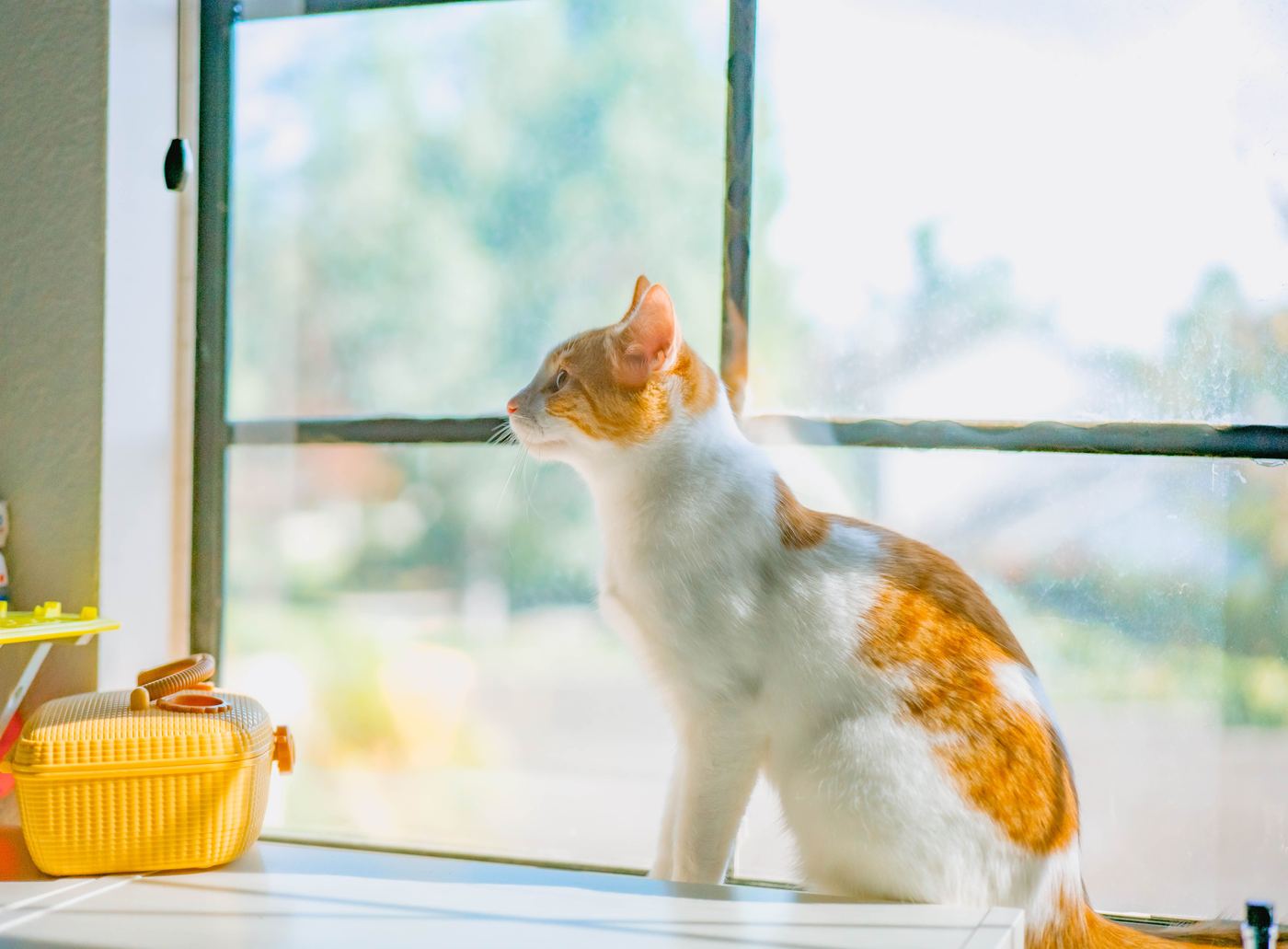
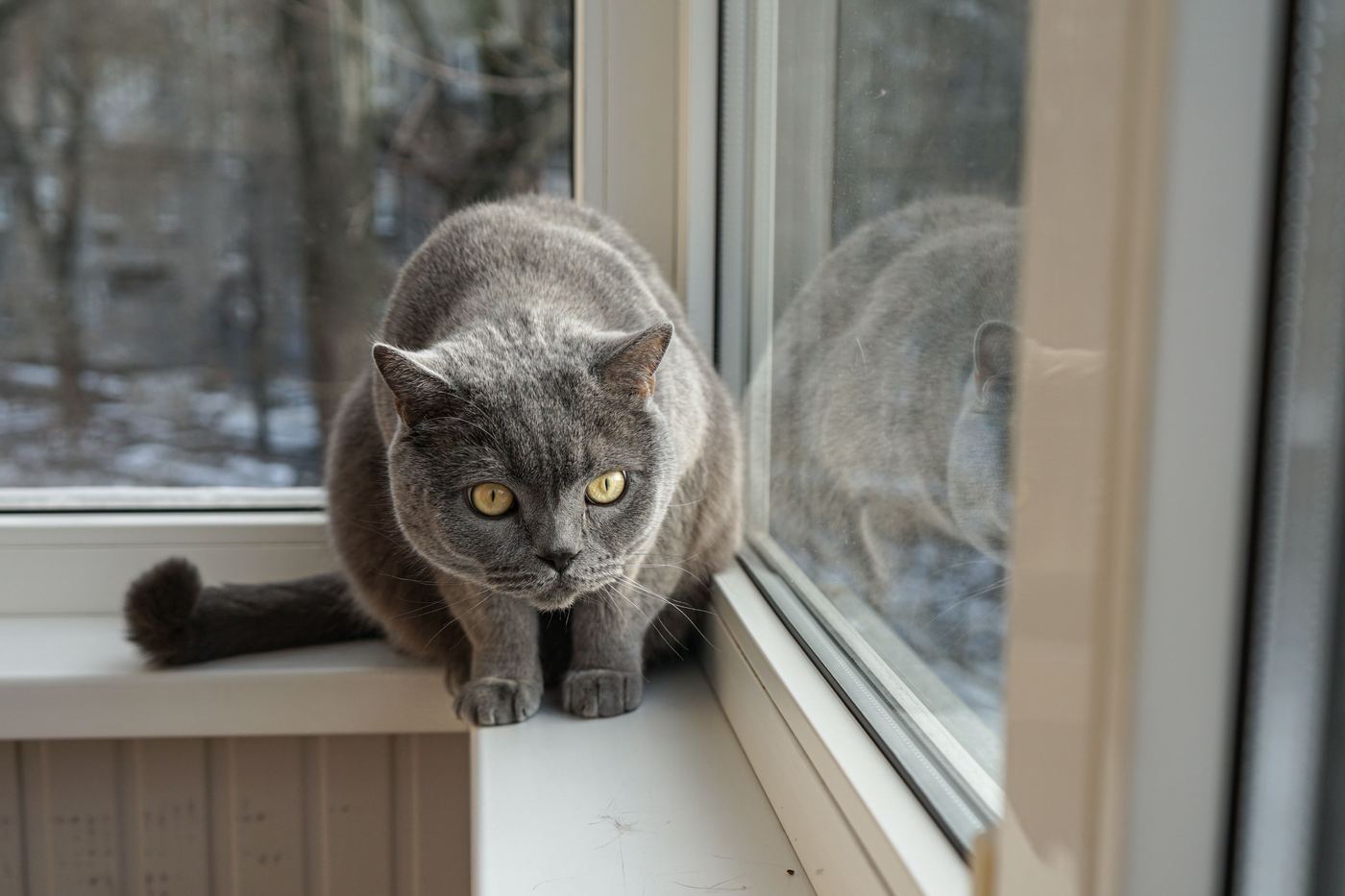
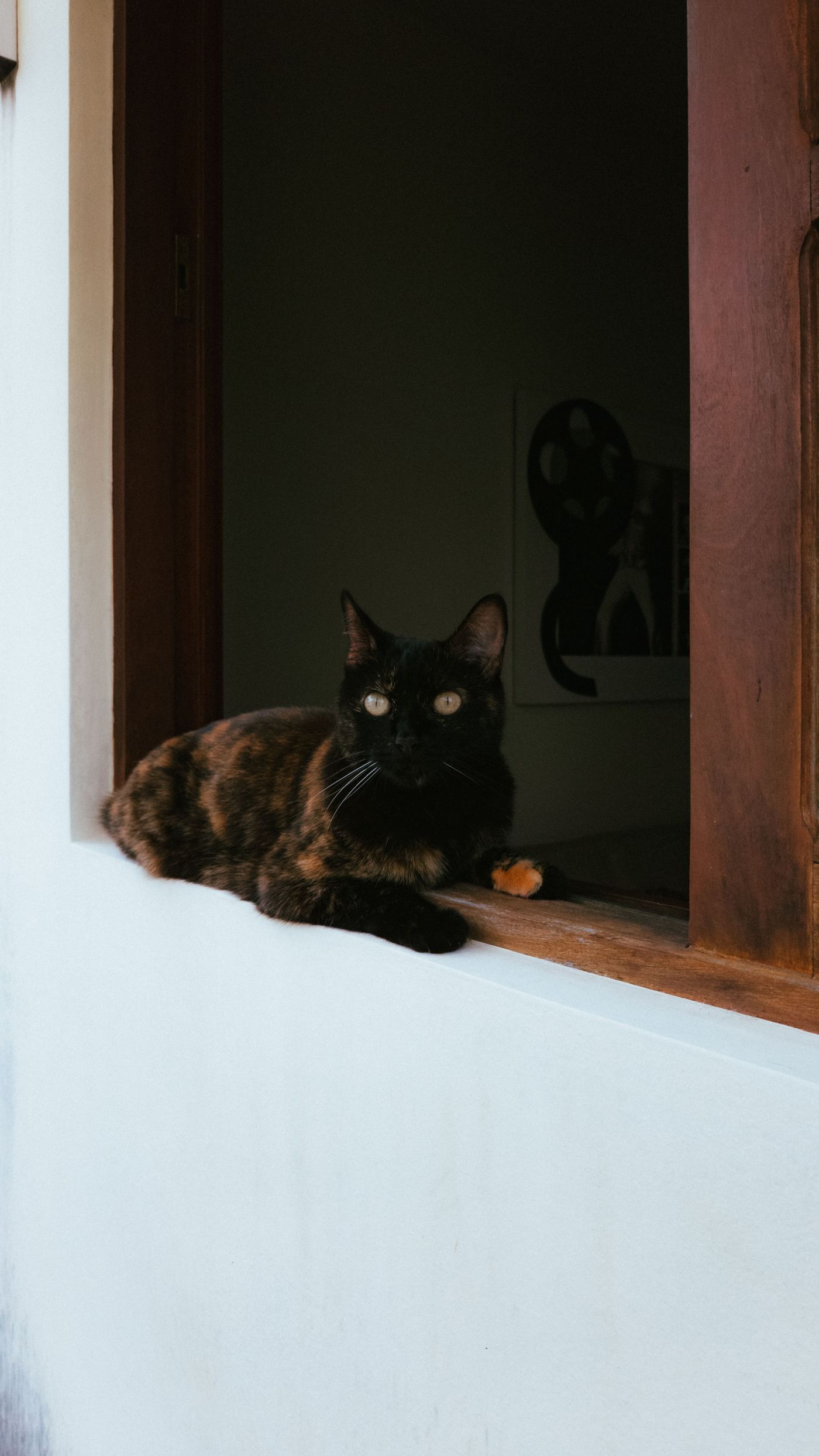
Cats with sore hips or elbows don't stop wanting height; they stop wanting the jump. A perch at 60 to 90 cm with a chair or low step beside it is far kinder than a lofty hammock at 1.4 metres, and the view is usually just as good. What matters is that every leg of the journey, floor to step, step to perch, involves small, controlled movements rather than one big launch.
Watch how your cat currently reaches the windowsill. If she hesitates, takes a running start, or has stopped using a spot she once loved, that's your cue to rebuild the route rather than retire the window.
Choosing the right height and route
For most seniors I'd start the perch around sill height, 55 to 70 cm, and let the furniture do the climbing. A sofa arm beside the window, a sturdy ottoman, or a proper pet step each break the climb into stages. Two gentle rises beat one steep one every time, and the cat who can choose her own pace will use the spot far more.
| Cat's mobility | Suggested perch height | Access route | Watch for |
|---|---|---|---|
| Active senior, no visible stiffness | 70 cm to 1 m | One low step or sofa arm | Hesitation after landing |
| Mild stiffness, slower on stairs | 55 to 70 cm | Sofa or ottoman beside the window | Pausing mid-climb, tucked hind legs |
| Noticeable arthritis, vet-managed | 45 to 60 cm | Pet steps plus a wide, padded platform | Avoiding the spot, calling out |
| Frail or recovering from surgery | At or below sill height | Ramp or ground-level window seat | Any wobble on the platform |
Stability, surfaces and warmth
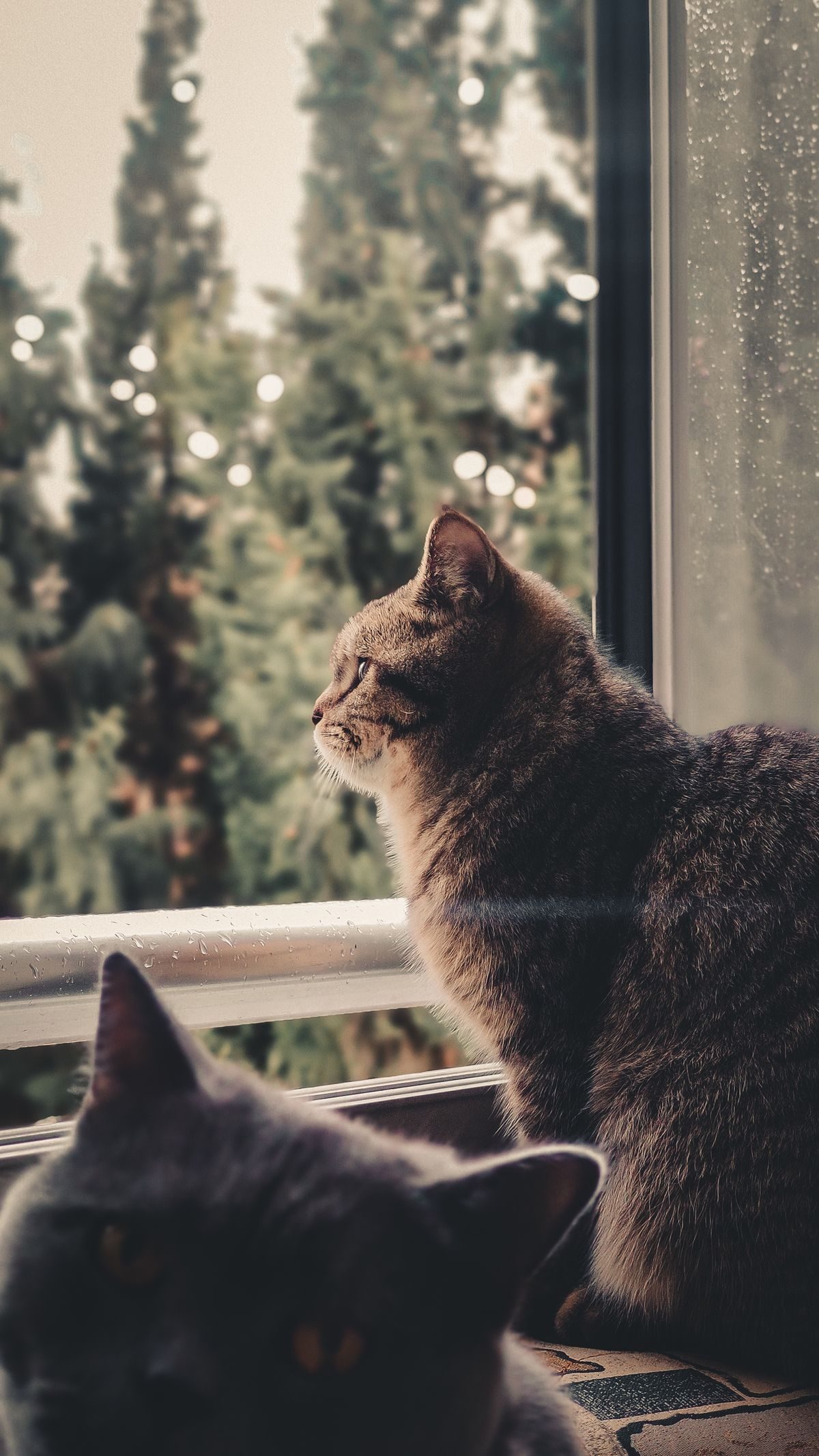
A wobbling platform is the fastest way to lose an older cat's trust. Suction hammocks are fine if the cups are impeccable, but for a senior I lean towards rigid frame designs, or a padded board perch braced on the sill, because there's no give when the cat shifts her weight. The surface should grip: a plush or fleecy cover gives arthritic paws something to hold, while slick mesh asks for a landing she may not have in her.
Warmth is part of comfort too. A winter sun patch is lovely, but cold glass saps heat from an old body overnight, so a removable fleecy pad that you can wash and re-fit earns its keep. Hobart winters taught me that one quickly.
Simple changes that make the climb easier
None of these cost much, and together they can transform a senior cat's day:
- Place a non-slip runner between the floor and the first step-up, especially on boards or tiles
- Choose a perch with raised sides or a bolster, so she can lean rather than balance
- Keep the route away from the dog's thoroughfare and the hallway traffic
- Re-press and hand-test suction cups weekly; a senior cat falling is worse than a young one falling
- Add a second, lower window option, so she's never forced into the high spot
Know when to ask your vet
I need to be clear about the line here: I'm a vet nurse, not a vet, and this isn't veterinary advice. Reluctance to jump, stiffness after sleeps, litter tray changes or a cat who stops using beloved high spots can all point to arthritis or other conditions that respond well to proper management, and there are genuinely effective treatments now. If your older cat's behaviour around climbing has changed, book a check-up with your vet and take a phone video of her struggling; it's the most useful thing you can bring. Then set up the perch to meet her where she is. With the right height, grip and warmth, most seniors keep their window for years yet.
Frequently Asked Questions
What's the best perch style for a cat with arthritis?
A rigid-frame or sill-braced perch with a padded, grippy cover, mounted low and reached via furniture or pet steps. Avoid tall suction hammocks that bounce, and avoid deep-sided designs she has to clamber over. The easier the entry, the more she'll use it, and the safer every landing will be.
How can I tell if my senior cat finds the jump painful?
Look for hesitation before jumping, a running start at jumps she once hopped, reluctance to use high spots, or stiffness when she first rises. Cats hide pain well, so changes in habit matter more than limping. If you're seeing any of these, it's worth a vet check before assuming she's just fussy.
Are suction-cup perches safe for older cats?
They can be, if the cups are applied to clean, smooth glass and checked weekly, because an older cat falling carries more risk than a sprightly young one. Many owners of seniors prefer rigid or sill-mounted designs purely for the lack of give. Whichever you choose, hand-press the platform firmly before every session.
Do senior cats still enjoy watching windows?
Very much so. Window watching is low-effort enrichment, which suits an older cat perfectly, and familiar birds and routines seem to settle them. Many owners report their seniors sleep better once a comfortable window spot returns. Keep the view interesting with a bird feeder visible outside if you can.
Should I move the perch in winter?
Often, yes. A north-facing window that catches winter sun becomes the prime spot from June to August, and moving the perch there is kinder than watching her sit somewhere draughty. Just avoid glass that turns into a fridge overnight, and add a washable fleecy pad so the platform holds her body heat.
Looking for cat window perches?
We stock the gear covered in this guide, with Australia-wide shipping and Afterpay at checkout.
Shop Window Perches at Paws of Oz