A Month of Watching: How a Window Perch Built Our Kitten's Confidence
Short answer: one month on a window perch did more for our shy rescue kitten than anything else we bought her. Miso spent her first week behind the sofa, surfacing only at night. We put a small no-drill hammock on the lounge room window, low and stable, and made no demands about it. Thirty days later she was perched for hours a day, chattering at butcher birds, and greeting us at the door. Here's how that month actually unfolded, week by week.
Week one: the perch she pretended wasn't there
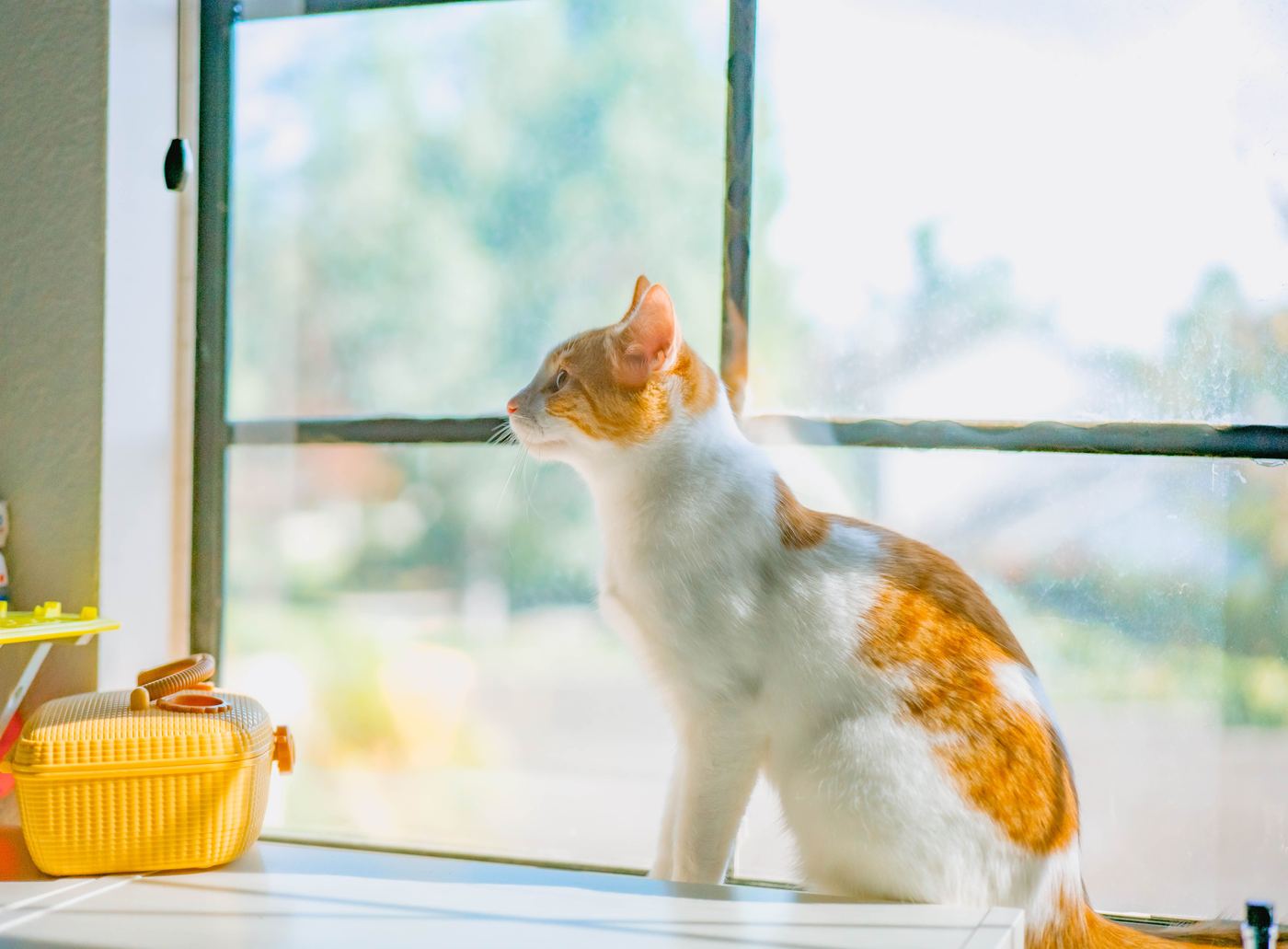
We fitted the hammock on day two, well before she was ready to use it. That was the point. A shy kitten needs to watch new objects from a distance before she'll consider them. She gave it wide berth, inspected it once at 2am when she thought nobody was looking, and otherwise ignored it completely.
We put a treat on the edge once a day and walked away. No lifting her onto it, no luring with the whole treat bag. By the end of the week she was eating those treats and sitting on the sill beside it, which is exactly the halfway point a nervous kitten needs to reach on her own terms.
The moment the bird chatter started
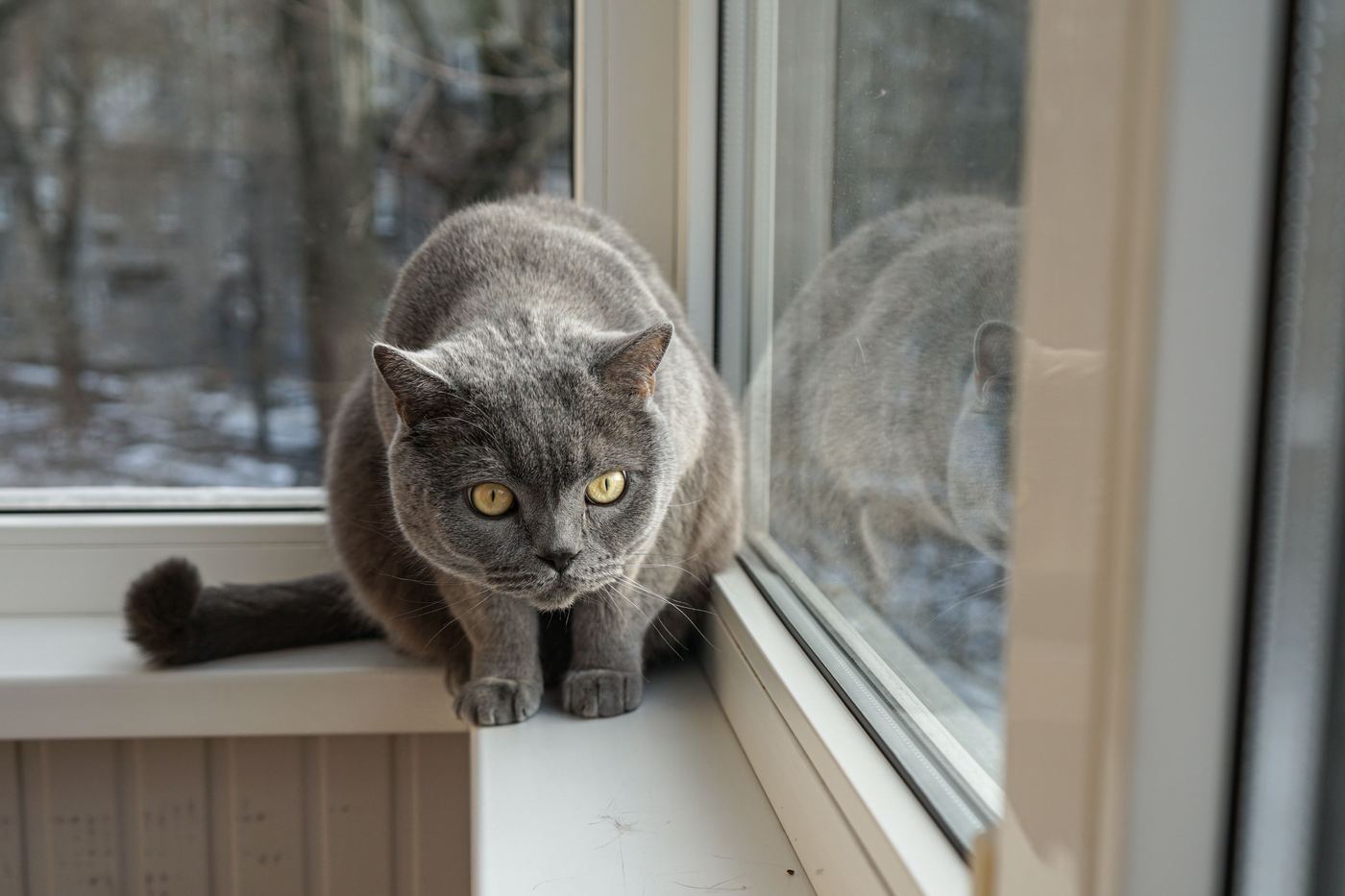
Day eleven, a willy wagtail landed on the balcony rail and something switched on. Miso went rigid, then poured herself onto the hammock in one motion, and produced her first proper hunting chatter. That sound is a gift from a shy kitten. It means the prey drive is online and the window has become television.
From that day she used the perch unprompted, mostly in the mornings when the birds were busy. The perch gave her a front row seat with an escape route behind her, and that combination, sightline plus safety, is what confidence is built from.
Skills she picked up by month's end
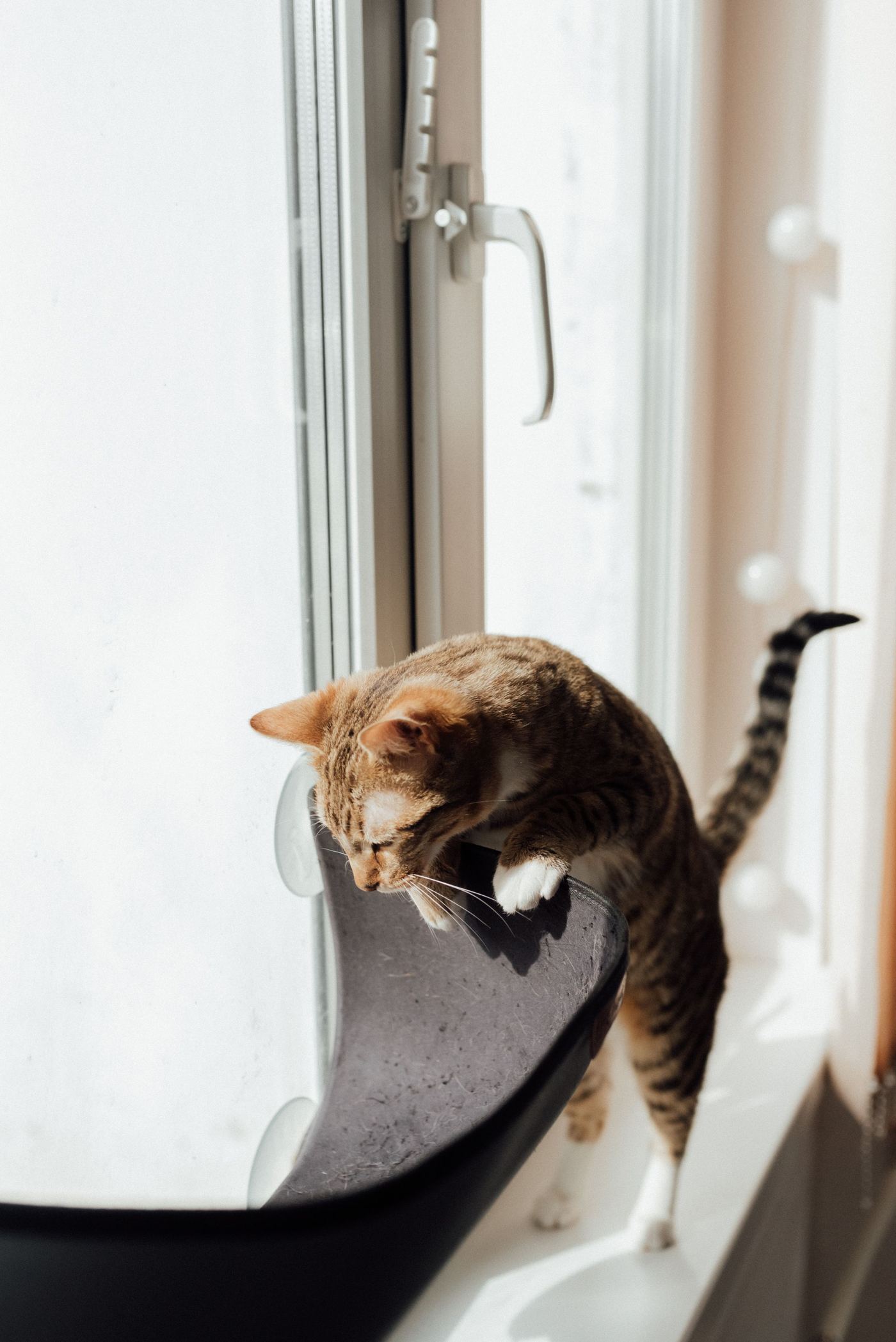
Watching a kitten learn on a perch is oddly moving. In four weeks she gained:
- Jump accuracy, from floor to hammock without misjudging the frame
- A proper sit-and-stare, the posture that precedes every good pounce
- Tolerance of the vacuum, which no longer sent her under the sofa because her spot was up high
- Confidence with Wally, our Cavoodle, because she could watch him from above instead of fleeing
Height is the quiet ingredient in all of this. Cats de-escalate by going up. A kitten who can watch the dog from the window instead of meeting him head-on learns that he's boring, and boring is the best thing a puppy can be.
Setting it up safely for a small cat
Kittens weigh little, but they launch themselves with no respect for physics, so stability matters more than weight rating. We pressed the cups on properly, tested the platform with a firm hand, and kept the perch low, around 70 cm, with the sofa beside it as a halfway step. A fall early on would have set her back weeks. If you're fitting your own, the installation guide in our cat window perch section walks through getting the suction right.
| Week | What happened | Confidence sign |
|---|---|---|
| Week 1 | Ignored the perch, ate edge treats, sat on the sill | Investigated it alone at night |
| Week 2 | First full climb up, brief sits of a minute or two | Stayed put when we walked past |
| Week 3 | First bird chatter, morning sessions became routine | Chose the perch over the sofa |
| Week 4 | Long daily sessions, watched the dog from above | Greeted us at the door again |
If your kitten ignores the perch
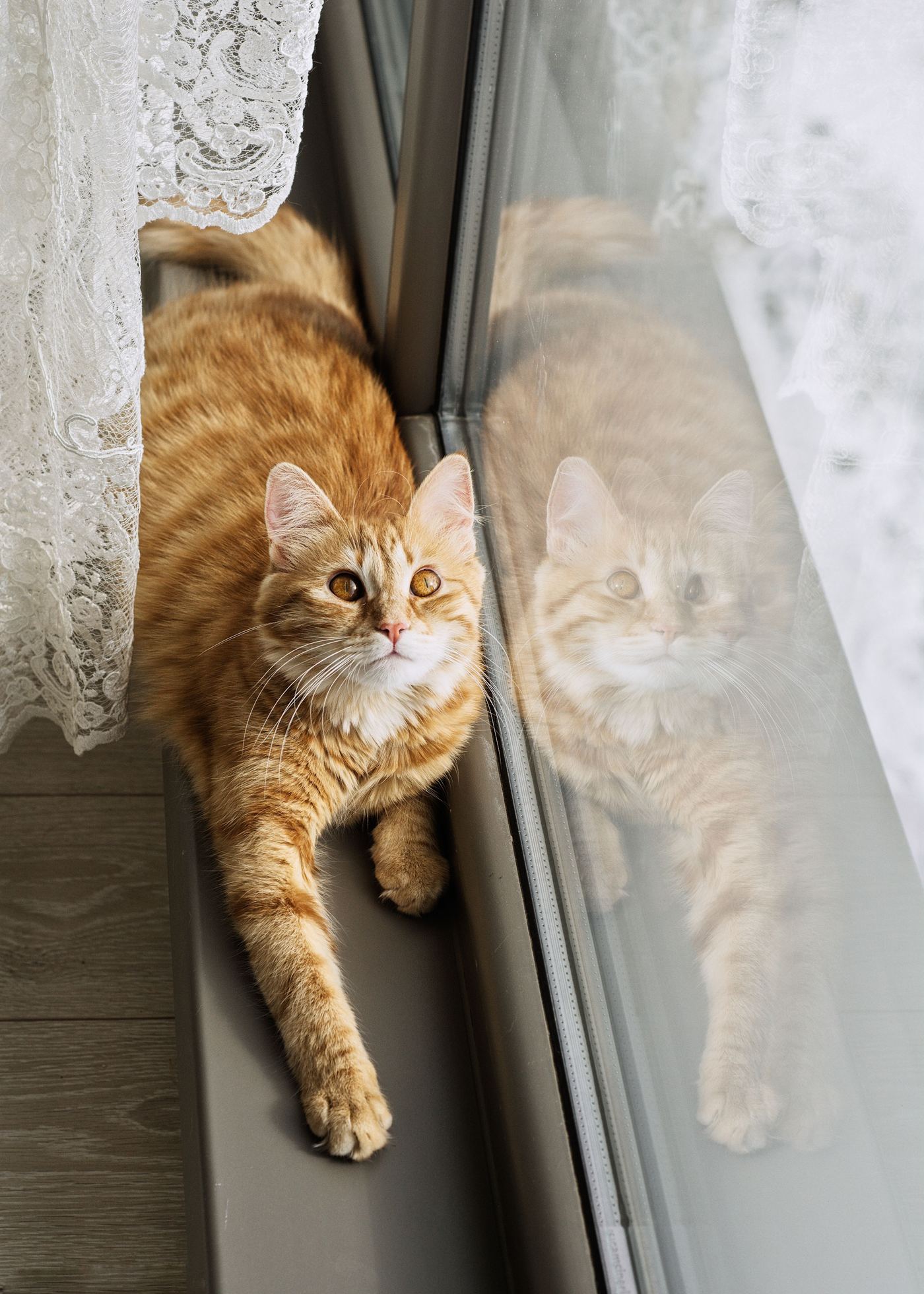
Don't move it yet and don't lift her onto it. Sit near it yourself, put a treat trail leading to it, and let boredom do the work. If two weeks pass with zero interest, move the perch one metre to a busier window, because sometimes the view is the problem. And if your kitten seems frightened rather than merely cautious, or hides for most of the day weeks after arriving, mention it at your next vet visit; some kittens need a slower settling plan than others. Most, though, just need a safe window, a stable platform and a little time. Miso needed all three, and the perch was the cheapest confidence-builder we ever bought her.
Frequently Asked Questions
What's the right perch height for a young kitten?
Low and stable beats tall and impressive. Somewhere around 60 to 80 cm, beside a sofa or chair that acts as a halfway step, lets a small kitten climb up and down safely. Avoid installing over hard floors if you can, and never above anything she could fall onto awkwardly, like a table edge.
How long does it take a shy kitten to use a new perch?
Anywhere from a few days to a fortnight if you let the kitten set the pace. Leaving treats on the edge, sitting nearby and never lifting her onto it speeds things up. Forcing it does the opposite. Our kitten took about ten days to her first proper sit, and that's a fairly normal curve.
Are window perches safe for kittens who chew?
Check the straps and cords daily in a chewy phase, and pick a design with short fabric loops rather than long hanging cords. Most kittens grow out of it, but while teething they can chew through straps surprisingly fast. If yours is a dedicated chewer, swap to a rigid-frame perch until the phase passes.
Will a perch help a kitten who hides a lot?
Often, yes, because a high vantage point lets a nervous cat watch the household without being in it. It's not a cure-all. If hiding continues for weeks, gets worse, or comes with not eating properly, treat it as a vet conversation rather than a furniture problem. But for everyday shyness, a good window spot genuinely helps.
Should I get two perches for a kitten and an older cat?
If budget allows, yes. Two spots at different heights stop the kitten from ambushing the older cat's favourite seat, and each learns the other has their own place. If you can only afford one, put it where the older cat already likes to sit and add a cheap cushion alternative for the kitten nearby.
Looking for cat window perches?
We stock the gear covered in this guide, with Australia-wide shipping and Afterpay at checkout.
Shop Window Perches at Paws of Oz