Sun, Glass and Heat: What a Window Spot Means for a Cat
Short answer: a warm window perch is popular for good reason, and the same patch of glass can run uncomfortably hot through an Australian summer. Sun heats the glass, the platform and the fabric, and some designs hold that heat in. Cats usually move on when they are done, but a good setup still offers shade and an easy exit.
By eleven on a February morning the west-facing window in our clinic waiting room is empty, and the resident cat has stretched out on the vinyl near the door instead. Clients ask whether her window perch is somehow bad for her, and the honest answer is that the perch is fine while the setup around it is doing all the work. A cat with one hot option and no alternative has no say in the matter. A cat with a shaded second spot uses both, and the sunny one in its proper season. Most of what I tell owners comes down to that: keep the choice open, and learn the few summer signs that say the spot needs a break.
Why cats chase the warm glass
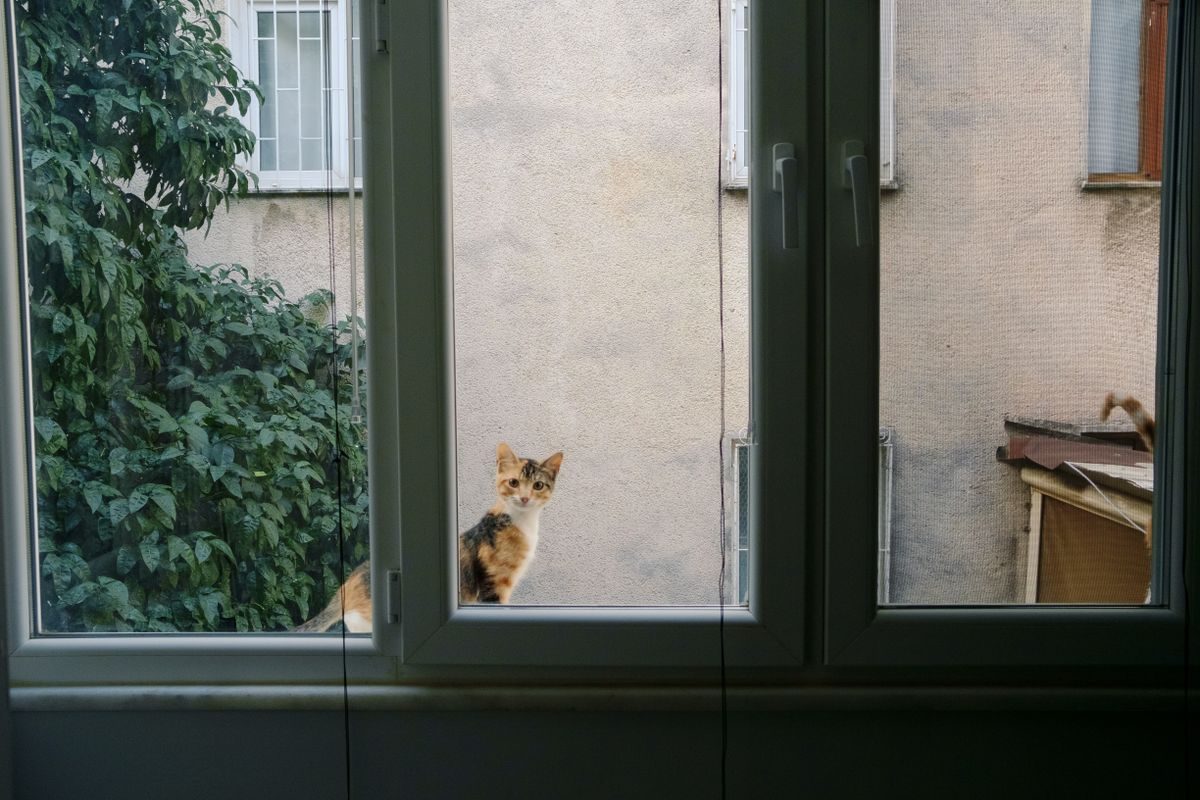
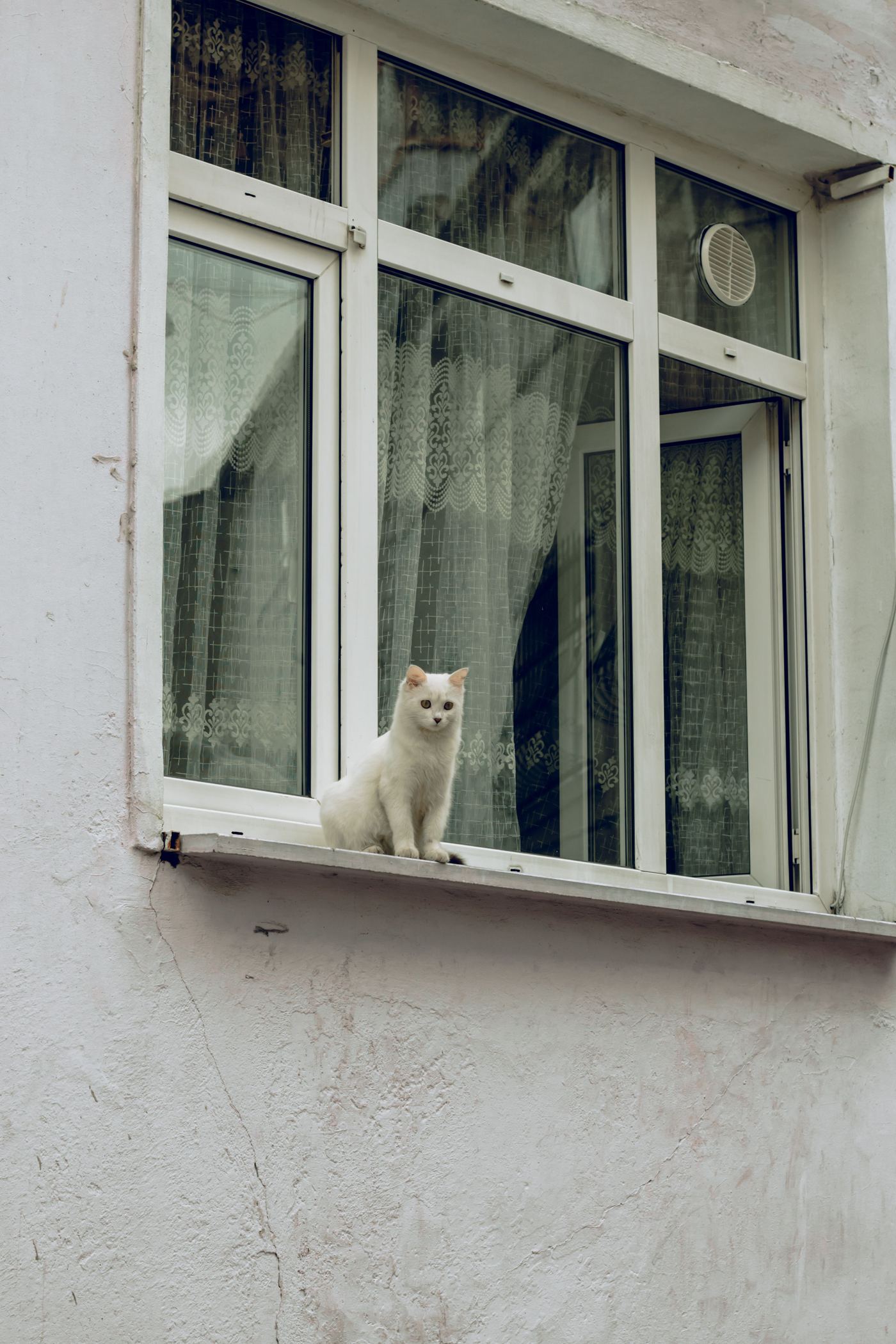
Basking is one of the most normal things a cat does. Warmth is comfortable, and a lean cat or an older cat especially will seek out a warm surface to rest on. A window perch stacks comfort on top of interest: the same spot that holds the afternoon sun also holds the birds, the street and the neighbour's dog, all at nose height. In rehab sessions I see how much a calm, warm rest spot matters to a cat working through an injury, though any specific recovery plan belongs with your vet. The perch itself is rarely the problem. What varies from house to house is how much heat the window gathers, how long it holds it, and what the cat can do when she has had enough.
How glass changes the heat
Sunlight passes through glass and warms what is inside, and that warmth does not escape as easily as it arrived. Anyone who has opened a parked car knows the effect. A window with a north or west aspect in Australia collects heat for hours, and the sill, the frame and the platform can stay hot well after the sun has moved off the glass. Single glazing in an older home heats and cools faster than double glazing, so the same perch behaves differently in two houses on the same street. The practical test costs nothing: press your palm on the glass, the sill and the fabric at the hottest part of the day. If any of them is too hot for your hand, it is too hot for a cat that cannot step away quickly.

Fabric, colour and enclosed designs
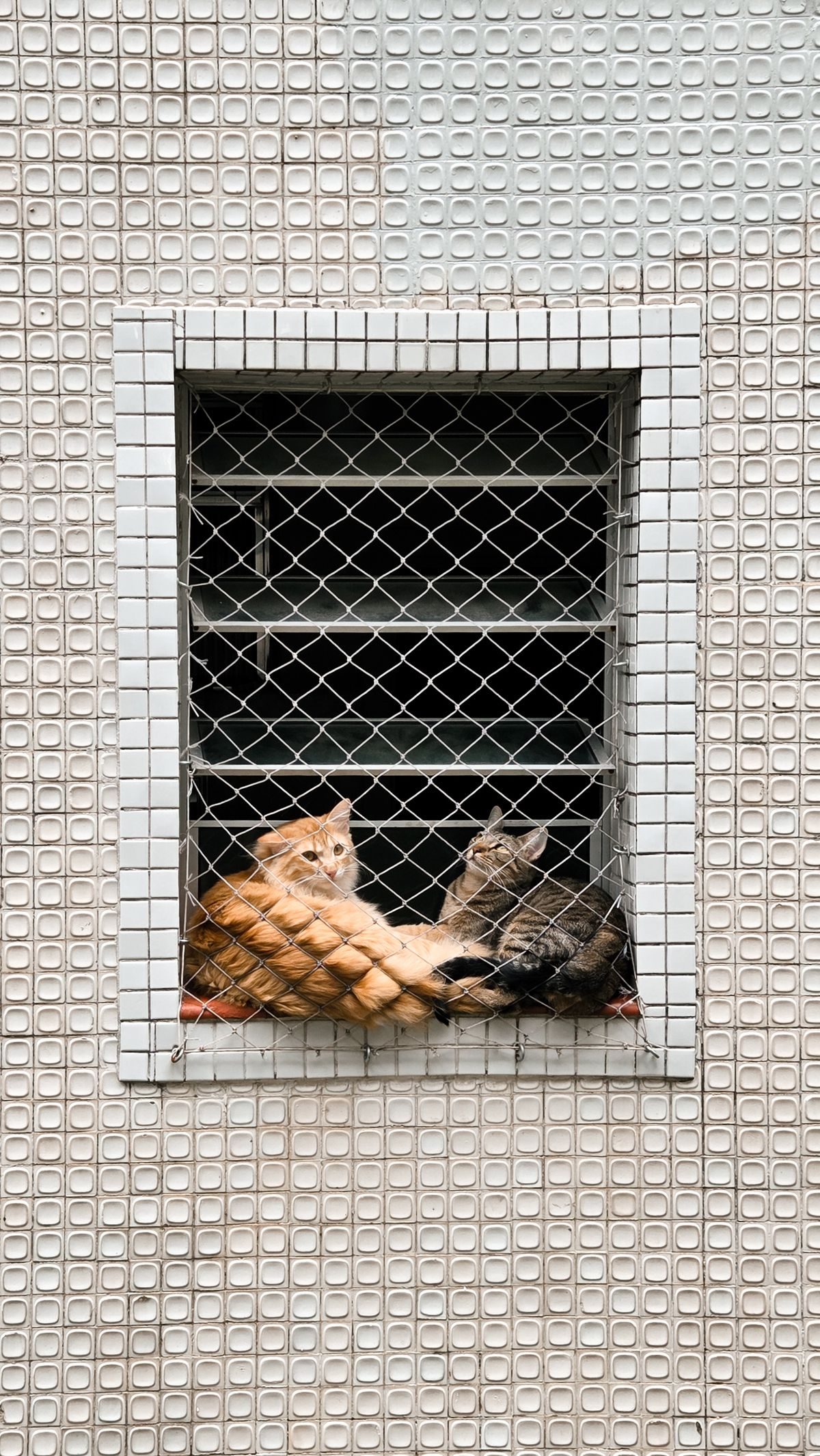
Not every perch handles a hot window the same way. Dark fabric in direct sun runs noticeably hotter than a light-coloured cover over the same frame, and a metal frame left in the beam can be uncomfortable to touch by mid-afternoon. Enclosed cave-style perches are the ones I flag most often in summer: they are cosy in winter, and in summer they hold warm air around the cat with no draught and no easy exit. A hammock that sits close to the glass has the same issue in miniature, because the trapped gap between fabric and pane gets no airflow at all. Through the hotter months I would rather see an open platform with a light cover, positioned so part of it sits outside the sun's path.
- Offer a shaded second spot so the sunny perch is a choice, not the only option.
- Test glass, sill and fabric with your palm at the hottest hour.
- Dark fabric in direct sun runs hot; lighter covers stay kinder.
- A cat that abandons the spot by mid-morning is telling you something.
- Anything about your own cat that worries you belongs with your vet.
Signs the spot needs a break
Cats are honest about heat. The change I notice first in summer is a shift of timetable rather than anything dramatic: the cat who used the perch all day in spring is off it by ten, stretched flat on the tiles or the floorboards, and she drifts back in the evening once the glass cools. Choosing cool floors over the favourite spot, favouring shaded rooms, and waiting out the afternoon are all plain observations you can act on without interpreting anything. Move the perch, lower a blind, and see whether the old timetable returns. What you should not do is work through a list of symptoms on your own. If your cat ever seems off colour after a hot stretch, that conversation belongs with your vet, not with a blog post.
Setting up shade and choice
The simplest fix is a second option. A second perch on a shaded wall, a cat tree in the next room, or access to a cool bathroom floor all work, as long as the cat can move there without being picked up and carried. Sheer curtains soften direct sun while keeping the view, and a blind lowered partway gives the cat a strip of shade on the same platform. Position matters too: a perch mounted on the shaded side of the same window frame often keeps the view and loses the worst of the beam. If you are choosing a perch with summer in mind, our cat window perches category is a fair place to compare open platforms against enclosed pods. Fresh water near the resting spots rounds the setup out.
| The spot | What tends to happen | What helps |
|---|---|---|
| North-facing window, sun most of the day | The warmest, longest-baking spot in most homes | Perch on the frame edge plus a shaded option nearby |
| West-facing window, hot late afternoons | Heat peaks late, well before the evening cool | Sheer curtain or blind lowered from mid-afternoon |
| Dark fabric in direct sun | The surface runs hot to the touch | Lighter cover, or shift the perch out of the beam |
| Enclosed cave perch on a sunny sill | Warm air holds inside with little airflow | An open platform through the hotter months |
| Older single glazing | Glass heats fast and cools fast | A palm test on glass and fabric before peak hour |
A simple summer routine
None of this needs to become a project. On a hot morning, put your palm on the glass, the sill and the fabric before the cat settles in, and adjust the blind if any of it is more than comfortably warm. Watch which spot she chooses by mid-morning, because her choice tells you more than my advice does. Note roughly when the sun leaves the glass each season; in Hobart that time shifts a lot between December and April. Refill the water, close the curtain on the hottest afternoons, and let the perch be the winter favourite it deserves to be. A window spot managed this way gives a cat the best of it: the sun when it is kind, and a way out when it is not.

Frequently Asked Questions
Is a sunny window perch bad for my cat?
Generally no. Basking is normal, comfortable behaviour, and a window spot adds birds and street life on top of the warmth. The risks are setup risks: a spot that heats beyond comfortable, or a design with no shaded escape. Manage the heat and offer a second option, and the perch does exactly what it is loved for.
Do cats know when they have had enough sun?
Most do, and they are better at leaving a warm spot than we assume. The trouble starts when the perch is the only option, or when the design holds heat around the cat, such as an enclosed pod or a hammock flat against hot glass. Keep an exit open and check the surfaces yourself. If something about your cat concerns you, ask your vet.
Does window film or tinting make a difference?
It can. Film or tint generally cuts how much heat passes through the glass. Results vary a lot with the product and the window, so treat it as one tool rather than a full fix, and still keep a shaded option for the cat. If you rent, check with your landlord before fitting anything permanent.
Which windows get hottest in an Australian home?
North-facing glass collects sun across most of the day, and west-facing glass takes the hardest heat in the late afternoon. East-facing windows warm quickly in the morning and ease off, and south-facing spots stay the coolest through summer. The same house often offers all four, which is why a shaded second spot works so well.
Should I take the perch down over summer?
Only if the room traps heat and no shade fix works, which is rare. In most homes the perch earns its keep all year with small adjustments: a blind lowered in the afternoon, a lighter cover, the perch nudged out of the direct beam. If she keeps using the spot comfortably, there is no reason to pack it away.
Looking for cat window perches?
We stock the gear covered in this guide, with Australia-wide shipping and Afterpay at checkout.
Shop Window Perches at Paws of Oz