Perch Hierarchy in Multi-Cat Homes: A Spot for Everyone
Short answer: cats treat a window perch as territory, not furniture. In a multi-cat home the best spot gets sorted, guarded and traded according to each cat's confidence. Give every cat a spot of their own, spread them across rooms, and watch for quiet blocking: that is the difference between a shared hobby and a standing fight.
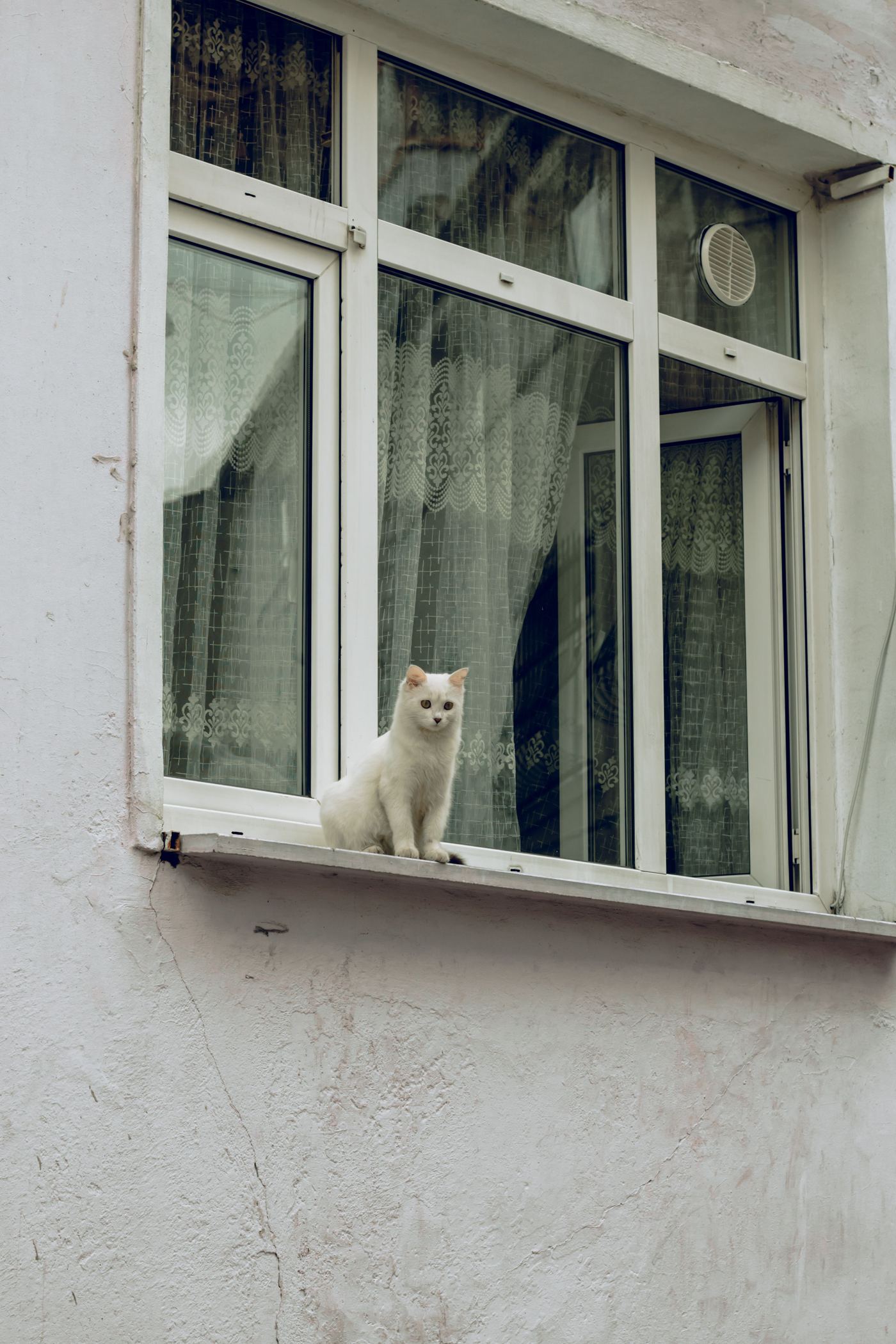
A Paddington client of mine has three cats and one beautiful bay window. When she added a single perch, she expected a happy queue. Instead she got a siege: the eldest cat parked himself on it all day, the middle cat stared from the couch for hours, and the youngest ambushed anyone who tried to climb down. We added two more perches in two other rooms, and within a month all three cats were using windows with nobody guarding anything. That case settled it for me: you are not buying a seat, you are allocating territory. Plan it that way and a multi-cat home runs smoothly. Plan it as furniture and you will be calling someone like me by winter.
A window spot is territory
Cats map their home as a set of valuable positions: feeding places, resting spots, high points, exits, vantage points. A window perch is a high-value vantage point, which means it is territory before it is decor. Whoever holds it controls a resource. This is why a perch can look popular and still cause trouble: cats queue below it, stare at the cat on it, and time their movements around who is on it. Territory in a multi-cat home is not about dominance in the way people imagine. It is about confidence and cost. A confident cat holds a spot cheaply and moves off freely. An insecure cat holds it fiercely because it fears losing access altogether. Read that way, perch disputes are rarely about the perch itself. They are about whether every cat believes there is enough of everything, and the window is simply where that belief gets tested most visibly.
How cats sort the window order
In a settled group, cats sort access through time-sharing rather than open argument. The confident cat takes the prime spot at peak value, usually mid-morning sun or the afternoon bird rush, and drifts off when value drops. Less confident cats slot into the gaps: early morning, evening, or the days the leader sleeps somewhere else. The arrangement rarely matches human expectations. The oldest cat is not always the one on the perch; sometimes the youngest, boldest cat takes it and the senior cat prefers a lower, quieter sill. What matters is that every cat can predict their turn. Trouble starts when the schedule breaks down: when one cat escalates from waiting to staring, from staring to blocking the steps, and from blocking to ambush. Once that chain starts, the perch stops being a shared resource and becomes a flashpoint.

Signs of blocking and exclusion
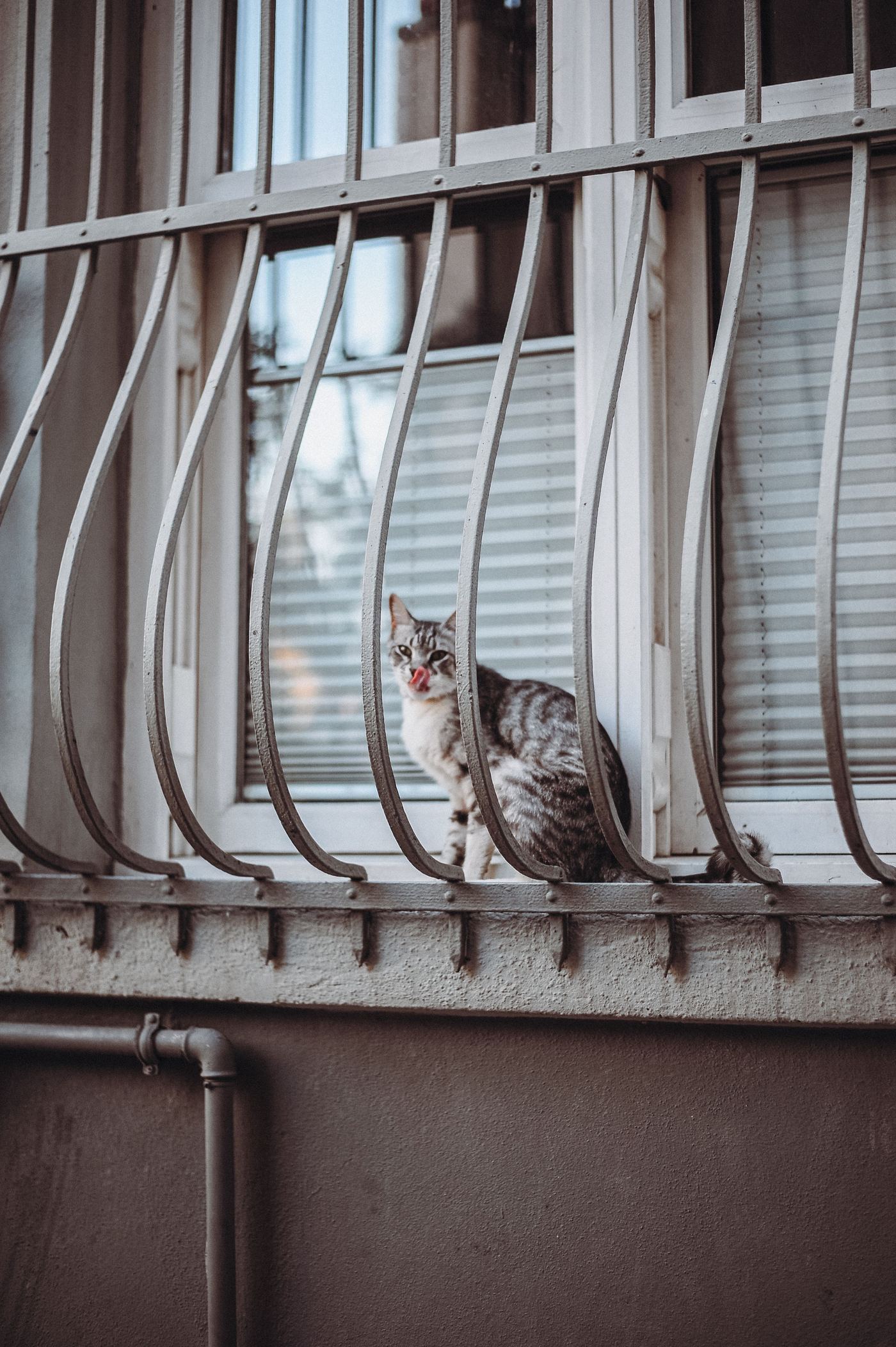
Blocking is the behaviour owners most often miss, because it looks calm. One cat parks at the base of the perch, or on the step below, and does nothing. Nobody fights. But the second cat stops trying to get past, and over weeks they use the windowsill less, sit further away, or watch from the floor. Other exclusion signals are just as quiet: a cat who only uses the perch at night, a cat who has started spending the day under the bed. Escalated signs are easier to spot: staring contests that end in retreat, redirected swats, litter tray changes after stand-offs. If you see any of this, count your spots before you count your cats. The fix is nearly always arithmetic rather than training: fewer good positions than cats, spread across too little space.
- A window perch is territory first and furniture second.
- One spot per cat, plus one spare, spread across rooms.
- Quiet blocking is a real problem even without a single fight.
- Stagger heights so shy cats can use lower or side windows.
- Time-sharing settles on its own once every cat has a spot.
How many spots a home needs
My working rule for clients is one good window spot per cat, plus one spare, in at least two rooms. The spare is the part people skip, and it does the work: it breaks the one-versus-one stand-off that makes two-cat households brittle. Bonded pairs who already groom and share beds can often manage with one wide perch and a spare nearby. Cats with a tense history need the full count, physically separated. Three or more cats means allocating a small territory network rather than decorating: one perch in the living area, one in a bedroom, one on an east-facing window and one facing west, so the sun schedule offers options. Height counts as an extra dimension. Two platforms at different levels on the same window can work as two spots for cats who get along, though never for cats who do not.
Spacing perches to prevent stand-offs
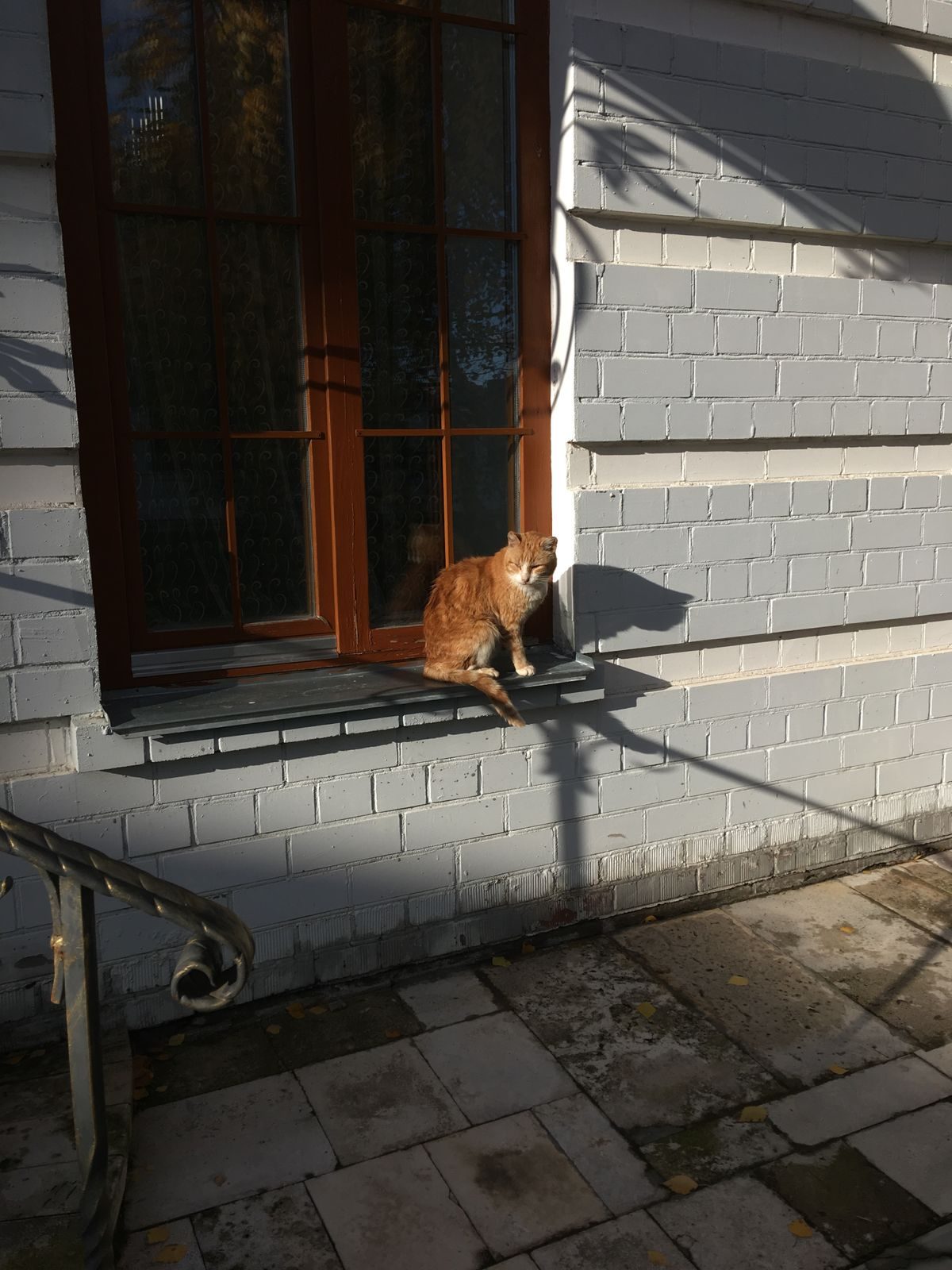
Placement does more than quantity. Two perches side by side are one resource with two seats: fine for a bonded pair, useless for cats who need distance. The changes that matter are separation and sightlines. Separate means different rooms, or at least different walls, so a cat can leave without walking past the other cat. Sightlines matter too: many cats relax more when they can see the other cat, because predictability beats surprise. I aim for perches far enough apart that neither cat can ambush the other's steps, but with a clear line of sight between them. Avoid corners where a cat can be trapped, keep steps away from food bowls and litter trays, and give every perch an exit route. A perch a cat cannot leave comfortably is a trap, and trapped cats guard.
| Household | Spots needed | Where to place them |
|---|---|---|
| Bonded pair who groom and share beds | One wide perch plus a spare | Same window, or one window apart |
| Two cats with a tense history | Two separate perches | Different rooms at opposite ends |
| Three or more cats | One per cat plus a spare | At least two rooms, mixed sun directions |
| Confident cat plus shy cat | Full count for both | Shy cat gets the quieter, higher window |
| Small flat, limited windows | Staggered heights on one window | Only if the cats already share space calmly |
Adding a new perch without drama
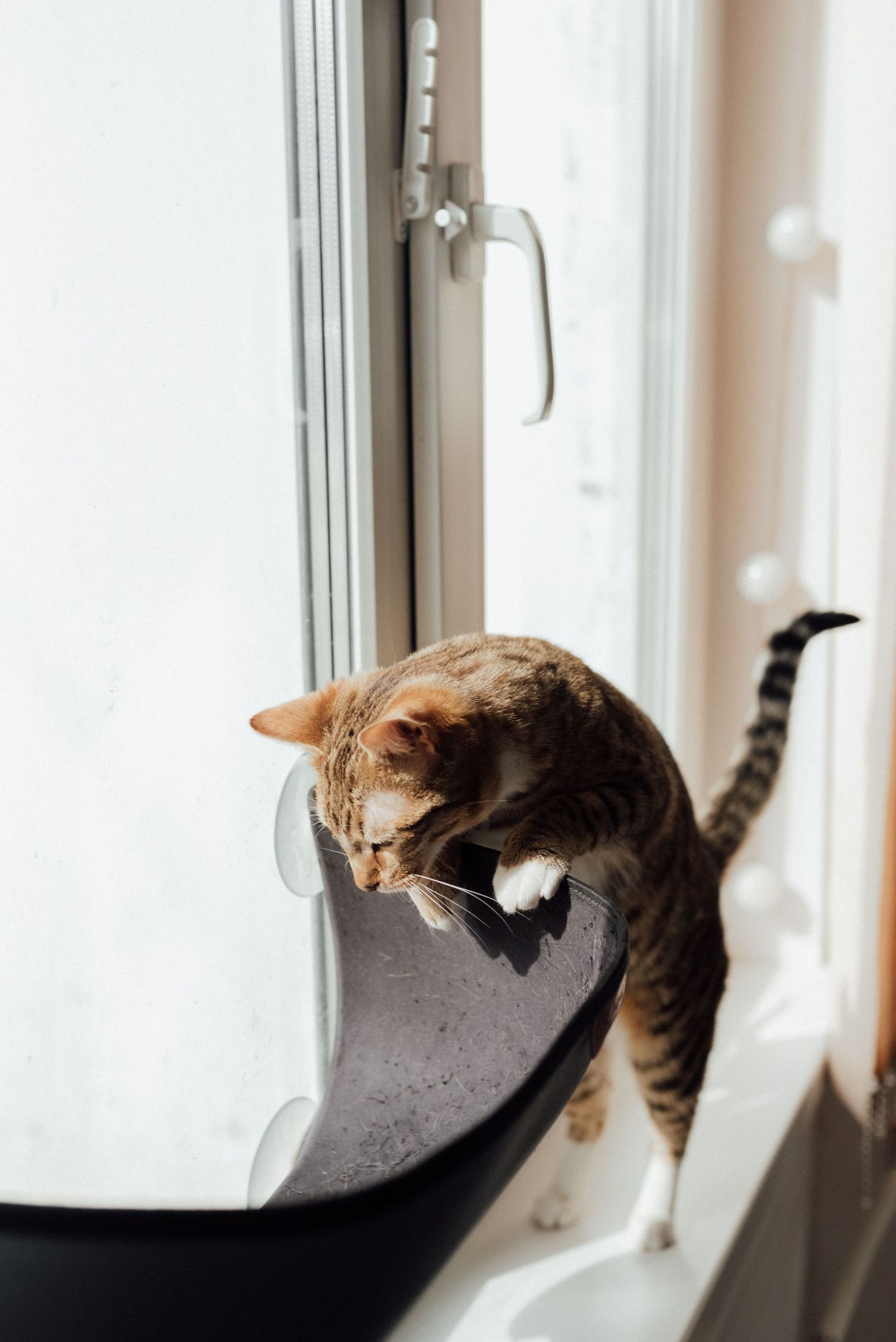
When you bring a new perch into a multi-cat home, let the cats write the schedule themselves. Set it up without ceremony, and resist the urge to place anyone on it. The confident cat will claim it first, and that is fine; the spare exists so the claim costs nobody else. Watch the first week for the quiet signals: who queues, who abandons the old spot, who starts guarding. Our cat window perches range covers sill, suction and wall-mounted styles, because a firmly mounted perch gives a nervous cat a stable platform and removes the wobble moments that spark stand-offs. If blocking appears, do not punish it; add a spot instead. Give the household a few weeks to renegotiate before you judge the result. And if tension builds into fights or a cat stops eating properly, that is the point to talk to your vet and a behaviour professional.
Frequently Asked Questions
Will two cats share one window perch?
Sometimes, if they are a bonded pair who already sleep touching each other. Even then, a single perch works best with a spare nearby. For cats who keep distance elsewhere, one perch is one resource, and the quieter cat quietly loses access. Two spots in two rooms is the safer plan.
Why does one cat sit under the perch instead of on it?
That is usually blocking, not shyness. A cat parked at the base or on the step below is controlling access without fighting. If the same cat is always below and the other cat's window time has shrunk, add a perch in another room rather than moving the guard along.
Do cats that lose the window suffer?
They can, quietly. Cats who lose access to preferred spots often just redistribute: more time under beds, more night activity, more friction at bowls. It rarely looks dramatic, so owners miss it. Check whether the cats with less window access still have their own high, safe places elsewhere. If a cat's habits or toileting change for more than a few days, ask your vet.
Where should a second perch go?
In a different room if you possibly can. A second perch on the same window is an extra seat rather than a separate territory, and it rarely helps a tense pair. Choose a window the shy cat already gravitates to, mount it with a clear exit route, and keep the two spots far enough apart that neither cat can ambush the other's steps.
Can perches actually help cats get along?
They can, as part of the bigger picture. Well-spread perches increase the total territory, let cats share a room with comfortable distance, and give tense cats somewhere to decompress. What perches cannot do is repair a relationship on their own. If fights are frequent or injuries occur, you need a behaviour plan, and any injury needs a vet.
Looking for cat window perches?
We stock the gear covered in this guide, with Australia-wide shipping and Afterpay at checkout.
Shop Window Perches at Paws of Oz