Why Window Watching Matters: What a Perch Prevents
Short answer: a window perch gives an indoor cat a stable territory base and a full-time job. Watching birds, neighbours and weather absorbs hours of energy that would otherwise land on your curtains, your ankles or the other cat. Take the perch away and that behaviour does not vanish, it relocates.
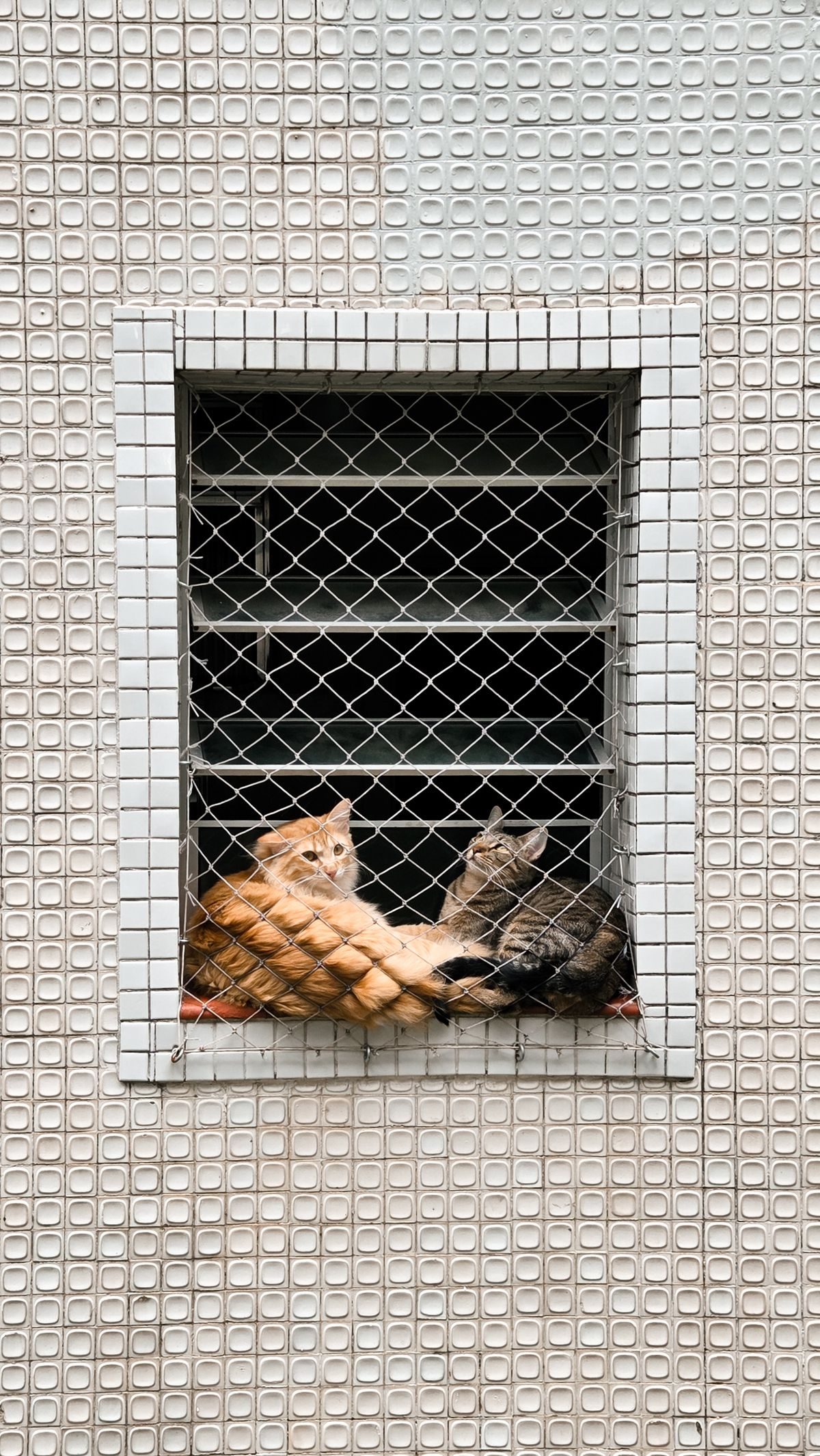
Last month I sat in a Brisbane lounge room with a couple and their two-year-old tabby, Oscar. He was waking them before dawn, ambushing ankles in the hallway and shouting at the fridge. Then I noticed the one thing missing: the living room window faced a frangipani tree full of noisy miners, and the sill held a pot plant. We moved the plant, put a perch on the glass, and Oscar's dawn recitals faded within a fortnight. That visit is the clearest example I have of what a window spot actually does for a cat, and why it is the first thing I look at when a client calls about problem behaviour.
What watching does for a cat
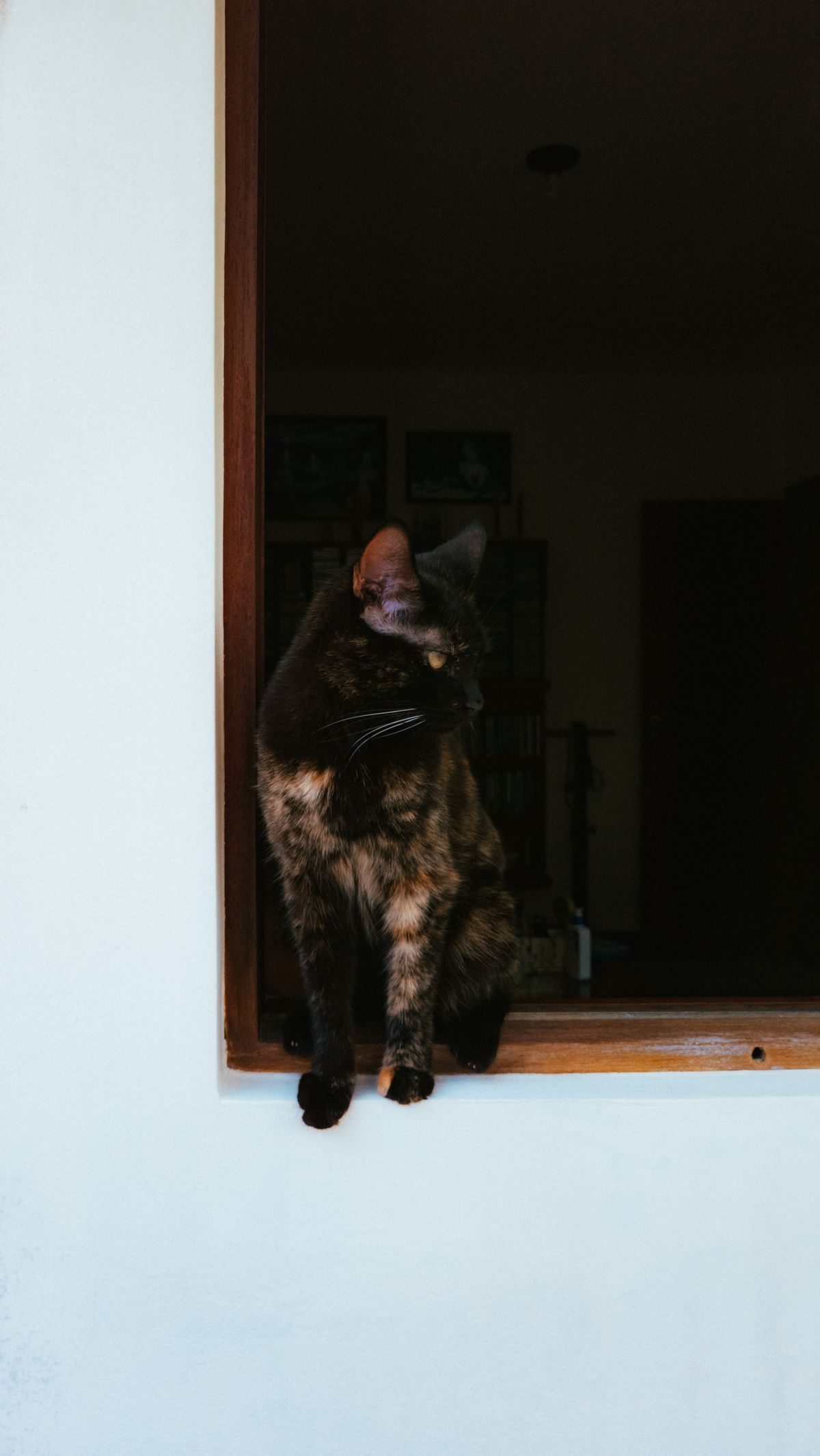
Cats are wired for a cycle that runs even when every bowl is full: survey, stalk, catch, eat, groom, sleep. Watching from a high, safe vantage point lets an indoor cat perform the survey part of that cycle without leaving the house. The window is the one place where the environment changes on its own: magpies at seven, the neighbour's dog at nine, the postie at lunch, rain rolling in through the afternoon. A cat with a live view spends long stretches in calm, focused alertness, which is a genuinely restful state rather than boredom. Cats with a working window spot tend to be parked, loafed and loose; cats without one orbit their owners, slap things off benches and build towards evening zoomies that end in biffed curtains. The window does not replace play, but it fills the long middle of the day when the house is silent.
Behaviours the perch quietly absorbs
Most calls I get are about symptoms: a shredded couch arm, yowling before sunrise, one cat chasing the other off the bed. When I map the day, a pattern shows up. Indoor cats with nothing to watch compress their whole activity budget into the hours when humans are home, and that concentration looks like chaos. A window perch spreads it out. Dawn calling often softens because the cat no longer needs your alarm as entertainment. Evening zoomies shorten when the afternoon held bird traffic. Swatting at ankles drops when there is something genuinely interesting to stalk from a safe height. I am not claiming a perch cures anything; cats are individuals and some changes in behaviour have medical roots, which is a conversation to have with your vet. But across the homes I visit, the window spot is the cheapest change with the widest reach.
Why removing the perch backfires
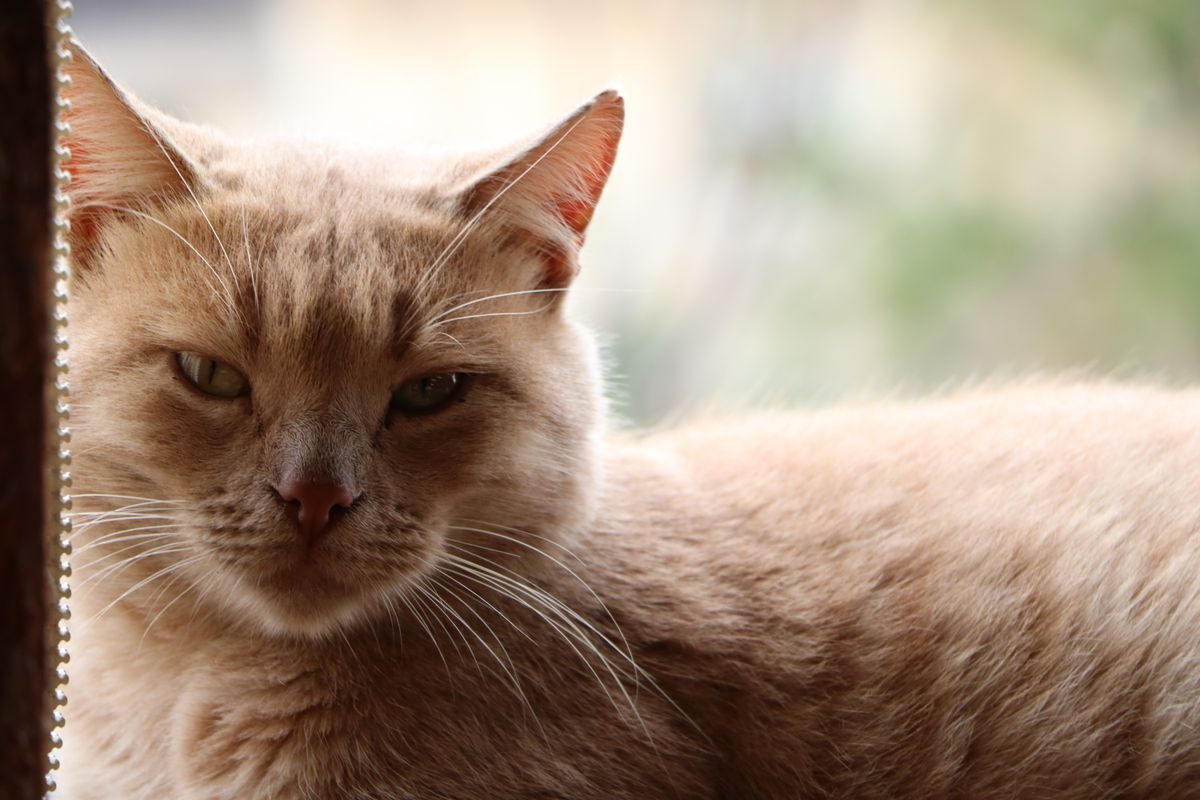
A family on Brisbane's northside once took their perch down because the cover needed washing. Within a fortnight their two cats had redirected all that window time onto each other: hallway stares, blocked doorways and two proper fights. When we reinstated it and added a second perch in the study, the tension settled within weeks. The perch was not decoration, it was load-bearing territory, absorbing hours of stalking and settling that suddenly had nowhere to go. If a perch must come down temporarily, expect noise, watch for stress signals and put it back quickly. And if you are weighing up whether a window spot is worth the sill space, watch what your cat does with the glass right now. Pawing at the blinds, perching on the couch arm to face the window: those are votes. A proper perch collects them in one safe place.
- A window perch gives an indoor cat a full-time watching job.
- Dawn calling and evening zoomies often soften once the view is good.
- Removing a perch can push that energy onto other cats or furniture.
- Watch the glass: pawing at blinds is a vote for a perch.
- Sudden behaviour changes always belong in a conversation with your vet.
Reading your cat at the window
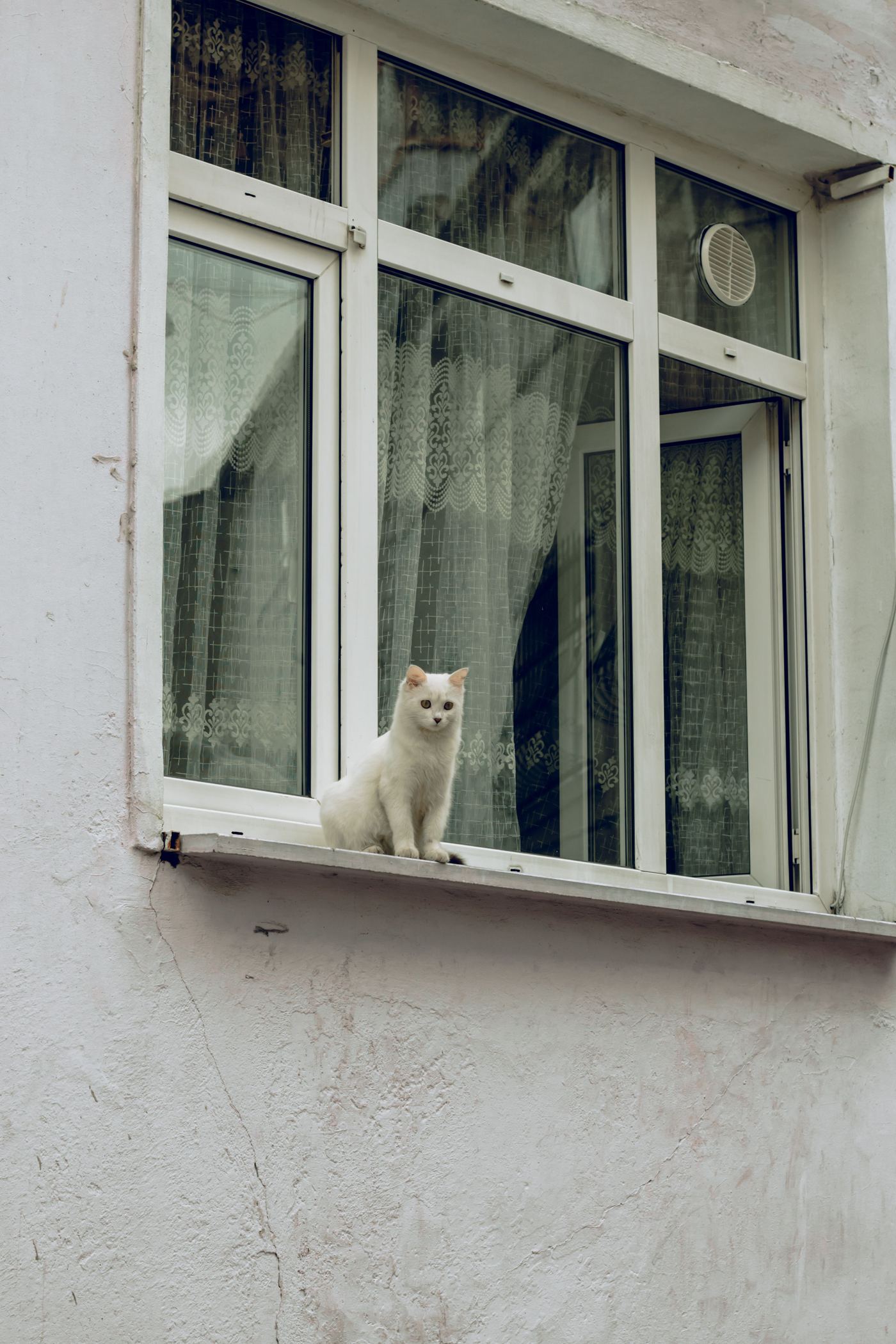
Not every window session is a good one, so I teach owners to read the body. Relaxed watching looks like a loaf: paws tucked, eyes half closed, slow tail, the occasional chirrup at a bird. Tense watching looks different: flattened ears, a lashing tail tip, a crouch low on the platform, head dipped below the sill line. The first is enrichment. The second is a cat monitoring something it finds threatening, such as a strange dog next door. If you see the tense version often, help your cat feel safer rather than shutting the view down: raise the perch, add a side cover, or pick a quieter scene. Chattering at birds and a thumping tail during a session is normal predatory arousal, not distress. What does deserve attention is any change in grooming, appetite, toileting or sleep that lasts more than a few days, and that conversation belongs with your vet.
Setting up a view that works
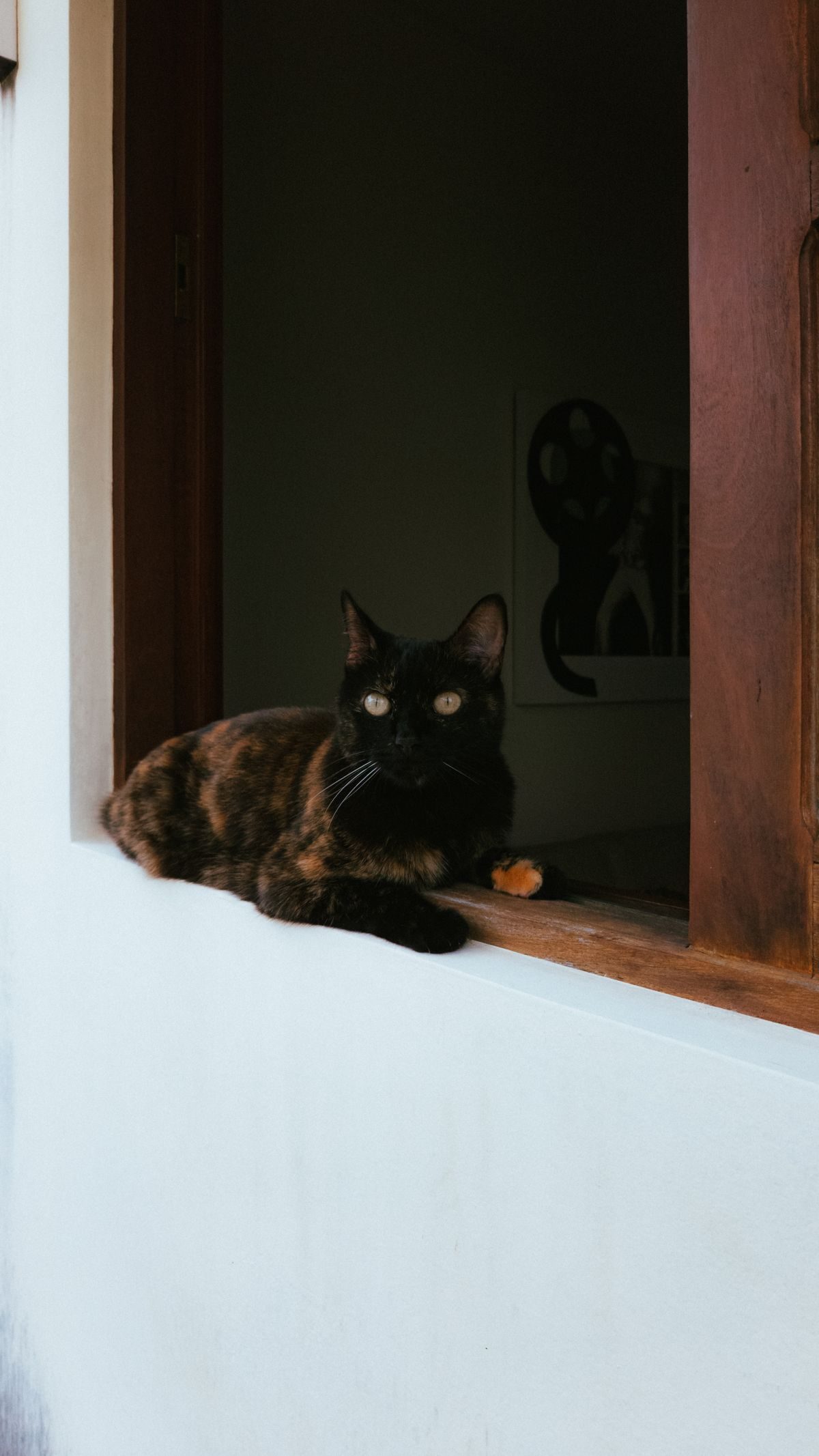
When I recommend a window spot, I start with what the cat can actually see, not with how the room photographs. The best views offer movement at a distance: a garden, a bird bath, a street with foot traffic. Height matters less than people think. What matters more is settling without feeling exposed, which is why a corner position often gets used more than a perch in the middle of a big pane. A glass sliding door onto a courtyard works too, provided the cat has an exit route. The cat window perches on the market now cover sill, suction and wall-mounted styles, and the behaviour question is always the same: does this give my cat a stable, safe place to watch from?
| Behaviour need | Window to choose | Behaviour boost to add |
|---|---|---|
| Daytime boredom | Garden or street view with regular movement | Rotate a couple of toys near the perch each week |
| Nervous or easily startled cat | Corner pane or a quieter street scene | Higher mount with a clear exit route |
| Dawn calling | Window facing early bird activity | Serve breakfast shortly after the first watch |
| Multi-cat friction | Two windows in different rooms | One perch per cat, plus a spare spot |
| Small flat, limited glass | Largest living-area window | Wide platform so posture changes are easy |
Keeping the habit fresh over time
A perch is not a fire-and-forget purchase. Cats habituate, and even the best view becomes wallpaper if nothing around it ever changes, so treat the window like a station and rotate the programming. Shift a tall pot plant outside the glass for a new shadow pattern. Hang a bird bath or feeder at a distance your neighbours will stay friendly with. Put a food puzzle a metre or so from the perch so the cat can drop down, work and climb back up. Wash the cover monthly in warm water, because cats often avoid a platform that has picked up kitchen smells. And revisit the setup after life events. After a house move, a new baby or a new pet, a cat's map of safe places is redrawn, and the window spot usually needs re-establishing. Position and routine, not price, decide whether a perch earns its sill.
Frequently Asked Questions
Do indoor cats really need a window perch?
Most indoor cats benefit from one, and for many it becomes the most used spot after the bed. Watching is a low-effort way for a cat to run natural surveying behaviour all day. It is not the only enrichment a cat needs, but it is usually the change with the biggest effect on daily activity.
What if my cat ignores the perch I bought?
Give it time and remove the pressure. Park it near where your cat already watches from, even if that is the couch arm, and let your cat find it at their own pace. A pinch of treats or catnip can help, and a familiar blanket carries scent. If it is still ignored after a fortnight, the location is usually the problem, not the perch.
Is a window perch enough enrichment on its own?
No. A perch covers visual enrichment and gives a cat a territory base, but cats still need play that lets them stalk and catch, scratching surfaces and quiet hiding spots. If problems continue despite a good perch routine, a full enrichment review or a vet check is next.
Can a perch cause problems in a multi-cat home?
It can, if there is only one spot worth having. A single perch in a two-cat home can become a guarded resource: one cat blocks access or ambushes the other at the steps. The fix is usually more spots in different rooms rather than a bigger perch. My guide to perch hierarchy in multi-cat homes covers the details.
How high should a window perch be?
Sill height suits most healthy adult cats because they can hop up and down safely. What matters more is the step sequence: a cat should get on and off without a jump that would trouble a stiff or senior cat, and without landing where another pet can corner them. If your cat has joint trouble, ask your vet about comfortable heights first.
Looking for cat window perches?
We stock the gear covered in this guide, with Australia-wide shipping and Afterpay at checkout.
Shop Window Perches at Paws of Oz