Why Cats Choose the Box: Covered Beds and Feline Security
Short answer: cats choose a covered bed for the same reason they choose the box it arrived in, so buy for security rather than the look, and put it where they already hide. I've bought six cat beds, and my rescue cats ignored them for the cardboard box, the laundry basket and the wardrobe top. A hood gives a wall at the back and one sightline to watch the room. Here's the catch: placement beats purchase, and some cats hate a cave, so watch first.
I have bought, over the years, six cat beds: a doughnut, a heated pad, a window hammock, a felted wool cave that cost more than my first car payment, and two flat cushions from Petbarn on sale. My two rescue cats have used exactly none of them as intended. What they have used is the cardboard box the cave arrived in, the laundry basket, the empty suitcase, and the top of the wardrobe.
I say this as someone who works in a vet clinic in Hobart and should know better. But the box thing isn't a quirk or an insult to your taste. It's predictable cat behaviour, and once you understand it you can shop with it instead of against it.
Predator and prey, both at once
Cats sit in an unusual position in the food chain. They're small enough to be hunted by plenty of things and built to hunt almost everything smaller than themselves. That dual role shapes how they rest. A cat asleep in the open on a lounge is exposed on every side, and even a deeply settled cat is monitoring more directions than it looks like it is.
An enclosed space cuts that workload. In a box or a cave with a single opening, there is one direction that anything can come from, and the rest is back and sides they don't have to think about. That's the same reason cats favour the corner of a room, the gap behind a bookshelf and the space under the bed. A covered cat bed is really just a permanent version of a spot they'd have chosen anyway.
Then there's temperature. A hood traps a pocket of warm air around a curled cat, and cats are comfortable at a higher ambient temperature than most of us keep our houses. In a Hobart house with tiles and no heating overnight, an enclosed bed is measurably warmer than an open cushion on the same floor.
What a hood actually gives them
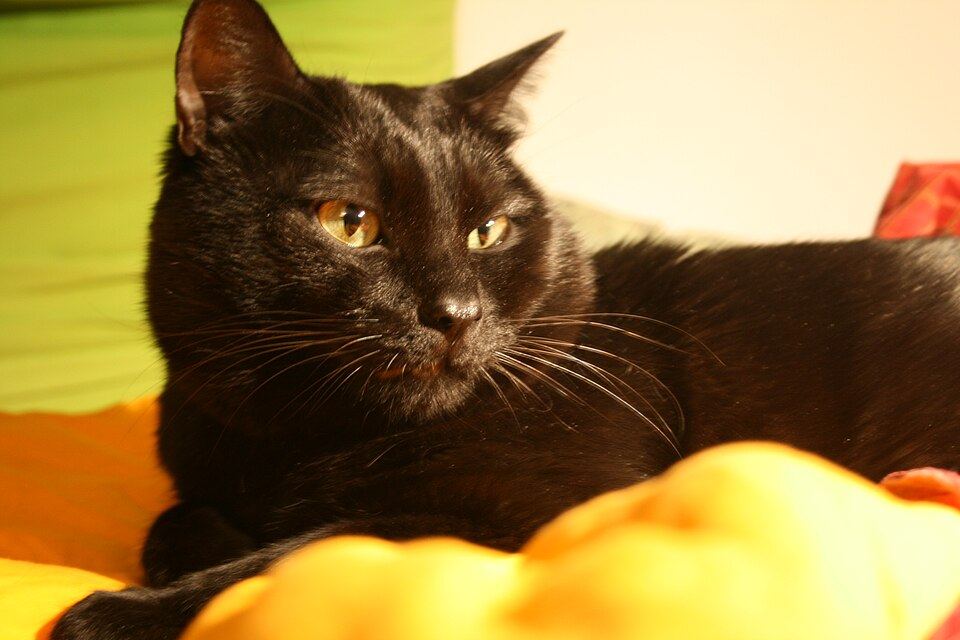
The useful version of this is a semi-enclosed bed: a hood over the back half, a single opening at the front, and enough internal room to turn around and curl properly. That shape gives them a back to lean against and a sightline out the front, which is close to the ideal resting position for most cats. Fully enclosed cave beds with a small round opening are a step further, and some cats adore them.
Where people go wrong is buying the fully enclosed version first, because it looks cosier, and then finding the cat won't go near it. A cat who can't see out can't monitor anything, and for a lot of cats that's worse than being in the open.
The cats who hate caves
This is where I have to be balanced, because a covered bed is not the answer for every cat. Plenty actively dislike having anything above their head. Some of that is temperament, some is early experience — a cat who spent formative months dodging feet in a busy house often won't put themselves somewhere they can't exit instantly.
Those cats usually want the opposite: an open bed in a high place. A flat cushion on a shelf, on top of a wardrobe, on a cat tree platform, or in a window. Up high gives them the same security benefit — fewer directions to worry about — by a different route. And you cannot argue a cat into liking a cave. I've had clients put a cat into a covered bed repeatedly hoping for habituation, and all they achieved was a cat who avoided that corner of the room.
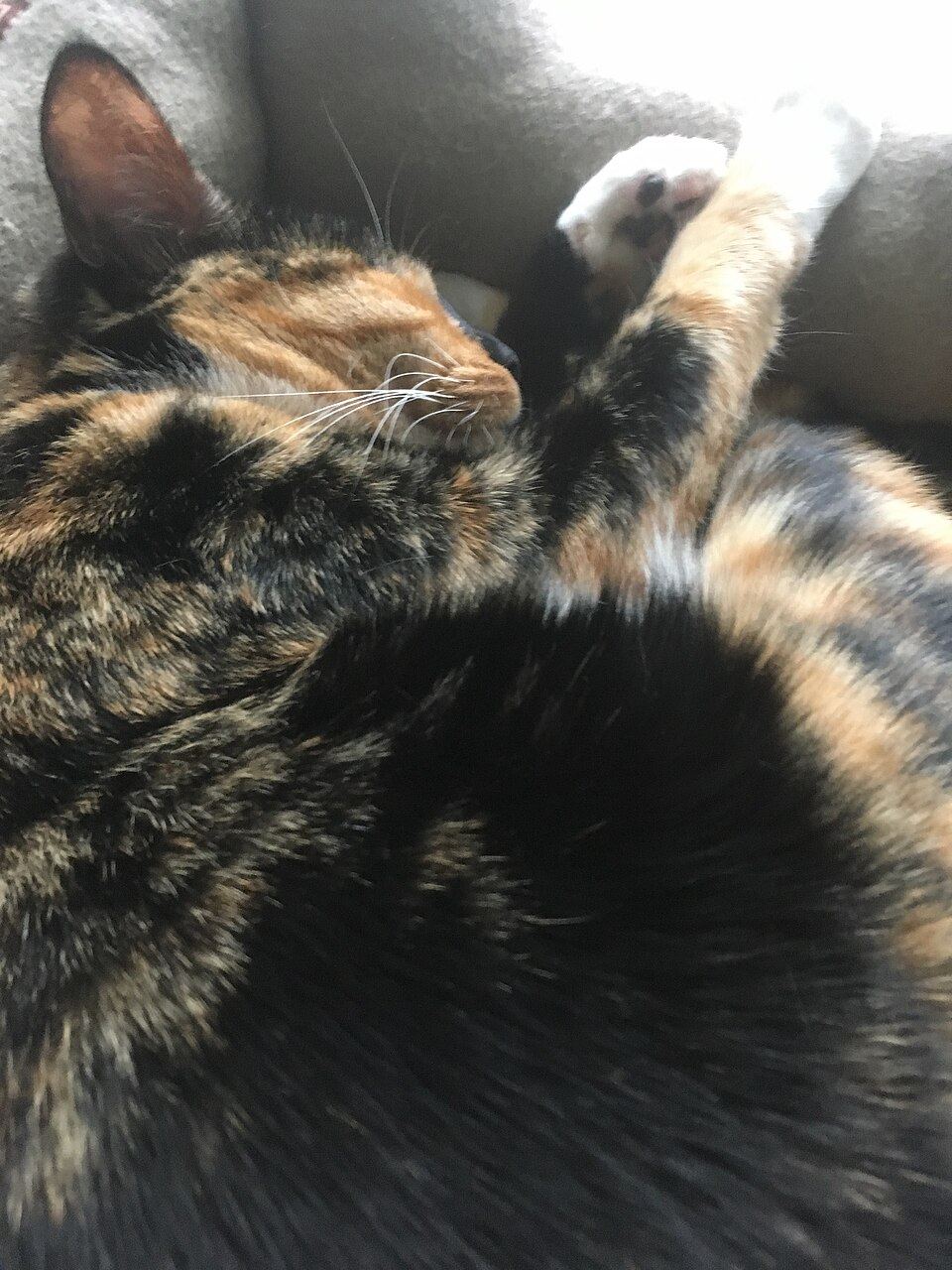
Where you put it matters more than what you buy
This is the single biggest mistake I see. People buy a bed and put it where they'd like the cat to sleep — the corner of the bedroom, the laundry, a quiet spot away from the traffic. Nearly every time, the right spot is where the cat already sleeps. Watch for a week. Note the three or four places they actually choose, and put the bed in the most-used one.
Second, don't wash it straight away. A brand-new bed smells of factory and packaging. Leave it out unwashed for a week or two, ideally with a worn t-shirt of yours draped in it, so it picks up the smell of the house and of you before a cat is asked to lie on it.
Third, never put the cat in. Don't lift them in, don't hold them there, don't reward-settle them. Put the bed down, leave it alone, and let them find it. Cats need to approach new objects on their own terms, and being placed somewhere is the fastest way to make a bed suspicious.
- Watch for a week then note their favourite spots.
- Put the bed where the cat already sleeps.
- Leave it unwashed with a worn t-shirt inside.
- Never lift the cat in and hold them there.
Making the choice in practice
If your cat already sleeps under the bed, behind the couch, in the wardrobe or in boxes, a covered or hooded bed is a reasonable bet, with semi-enclosed and a wide opening the safer starting point. If your cat sleeps on top of things — the fridge, the wardrobe, the back of the lounge — buy a flat bed and put it up high instead.
Give them options rather than one correct answer. One bed in the warmest spot, one in the room where the family is, and one somewhere quiet beats one expensive bed in the wrong corner. And keep the cardboard box for a while. It costs nothing and it's telling you where your cat wants to be.
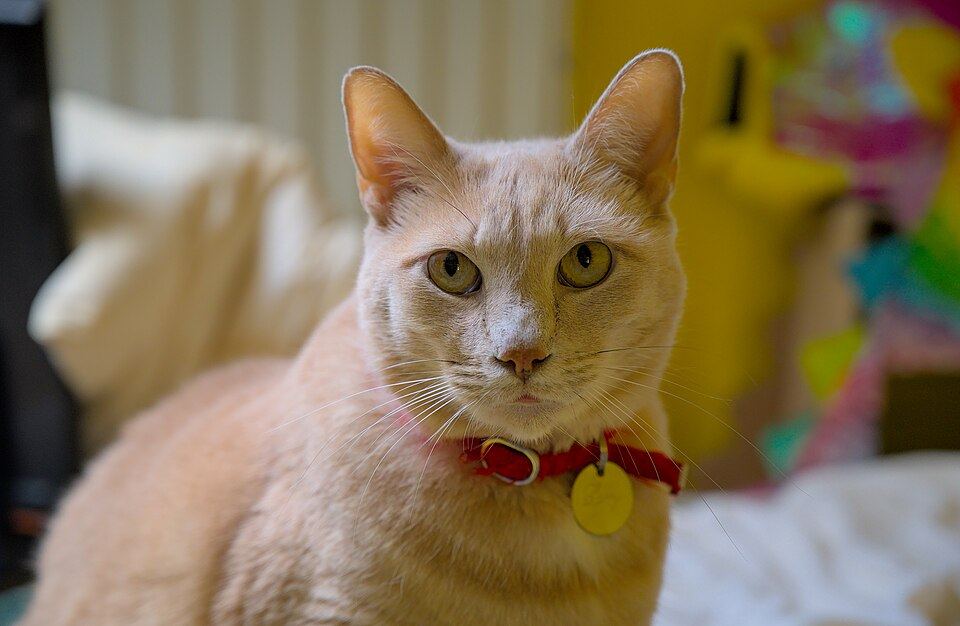
When hiding is a vet problem
One thing worth flagging, because it sits close to this topic. Enclosed beds suit cats who hide, and some cats are simply secretive by nature. But a cat who suddenly starts hiding more than usual — who stops coming out for dinner, who moves from the wardrobe to under the house — is not telling you they need a new bed. Increased hiding is one of the most common signs of pain and illness in cats, and it's also a response to stress, a new pet or building work.
If the change is sudden, or comes with any change in appetite, litter tray habits, grooming or weight, book a vet check. If it's ongoing and the vet has cleared them physically, ask for a referral to a feline behaviourist. A bed is furniture, and treating it as an answer to a cat who is unwell can delay care by months.
The wool cave is now in the laundry for the foster kittens and gets used constantly by animals who've never been offered anything nicer. My two are on top of the wardrobe, on a folded blanket I gave up on years ago. Give them the bed they'd pick, in the place they've already picked, and let the box stay until they're done with it. — Tessa, Hobart, watched over by a cat judging me from a shelf.
Frequently Asked Questions
Why does my cat prefer the box to the bed I bought?
Because an enclosed space with one opening means there is only one direction to monitor, which lets a cat truly relax. Boxes are also warm, novel, and usually sitting in a spot the cat had already chosen before the box turned up. Put the bed where the cat already sleeps rather than where you'd prefer them to sleep.
Are covered cat beds a good idea?
For many cats, yes, particularly those who already sleep under furniture or in wardrobes. Choose a semi-enclosed design with a generous opening so the cat can see out, rather than a fully enclosed pod. Cats who prefer high places will usually ignore a cave entirely and want a flat bed on a shelf or cat tree instead.
How do I get my cat to use a new bed?
Place it where your cat already sleeps, leave it out unwashed for a week or two so it smells of the house, and drape a worn item of your clothing in it. Never pick the cat up and put them in the bed — being placed in a new object makes most cats suspicious of it. Let them find it themselves.
Should I get a hooded bed or an open bed for my cat?
Watch where your cat chooses to sleep and match that. Cats who hide under beds, in wardrobes or in boxes generally take to a hooded or semi-enclosed bed. Cats who sleep on top of furniture want height, so an open bed on a shelf, windowsill or cat tree platform is the better match. Offer one of each if you can.
My cat has started hiding a lot more. Should I buy a covered bed?
Not before a vet check. A sudden increase in hiding is a common sign of pain or illness in cats, and it can also follow a stressful change like building work, a new pet or a move. If hiding increases suddenly, or comes with changes in appetite, weight, grooming or litter tray habits, book a vet appointment first.
Size & Fit Reference
| Size | External (L×W×H) | Internal sleeping area | Suits pets up to | Typical pets |
|---|---|---|---|---|
| S | 43 × 32 × 10 cm | ~36 × 25 cm | 30 cm curled | Kittens, toy breeds, small cats |
| M | 54 × 42 × 11 cm | ~46 × 34 cm | 45 cm curled | Cavoodle, Pug, average cat |
| L | 66 × 50 × 12 cm | ~57 × 41 cm | 55 cm curled | Cocker Spaniel, large cat |
| XL | 80 × 60 × 13 cm | ~70 × 50 cm | 70 cm curled | Kelpie, Border Collie |
| XXL | 95 × 72 × 15 cm | ~84 × 61 cm | 85 cm stretched | Labrador, two small dogs |
| 3XL | 110 × 82 × 15 cm | ~98 × 70 cm | 100 cm stretched | Great Dane, two medium dogs |
Between two sizes, size up. Note that soft polyester fill compresses under weight — for dogs over about 30 kg, a denser foam base will hold its loft far longer than fibre fill.
Looking for beds & mats?
We stock the gear covered in this guide, with Australia-wide shipping and Afterpay at checkout.
Popular in this range: self-cooling pet mat
Shop Beds & Mats at Paws of Oz