Why Does My Dog Sleep on the Floor Instead of the Bed?
Short answer: in an Australian summer, nine times out of ten a dog sleeping on the tiles is not being ungrateful, the bed is simply too warm. Dogs cool mainly by panting and by pressing against a cool surface, so a padded bed with synthetic fleece traps the heat the dog is trying to shed.
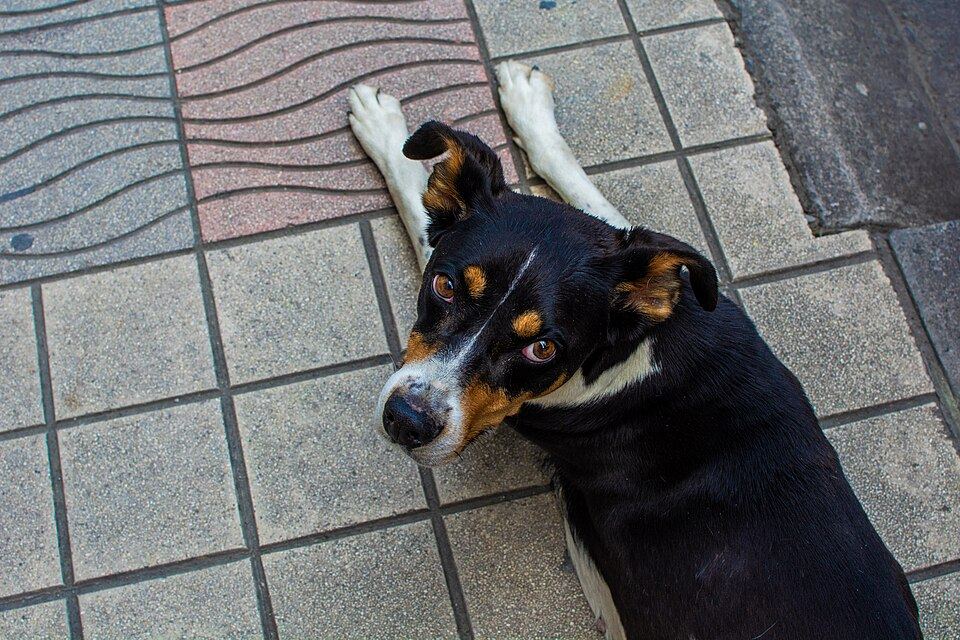
Every summer I get the same message from clients, usually with a photo of a dog lying flat on the bathroom tiles next to an untouched bed that cost someone eighty dollars. The owner is hurt, faintly. They bought the nice bed. The dog chose the floor.
Here's the thing I tell them: the dog isn't being ungrateful, and the bed isn't necessarily bad. In an Australian summer, nine times out of ten the answer is simply that the bed is too warm, and the dog is making a better decision than the owner did.

Dogs don't cool the way we do
This is the fact that explains most of it. We sweat across our whole body. Dogs have sweat glands in their paw pads and almost nowhere else, so they rely overwhelmingly on panting and on pressing their body against a cool surface. A tiled floor is a heat sink. A padded bed, especially one with synthetic fleece and raised sides, is insulation — it traps the heat the dog is trying to shed.
So a heavily padded bed that's perfect in a Hobart July is genuinely unpleasant in a Brisbane February. Same bed, same dog, opposite season. I've watched people conclude their dog "doesn't like beds" when what the dog doesn't like is being too hot.
Run through the causes in order
Too warm. By far the most common in Australia. The dog lies flat, sprawls with legs out, seeks tiles or concrete or the shady spot by the door. The fix is a cooler surface: a raised mesh bed, a gel cooling mat, or simply a flat cotton-covered mattress instead of a deep padded one. Also check the position — a bed in direct afternoon sun through a window is unusable for four hours a day.
Wrong shape. A dog who curls up wants a bolster or an enclosed edge to lean into. A dog who stretches out full length wants a flat mattress with no sides getting in the way. Watch how they sleep on the floor — that's the honest answer to which shape they want, and it's free information most people ignore.

Wrong location. Dogs are social sleepers. A bed in a spare room or the laundry, where nobody goes, loses to the floor of the room the family is sitting in — every time. Equally, a bed directly in a thoroughfare, next to a rattly dishwasher, or under a noisy air conditioner gets abandoned. Move it near where you actually are, but out of the walking line.
Smell. This one is underrated. Strongly perfumed detergent, a fabric that holds onto the smell of an old accident, or a bed that was washed with something the dog finds offensive — all of these will send a dog to the floor. Wash with a fragrance-free product and make sure anything previously soiled is genuinely clean, not just masking-sprayed.
They just prefer it firm. Some dogs do. Particularly older dogs who've learned that a firm surface is easier to get up from than a deep squishy one, and heavy dogs whose body sinks through soft fill to the hard floor underneath anyway.
- Too warm sends them to tiles or the cool floor.
- Wrong shape means a bed that doesn't suit them.
- Wrong location loses to the family's room floor.
- An offensive smell drives them to the floor.
- Some dogs simply prefer a firm surface.
When it's worth a vet visit
Two situations. The first is heat stress: if your dog is panting heavily and continuously, has bright red gums, is lethargic or wobbly, or won't get up, that's not a preference, that's an emergency. Cool them with tepid water, get air moving, and call a vet.
The second is a change in an older dog. If a senior dog who has always slept on their bed suddenly starts avoiding it, or starts sleeping somewhere unusual and stays there, consider pain. Dogs in discomfort often change where and how they lie, and a bed that requires them to step over a raised edge may hurt to get into. That's a vet conversation, not a shopping one.
What I'd actually do
Watch them for a week and note where they sleep and in what position. That tells you the shape and the temperature they want. Move the bed there. Then, if it's summer and they're still on the tiles, swap the deep padded bed for something designed to let heat go — a raised mesh cot or a gel mat over a thin mattress — and keep the padded one for winter.
A lot of Australian households end up with two beds for exactly this reason, and it's not indulgence. It's matching the bed to the season, which is the whole game here.
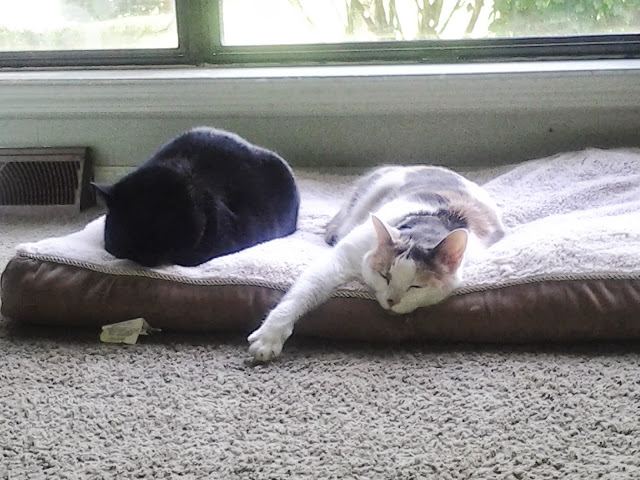
Pip has a padded bed for winter and a flat cotton one for summer, and she moves between them without being asked. If your dog has voted with their feet, don't take it personally — go and look at where they've chosen, and buy something closer to that. — Tessa, Hobart, currently being ignored by two cats on a very nice bed.
Frequently Asked Questions
Why does my dog sleep on the floor instead of their bed?
In Australia the most common reason is that the bed is too warm. Dogs can't sweat across their body, so they dump heat by pressing against cool surfaces. A padded bed with synthetic fleece traps that heat. Other causes include the wrong shape, the wrong location, detergent smell, or simply a preference for a firm surface.
Is my dog too hot at night?
Signs include lying flat on tiles or concrete, heavy continuous panting, restlessness and seeking cool spots. If panting is heavy and constant, the gums are bright red, or your dog is lethargic or wobbly, treat it as heat stress: cool with tepid water, get air moving, and call a vet.
Should I buy a cooling mat?
Often yes for summer, but understand what you're buying. Gel mats absorb body heat and work well in dry heat, less well in humidity. Elevated mesh cots rely on airflow and suit humid climates. Neither prevents heatstroke, and neither replaces shade, water and walking in the cool parts of the day.
My older dog has suddenly stopped using their bed. Why?
A sudden change in sleeping location in a senior dog can signal pain or discomfort. A bed with a raised edge may hurt to step over, or lying on a hard surface may now be easier. Book a vet check rather than assuming it's a preference.
Where should I put my dog's bed?
Near where the family spends time, but out of the main walking line. Avoid direct afternoon sun, draughts, and spots next to noisy appliances. Most dogs choose companionship over ideal conditions, so position often matters more than the bed itself.
Size & Fit Reference
| Size | External (L×W×H) | Internal sleeping area | Suits pets up to | Typical pets |
|---|---|---|---|---|
| S | 43 × 32 × 10 cm | ~36 × 25 cm | 30 cm curled | Kittens, toy breeds, small cats |
| M | 54 × 42 × 11 cm | ~46 × 34 cm | 45 cm curled | Cavoodle, Pug, average cat |
| L | 66 × 50 × 12 cm | ~57 × 41 cm | 55 cm curled | Cocker Spaniel, large cat |
| XL | 80 × 60 × 13 cm | ~70 × 50 cm | 70 cm curled | Kelpie, Border Collie |
| XXL | 95 × 72 × 15 cm | ~84 × 61 cm | 85 cm stretched | Labrador, two small dogs |
| 3XL | 110 × 82 × 15 cm | ~98 × 70 cm | 100 cm stretched | Great Dane, two medium dogs |
Between two sizes, size up. Note that soft polyester fill compresses under weight — for dogs over about 30 kg, a denser foam base will hold its loft far longer than fibre fill.
Looking for beds & mats?
We stock the gear covered in this guide, with Australia-wide shipping and Afterpay at checkout.
Shop Beds & Mats at Paws of Oz