Our First Month With a Hands-Free Lead: What a Perth Renter Learned
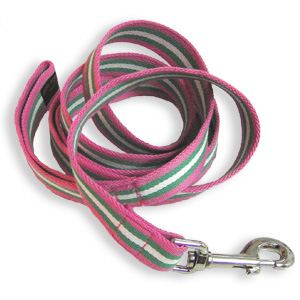
Short answer: a hands-free lead is genuinely handy for everyday life, but only after you stop treating it like a normal lead on a longer leash. For our first month with Wally, clipping the line to a waist belt changed how I carried coffee, shopping and an umbrella, and it took the strain off my shoulder. The surprise was how much my own habits had to change, because the dog still needs the same clear guidance regardless of where the lead attaches to your body.
Week one: trusting the belt
The first few walks felt weird because my hands were empty and I kept reaching for a handle that was not there. Wally noticed the change in tension and tested the boundaries a little more than usual, darting toward a neighbour's cat before I found my footing with the new setup.
By day four I stopped gripping the air and started using my voice and direction to guide him. The belt stayed put and the clip held firm, which slowly built my confidence. The trick was treating the belt as a steering tool, not a magic leash that trained the dog for me.
Week two: hands actually free
Carrying a takeaway coffee and a roll of poop bags at once stopped being a balancing act. The lead sat at my hips, leaving both hands for the ordinary clutter of a morning walk, and I realised how much I had been juggling on a normal lead.
We also braved a light Perth drizzle with an umbrella, something I had always avoided on a handheld lead. The hands-free clip meant Wally stayed close without me dropping anything important. Getting the belt length right took a try or two, but once it sat at hip level the whole setup felt like second nature.
Week three: the habit I had to unlearn
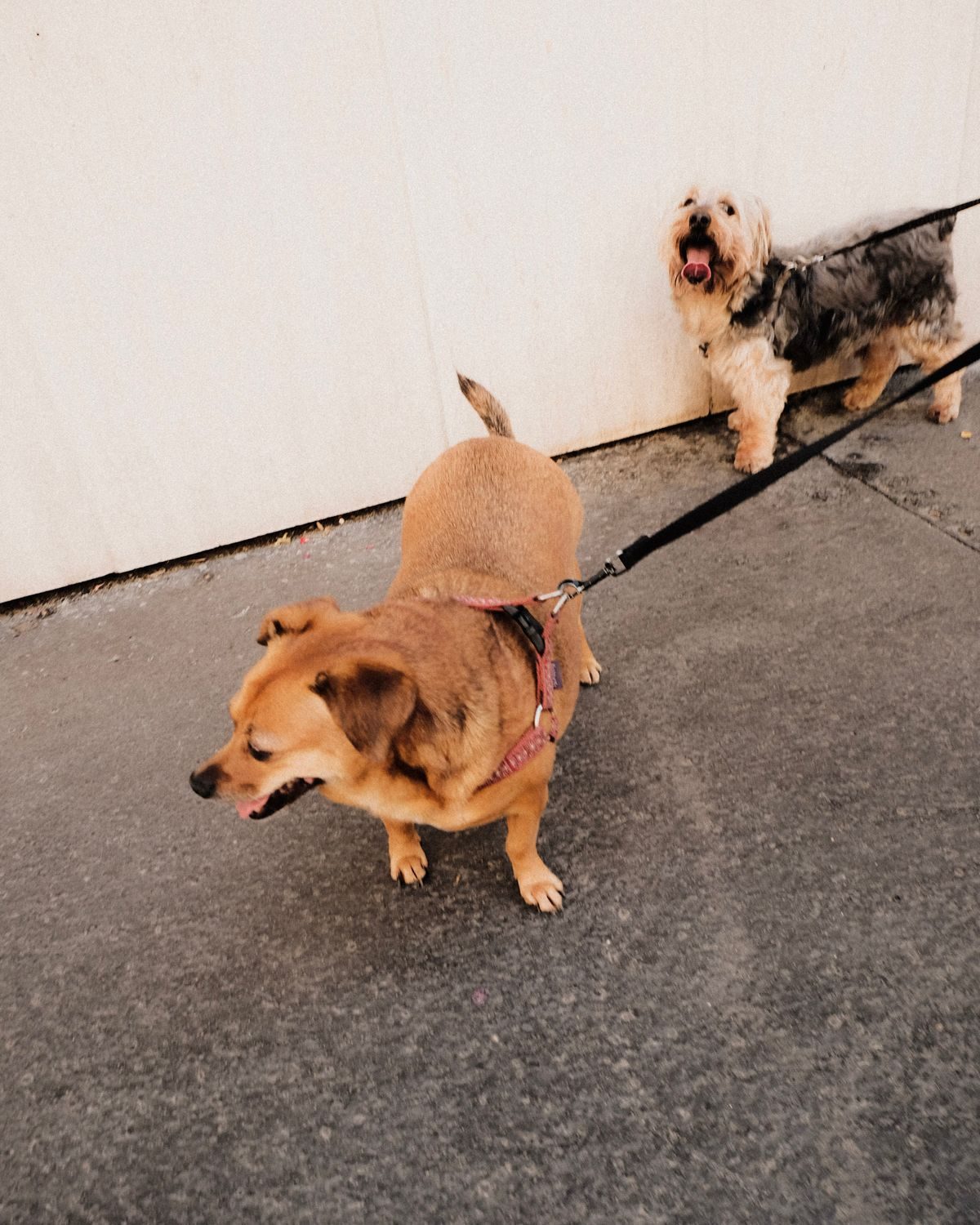
My old reflex was to shorten the lead by grabbing it near the dog when things got busy. With a waist clip that is awkward, so I learned to manage space by changing my own speed and angle instead, which felt strange at first but worked better.
That shift actually improved Wally's manners, because he responded to my movement rather than a sudden yank. It was a quieter way to walk, and the belt stopped me from nagging him with constant corrections. The dog, it turned out, preferred the steadier signal.
Beach mornings with the belt
On a quiet Cottesloe morning the hands-free lead let me manage a towel, keys and a ball while Wally explored the wet sand. There was no fumbling for a handle as he ranged, and the belt kept the line from dragging through the shallows where it would have soaked a normal grip.
I still swapped to a short lead once other dogs arrived, because a waist clip offers less instant control in a crowd. The belt is brilliant for solo, open walks and hopeless in a scrum, so I learned to read the scene before clipping in for the day.
Footpath etiquette I relearned
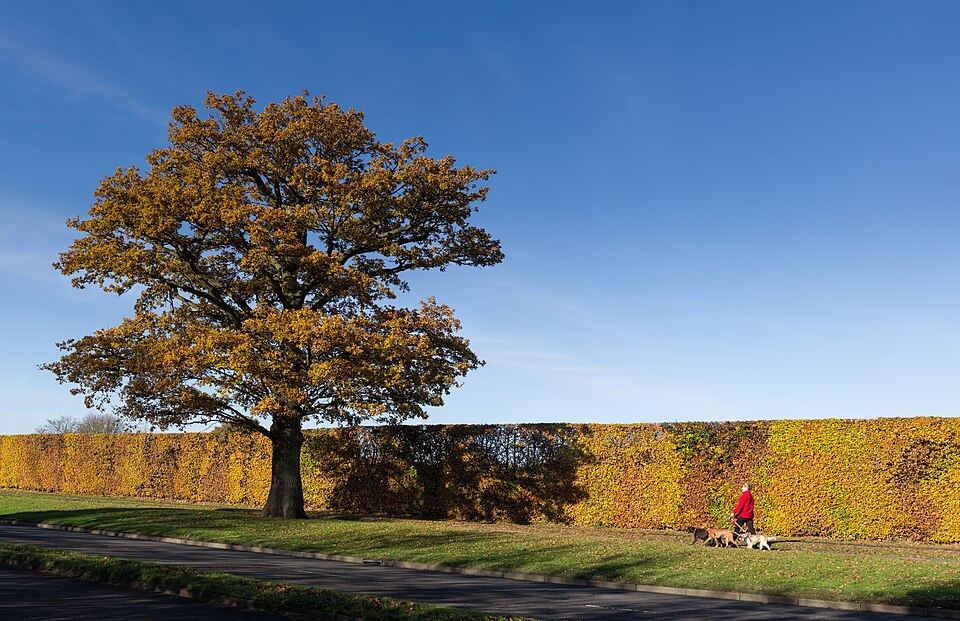
Walking through our suburb, I noticed how a hands-free lead changed my body language with people. With both hands free I could wave, hold a gate, or step aside for a pram without the lead tangling my arms, which made me a more courteous footpath user.
- Keep the dog at hip pace, not out in front.
- Shorten via the belt's traffic loop near roads.
- Step off the path for oncoming prams and wheelchairs.
- Free hands made me a more courteous footpath user.
Small courtesies kept Wally welcome on streets where off-balance owners get glared at.
When I still reach for a normal lead
There are days the handheld lead wins. A vet visit, a tight school-run footpath, or a session teaching Wally something new all call for the precise control of a handle in my hand. The hands-free belt is a convenience, not a cure for poor manners.
My advice after a month is to own both and choose by situation. Build loose-lead habits on a standard lead first, then let the belt take the load on errand days. That order is what made the hands-free experiment feel like a win rather than a gimmick.
What I would tell a first-timer
If you are about to try a hands-free lead, give it a week before you judge it. The first walks feel wrong because your hands are empty and your habits are old, and that awkwardness is normal rather than a sign it will not work for you.
Start somewhere quiet, keep a normal lead in your pocket for busy moments, and let your dog's manners lead the decision. The belt is a lovely tool once it clicks, but it is not a fix for a dog that has never learned to walk without pulling, so build that base first.
If the belt ever feels wrong after the first fortnight, do not push through it. A hands-free lead suits steady walkers, not a dog that spins at every scent, and forcing it only teaches you both bad habits. Swap back to a handheld lead for a week, rebuild the loose-lead basics, then try the belt again with fresh eyes and a calmer expectation of what it is for.
| Situation | Did it help? | Notes |
|---|---|---|
| Carrying coffee or bags | Yes | Hands free made a real difference |
| Rainy walk with umbrella | Yes | Much easier than a handheld lead |
| Quiet reserve stroll | Yes | Relaxed and comfortable |
| Busy school-run footpath | No | Kept a short lead instead |
| Beach morning | Yes | Great for juggling gear |
Frequently Asked Questions
Is a hands-free lead safe for a puppy?
It can be, provided your puppy already walks on a loose lead without constant pulling. The waist belt spreads pressure so a small jolt will not yank your arm, but a tiny pup still needs gentle guidance. Start in a quiet area and keep a standard lead handy for busy moments until you both settle in.
Do I lose control without a handle?
You trade a hand grip for body control, which is different rather than worse. You steer with your pace and direction, and most belts have a short traffic handle near the dog for tight spots. For everyday walking it felt safe once I stopped reaching for a handle that was not there.
Can I run with a hands-free lead?
Many people do, and the belt suits a steady jog, but build up slowly with a dog that is old enough and fit enough to run. We focused on errands and walks rather than running, which kept it low pressure. Check your council's rules on where running dogs are permitted.
How do I stop my dog pulling on it?
Teach loose-lead manners on a normal lead first, then transfer those habits to the belt. If your dog pulls, a waist clip will tug your hips, so consistency matters more than the gear. Reward check-ins and change direction whenever the lead goes tight.
What should I look for when buying one?
Look for a padded, adjustable waist belt and a sturdy clip rated well above your dog's weight. A bungee section softens jolts, and a separate traffic handle is handy near roads. Most decent setups sit between thirty and sixty dollars at Australian stockists.
Looking for dog leads & walking gear?
We stock the gear covered in this guide, with Australia-wide shipping and Afterpay at checkout.
Popular in this range: mesh harness & lead set · bungee car seat belt
Shop Leads & Walking at Paws of Oz