Five Leads in Five Years: What Our Dog Actually Needed
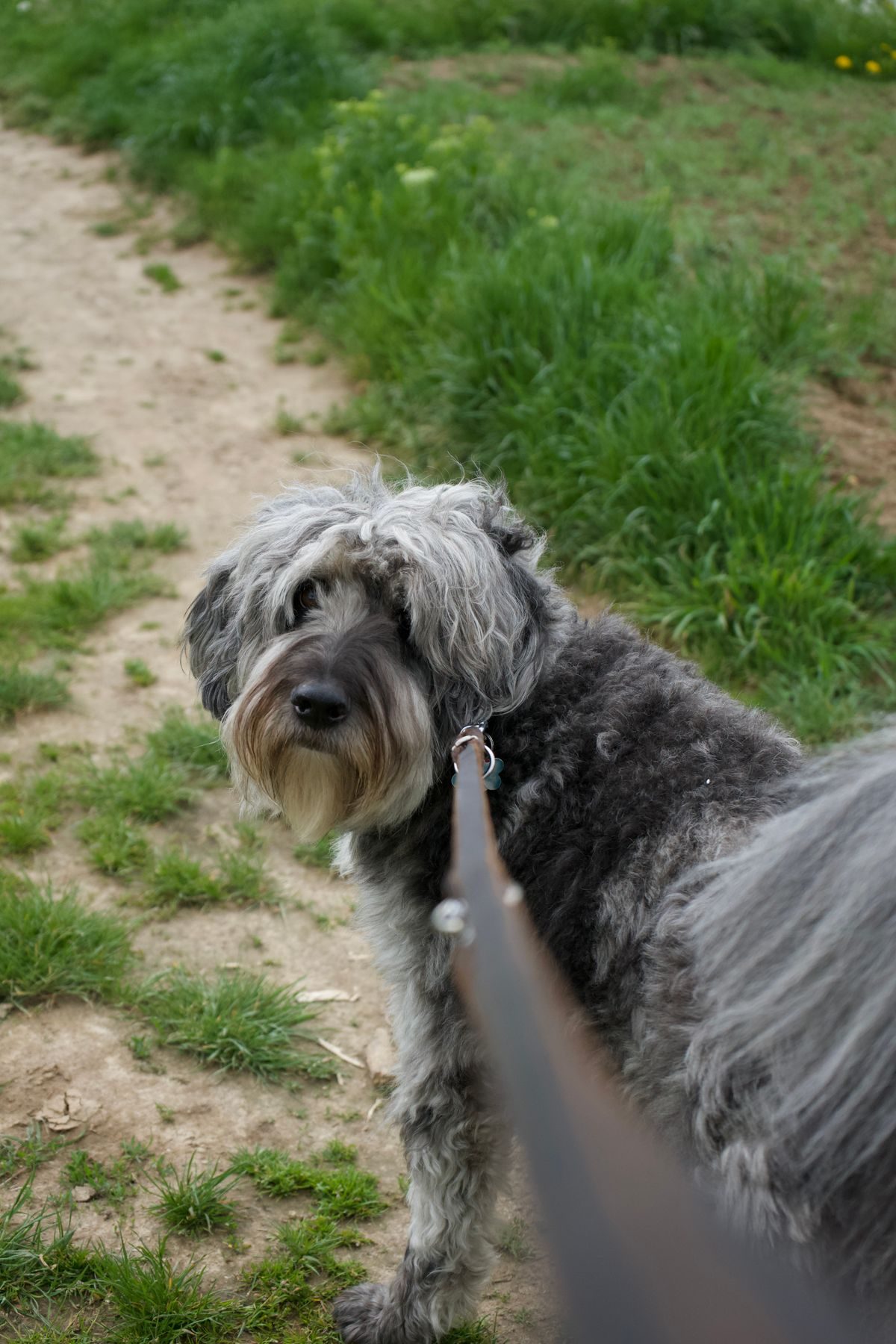
Short answer: most households need far fewer leads than the pet aisle suggests. After five years and five leads with our rescue Cavoodle Wally, the gear that earned its place was practical, not flashy. A sturdy two-metre flat lead handled daily walks, a five-metre long line covered training and beach runs, and a hands-free lead eased my shoulders on errand days. The cheap retractable we tried simply did not suit our footpaths, and that early miss taught me to choose with care rather than by colour.
The first two leads that did not last
Our first lead came from a supermarket near our Perth rental and cost about twelve dollars. The clip felt light and the webbing stiffened after weekly beach trips, sticking shut after a dunk in the surf. A well meaning friend then lent us a retractable, but the thin cord cut my palm when Wally lunged at a skateboard and I could not shorten him near traffic.
We returned the retractable after two walks. Both misses taught the same lesson: check the hardware and match the lead to where you actually walk, not to how it looks on the shelf. A lead that fights you on a busy footpath is no bargain, no matter how cheap it was.
The flat lead that became the daily driver
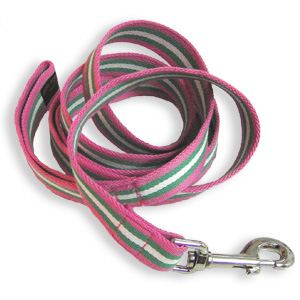
A twenty-dollar biothane flat lead turned into our workhorse. It wiped clean after muddy parks, did not hold the damp smell of nylon, and the clip never seized. The width sat comfortably in my hand on longer strolls and the colour held through a Perth summer that faded everything else on the balcony.
We kept the length at two metres, which is enough freedom without letting Wally wander into someone's front step. If I could only keep one lead, this is the one that would stay on the hook. The clasp never once stuck, even after a full dunk at Cottesloe, and that quiet reliability is exactly what you want from the lead you reach for every single morning.
Why the long line earned a weekend spot
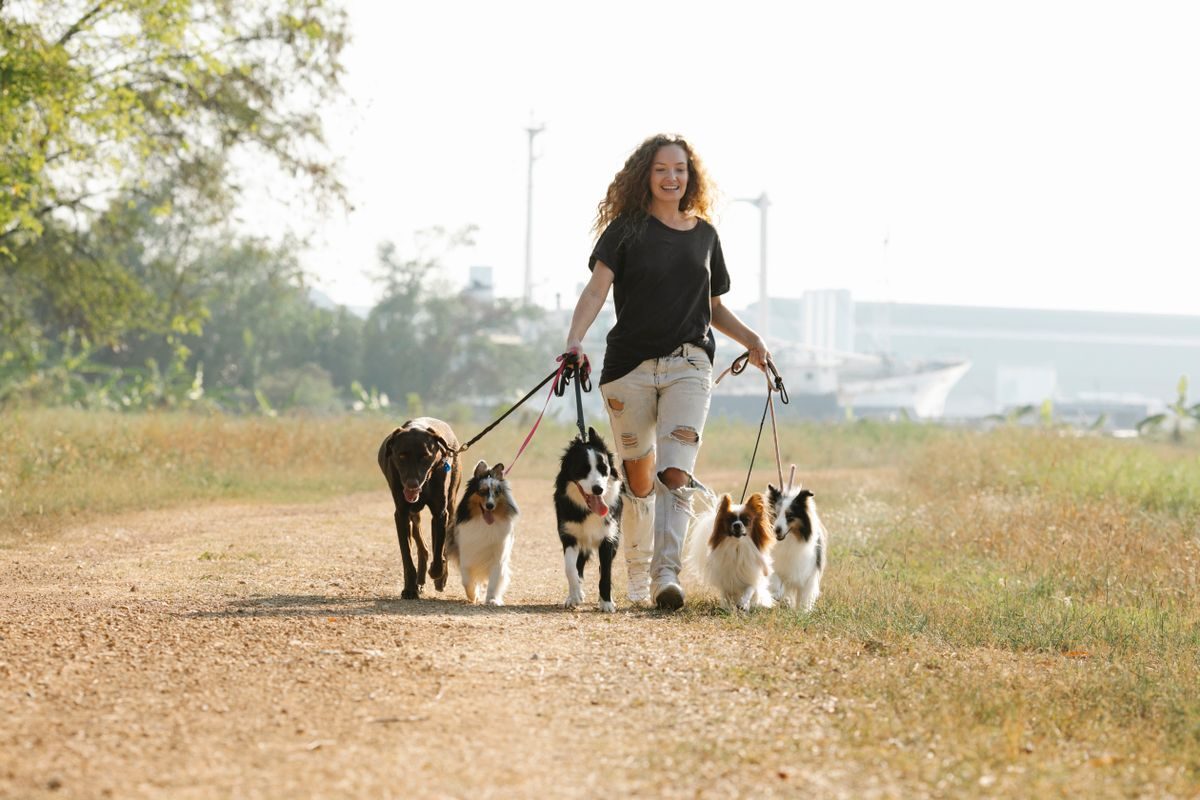
The five-metre long line joined the gear bag for beach mornings and reserve training. At an off-lead area it let Wally range and sniff while I stayed connected, which kept us both legal and relaxed. On a quiet stretch of sand before the crowds arrived it was the difference between a bored dog and a happy one.
I would not use it on a suburban footpath, where the extra line becomes a trip hazard and annoys neighbours. The long line is a tool for open, permitted space, not a replacement for the daily lead. Learning that boundary saved us a few awkward moments with other walkers.
The hands-free lead for errand days
Once Wally was steady on a flat lead, a waist-clip hands-free setup changed how I managed coffee, shopping and an umbrella. The line sat at my hips and left both hands free for the ordinary clutter of a morning walk, which sounds small until you try carrying a takeaway cup and a roll of poop bags at once.
It took a week to trust the belt and stop reaching for a handle that was not there. On rainy Perth days the hands-free clip meant Wally stayed close without me dropping anything important. For errands it became the lead I grabbed most, while the flat lead stayed the default for training.
What we stopped buying
We stopped buying on impulse and started buying for the walk we actually do. That meant no more retractables, no more thin webbing that frays by the coast, and no more leads that look clever but fail the first time Wally spots a jogger. Quality over quantity became the rule.
- Cheap webbing: fine as a spare, not your only lead.
- Retractable: stressful near traffic, kept only for open parks.
- Fashion leads: pretty, but read the stitching before you trust them.
- Buying for the walk you do beats buying on impulse.
Three leads now cover our week, and the hook by the door is calmer for it.
Matching the lead to the walk
The habit that stuck was choosing the lead like I choose shoes: match it to the outing. Short flat lead for footpaths and cafes, long line for beaches and reserves, hands-free for errands and drizzle. Wally gets the same clear guidance whatever I clip on, which keeps his manners consistent.
If you are starting out, buy one good flat lead and use it well before adding others. The five we owned taught me that the third or fourth purchase is usually the one you keep, so it pays to learn your dog's habits first and let the gear follow.
A note on budget and patience
Looking back, the money we wasted was not the cost of the leads but the impatience of buying five in five years. If I had bought one good biothane flat lead and a long line at the start, we would have covered most of our life and saved the faff of the rest. The lesson for a new owner is boring but true: wait, watch your dog, then buy once.
Budget leads still have a place as a spare in the car, but the daily lead deserves a little spend. In my experience the sweet spot is a lead that feels solid in the hand and clips cleanly after a year of salt and sun, not the cheapest thing on the rack or the priciest thing with a logo.
| Lead type | Best use | Approx. cost (AUD) | Still in use? |
|---|---|---|---|
| Cheap webbing | First walks, backup | $10 to $15 | No, retired |
| Retractable | Open parks only | $25 to $45 | No, returned |
| Biothane flat | Daily footpath walks | $20 to $35 | Yes, daily |
| 5m long line | Recall, beach, reserves | $25 to $40 | Yes, weekends |
| Hands-free | Errands, rainy days | $30 to $55 | Yes, often |
Frequently Asked Questions
How many leads does one dog really need?
Most dogs get by with two or three. A daily flat lead, a longer line for training or beach time, and optionally a hands-free lead for busy days covers nearly every situation. Buying five in five years taught us that quality matters more than quantity, and the extras mostly sat unused.
Is a retractable lead worth it in the city?
For footpath walking in busy suburbs we found it more stressful than helpful. The thin cord gives little control near traffic and can pinch your hand if the dog lunges. They work better in open, quiet spaces where your dog can roam safely. In a rental neighbourhood we preferred a fixed lead.
What length lead is best for daily walks?
A two-metre lead is the sweet spot for most footpath walks. It gives your dog a little room to sniff without letting them wander onto someone's property or into the road. Longer lines are brilliant for training but awkward in crowded areas, so keep a short one for everyday use.
Why did our cheap lead fail so fast?
Budget webbing soaking up surf and sun tends to stiffen and fade, and light clips can stick or weaken. For a dog that swims or walks daily, spend a little more on sealed hardware and a material like biothane that wipes clean. The cheap one is fine as a spare, not as your only lead.
Can a hands-free lead work for a puller?
It can, but only once your dog walks reasonably loosely on a normal lead. The waist belt spreads pressure across your body, which helps with a small dog, yet a strong puller will still yank your hips around. Build manners on a standard lead first, then switch to hands-free for convenience rather than control.
Looking for dog leads & walking gear?
We stock the gear covered in this guide, with Australia-wide shipping and Afterpay at checkout.
Popular in this range: headrest car tether · mesh harness & lead set
Shop Leads & Walking at Paws of Oz