Retractable Leads: The Injury Patterns a Vet Nurse Sees
Short answer: the injury patterns I see with retractable leads tend to be hands and arms from the cord, legs and tails from tangles, and necks from sudden jerks when the brake fails or is too late. I am a veterinary nurse, not a vet, so this is observation from the clinic floor rather than a diagnosis, and any sore dog should be checked by your own vet. The design is not evil, but the mechanics create risks that a fixed lead avoids, and in a busy suburb those risks show up more often than people expect.
Burned and cut hands
The thin cord moves fast and heats up under friction. When a dog hits the end or bolts, owners often grab the line and get a rope burn or a deep cut across the palm that we then dress and monitor for infection.
We see this most in warm weather when people wear sandals and short sleeves and have less protection. A fixed lead with a proper handle removes that sharp cord entirely, and the simple swap spares a lot of preventable hand injuries through the summer months.
Tangled legs and tails
Because the cord pays out loosely, it loops around a dog's hind legs or tail, especially with puppies that change direction quickly. The snap as it tightens can wrench a joint or frighten the dog into bolting, which makes everything worse.
That bolting then pulls the owner off balance and can mean a fall. Keeping the lead short in busy areas prevents most of these tangles before they start, and it is one of the easiest habits to build on a normal walk.
Neck jerks from late braking
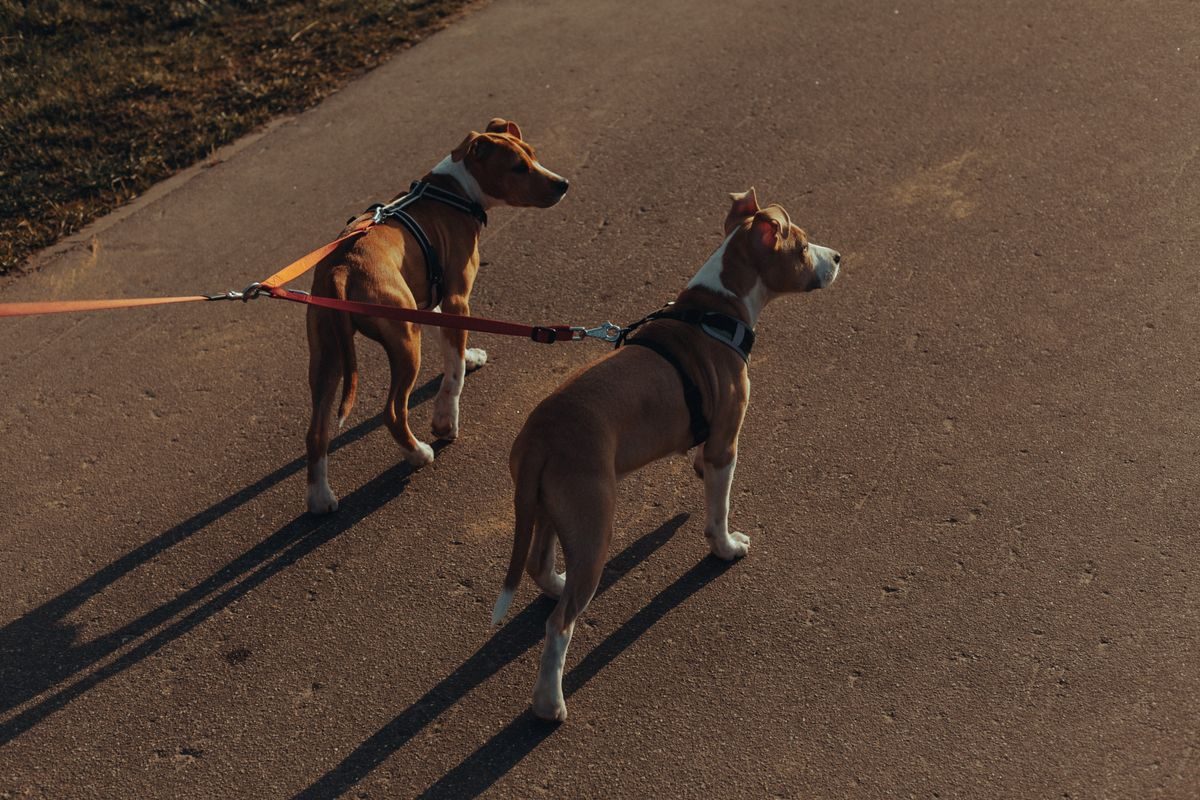
The brake button needs a deliberate press, and in a surprise moment it is often a beat too late. A dog that hits the end at speed gets a sharp jerk through the collar or harness that we feel in their posture afterward.
Repeated jerks are the sort of thing your vet should assess, particularly in older dogs or breeds with neck sensitivity. A standard lead gives steadier, predictable feedback, and you control the stop rather than a spring-loaded button that may not engage in time.
When the mechanism fails
Plastic housings crack and buttons stick, especially after sand or salt water gets inside. A lead that will not retract or release is a hazard on a footpath, and we see the failures spike after summer beach seasons.
- Rinse the housing after beach walks.
- Test the brake before each outing.
- Replace at the first sign of sticking or cracking.
- Retire a failing lead rather than risk one more walk.
A failing mechanism is not worth the risk, so retire it rather than hope it holds for one more walk.
Who is most at risk
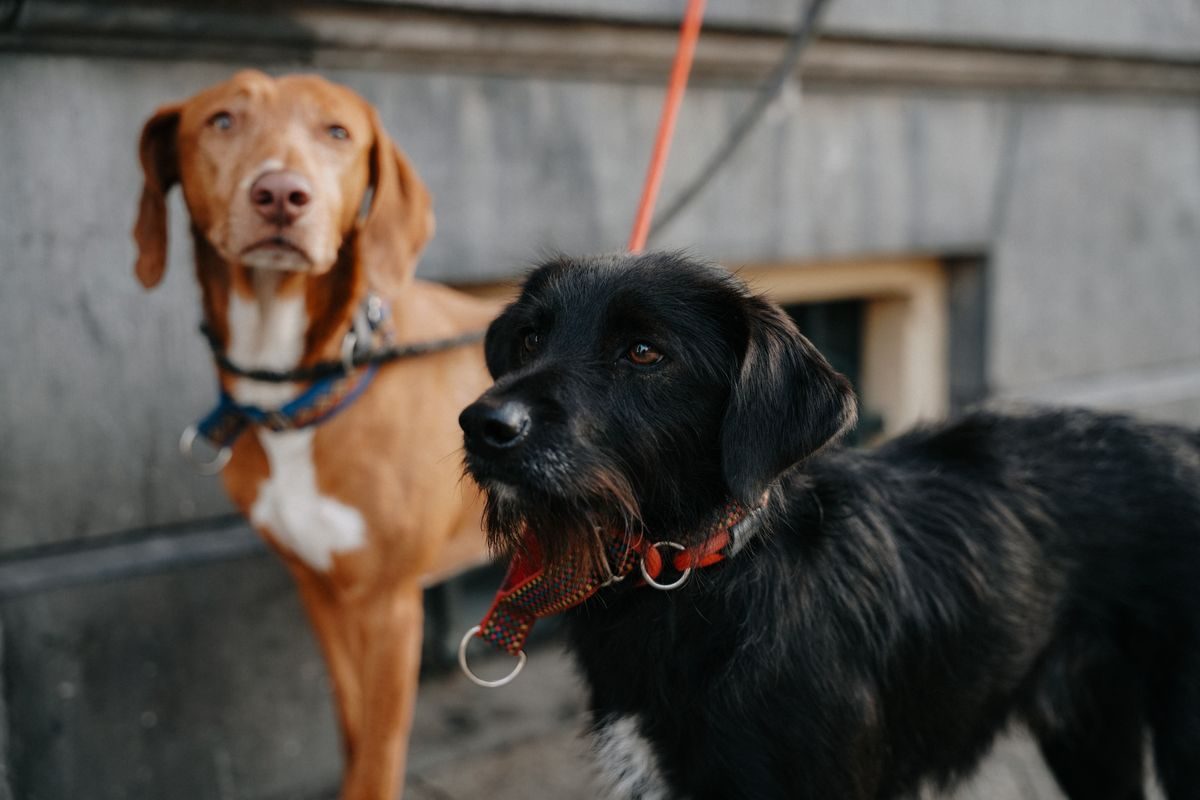
The owners I worry about most are those walking strong, excited dogs on a cord near traffic or other animals. Children and older people are more likely to be pulled off balance, and small dogs can suffer worse neck loads relative to their size.
It is not about blaming the owner. Many simply did not realise how the cord behaves until something went wrong. A calm chat at the clinic about fixed-lead alternatives often prevents the next injury, and that is the part I actually enjoy.
Safer alternatives on the clinic floor
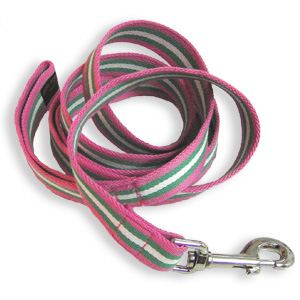
When owners ask, I point them to a simple fixed lead for daily walks and a long line for open training space. Neither has a fast cord or a fragile button, and both give clearer feedback to the dog about where the boundary is.
None of this is a diagnosis or a prescription. If a dog has already strained a neck or cut a paw on a cord, the right move is a vet check, then a gear rethink. The clinic sees the aftermath, and a plain lead is the change I suggest most often.
Talking to your vet about it
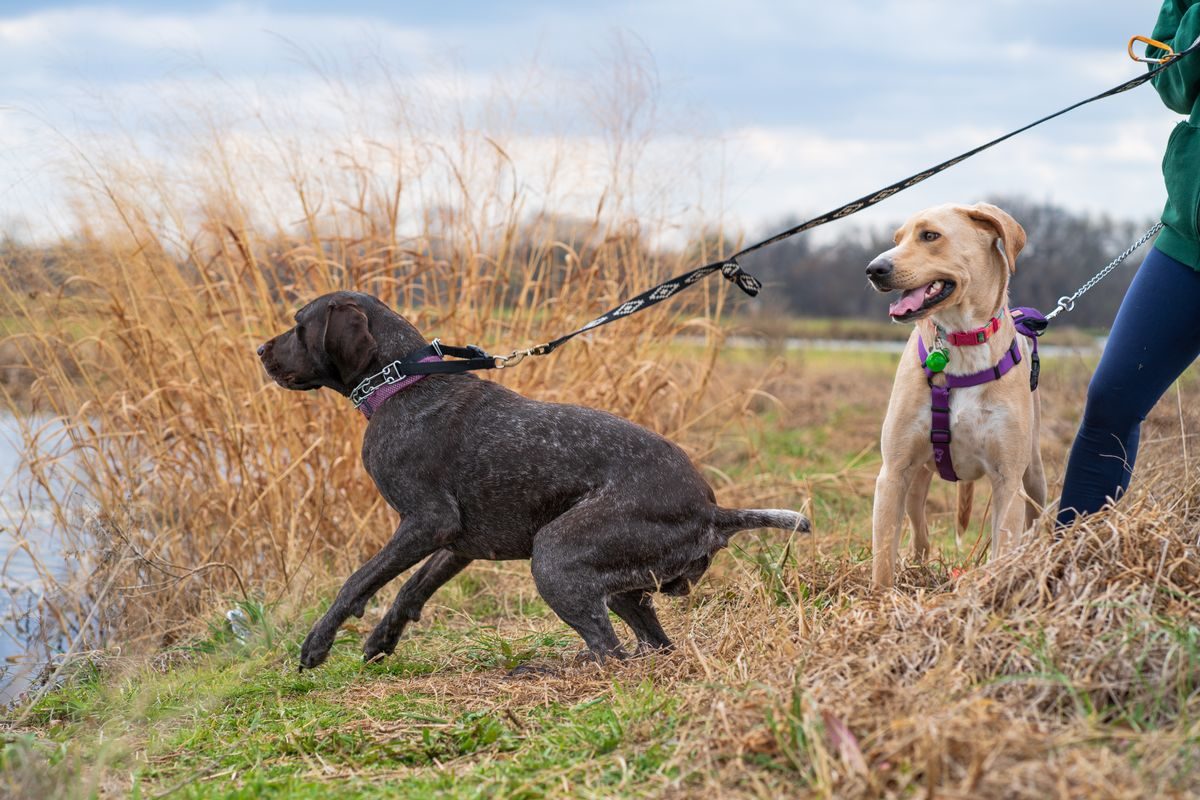
If your dog has had a fright or a fall on a retractable lead, please book a check rather than guessing. I am a nurse and can only describe patterns; your vet can examine the neck, the paws and the joints properly and rule out the things I cannot see.
The clinic is not the place for blame, and most of us would rather see the dog early than after a small problem has quietly grown. A short, honest chat about what happened on the walk helps your vet help your dog, and that is the whole point of being careful with gear.
There is also the quieter cost that never reaches a clinic note: the owner who loses confidence after a bad moment with a cord. I see people flinch before they even clip on, and that hesitation travels down the line to the dog. Swapping to a plain lead often restores the calm more than any training tip, because the gear finally does what they expect. A relaxed owner walks a relaxed dog, and the simplest fix is sometimes the lead in your hand rather than the one in your head.
| Injury pattern | Usual cause | Who it affects |
|---|---|---|
| Palm rope burn | Grabbing the cord | Owner |
| Leg or tail tangle | Loose looping line | Dog |
| Neck jerk | Late brake press | Dog |
| Falls | Dog bolts, pulls owner | Owner |
| Housing failure | Sand or salt ingress | Both |
Frequently Asked Questions
Are retractable leads unsafe for every dog?
They are not automatically unsafe, but the risks rise with a strong, fast or easily startled dog, and in crowded or roadside areas. A fixed lead gives clearer control and avoids the cord burns we see often. If you use one, keep it locked short in busy spots and ask your vet which option suits your dog.
My dog pulled and yelped on a retractable, what now?
Stop walking, keep them calm, and book a check with your vet, especially if there is limping, neck sensitivity or odd behaviour afterwards. As a nurse I cannot diagnose, but a sudden yelp at the end of the line is worth a professional look to rule out strain or injury.
Can I protect my hands from the cord?
The simplest protection is not to grab the cord at all, and to use a fixed lead with a padded handle for control. If you keep a retractable, wear long sleeves near the housing and never wrap the line around your hand. Prevention beats a clinic visit every time.
Is a harness safer than a collar with these leads?
A well fitted harness spreads pressure away from the neck, which many owners prefer, but it does not fix the cord or tangle risks. The lead type matters as much as the attachment point. Discuss fit and style with your vet, who can match gear to your dog's body and behaviour.
When should I retire a retractable lead?
Retire it the moment the brake sticks, the housing cracks, or the cord frays. Salt and sand from Australian beaches speed up that wear. A failing mechanism is a real hazard, so replace it rather than risk a stuck release during a walk.
Looking for dog leads & walking gear?
We stock the gear covered in this guide, with Australia-wide shipping and Afterpay at checkout.
Popular in this range: mesh harness & lead set · hands-free running leash
Shop Leads & Walking at Paws of Oz