Loose-Lead Walking Foundations: The Flat-Lead Drills That Stop Pulling
Short answer: loose-lead walking starts on a plain flat lead with clear rules, not fancy gear. The drill is simple: the walk only continues when the lead is slack, and it pauses the instant it tightens. Over two or three weeks of short, repeat sessions, most dogs learn that pulling gets them nowhere while a relaxed lead opens up the world. I am a certified trainer and these are the exact steps I give Melbourne clients before we ever touch a long line. Build this base first and everything else, from recall to beach freedom, becomes easier.
Step one: the standing still rule
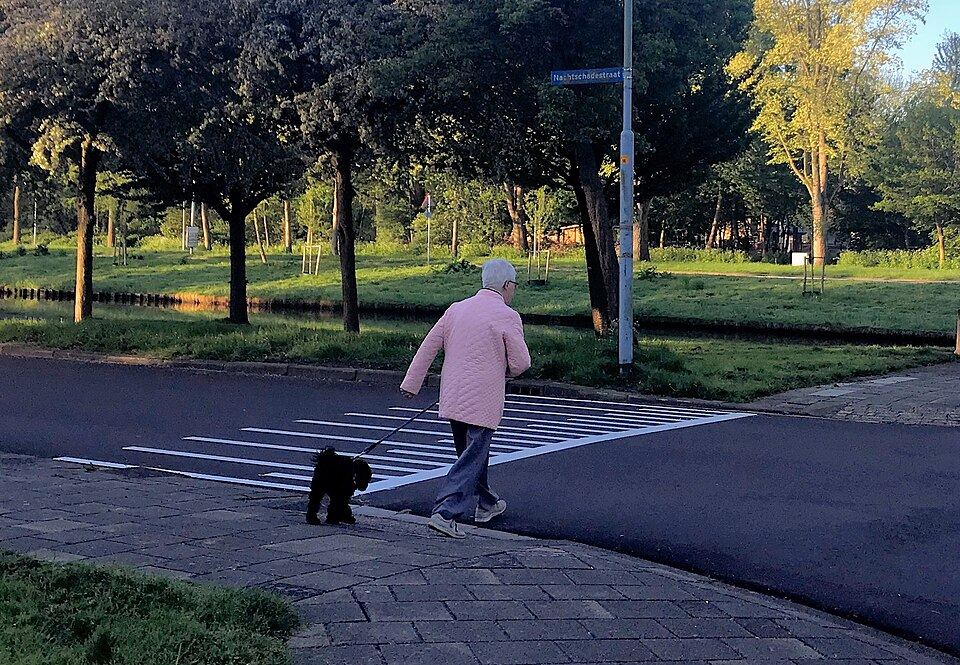
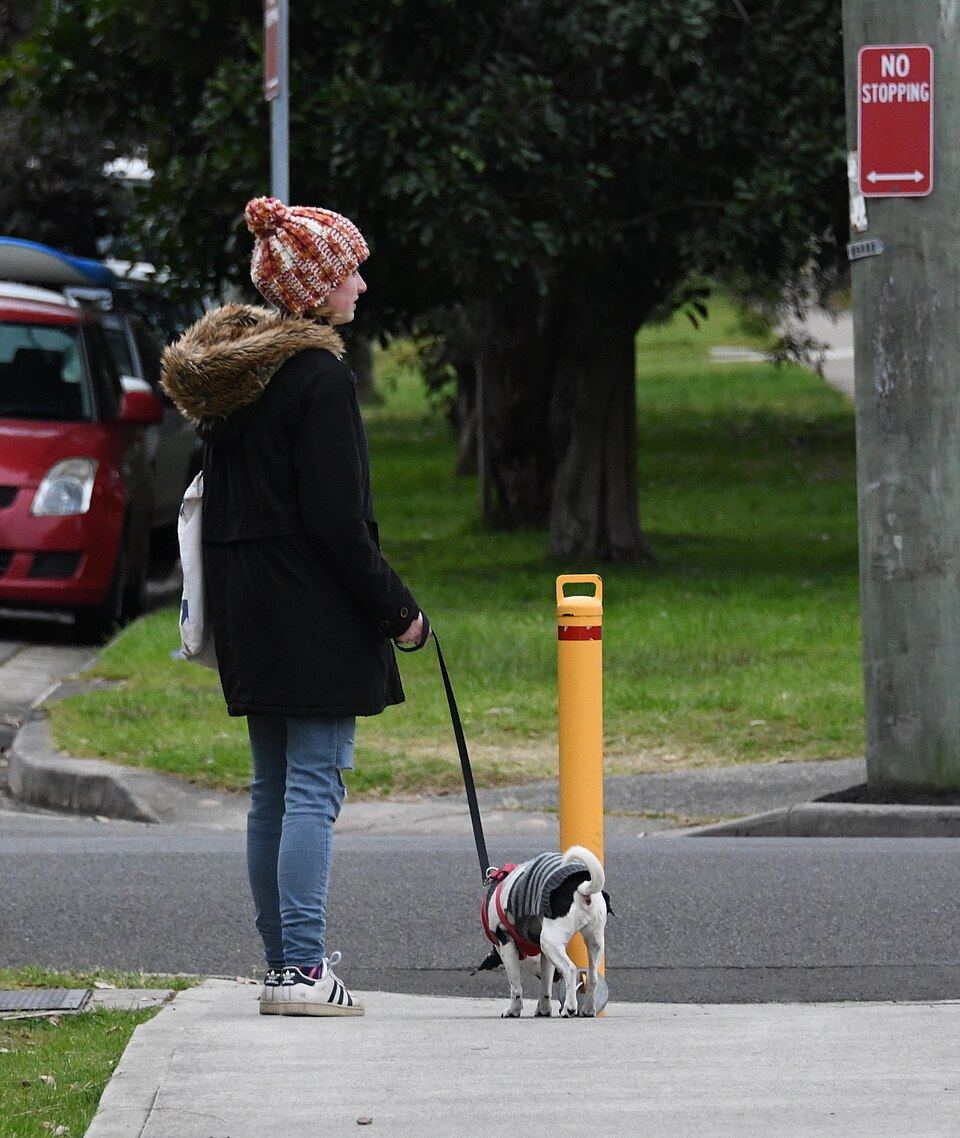
Clip on a standard flat lead and stand still. The moment your dog pulls, you stop like a tree and wait. Movement resumes only when the lead goes loose, even for a second, so the dog learns that pulling freezes the fun.
Dogs are smart about cause and effect. Within a few repeats they realise pulling earns nothing and slack earns the walk. Keep these bursts to a minute or two at first, because the lesson lands best when the dog is still keen and not yet frustrated.
Step two: one step at a time
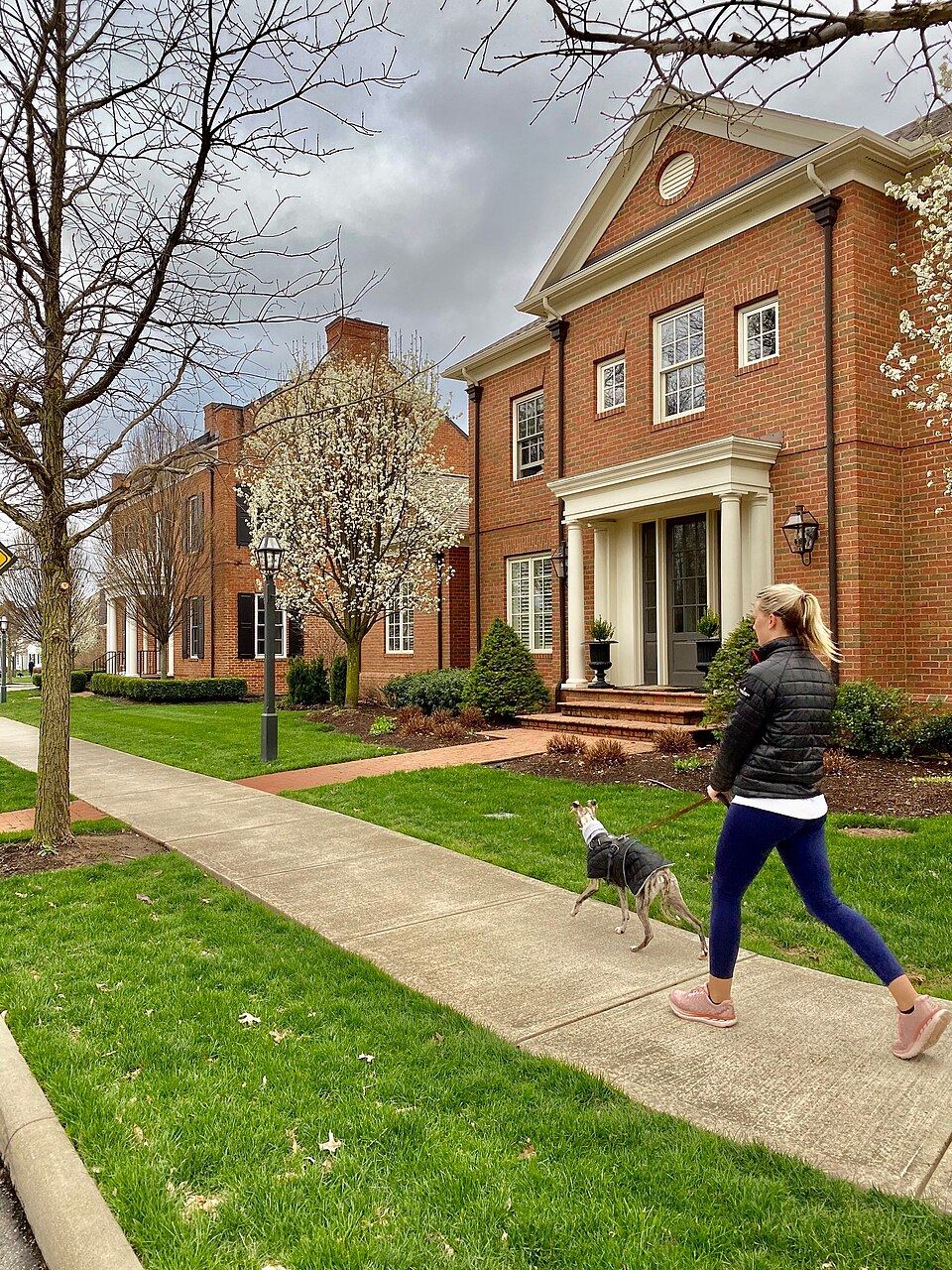
Once standing still works, take a single step and reward any slack lead with a treat at your side. If the lead tightens, stop again and reset, without a telling-off or a yank that confuses the message.
This teaches position without lengthy lectures. Banjo, my kelpie-cross, learned the side position faster with tiny steps than with long drags down the street, because every step was a small, clear win he could repeat.
Step three: change of direction
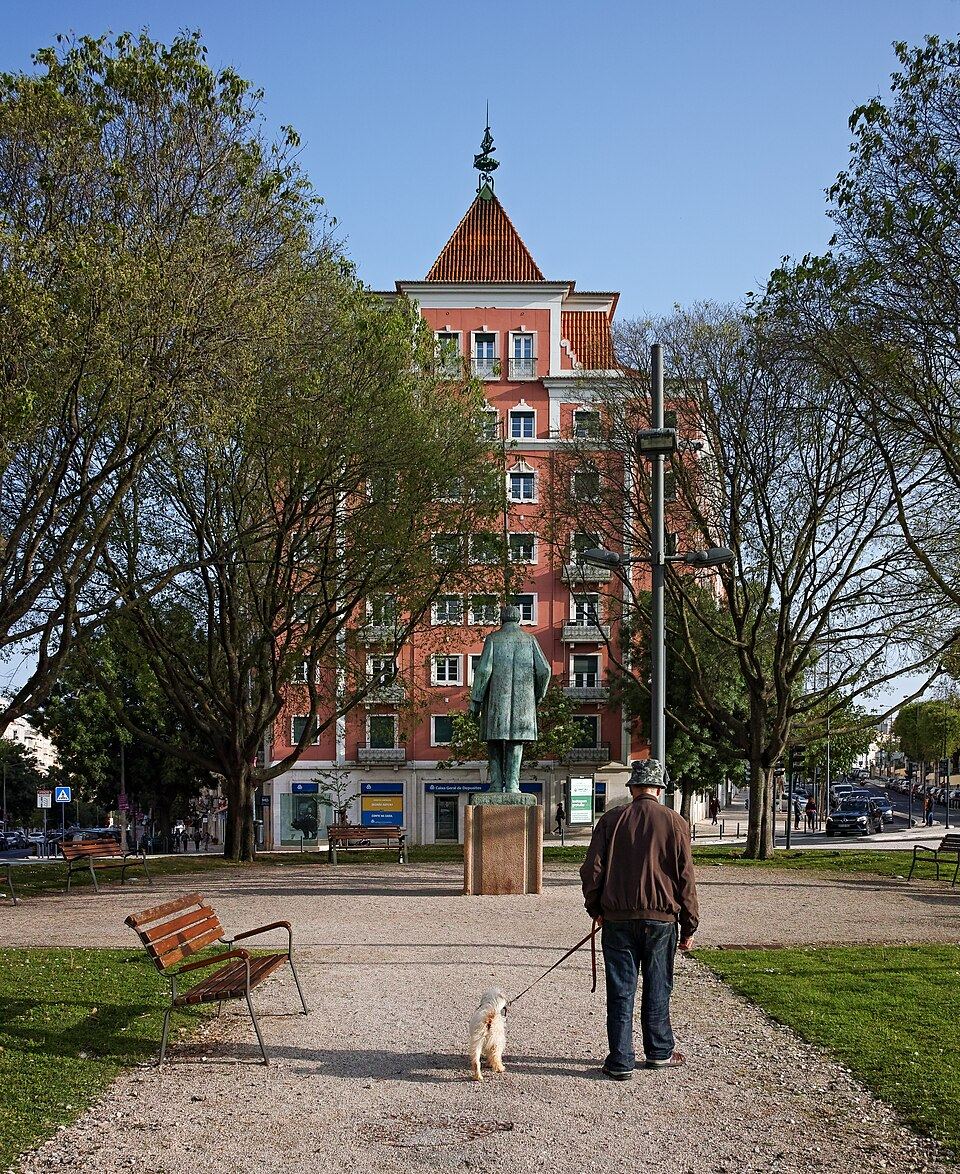
When your dog pulls ahead, turn and walk the other way. The lead slackens as they swing to follow, and you reward the check-in with a soft word or treat the moment they glance back at you.
- Keep turns calm, not yanks.
- Reward eye contact when they glance back.
- Practise in a quiet spot before busy streets.
- Turning away slackens the lead and keeps the dog with you.
Direction changes teach the dog that staying with you is the job, wherever you happen to go.
Step four: real-world layers
Add distractions slowly: a parked car, then a distant dog, then a busier footpath. Each new layer may bring a little pulling, so drop back a step and rebuild rather than pushing through a meltdown on the footpath.
Training is not linear. A few five-minute sessions across the week beat one long frustrating march, and the dog stays happy to practise. Consistency in short doses is the whole secret behind reliable loose-lead walking.
Dealing with setbacks
Some weeks a dog regresses, often after a holiday, a move, or a scary encounter. That is normal, not failure, so return to step one for a few sessions and let the foundation settle before layering distractions again.
I tell clients to expect two steps forward and one back. The dog is not being stubborn on purpose; the old habit simply resurfaces under stress. Patient resets fix it faster than frustration, and the loose lead returns within days usually.
Moving toward the long line
Once your dog walks on a loose flat lead in mildly distracting places, you can add a long line for recall games. The long line is for freedom and safety, not for fixing pulling, so the foundation must come first.
If you skip ahead, you simply get a longer pulling lead, which helps nobody. Earn the long line with a solid flat-lead base, then enjoy the extra room it gives at the beach or the reserve. The order is what makes the upgrade feel like a reward.
Gear that helps and gear that hides
A flat lead and a pocket of treats are enough to teach loose walking, and I would rather owners master those than reach for a gadget. Head halters and front-clip harnesses can help, but they can also mask pulling if the underlying rule is never taught.
Use extra gear as a support, not a shortcut. The dog that walks loosely because it understands the slack-lead rule will behave the same in any equipment, while a dog relying on a device often falls apart the moment it comes off. Build the habit, then add the tool if life calls for it.
A word on timing, because owners often ask how long this should take and the honest answer is that it depends on the dog and the consistency at home. A young, keen dog with two short sessions a day often looks loose on a flat lead within a fortnight, while an older dog with a long pulling history may need nearer a month of patient resets. The trap is cramming a long weekend of drilling and then expecting it to stick; the dog learns the rule from repetition, not intensity. If you train three minutes daily across a fortnight you will beat one grim hour-long march, and the dog will still like going out with you, which is the point.
| Week | Focus | Session length | Goal |
|---|---|---|---|
| 1 | Stand still, slack earns walk | 2 to 3 min | Dog stops pulling to freeze |
| 2 | Single steps, side reward | 5 min | Walks a step on slack |
| 3 | Turns and check-ins | 5 to 10 min | Checks back when turning |
| 4 | Add distractions | 10 min | Stays loose near triggers |
Frequently Asked Questions
How long until my dog stops pulling?
Most dogs show real improvement in two to four weeks with short daily sessions, though stubborn pullers take longer. Consistency matters more than duration, so five minutes of correct practice beats a half hour of mixed messages. If progress stalls, drop back to an easier step and rebuild from there.
Do I need a special lead for this?
A plain flat lead about two metres long is ideal for the foundation. Save head halters and long lines for later stages once the basics are solid. Fancy gear can mask pulling without teaching the dog the slack-lead rule that actually fixes it.
Why does my dog pull harder near other dogs?
Excitement or frustration kicks in, and the old habit of pulling to get somewhere returns. Lower the difficulty by increasing distance, then reward calm looks. Build the foundation in calmer settings first, and only add the trigger once the loose lead is reliable without it.
Should I use treats or a collar correction?
I teach with rewards and clear pauses rather than corrections, which keeps the dog confident and willing. A flat lead and timing do the teaching. If you use a collar, keep it gentle and consistent, and consider a harness if your dog is sensitive in the neck.
When can we move to a long line?
Once your dog walks on a loose flat lead in mildly distracting places, you can add a long line for recall games. The long line is for freedom and safety, not for fixing pulling, so the foundation must come first or you will simply have a longer pulling lead.
Looking for dog leads & walking gear?
We stock the gear covered in this guide, with Australia-wide shipping and Afterpay at checkout.
Popular in this range: mesh harness & lead set · hands-free running leash
Shop Leads & Walking at Paws of Oz