The Best Leads for Strong Pullers: What the Stitching Tells You
Short answer: for a strong puller, ignore the colour and read the construction. Look for box-stitched connections at the clip and handle, a webbing or leather rated well above your dog's weight, and a metal clip with a screw lock or a thick spring. I founded a regional pet gear store, so I see the returns, and the leads that fail almost always break at a seam or a cheap clip rather than along the strap. A careful five-second inspection at the counter tells you more than the marketing on the front of the packet, and it is a habit every owner of a powerful dog should build.
Read the stitches first
The join where the clip meets the lead takes the full jolt of a lunge. A box stitch, where threads cross in a tight square, spreads that load far better than a single row that can unravel from one snapped thread.
Run a fingernail along the seam. If the stitching is loose, uneven or sparse, the lead will not survive a determined puller no matter how tough the webbing looks on the roll. This is the first thing I check on every lead that comes back to the shop.
Webbing versus leather
Wide webbing spreads pressure and resists snap, while quality leather with a rolled edge ages into a strong, grippy lead. Both work; the weak link is usually the hardware, not the strap, so do not overthink the material.
For very strong dogs we suggest a lead at least 20 millimetres wide. Narrow tape cuts your hand and the seams work harder on every jerk, which is why a slender fashion lead is the wrong tool for a dog that pulls with feeling.
The clip is the real weak point
A stamped metal clip with a thin spring is the most common failure we see. A cast or machined clip with a screw-lock gate holds up far better under load, and it will not pop open if the dog brushes a gate.
- Check the spring returns snappily.
- Look for a rating above your dog's weight.
- Avoid plastic clips for any dog over fifteen kilos.
- A screw-lock gate clip will not pop open at a gate.
The clip is where the money should go, because that is where the lead lives or dies.
Handle and traffic tab
A puller yanks the handle, so a reinforced loop with double stitching matters. A short traffic tab near the clip lets you shorten the dog beside roads without losing control, which is a small feature that earns its keep daily.
These small details separate a lead built for real pulling from a fashion strap that looks the part and then lets you down at the worst moment. At the counter I point them out, because they are easy to miss on a packed shelf.
Matching to your dog's size
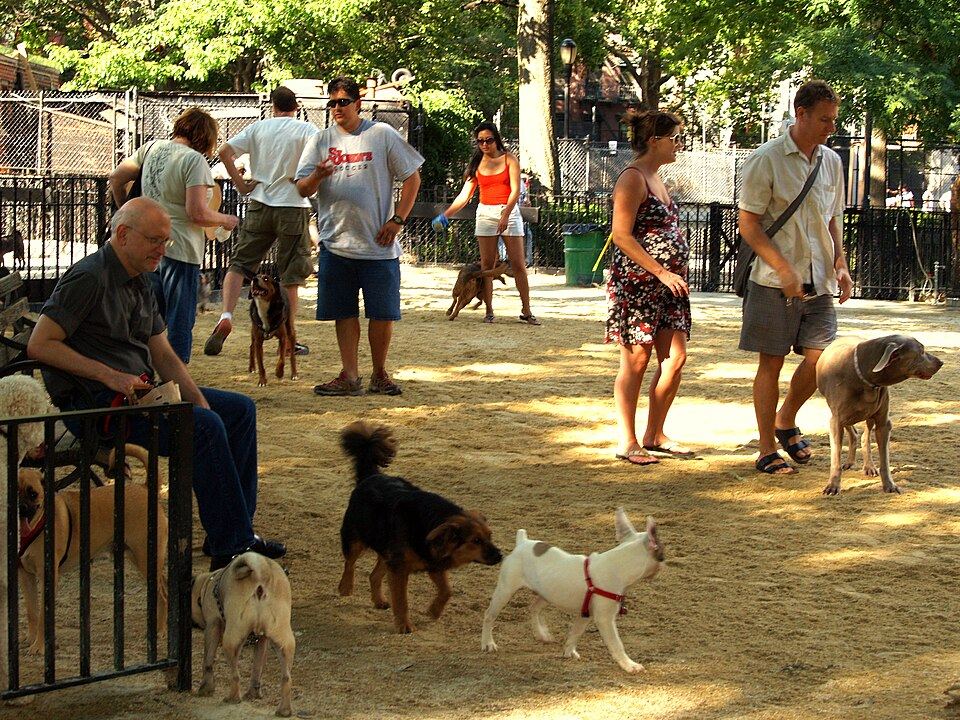
Match the lead to the dog, not to the photo. A forty-kilo bull breed needs a wider, heavier build than a fifteen-kilo staffy, and a toy breed is better served by a light clip that will not weigh its neck down.
Bring your dog's weight and habits to the shop and let the gear follow. Owners who buy by breed stereotype often end up with the wrong width, and the returns counter is where that mistake shows up a few weeks later.
When to spend more
Spend up when the dog is strong, young, or still learning manners, because that is when the lead works hardest. A cheaper lead that fails costs more in the end than one solid purchase that outlasts the pulling phase.
Once the dog settles, you can relax the budget for everyday use. But the lead you rely on during training should be the best-made one you can afford, with the stitching and clip to prove it.
Returns and what we see at the counter
The leads that come back to us tell a consistent story: a clip that gave up, a seam that unravelled, or a width too slim for the dog. Almost none fail because the material was genuinely worn out, which is why I nag customers about construction over colour.
If you are within the return window and the fault is clearly manufacturing, use it. If it is normal wear, spend the refund on a better-made lead rather than the same mistake twice. Either way, the counter is where the pattern becomes obvious, and a good shop will show you exactly what went wrong.
A last note on price, because the question always comes up eventually: spend where the load lands, not where the label is. A dearer lead with a humble look but a cast clip and box stitch will outlast a pricier designer strap with weak seams, and the dog does not care which one photographs better. At the counter I point owners at the construction first and the colour last, and the returns tell the story months later. Buy the strength, wear the plain, and let the savings go toward a second lead for the car rather than a logo on the first.
| Feature | Weak version | Strong version |
|---|---|---|
| Clip join | Single row stitch | Box stitch |
| Webbing width | 15 mm or less | 20 mm plus |
| Clip type | Plastic or stamped | Cast with screw lock |
| Handle | Single stitch loop | Reinforced double |
| Traffic tab | None | Short reinforced tab |
Frequently Asked Questions
What lead width is best for a strong dog?
Aim for at least 20 millimetres of webbing or a rolled leather of similar strength. Wider material spreads the load, feels safer in your hand, and reduces the chance of a seam giving way. Narrow tape may look neat but works harder on every pull and can cut your palm during a lunge.
Are retractable leads okay for pullers?
We steer strong pullers away from retractables. The thin cord and plastic housing are not built for heavy, repeated jerks, and the late brake adds a sharp neck load. A fixed lead with a solid clip gives steadier control and is what we recommend at the counter for powerful dogs.
How can I tell a clip is strong enough?
Look for cast or machined metal with a screw-lock or thick spring, and a rating above your dog's weight. Give it a few open-close tests; a sluggish spring is a red flag. Plastic clips are fine for toy breeds but not for anything over about fifteen kilos.
Should I use a lead or a harness for pulling?
Use both, with a purpose. A front-clip harness takes pressure off the neck and discourages pulling, while a strong fixed lead keeps you connected. The lead alone will not fix the habit, so pair the gear with training. Good construction on both pieces matters for a powerful dog.
Why did my last lead snap at the clip?
Most snaps happen at the clip-to-lead seam or the clip itself, not along the strap. A weak spring, a single row of stitching, or a load beyond the rating is usually to blame. Next time, inspect the box stitch and choose a metal clip rated well above your dog's weight before you buy.
Looking for dog leads & walking gear?
We stock the gear covered in this guide, with Australia-wide shipping and Afterpay at checkout.
Popular in this range: mesh harness & lead set · escape-proof harness set
Shop Leads & Walking at Paws of Oz