Biothane vs Nylon vs Rope: Six Months of Mud, Salt and Sun
Short answer: after six months of deliberate abuse in Australian conditions, biothane stayed clean and smelling fresh with almost no care, nylon soaked up everything and faded but kept its strength, and rope developed a soft character that some owners will love even as it weathered. I run a regional pet gear store, so this is a real-world wear test rather than a brochure. None of the three failed outright, but they age very differently, and the right pick depends on whether you value easy cleaning, low cost, or a grippy natural feel on long walks.
The test we put them through
Each lead went on daily walks for six months across three conditions: muddy reserve trails after rain, salt water at the beach, and full summer sun on the balcony. We wanted to mimic a normal coastal owner, not a lab.
We noted colour hold, smell, stiffness, and any fraying at the clip. The aim was honest wear, the kind you see at the counter when a customer brings a lead back and says it just does not feel new anymore after a season.
Biothane: the low-maintenance champion
Biothane is a coated webbing that wipes clean with a damp cloth. After beach dunks it dried fast and never held that wet-dog smell that haunts nylon through a Perth summer of swimming.
The colour stayed true and the coating showed only light scuff marks. For a busy owner it is the easiest lead to live with, though it can feel a little stiff in winter and some dogs find the smooth surface slippery to grab if they lunge.
Nylon: the honest workhorse
Nylon is cheap, widely available, and strong for its weight. It absorbed mud and salt, so it needed a proper wash now and then to avoid stiffness and the kind of odour that lingers in a hot car.
- Costs the least of the three.
- Holds dye but fades in direct sun.
- Easy to replace if it wears out.
- Nylon soaks up mud and salt, so rinse it after the beach.
For a first lead or a backup, nylon is hard to fault if you are willing to rinse it now and then after the beach.
Rope: the character builder
A braided rope lead felt lovely in the hand and softened with use, which many handlers prefer on a long stroll. It did, however, hold more water and took longer to dry after the surf than either of the others.
Over months the outer fibres relaxed and light fuzzing appeared near the clip. It never failed in our test, but it asks for a bit more care, and owners who dry it properly tend to love it the longest.
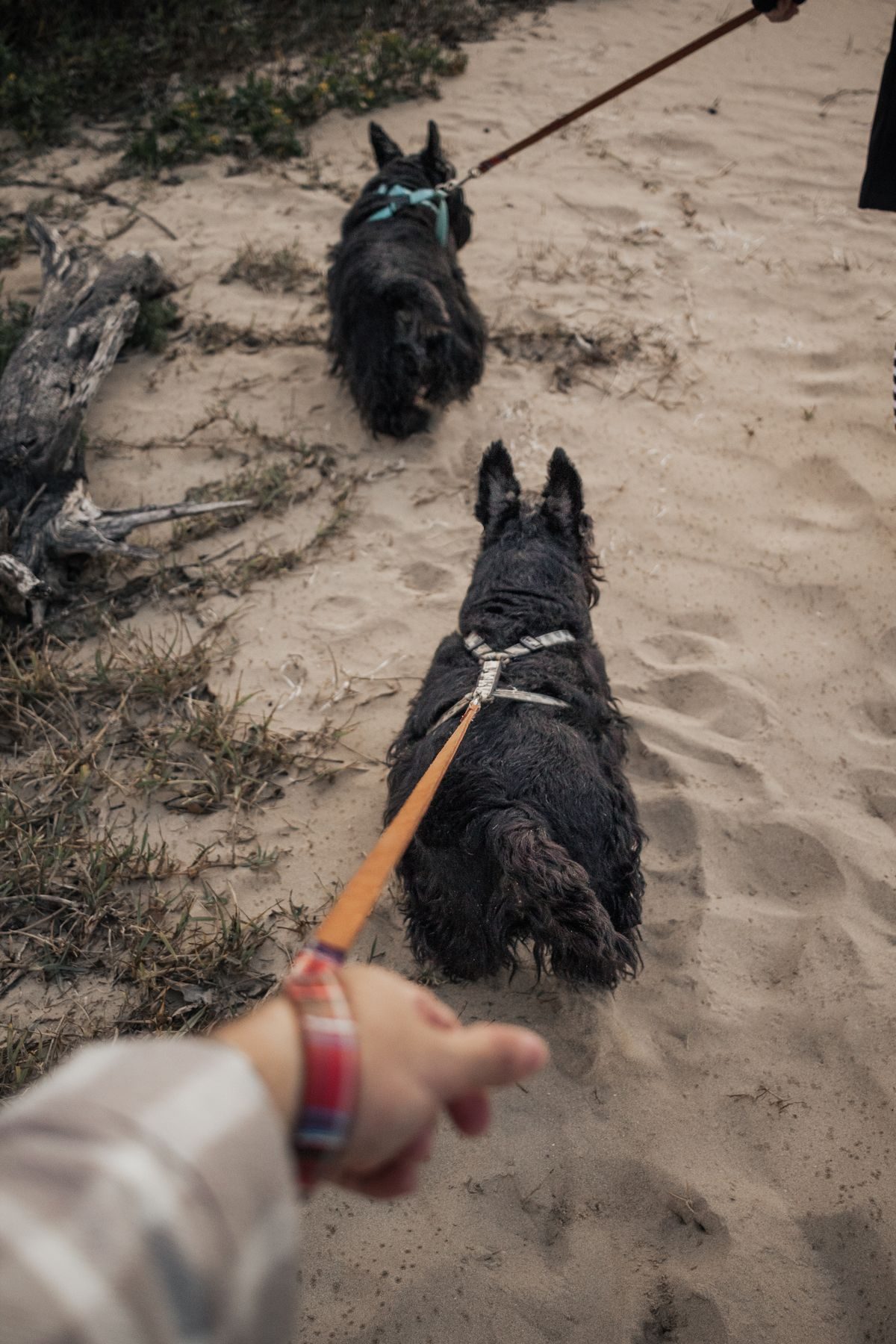
Care that extends life
Whatever the material, a quick fresh-water rinse after salt and a full air dry before storage adds months of life. We saw the longest-lived leads in our test were the ones owners actually looked after, not the priciest ones.
Rotate two leads if you can, so each dries fully between swims. Store them out of direct sun, because the Australian UV is the quiet enemy of every weave and coating, and a shaded hook beats a hot balcony any day.
Which material for which owner
Beach and apartment dogs with little time for washing will thank you for biothane. Budget-minded walkers on dry footpaths will be happy with nylon, and hands-on owners who enjoy a lead that ages with character often choose rope.
None is wrong; they simply age differently. The failure point in our returns is almost always the clip, so spend your attention there and let the material follow your routine rather than the other way around.
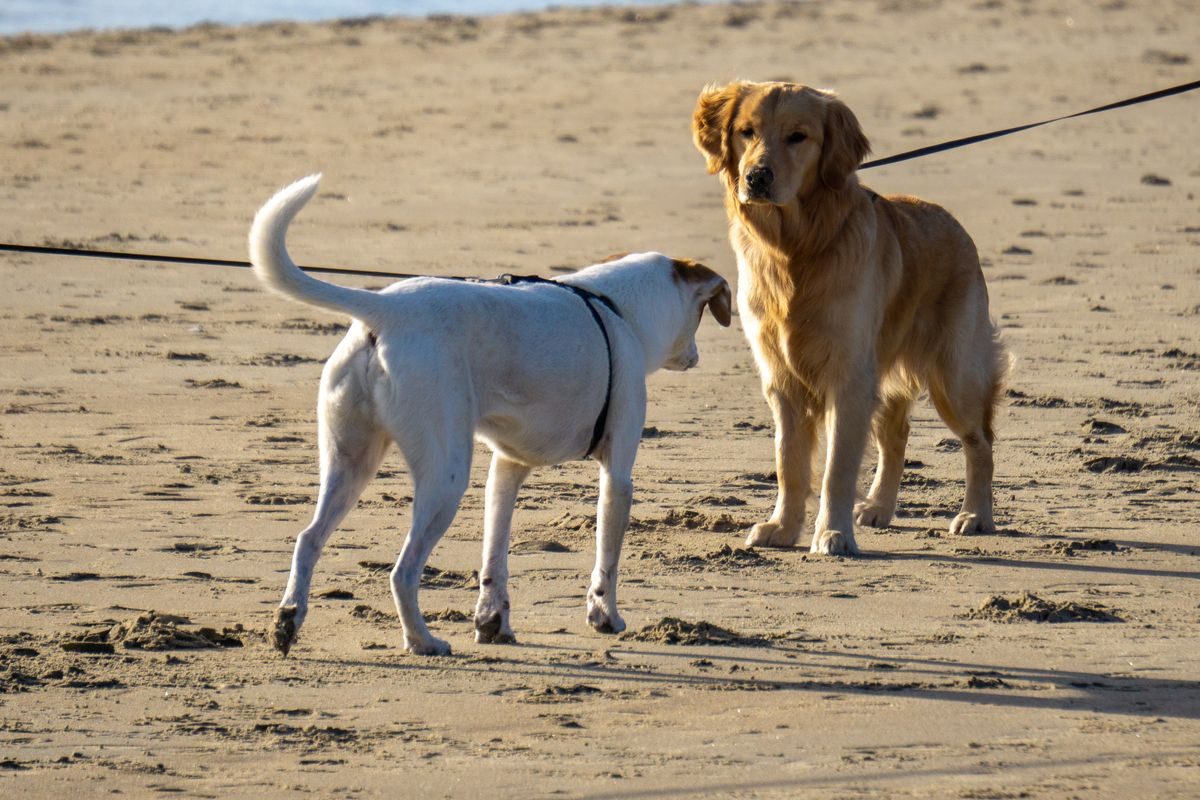
Reading the label before you buy
Before you choose a material, read what the maker actually claims about care and weight rating, because the label tells you more than the colour. A lead rated well above your dog's weight, with honest cleaning notes, is a better bet than a pretty one with vague fine print.
In our store the questions are always the same: where will you walk, how often, and can you be bothered to rinse it. Answer those honestly and the material almost chooses itself, and you avoid the disappointment of a lead that looked right and aged wrong.
Before you commit, it is worth handling all three in person if a shop near you stocks them, because the feel in your hand tells you more than a spec sheet ever will. Biothane is slick and light, nylon has a familiar woven grip, and rope settles into something almost soft once broken in, and your preference on a cold wet morning matters more than any review. I have watched owners swap materials three times before landing on the one that suits their routine, and that is normal rather than wasteful. The lead you actually enjoy using is the one that stays on the hook, and a ten-minute feel at the counter spares a mailbox disappointment a week later, so trust your own hand as much as the charts.
| Material | Cleaning effort | Sun fade | Smell retention | Typical price (AUD) |
|---|---|---|---|---|
| Biothane | Low, wipe clean | Minimal | Low | $25 to $45 |
| Nylon | Medium, wash | Moderate | Moderate | $12 to $25 |
| Rope | Medium, dry well | Low | Moderate | $20 to $40 |
Frequently Asked Questions
Which lead material lasts longest?
All three lasted six months without failing in our test, but biothane showed the least wear and needed the least care. Longevity depends more on clip quality and rinsing salt off than on the material alone. A cheap clip will fail long before good webbing or rope gives out.
Is biothane worth the higher price?
For beach and apartment dogs it usually is, because the wipe-clean surface saves time and keeps the lead smelling fresh. If you walk mostly on dry footpaths and want to spend less, nylon does the job. Think about your routine, not just the ticket price.
Does rope go mouldy in humid areas?
It can if stored wet, since rope holds more water than coated leads. Always hang it to dry after a swim and keep it out of damp cupboards. In humid coastal towns we suggest biothane for low-fuss owners, while rope suits those who dry gear properly.
Why does my nylon lead smell?
Nylon is absorbent, so salt, mud and drool soak in and breed odour if not washed. A warm rinse and air dry after beach walks prevents most of it. If the smell lingers, a gentle wash with a pet-safe soap usually sorts it, then dry fully before use.
What should I check before buying any lead?
Look at the clip rating against your dog's weight, the stitching near the hardware, and how the material feels in your hand. Weak clips and loose stitches are the first things we see fail in returns. A good lead lives or dies at those two points, whatever the fancy label says.
Looking for dog leads & walking gear?
We stock the gear covered in this guide, with Australia-wide shipping and Afterpay at checkout.
Popular in this range: mesh harness & lead set · hands-free running leash
Shop Leads & Walking at Paws of Oz