Lead Length and Neck Safety: What the Mechanics Mean for Your Dog
Short answer: a longer lead means more room to build speed before the end, so the jolt at full extension is greater, while a shorter lead keeps forces lower and your reactions quicker. I am a veterinary nurse, not a vet, so think of this as the mechanics behind what we see, not a diagnosis. The neck is sensitive in every dog, and the way a lead loads it depends on length, attachment point and how suddenly the dog hits the end. Here is the plain version, and when to loop your vet in for peace of mind.
How force builds on a lead
When a dog accelerates and the lead goes tight, the force is roughly tied to their speed and weight at that moment. A longer line lets them reach a higher speed before the stop, so the peak load is higher than it would be on a short lead.
This is basic physics, not a scare story. It simply means a short lead near roads keeps both the force and your reaction time in a safer range for everyday walking, and it is the default I suggest to most owners in the clinic.
Where the load lands
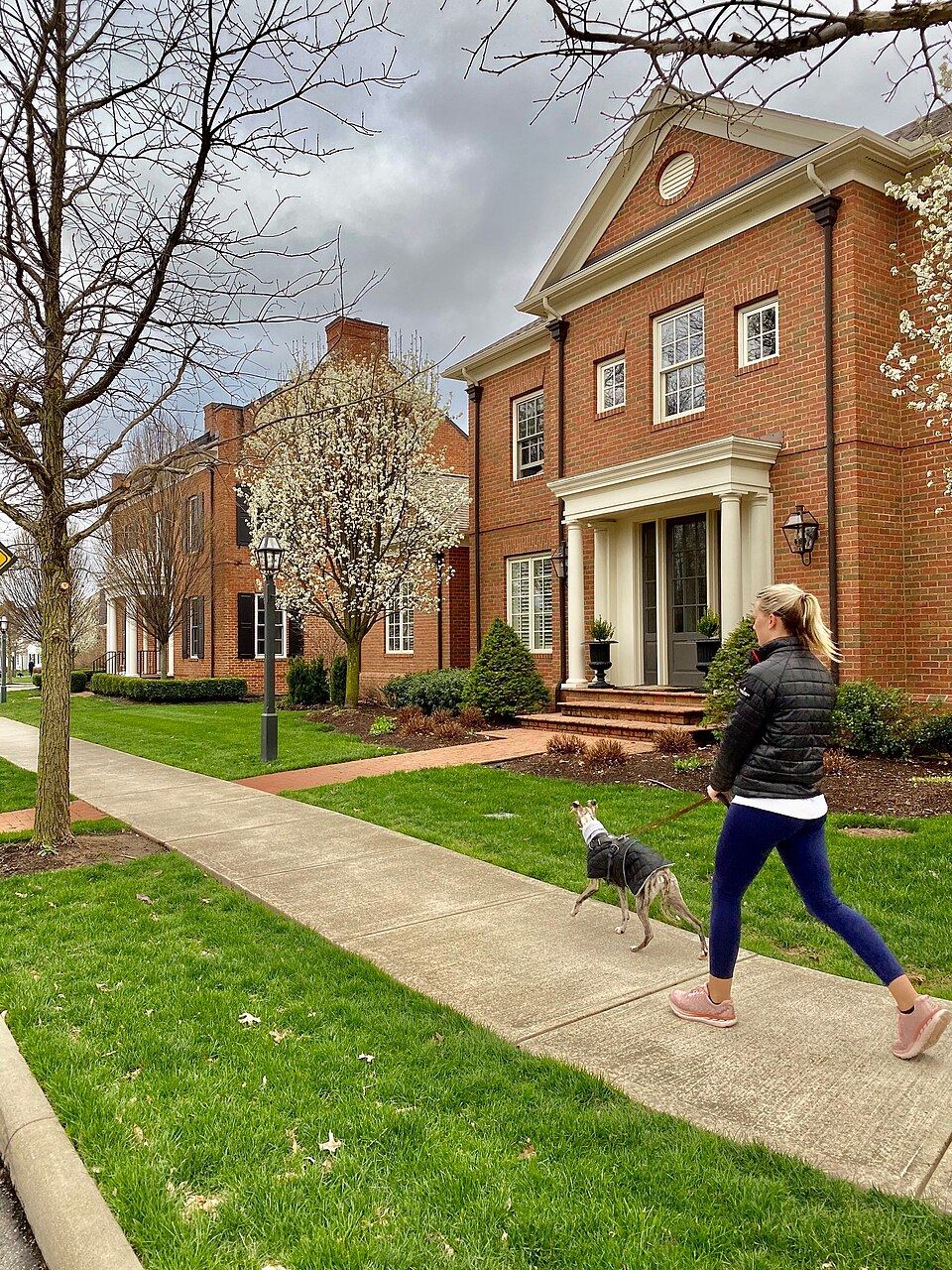
A lead on a collar puts the stop straight through the neck. A lead on a well fitted harness moves much of that load to the chest and shoulders, which is why many owners prefer it for dogs that pull or startle at noise.
That shift matters more for dogs that pull or startle. It is a gear choice rather than a medical one, and your vet can help match the setup to your dog's build and any existing soreness they may have noticed at home.
Why short leads suit busy spots
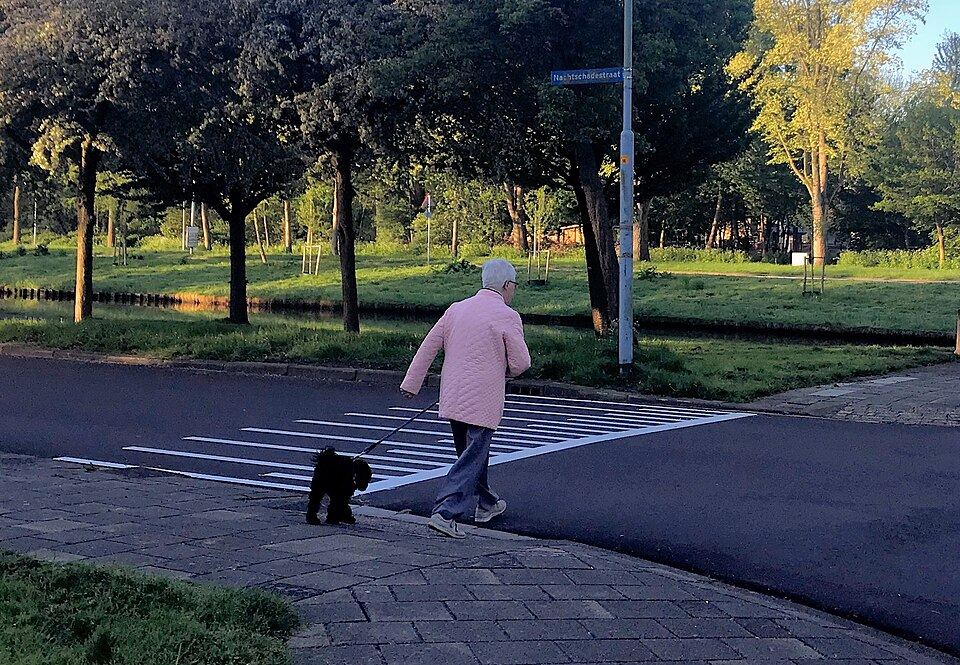
Near traffic, other dogs and small children, a two-metre lead keeps your dog close and your corrections immediate. You have less slack to manage and far less runway for a lunge toward a car or a stranger on the footpath.
Longer lines belong in open, permitted areas where a sudden jolt is less likely to mean a near miss. Matching lead to place is the simplest safety habit, and it costs nothing but a moment of thought before you leave the house.
Reading your dog's signals
If your dog coughs after pulling, hesitates at the lead, or seems neck shy, those are reasons to pause and check in with your vet. I cannot diagnose, but they are worth a professional look rather than a wait-and-see at home.
- Note when the coughing happens, not just that it does.
- Watch for pawing at the collar or a lowered head.
- Book a check before the behaviour becomes normal.
- A professional look beats a wait-and-see at home.
Early attention is kinder than a crisis later, and your vet will thank you for the detail.
Harness fit basics
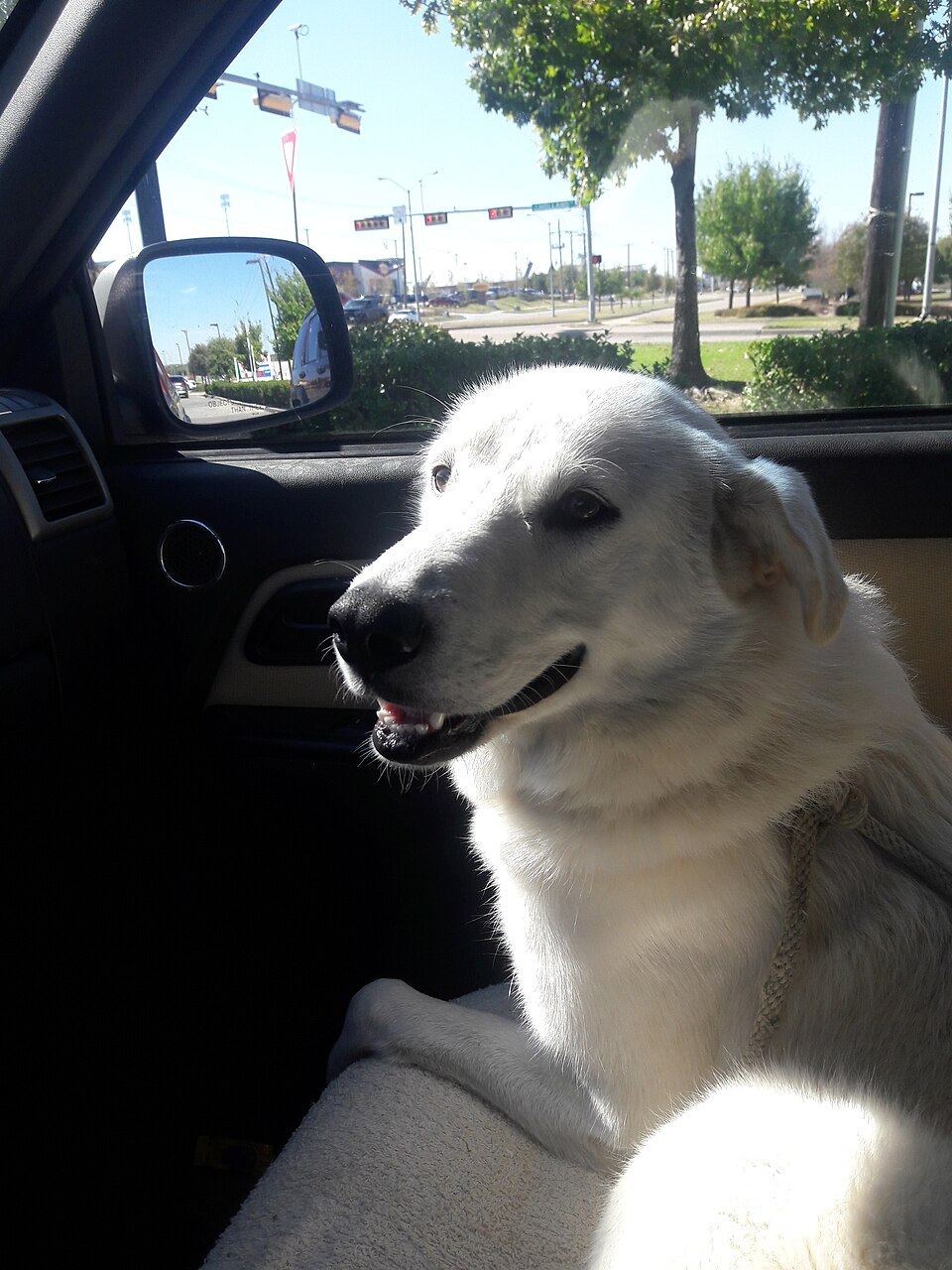
A harness only helps if it fits, so check the straps sit flat without rubbing the armpits or sliding toward the neck. A poor fit can concentrate load right back where you were trying to avoid it, which defeats the purpose entirely.
Two fingers should slip under the straps, and the chest ring should sit centred. If your dog can step out of it or it twists on a walk, the load path is wrong. Your vet or a good store can check the fit, and that five-minute check is worth doing properly.
Matching length to the walk
The practical rule is short for streets, long for open space, and always a calm attachment point. A two-metre lead for the school run, a five-metre line for a quiet beach, and a harness for any dog that pulls with feeling.
None of this replaces a vet's eye on a sore dog. Think of length and fit as everyday habits that lower risk, while your vet handles the questions about health. The two work together, and the dog walks more comfortably for it.

A quick word on growing dogs
Puppies are a special case because their necks and growth plates are still developing, so the forces we discussed matter even more. A well fitted harness and a short lead keep those early walks gentle while the body matures and the dog learns the ropes.
I am not the person to sign off on a growing dog's health, so loop your vet in if you are unsure about fit or if pulling seems painful. The mechanics are the same, but the margin for error is smaller in a young dog, and a careful start pays off for years.
One more practical point: the lead is only half the conversation, because the other half is your own footing and readiness. A short lead helps little if you are looking at your phone when the dog bolts, so the habit of scanning ahead matters as much as the length you choose. Pair a sensible lead with a present owner and the forces stay low without much thought. The gear sets the ceiling, but your attention sets the everyday reality, and both deserve a moment before you step out the door.
| Setup | Speed before stop | Load on neck | Best setting |
|---|---|---|---|
| Short lead, collar | Low | Moderate | Busy footpaths |
| Short lead, harness | Low | Low | Daily walks |
| Long lead, collar | High | High | Open permits only |
| Long lead, harness | High | Lower | Training reserves |
Frequently Asked Questions
Does lead length really change the force on my dog?
Yes, in a straightforward way. The further a dog can run before the lead snaps tight, the faster they are going, and the bigger the jolt. A short lead keeps that speed and force lower, which is why it suits crowded or roadside walking. It is simple mechanics rather than opinion.
Is a collar or harness better for neck safety?
A properly fitted harness generally moves load off the neck and onto the chest, which many owners and vets prefer for pullers. A collar puts the stop through the neck directly. I cannot prescribe, but your vet can assess your dog and recommend the best fit for their shape.
My dog coughed after pulling, should I worry?
A one-off cough after a hard pull may be nothing, but repeated coughing, gagging or neck sensitivity deserves a vet check. As a nurse I cannot diagnose, so treat it as a flag to book in. It is better to have a professional rule out a problem than to guess.
What lead length is safest near roads?
A two-metre lead keeps your dog close and your reactions fast, which is the safer choice beside traffic and footpaths. Longer lines belong in open areas where a sudden lunge will not mean a near miss. Match the lead to the setting every time you head out.
Can training remove the need to worry about force?
Loose-lead manners lower the forces a lot, because the dog is not hitting the end at speed. Training and gear work together, though. Even a well trained dog can startle, so a short lead and chest attachment remain sensible defaults in busy places.
Looking for dog leads & walking gear?
We stock the gear covered in this guide, with Australia-wide shipping and Afterpay at checkout.
Popular in this range: mesh harness & lead set · hands-free running leash
Shop Leads & Walking at Paws of Oz