Backpack Training Wally: From Refusal to Road-Trip Ready
Short answer: a puppy that refuses a backpack can learn to love it, but only with patience and treats, never force. Our Cavoodle, Wally, spat out the idea on day one and climbed out twice on day two. Over three weeks we turned the pack into a happy place by keeping sessions short, pairing it with food, and never closing him in while he was unsure. By our road trip to the coast he stepped in himself and dozed against the mesh. The trick was making the backpack his idea, not mine, and respecting his pace even when it tested mine.
Why Wally hated it at first
Wally is a typical Cavoodle: cheerful, bouncy, and suspicious of anything new on his back. The first time I showed him the open pack he backed away and sniffed it like a trap. That told me the pack felt like a problem, so I had to rebuild it as a reward instead of a restraint he had to endure.
Puppies read our stress, so I stayed relaxed and let him investigate on his own terms. Rushing a nervous pup only confirms the fear and sets the training back a week, so I treated every backward step as information rather than failure.
Week one: the open door only
For the first week the pack stayed on the floor with the flap open and a smear of peanut butter inside. Wally went in for the lick and left when he wanted. No lifting, no zipping, no pressure at all, just a happy association building one snack at a time while the pack sat in the lounge where he lived.
- Leave the pack out so it becomes normal furniture.
- Reward any voluntary step toward or into it.
- End every session before he gets bored.
- Keep the pack at floor level to start.

Week two: lifting and short walks
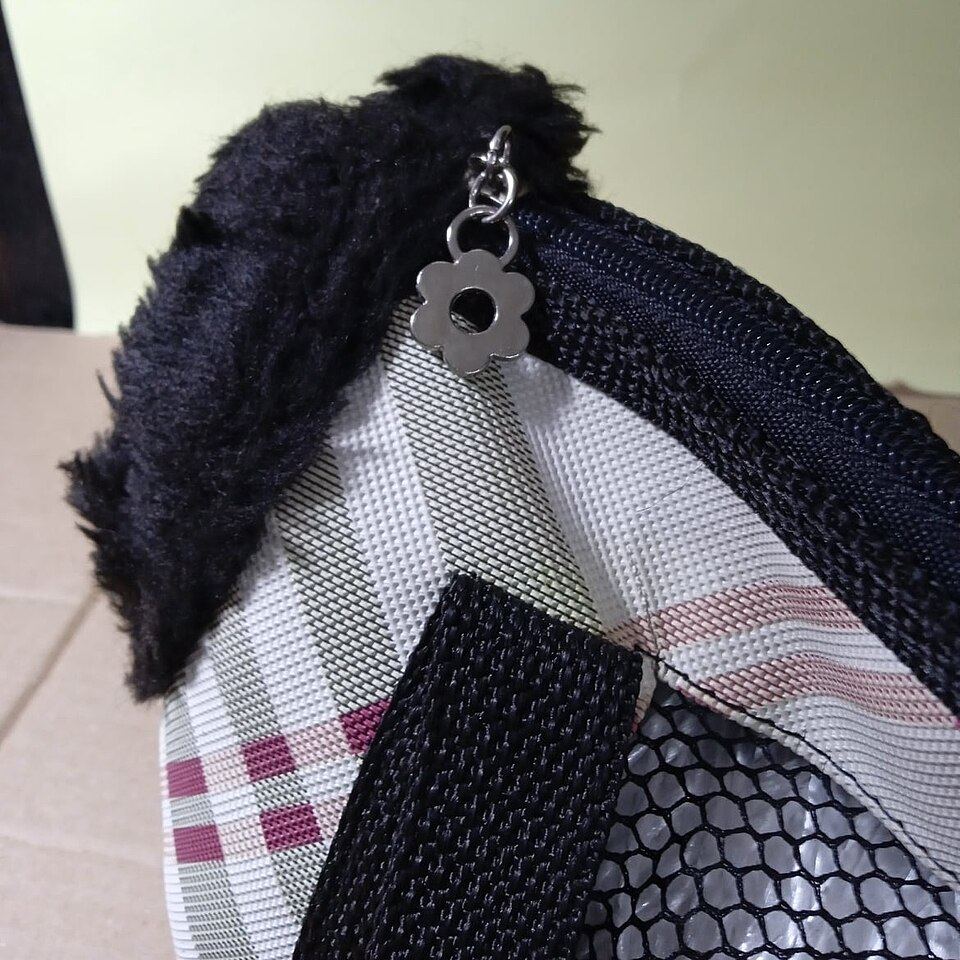
Once he sat inside happily, I did up the side clip but left the top open, then lifted him two steps and put him straight down. We built to a lap of the lounge, then the footpath outside. He got a treat the moment his paws left the ground, and a calm word when he settled against the mesh.
By midweek he was riding the pack while I made a coffee, calm enough that I could zip the top and walk to the mailbox. The key was that the zip never closed while he was unsure, only once he had chosen to stay.
Week three: the road trip test
We tried the car with the pack on the passenger seat, belted in, for a five-minute drive to the shops. Wally yawned by the second corner. The real trip, two hours to the coast, saw him sleep through most of it with the mesh unzipped a crack for air, waking only to check I was still driving.
We stopped once for water and a stretch, and he stepped back in without a fuss. That is the moment I knew the training had landed, a puppy who sees the pack as the way to go places, not a cage.
| Week | Goal | Sign he was ready |
|---|---|---|
| 1 | Walk in voluntarily | Enters for a treat, no hesitation |
| 2 | Short lifted walks | Relaxed body, no scrambling |
| 3 | Car and road trip | Yawns or dozes while moving |

What I would tell a first-time puppy owner
Start younger if you can, keep it positive, and never use the pack as a timeout. Wally now associates the backpack with outings and good snacks, which is exactly what you want. If your pup is older or wary, slow the timeline down rather than pushing, because a forced puppy remembers the fear longer than the treat.
You can compare carrier styles in our pet carriers and backpacks guides to find one your puppy will actually accept, and look for a rigid base so the ride feels stable rather than like a swinging sack.
Frequently Asked Questions
How long does puppy backpack training take?
Most puppies take two to four weeks of short, positive sessions to feel calm in a pack. Go at your dog's pace, and if he is still scrambling after a fortnight, slow right down and revisit the open-door step before lifting again, because skipping steps costs time.
Should I force a refusing puppy inside?
No. Forcing a frightened puppy builds a lasting fear of the pack. Lure him in with food, reward calm behaviour, and let him choose to step out. Pressure now costs you trust later, so keep every session voluntary and end on a win.
How do I secure the backpack in the car?
Place the pack on a seat or footwell and run the seatbelt around its base so it cannot slide. Keep the mesh ventilated and never leave a pup zipped in a hot car, even for a minute, on a warm Perth day, as enclosed carriers heat fast.
My puppy chews the straps, what now?
Remove the pack the moment he mouths straps and redirect to a chew toy, then reward ignoring it. Practise with the pack empty and supervised, and only wear it once he reliably leaves the straps alone, so the habit never forms.
Can an adult dog learn too?
Yes, older dogs learn with the same gentle steps, though it may take longer if they have a bad memory of carriers. Keep sessions short, reward heavily, and consider a trainer's help for a deeply wary dog that panics near the box.
Looking for pet carriers & backpacks?
We stock the gear covered in this guide, with Australia-wide shipping and Afterpay at checkout.
Popular in this range: cartoon carrier tote
Shop Carriers at Paws of Oz