Heat Risk in Enclosed Carriers: An Aussie Summer Warning
Short answer: enclosed carriers heat up faster than most owners expect, and in an Australian summer that can turn dangerous within minutes. As a vet nurse I see pets arrive flushed, panting, and stressed simply because the carrier sat in a warm car or on a sunny footpath too long. Airflow, shade, and never leaving a pet in a parked car are the basics. This is supportive information, not a diagnosis, and any pet showing heat distress needs a vet straight away, because heat injury can escalate faster than owners realise.
Why carriers trap heat
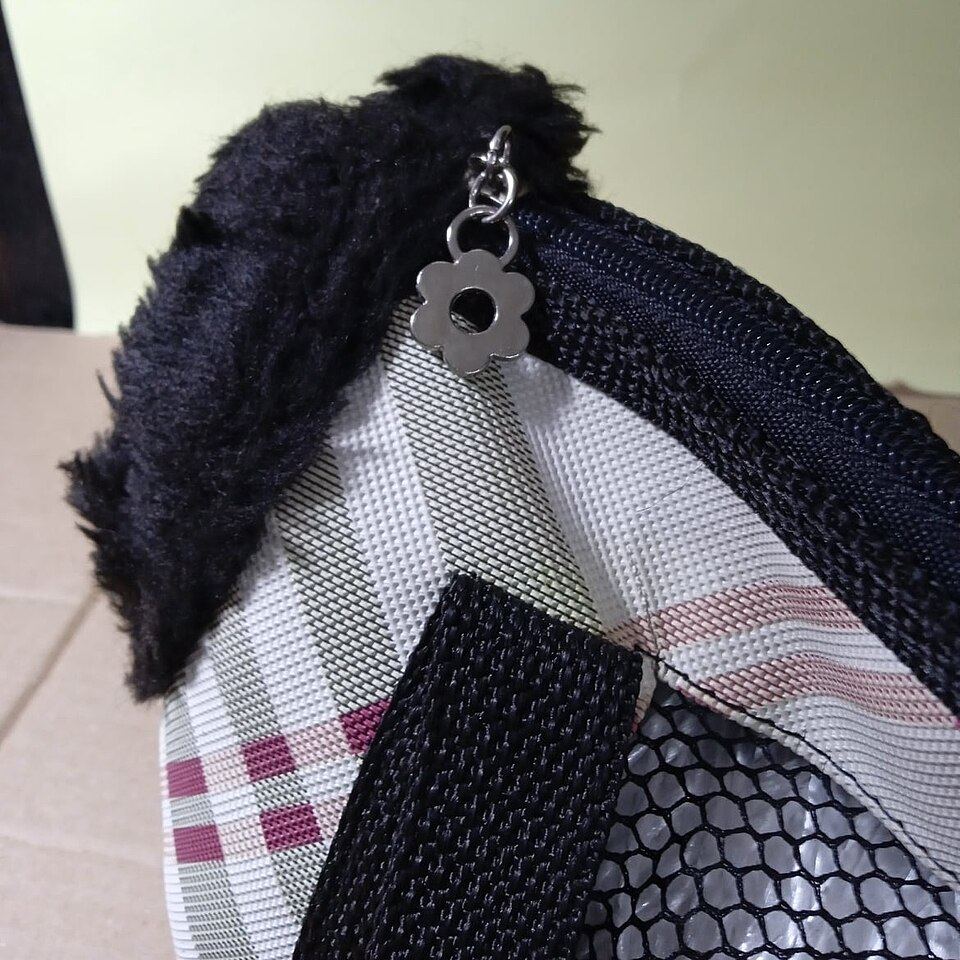
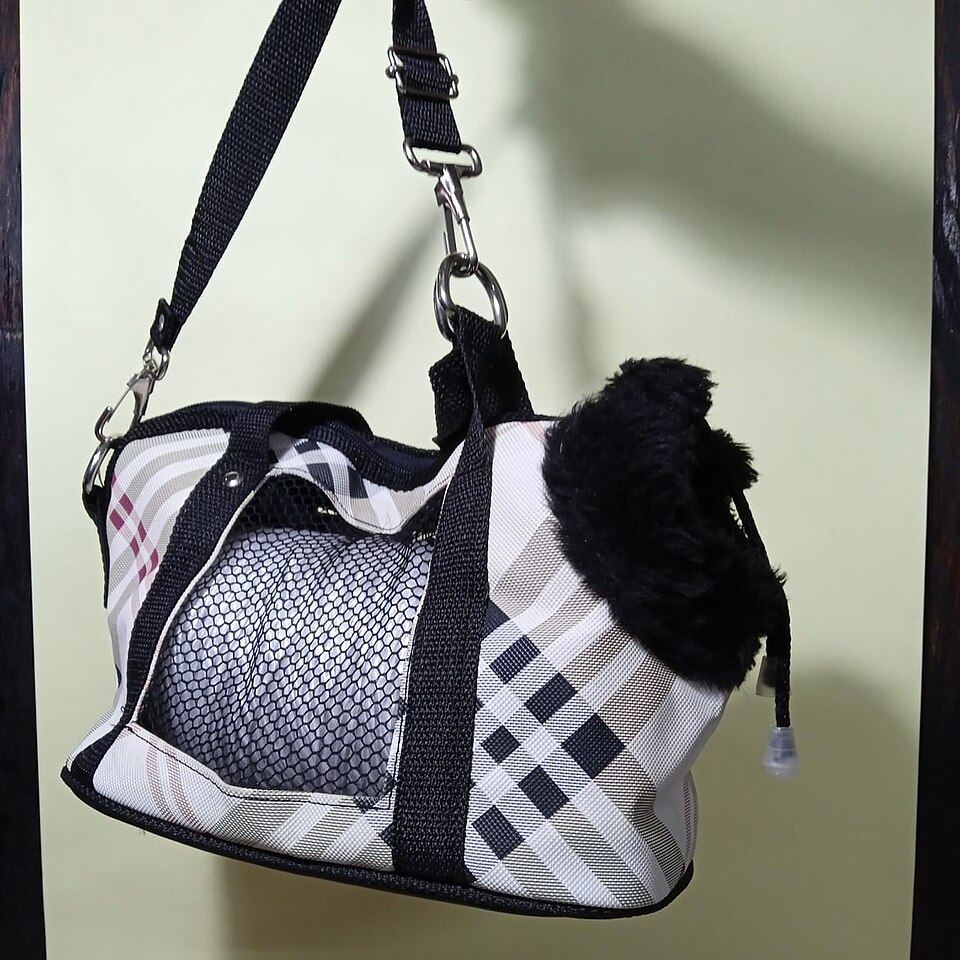
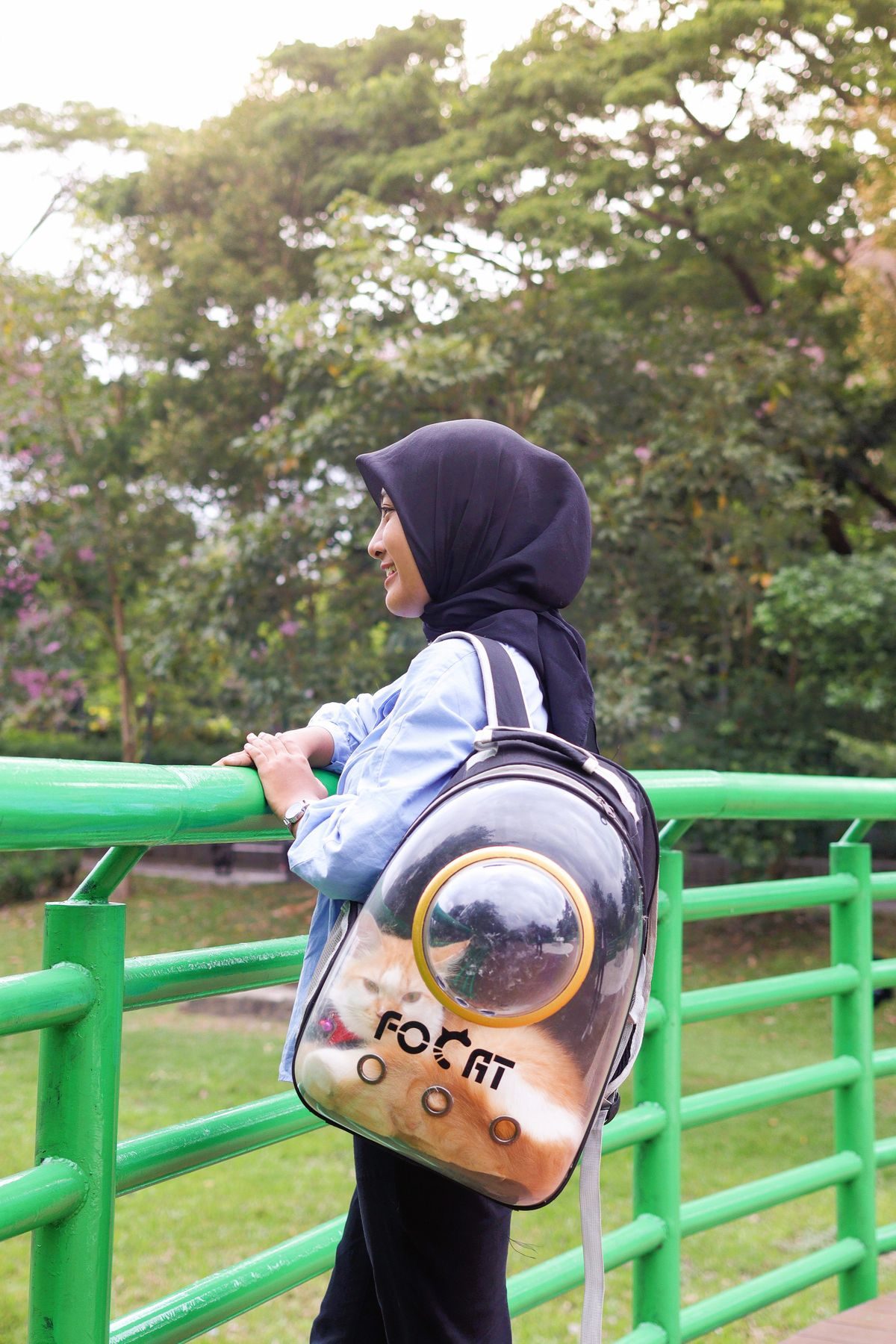
A soft carrier with limited mesh is a small, poorly ventilated box. Add a sunny window, a warm car, or a nervous, panting pet, and the temperature climbs. Plastic shells and bubble windows can trap even more warmth than open mesh panels, because there is no easy path for hot air to escape the enclosed space.
I am a nurse, so I am not diagnosing, only describing what we commonly observe and how owners can lower the risk before a clinic visit turns into an emergency one.
Early signs owners miss
Heat stress builds before collapse. Watch for heavy panting, bright gums, restlessness, drooling, and a pet that cannot seem to settle. In a cat you may see open-mouth breathing, which is always a worry and worth urgent attention, because cats rarely pant and do so only when seriously overheated.
- Heavy or noisy panting that will not ease.
- Bright red or very pale gums.
- Weakness, stumbling, or lethargy.
- Excessive drooling or a glazed look.
Simple ways to keep a carrier cool
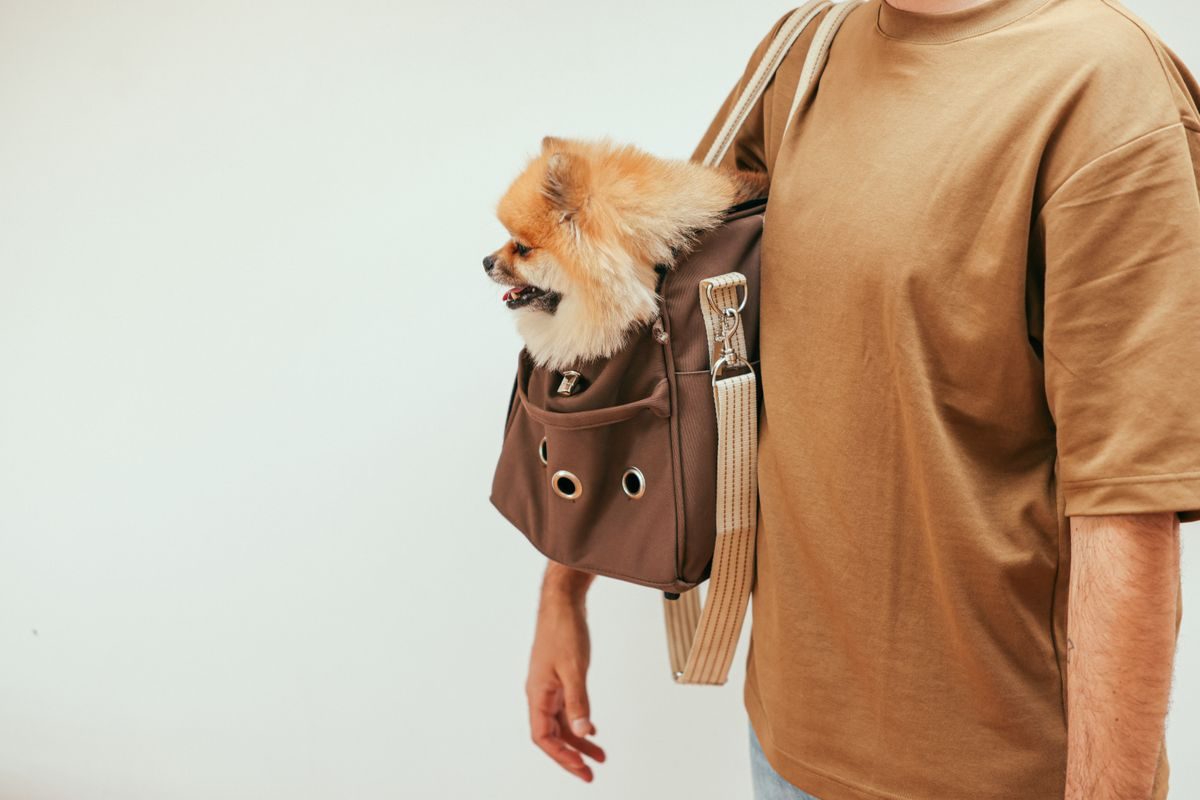
Choose a carrier with mesh on more than one side, keep it in shade, and move through the sun quickly. A frozen water bottle wrapped in a towel beside the carrier can help, and a damp cloth over the top adds cooling if airflow stays clear. Park the car in shade and pre-cool it before loading any animal.
Never leave a pet in a parked car, not even for a moment on a warm day. That is the single biggest risk we see, and it is entirely avoidable with a little planning around the errand.
Owners often tell me they did not think it would happen to them, and that is the danger. Heat builds quietly, the carrier feels warm to the touch but the pet inside is already past comfortable, and by the time you notice panting it has progressed. Checking the carrier's temperature with the back of your hand and keeping your own movements calm helps you catch trouble early.
What to do if you are worried
If you suspect overheating, move the pet to a cooler spot, offer water, and contact a vet. Do not plunge them into ice, as that can shock the system. Phone ahead so the clinic is ready when you arrive, and describe what you are seeing so they can prepare.
| Feature | Heat effect |
|---|---|
| Multi-side mesh | Better airflow, cooler |
| Single bubble window | Traps more warmth |
| Shade cover | Cuts radiant heat |
| Plastic shell | Holds heat, needs vents |
| Parked car | Dangerous, avoid always |
Remember that a carrier left in a hot car for even a short stop can become unsafe by the time you return, and pets left inside on a warm day is one of the most preventable emergencies we see. If you must stop, take the pet with you or leave them at home, because no errand is worth the risk. A little planning around the heat turns a dangerous outing into a manageable one, and your vet can help you pick the coolest travel window for an at-risk animal.
Talk to your vet about travel timing
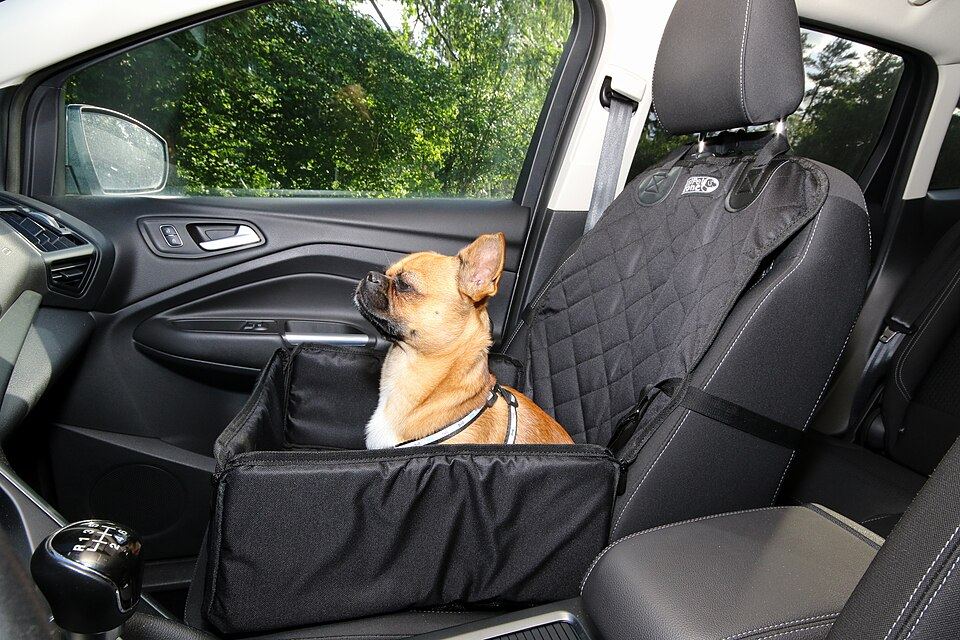
For older pets, flat-faced breeds, or any animal with a health condition, ask your vet before summer travel. They can advise on the safest time of day and whether a trip should wait. This guidance is supportive only and not a substitute for veterinary advice, which matters most for at-risk animals.
See our pet carriers and backpacks guides for well-ventilated options that suit hot-climate walking and clinic trips.
Frequently Asked Questions
How hot is too hot for a pet in a carrier?
There is no safe threshold to test. On a thirty-five degree day a parked car becomes lethal fast, and even shade can be risky. Keep carriers cool, ventilated, and out of the sun, and seek a vet if your pet shows distress, because heat injury worsens quickly.
Are bubble window backpacks unsafe in summer?
They are not automatically unsafe, but the solid window traps more heat than mesh. Use them in cool conditions, keep airflow strong, and avoid direct sun. For hot days a mesh-panel pack is the cooler choice for most cats and small dogs.
Can I put ice in the carrier?
A wrapped frozen bottle near, not on, the pet can help. Do not pack ice against the animal or douse them, as sudden cold can shock. Move to shade and call your vet if heat signs appear, and never assume a pet will cool itself in a box.
Which pets are most at risk of heat?
Flat-faced breeds, seniors, puppies, and pets with heart or breathing conditions tolerate heat poorly. Ask your vet before travelling these pets in warm weather, as they may need a cooler plan or to stay home on the hottest days.
My cat is panting in the carrier, is that normal?
Open-mouth breathing in a cat is not normal and signals distress or overheating. Get them to a cooler place and contact a vet promptly. Do not wait to see if it passes, because feline heat stress can escalate to collapse.
Looking for pet carriers & backpacks?
We stock the gear covered in this guide, with Australia-wide shipping and Afterpay at checkout.
Popular in this range: cartoon carrier tote
Shop Carriers at Paws of Oz