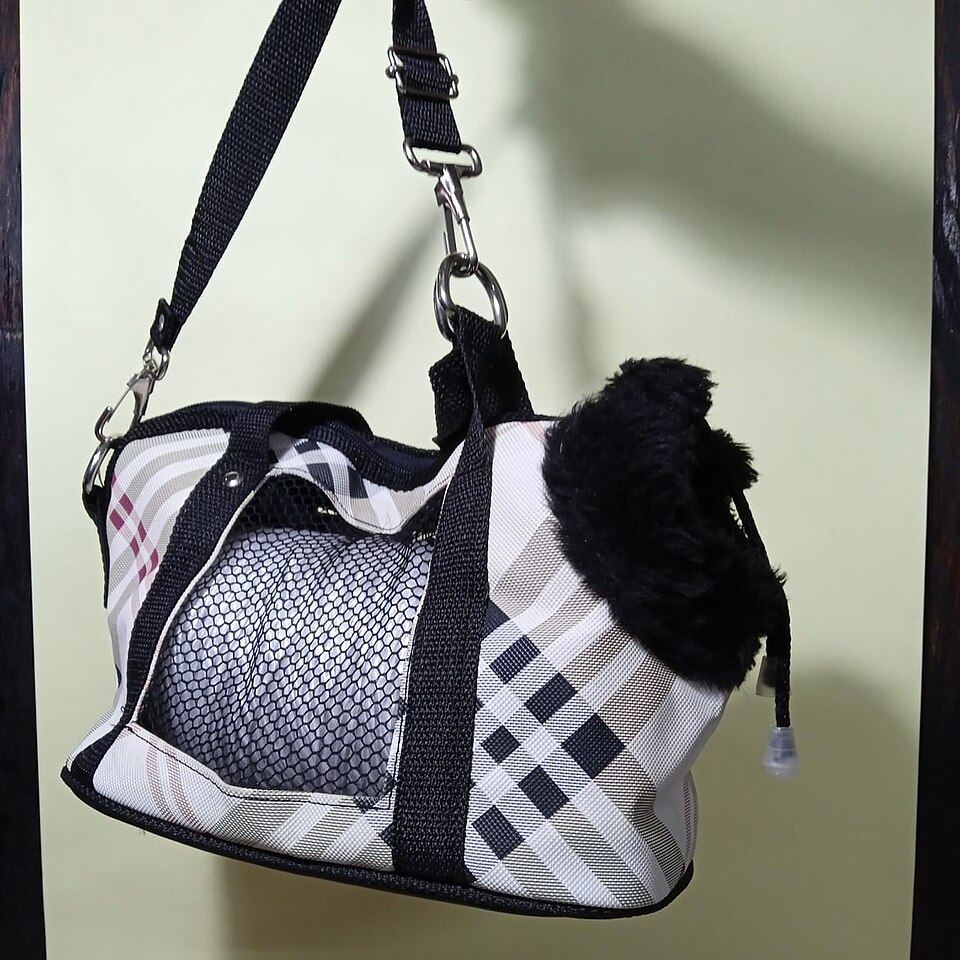
Carrier Training Step by Step: Open Door to Closed Flaps
Short answer: train the carrier in small, wins-based steps, starting with the door open and ending with the flaps closed while your dog stays relaxed. As a certified trainer I use the same shape with every nervous dog: make the box a happy place, add movement, then add the zip, never the other way round. Most dogs reach a calm, closed carrier within two to four weeks if you keep sessions under five minutes and end on a good note. Rushing is the only real mistake here, because a scared dog learns the lesson permanently and you lose weeks fixing it.
Step one: the open invitation
Put the carrier on the floor with the flap tied open and a scatter of treats inside. Let your dog wander in and out with no pressure. The goal is boredom in a good way, the box means nothing special yet, just snacks, and the dog starts to choose it on their own without you pointing at it.
If your dog refuses, toss treats closer over several sessions rather than coaxing. Curiosity wins eventually, and a dog that enters for a reward is a dog you can build on without fear.
Step two: meals and value
Move a daily meal into the carrier for a week. Dogs link the box to something they already love. By the third feed most will walk in without a second thought, and that is your green light to add the next layer, because the carrier is now associated with the best part of the day.
- Feed inside with the door open.
- Reward any calm settle, not just entry.
- Keep the carrier in a lived-in room.
- Stay nearby so it feels social.
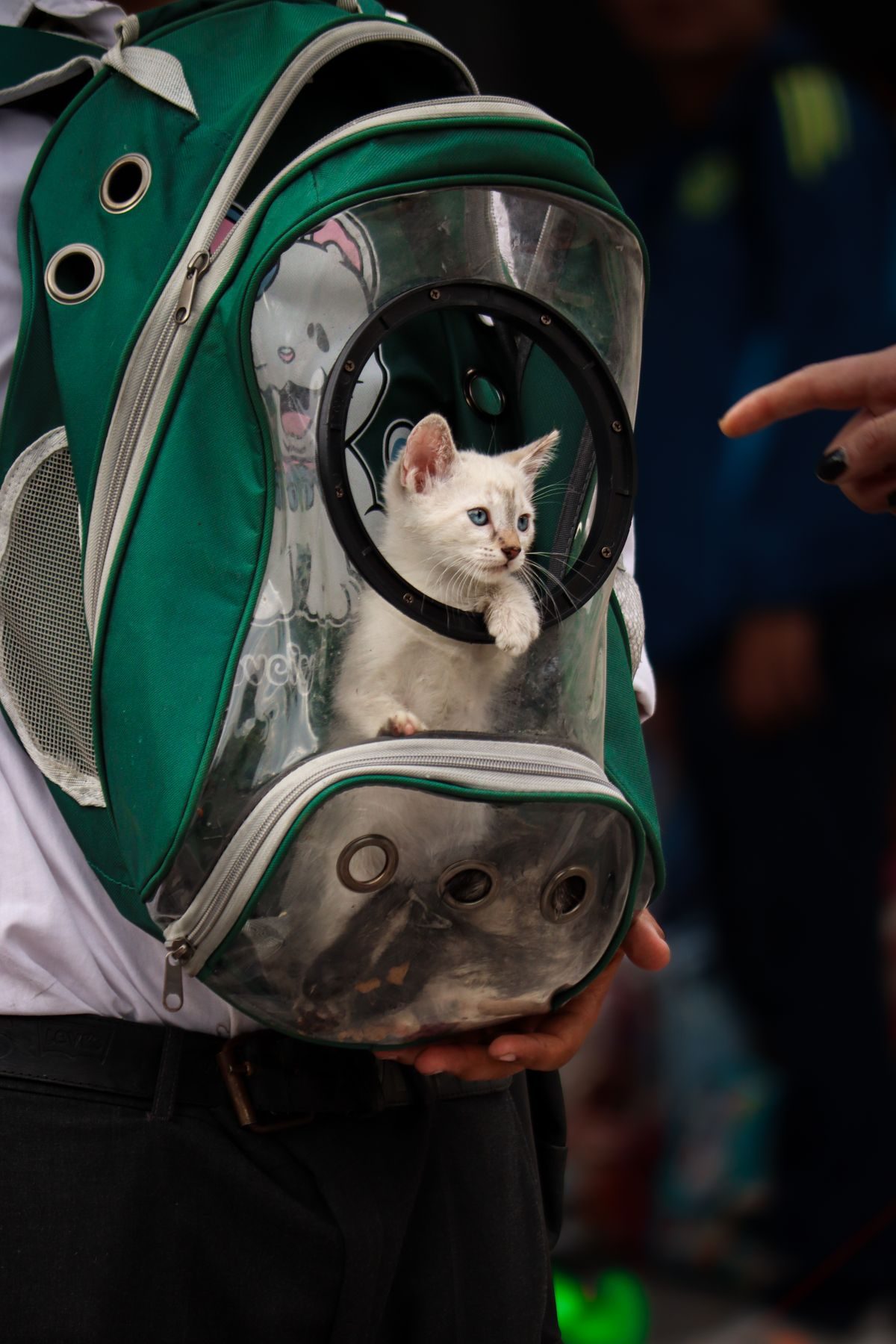
Step three: the flap comes down
Once your dog eats inside happily, lower the flap for a few seconds while they are eating, then lift it. Build to a minute with you right there. If they bolt, you moved too fast, so drop back a step and rebuild, because the bolt is feedback that the dog was not ready, not a failure of the method.
This is where realistic timeframes matter. Some dogs take days, some take a fortnight, and both are normal. Comparing your dog to someone's social media clip helps no one and only pressures you to rush.
Step four: movement and the car
Zip the flap, lift the carrier two steps, set it down, open it, reward. Extend to a short walk, then a five-minute drive. The carrier should feel like a portable safe bed, not a trap, and the dog should be able to settle the moment you stop moving rather than thrash until released.
| Step | Skill | Typical time |
|---|---|---|
| 1 | Enter for treats | 2 to 4 days |
| 2 | Meals inside | about 1 week |
| 3 | Flap closed briefly | 3 to 7 days |
| 4 | Lifts, walks, car | 1 to 2 weeks |
A useful mindset is to reward the try, not just the result. If your dog puts a paw in and backs out, that is still progress worth a treat, because the approach is the hardest part. Keep the carrier associated with good things even on the days the training feels stuck, and avoid the temptation to celebrate only a full close. Dogs that feel pressured learn to avoid the box entirely, so generosity with rewards on small wins pays off across the whole plan.
Troubleshooting the stubborn cases
If a dog freezes at the flap, you skipped value somewhere. Return to meals with the door open and add a high-value reward like chicken. For rescue dogs with bad memories, slow the whole plan by half and celebrate tiny wins. A trainer can help if progress stalls past a month, because sometimes the fear has a deeper root.
Choosing a roomy, well-ventilated model also helps; compare options in our pet carriers and backpacks guides, and pick one with a stable base so the lift feels secure rather than like a swinging sack.
Frequently Asked Questions
How long should each session be?
Keep sessions under five minutes and always end while your dog is succeeding. Short, happy repetitions beat one long, stressful push. Two or three brief sessions a day work better than a single weekend marathon that ends in a tired, fed-up dog.
My dog freezes when the flap moves, what now?
You advanced too quickly. Drop back to meals with the door open, then lower the flap an inch for a treat and lift it. Rebuild in smaller increments until the motion means nothing to him, and the freeze will give way to calm.
Can I use the carrier for car trips only?
You can, but train at home first so the car is not the first time the flap closes. A dog that trusts the box at home settles far faster on the road, and a secure carrier is safer for everyone in the vehicle during sudden stops.
Should I use treats or praise?
Use both, but treats do the heavy lifting early. High-value food like chicken speeds trust, then fade to praise once the carrier is a happy habit. Match the reward to the difficulty of the step so progress stays steady.
When should I get a trainer involved?
If your dog shows real fear, bites the carrier, or makes no progress after a month, a certified trainer can rebuild the plan. Early help prevents a small worry becoming a lasting phobia of the box that affects every future vet trip.
Looking for pet carriers & backpacks?
We stock the gear covered in this guide, with Australia-wide shipping and Afterpay at checkout.
Popular in this range: cartoon carrier tote
Shop Carriers at Paws of Oz