Carriers and Travel Stress: What a Vet Nurse Suggests
Short answer: the kindest thing you can do for a stressed pet is to make the carrier a normal, safe part of home life well before travel day. As a vet nurse I see far more distress at the clinic than the trip itself caused, usually because the carrier only appears on bad days. Leave it out, line it with something that smells familiar, and let your pet investigate without being shut inside. These are supportive steps, not treatment, and any pet that seems unwell should see a vet before you travel, because a sick animal should not be on the move.
Why the carrier becomes a fear signal
Most pets only meet the carrier on the way to something unpleasant in their mind, a needle, a loud clinic, a long drive. The brain links the box to the worry, so the sight of it is enough to raise the heart rate. Breaking that link takes repetition and good experiences spread over weeks, not a single training session the night before.
This is supportive care observation only. I am a nurse, not diagnosing, and I always point owners to their vet for anything medical, because what looks like simple nerves can sometimes mask a real problem that needs attention.
Make the carrier part of the furniture
Leave the carrier in the lounge with the door open and a soft mat inside. Toss a treat in now and then so your pet chooses to visit. Over a couple of weeks the box stops being a threat and becomes just another object in the room, one that occasionally delivers a nice snack and a warm patch of sun.
- Keep it out permanently, not just on travel days.
- Add a worn t-shirt that carries your scent.
- Reward calm glances and steps toward it.
- Never use the carrier for time-out or punishment.
If your pet is on medication or has a condition, check with your vet about travel suitability before you leave. A quick phone call can prevent a stressful day from becoming a medical one, and your clinic knows your pet's history best.
The night before and morning of
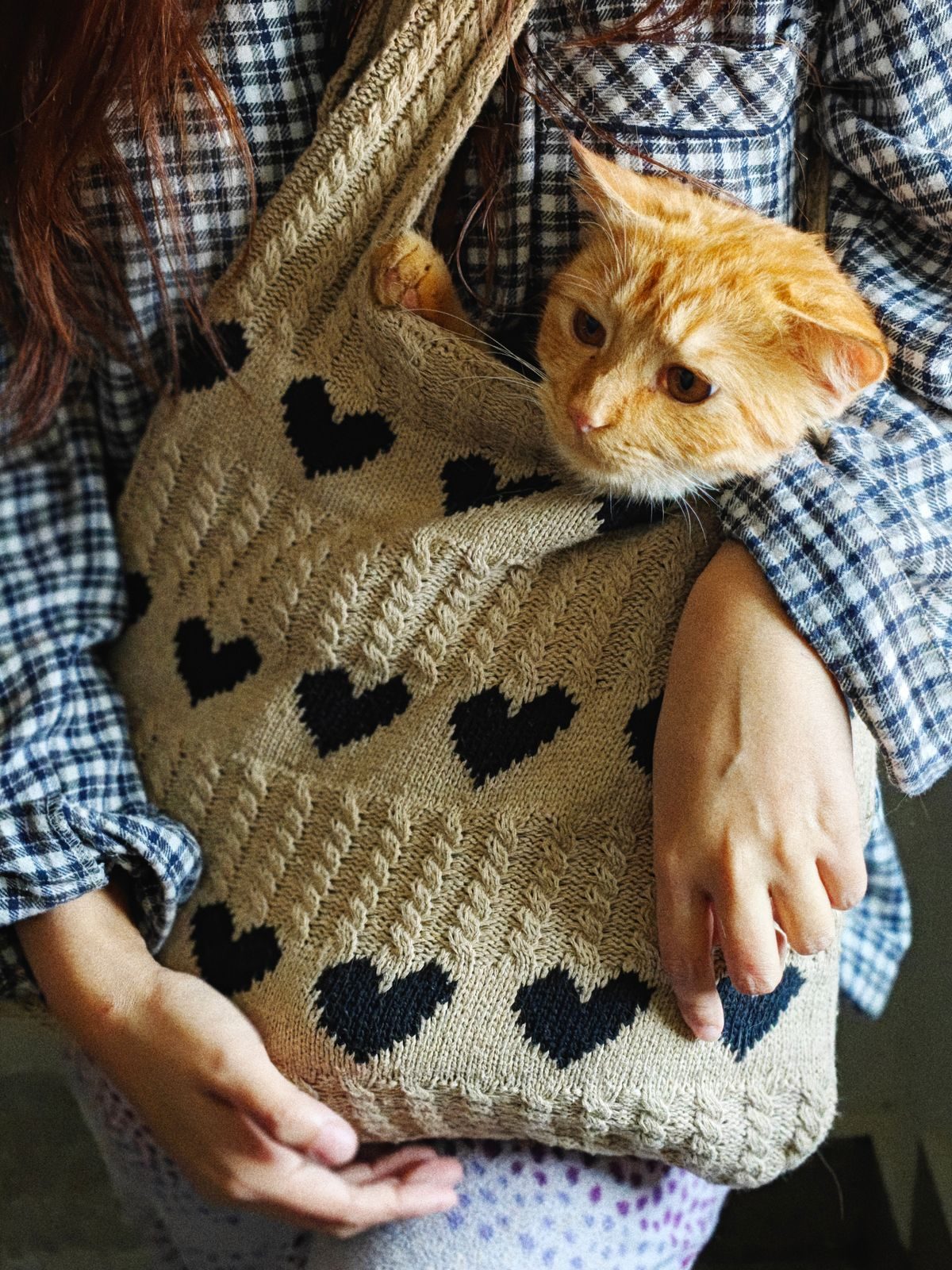
Try to keep the routine normal. A frantic house raises everyone's pulse, including the pet's. Feed as usual unless your vet has said otherwise, and place your pet in the carrier calmly rather than chasing them into it. Speak in your everyday voice, because pets read tone more than words when they are already wound up.
If your pet is on medication or has a condition, check with your vet about travel suitability before you leave. A quick phone call can prevent a stressful day from becoming a medical one, and your clinic knows your pet's history best.
During the trip: comfort over fuss
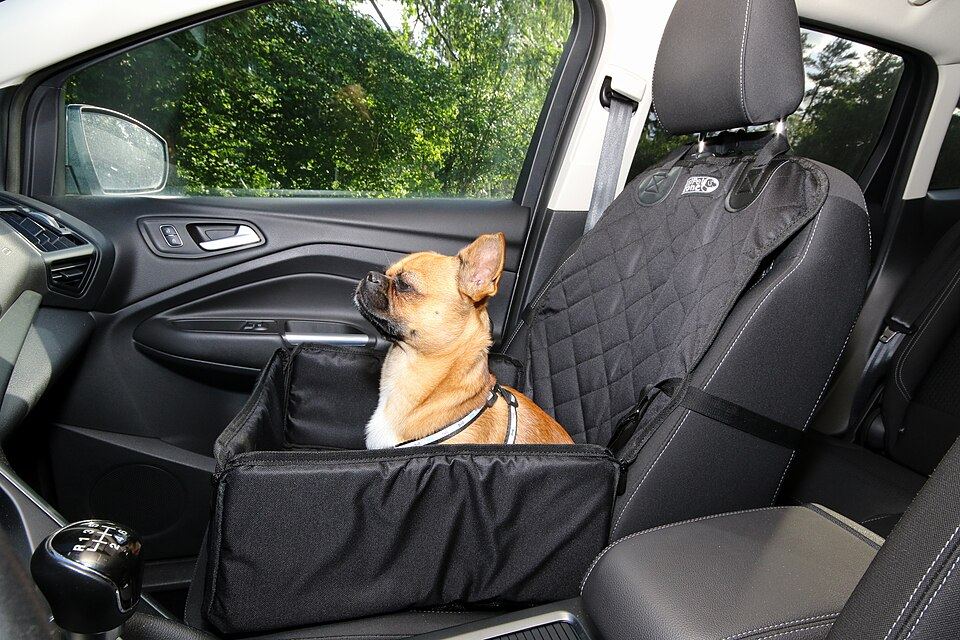
A covered, quiet carrier reduces visual triggers in a busy clinic waiting room. Sit where it is calm, and avoid tapping the lid, which can startle. Keep the carrier on your lap or a stable surface rather than the floor where feet and trolleys pass, and resist the urge to keep opening it for a peek.
Some clinics have a separate cat waiting area, and using it lowers the chance your pet meets a barking dog nose to nose through the mesh, which is one of the fastest ways to undo calm training.
| Timing | Supportive action |
|---|---|
| Weeks before | Leave carrier out, add familiar scent |
| Night before | Keep routine normal, no chasing |
| Travel morning | Calm placement, everyday voice |
| At clinic | Cover carrier, sit in a quiet spot |
When to check with your vet first
If your pet has a known health issue, is very old, is pregnant, or has been unwell, please ask your vet whether travel is appropriate. This article is not veterinary advice, and your vet knows your pet's history best, so lean on them rather than a stranger's checklist when the stakes are health.
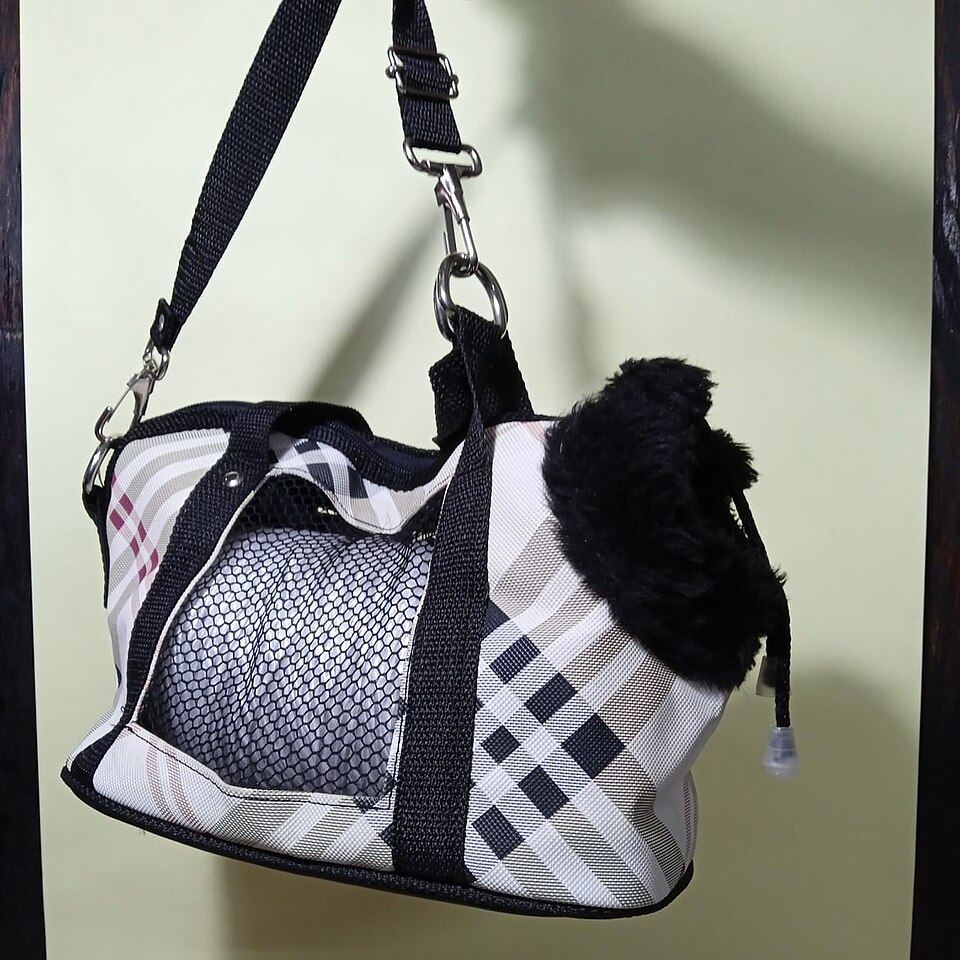
For carrier options to make home practice easier, browse our pet carriers and backpacks guides, and choose one that stays open easily so daily treat practice is simple for you both.
Frequently Asked Questions
Should I sedate my pet for travel?
Never sedate without your vet's direction. Sedation changes temperature control and awareness, which can be risky in a carrier. Speak to your vet about whether any support is suitable for your individual pet before you travel, as some conditions make sedation dangerous.
Why does my cat panic at the carrier?
Often because the carrier only appears before stressful events, so the cat learns to fear it. Leaving it out with comforts and rewards helps rebuild a calm association over time. Persistent panic is worth a vet chat to rule out pain.
Is a covered carrier better for nerves?
For many pets a light cover cuts visual triggers in busy places and lowers arousal. Ensure airflow stays good and the cover is not a source of heat. Watch your pet and adjust if they seem warmer or restless under the cloth.
Can I practise carrier trips to fun places?
Yes, short rides to a park or a friend's place can balance the bad memories with good ones. Keep them brief and positive, and always secure the carrier so the trip is safe as well as pleasant for everyone in the car.
When is stress a sign to delay travel?
If your pet is unwell, off food, or has a condition your vet warned about, delay and check with the clinic. Heavy panting, collapse, or distress is a reason to seek veterinary help rather than travel, because it may signal something serious.
Looking for pet carriers & backpacks?
We stock the gear covered in this guide, with Australia-wide shipping and Afterpay at checkout.
Popular in this range: cartoon carrier tote
Shop Carriers at Paws of Oz