Flying Miso Interstate: What Our Airline Carrier Endured
Short answer: an airline-approved carrier for an interstate cat flight needs to survive far more than the cabin ride itself. On our move from Melbourne to Perth with Miso, our soft-sided, cabin-compliant carrier had to handle a long terminal walk, two security scans, a tight spot under the seat, and four hours of a nervous cat shifting her weight against the mesh. The carrier that worked was not the cheapest one, but the one with a rigid base, secure zips, and a tether we could clip to her harness. If you are flying a cat within Australia, plan for the whole journey, not just the flight, because the hard parts happen on the ground.
Choosing the carrier we actually flew with
We rented in Perth and Miso was coming with us, so the carrier had to be cabin-compliant and tough. I read the airline's pet page twice and measured Miso while she was asleep on the lounge, which is the only time she holds still. The model we picked had a firm baseboard, a top and side entry, and a clip inside for her harness.
Budget mattered. Most decent cabin carriers sit between $60 and $140, and I did not want to discover the cheap one's zip failed at the gate. A rigid base kept her from sliding every time a trolley rattled past, and the top opening meant I could lift her out without dragging her through a front flap.
- A hard, flat base so the carrier holds its shape under the seat.
- Top and side openings for a calmer lift at security.
- An internal tether to clip to the harness, never the collar.
- Mesh on at least two sides for airflow during long waits.
The terminal walk most people forget about
The walk from the rideshare drop-off to the gate was longer than I expected. Miso heard footsteps, speakers, and a dog barking two rows over, and she pressed against the mesh the whole way. The padded shoulder strap saved my back, and the fact the carrier sat upright on its base meant I could set her down at the gate without her tipping over and spilling her out.
Give yourself extra time. We arrived early and found a quiet corner near a window, which let her settle before boarding was called. Other travellers with dogs walked past, and having a stable, familiar box on the floor helped her stay calm through the noise.
Security and the under-seat squeeze
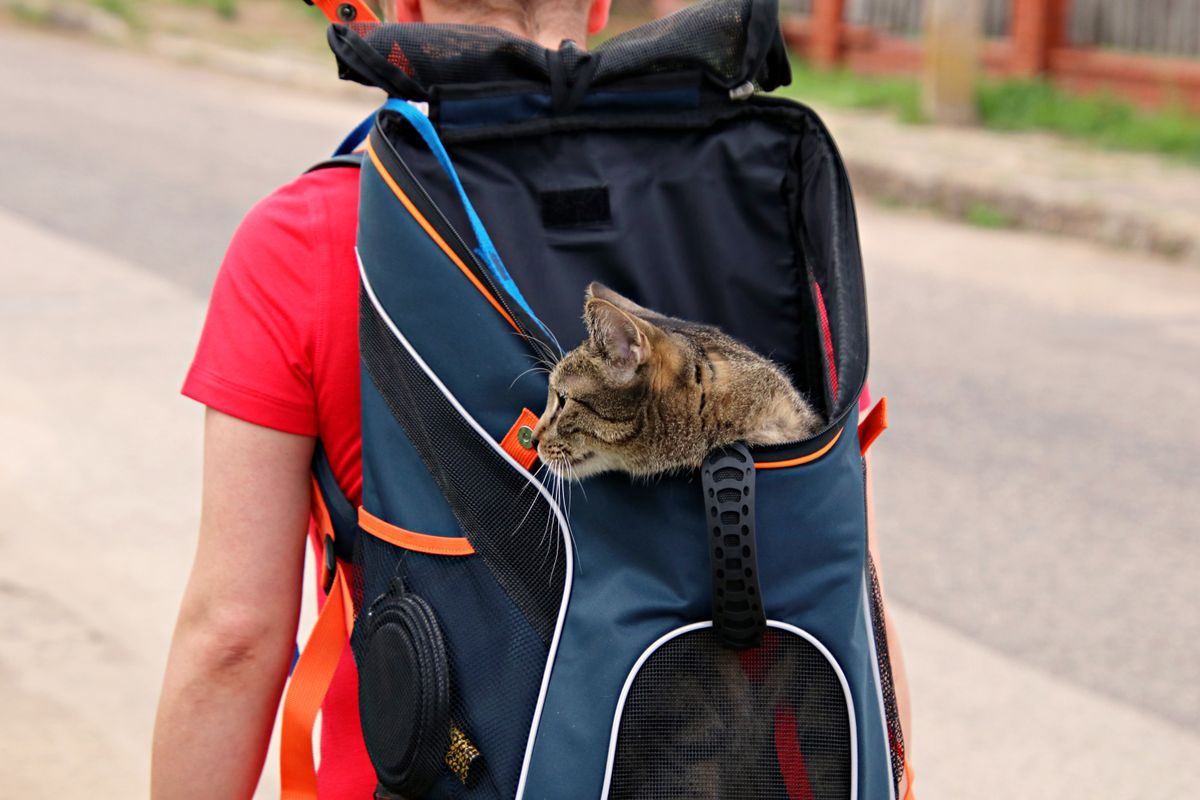
At security the carrier went through the scanner while Miso wore her harness and stayed clipped to me. Staff were used to it, but the bag still had to fit the screening tray, so a compact footprint helped. On board, the under-seat space was smaller than the carrier's outline suggested, and the cabin was warm with everyone boarding.
I slid the rigid base in first and gently guided the soft sides to mould around it. Miso curled up within minutes once the engines hummed and the cabin dimmed, and I kept a hand on the top vent so she could smell me through the mesh.
What Miso put the carrier through
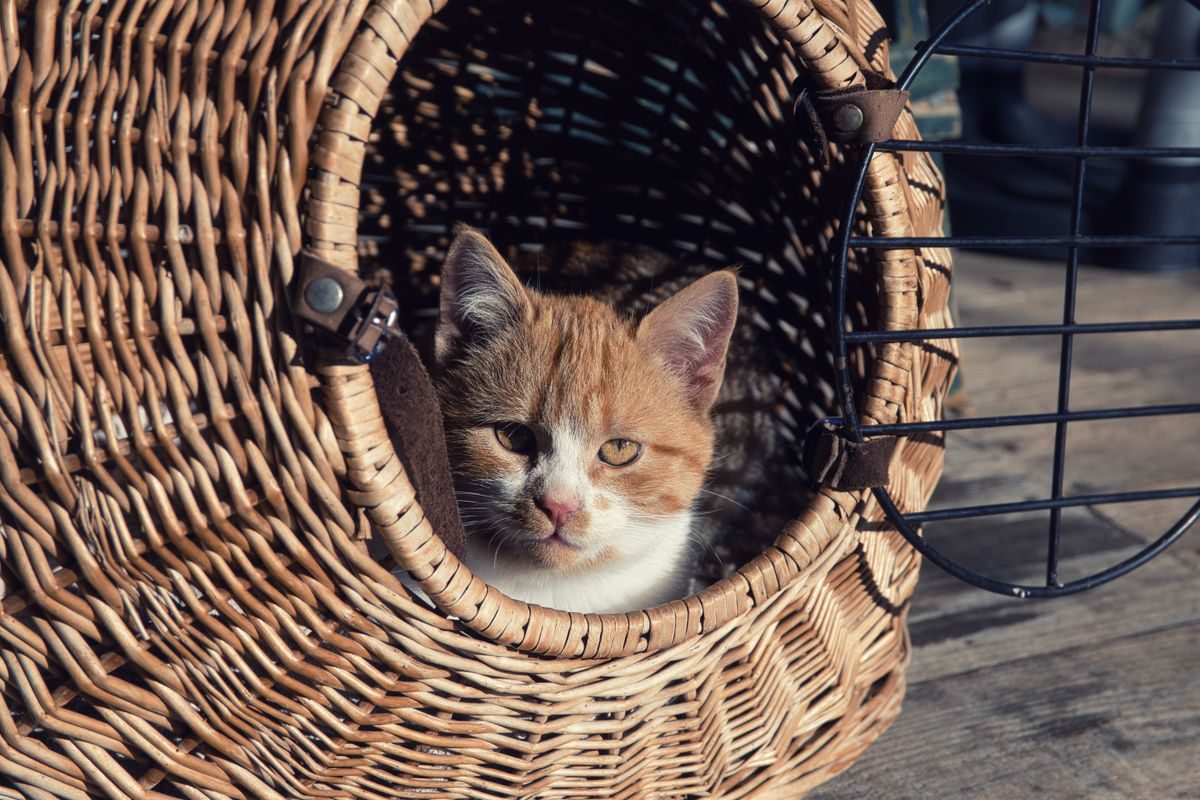
Four hours is a long time for a rescue cat in a new box. She climbed the mesh, dug at the base, and spun around twice before settling. The zips held, the tether stayed clipped, and the base did not bend. By the time we landed in Perth her carrier looked travelled-in but intact, and she walked out calmly in my arms while other cats yowled in harder boxes.
The trip proved that the boring features, the base, the zip, the tether, matter more than the pretty ones. I would happily fly her again in the same carrier, and I would tell any renter moving states to spend up for those three things.
| Feature | Why it mattered on the day |
|---|---|
| Rigid base | Kept its shape under the seat and during the terminal walk. |
| Internal tether | Let us clip Miso at security without losing her. |
| Dual mesh panels | Airflow during a stuffy, delayed boarding. |
| Padded strap | Saved my shoulder on the long gate walk. |
| Top entry | Made lifting her out at Perth gentler. |
Would we fly her again, and how we'd prep
We would, with the same carrier and a few tweaks. Next time I will bring a lightweight mat that smells like home, and I will practise the full routine, car to security, once at home first. You can read more practical setups in our pet carriers and backpacks guides before you book, because the right prep turns a scary flight into a manageable one.
Flying a cat is manageable when the carrier is built for the whole trip, not just the aisle, and when you treat the airport as part of the journey rather than an afterthought.
Frequently Asked Questions
Can a cat travel in the cabin on Australian domestic flights?
Some airlines allow small cats in an approved carrier under the seat in front, but each carrier and route differs. Check the pet policy for your specific flight and book the pet spot early, because numbers are limited per plane and fill quickly in holiday periods.
Should the cat be clipped to the carrier tether?
Yes, clip the tether to a well-fitted harness rather than a collar, which can slip. This keeps your cat secure if a zip opens at security or during a lift, without risking a collar catching or coming off during a stressful moment.
How early should we arrive at the airport?
Plan to arrive well before the standard window so you can find a quiet spot and let your cat settle. A calm wait before boarding makes the cabin ride far easier for a nervous rescue cat, and gives you buffer for pet-check-in lines.
What if my carrier is slightly too big for under the seat?
A soft-sided carrier with a firm base can often be gently guided into the space, but confirm dimensions with the airline first. If it will not fit, your cat may need to travel as checked baggage, which is a different and more stressful experience entirely.
Did Miso need a vet visit before flying?
We arranged a check-up beforehand to be sure she was settled enough to travel, and your vet can advise on what suits your own cat. Always follow your vet's guidance for a stressful trip rather than guessing, especially for older or unwell pets.
Looking for pet carriers & backpacks?
We stock the gear covered in this guide, with Australia-wide shipping and Afterpay at checkout.
Popular in this range: cartoon carrier tote
Shop Carriers at Paws of Oz