Trail Days: Hiking Harnesses, Couplers and Gear for Adventure Dogs
Short answer: a suburban walking harness will fail on a trail, so for Maple and me the gear that earned its spot was a trail-built harness, a bungee lead for rough ground, and a coupler once two dogs shared one line. The bottom line is that the first thing to break was her everyday strap, and hands-free kit on the climb kept me upright when the track turned ugly. We snapped a clip within a month before the upgrade, which is a lesson I would rather you skip.
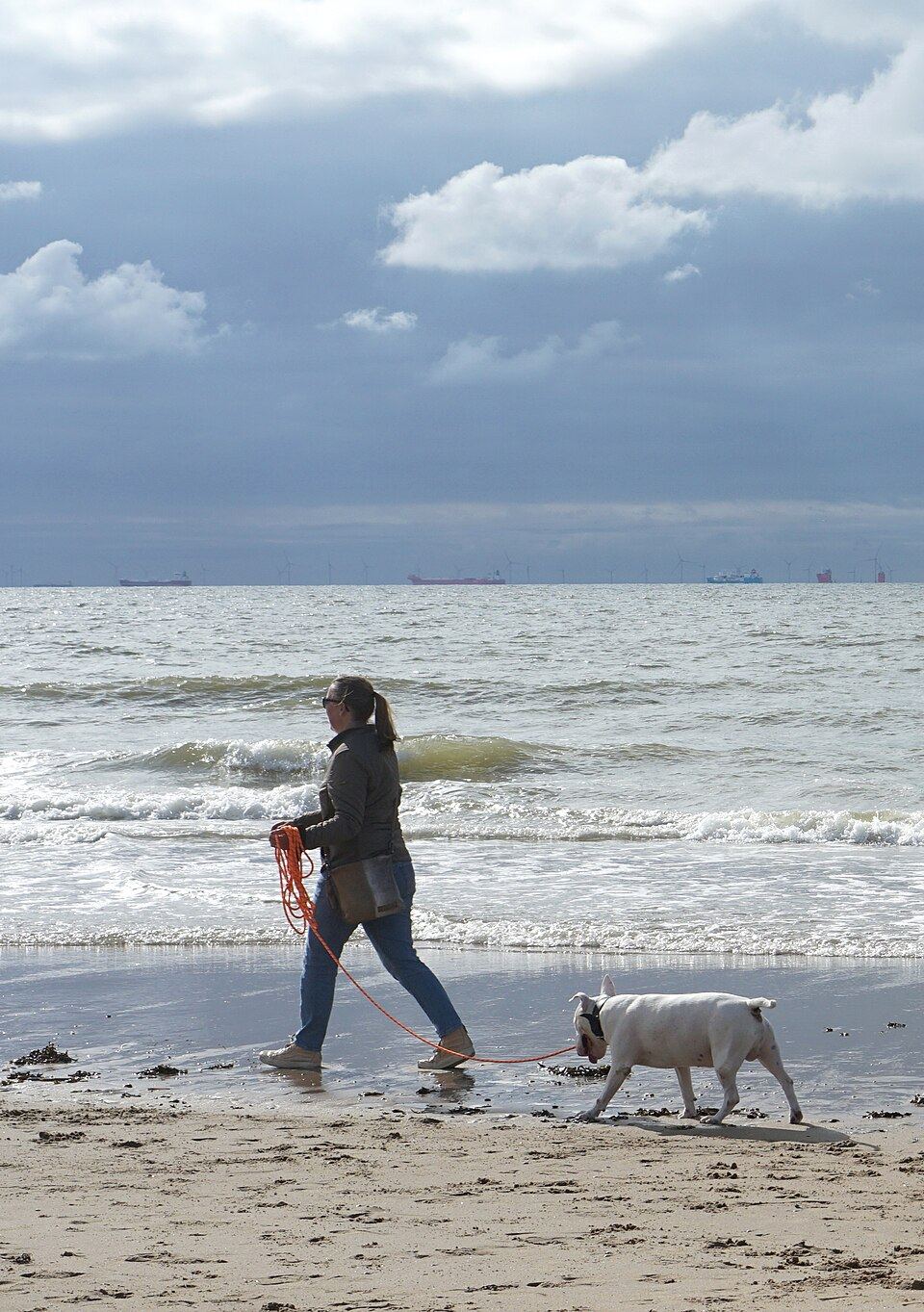
Maple and I caught the hiking bug almost by accident. A friend invited us on an easy bush track, we both came back muddy and grinning, and that was it. We've since covered everything from coastal cliffs to inland ridges, and the lessons stacked up fast. But the gear I'd been using for suburb walks was not built for trails. Within a month I'd snapped a clip, rubbed her raw under a bad harness, and learned that two dogs on one lead is its own special chaos. Here's what actually worked once we got serious about adventure days.
Why a walking harness isn't enough
The first thing to fail was her everyday harness. On a flat street it was fine, but on a trail the straps shifted, the clip sat at a weird angle when she pulled uphill, and she ended up with a sore spot. I switched to a hiking harness for dogs trails design with padded panels and a stable back ring, and the rubbing stopped. A proper best dog hiking harness Australia stockists sell keeps the fit locked whether she's scrambling over roots or wading a shallow crossing. Fit is everything, so I measured her chest and neck before ordering instead of guessing like I did the first time.
The bungee lead for rough ground
Trails aren't smooth, and a fixed lead means every stumble transmits straight to your arm. I use a trail running dog lead bungee section even when we're hiking, not just running, because the stretch absorbs the jerk when she clambers up a bank. A bungee dog leash running build doubles nicely here, and it keeps both of us calmer on technical sections. The bounce is subtle but after a few kilometres your shoulder tells you it's working. I'd never go back to a rigid line on anything rockier than a footpath.
Going hands-free on the climb
Once the tracks got steeper I wanted both hands for balance, so I moved to a hands free dog leash waist belt. With Maple clipped at my hip I could use trekking poles and scramble without the lead tangling my legs. The running with dog harness hands free combo we'd already built for jogs transferred straight across, which was a nice surprise. A running dog harness hands free setup turns out to be a brilliant hiking setup too, since the back-clip line stays centred and out of the way. Less gear to rebuy, more reasons to actually use it.
- A waist belt frees both hands for the climb.
- Clip the dog at your hip while you scramble.
- Use trekking poles without the lead tangling legs.
- The back-clip line stays centred out of the way.
- A running setup transfers straight to hiking.
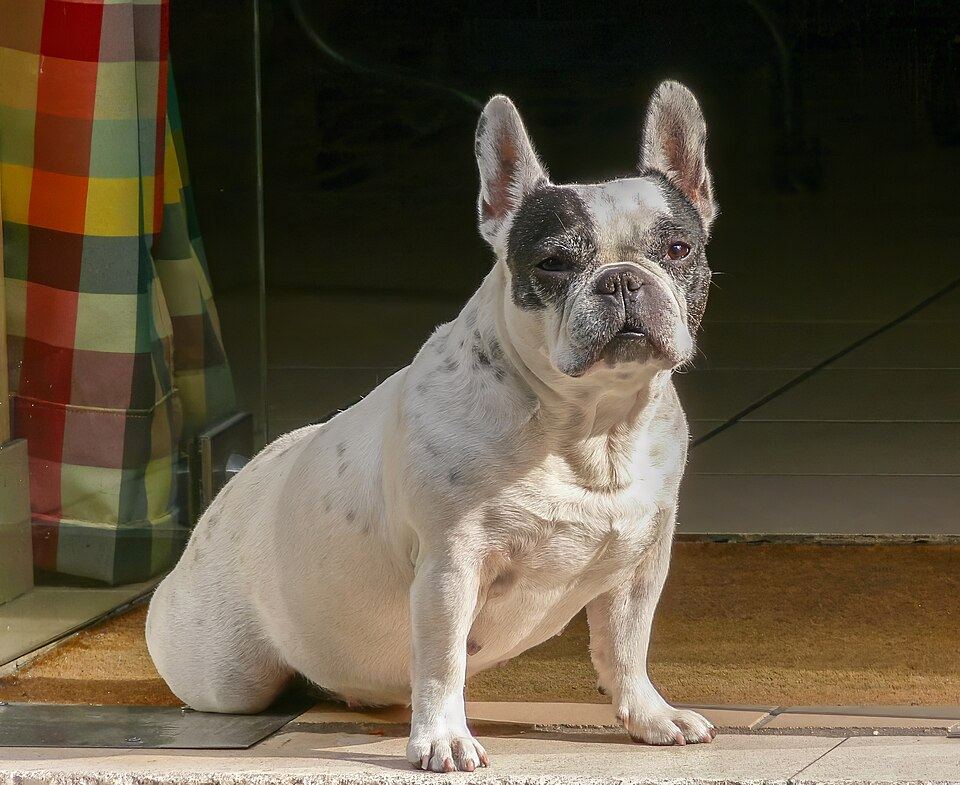
The two-dog problem
Then my sister started bringing her dog, and suddenly I was managing two animals with very different ideas about pace. A dog coupler for two dogs walking saved the day. It splits one lead into two evenly spaced lines so neither dog crowds the other, and a dual dog lead coupler keeps the tangle down to almost nothing. Watching them settle into a rhythm instead of wrapping me up was genuinely satisfying. If you walk more than one dog regularly, this is the cheapest sanity saver I've found.
Adventure gear that earns its spot
Beyond the harness and lead, I keep a light, a collapsible bowl, and a small first-aid pouch in the pack. All of it counts as dog adventure gear Australia built for the outdoors, which means it shrugs off mud and dries fast. I've stopped buying cute and started buying practical, because on a real trail the pretty stuff fails first. The best dog hiking harness Australia makers produce usually has a spot for a light or a pack, and that thoughtful design is what separates gear you trust from gear you tolerate.
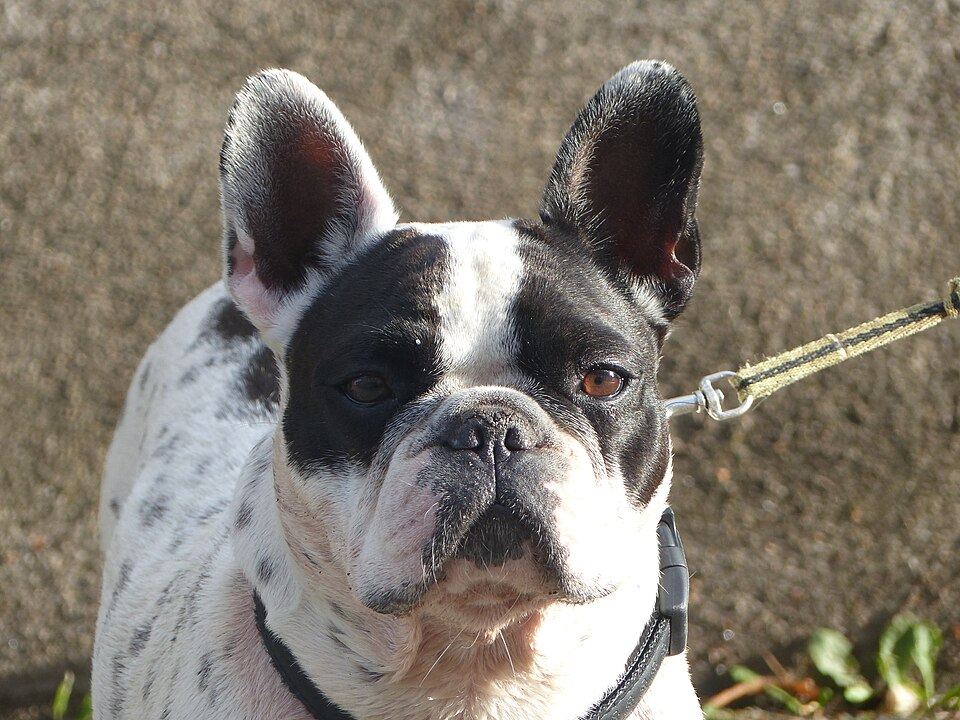
Reading the trail together
The thing nobody mentions is that hiking is a conversation. Maple reads the track and I read her, and the harness is just how we stay connected while she explores. On loose scree I keep the line short so she can't pitch off a ledge; in open forest I let it out and she ranges happily. The waist belt means I'm not yanking when I correct her, which keeps the mood light. After a while you stop thinking about the gear entirely and just enjoy the bush, which is the whole point of going out there in the first place.
Weather and water crossings
Australian trails throw everything at you. We've hit sudden heat, creek crossings, and mud that tries to steal your shoes. The hiking harness shrugs off a dunk and dries on the move, and the bungee lead doesn't care about a wet grip. I pack extra water in summer and turn back early if she's flagging, because a tired dog on a remote track is no fun for anyone. The adventure gear earns its keep exactly on the days the plan falls apart, and those are the days you're glad you bought properly.
Why the coupler changed our group walks
Since the two-dog setup worked so well, I've started offering to take friends' dogs too, and the coupler means I can handle three without losing a limb. It sounds like a lot, but even spacing and a calm lead attitude keeps them sorted. If you're building dog adventure gear Australia style for a group, the coupler is the unsung hero. The best dog hiking harness Australia makers build tends to layer with it cleanly, so everyone stays comfortable and I stay sane. Group trail days are now my favourite kind of weekend, and the gear makes them possible.
If you're thinking of taking your dog past the local park, get the trail gear first. Me and Maple wish we'd done it sooner. — from me and Maple.
Frequently Asked Questions
What should I look for in a hiking harness for dogs?
Look for padded panels, a stable back attachment ring, and a fit that stays put when your dog pulls uphill. Measure the chest and neck before ordering rather than guessing, and choose a harness built for trails rather than a basic walking one.
Is a bungee lead worth it for hiking?
Yes, on rough ground a bungee section absorbs the jolt when your dog clambers up a bank, which saves your shoulder over a long day. It is useful for hiking even if you are not running.
How does a hands-free waist lead help on the trail?
A waist belt clips the dog at your hip so both hands stay free for poles and scrambling. The line stays centred and clear of your legs, which is why a running setup works well for hiking too.
What is a dog coupler and when do I need one?
A coupler splits one lead into two evenly spaced lines so two dogs walk without tangling or crowding. If you regularly walk more than one dog, it is the simplest way to keep everyone sorted.
What extra gear should I pack for adventure dogs?
Pack a light, a collapsible bowl, extra water, and a small first-aid pouch. Choose outdoor-built gear that shrugs off mud and dries fast rather than anything cute that fails on a real trail.
Lead & Harness Size Reference
| Lead length | Webbing width | Best use |
|---|---|---|
| 1.2 m | 1.5–2.5 cm | Everyday suburban walks, most dogs |
| 2 m | 1.5 cm | Lead training and recall work |
| 3–5 m (long line) | 1.5–2 cm | Beach, park, off-lead practice |
| Adjustable 1.5–3 m | 2.5 cm padded | City plus reserve, changing needs |
Webbing width by dog size: under 10 kg → 1.5 cm, 10–25 kg → 2 cm, over 25 kg → 2.5 cm.
Looking for dog leads & walking gear?
We stock the gear covered in this guide, with Australia-wide shipping and Afterpay at checkout.
Popular in this range: bungee car seat belt · escape-proof harness set
Shop Leads & Walking at Paws of Oz