Tiny But Mighty: Finding the Right Harness for My Small and Flat-Faced Dogs
Short answer: for a chihuahua, a pug and a French bulldog under one roof, a breathable harness beats a flat collar every time, because the throat pressure that makes Poppy slip her collar is exactly what flat-faced breeds cannot cope with. Here's the part most brands ignore: a pug like Winston overheats in anything that traps sweat, so mesh panels that let air move are not a nice-to-have. My three needed three different fits, and the lesson was that small dogs change shape fast, needing a weekly check.
When you share your home with a French bulldog, a pug, and a chihuahua, you learn pretty fast that "one size fits all" is a lie told by people who have never tried to dress a squished-face dog. My three are completely different in shape, temperament, and breathing ability, and each one needed a completely different approach. If you are shopping for a small dog harness in Australia, let me save you the months of trial and error I went through.
Why I ditched collars for the little ones
The first lesson was hard won. My chihuahua, Poppy, used to slip her collar the moment she got spooked at the off-leash park. A flat collar puts all the pressure on the throat, and for a toy breed that is a real risk. I switched her to a proper toy breed dog harness Australia owners would actually trust, and the difference was instant. She stopped coughing after walks, and she stopped vanishing into the bushes.
For the flat-faced pair, the collar question is even more serious. Frenchies and pugs already struggle to move air. Any pressure on the neck can tip them from "snuffly" to "in distress" quicker than you would believe. A harness that sits on the chest takes that worry off the table.
The flat-faced problem most brands ignore
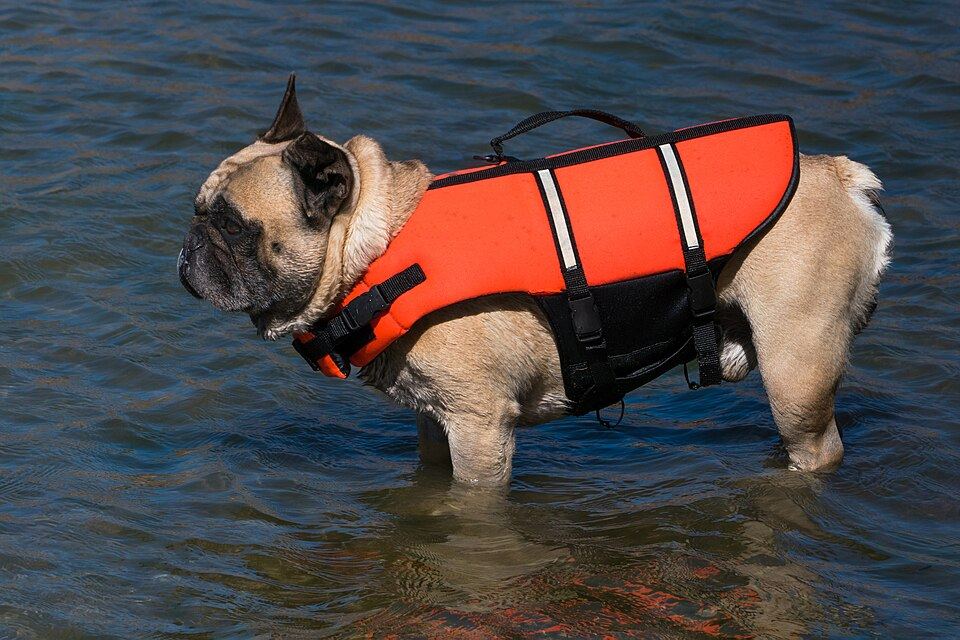
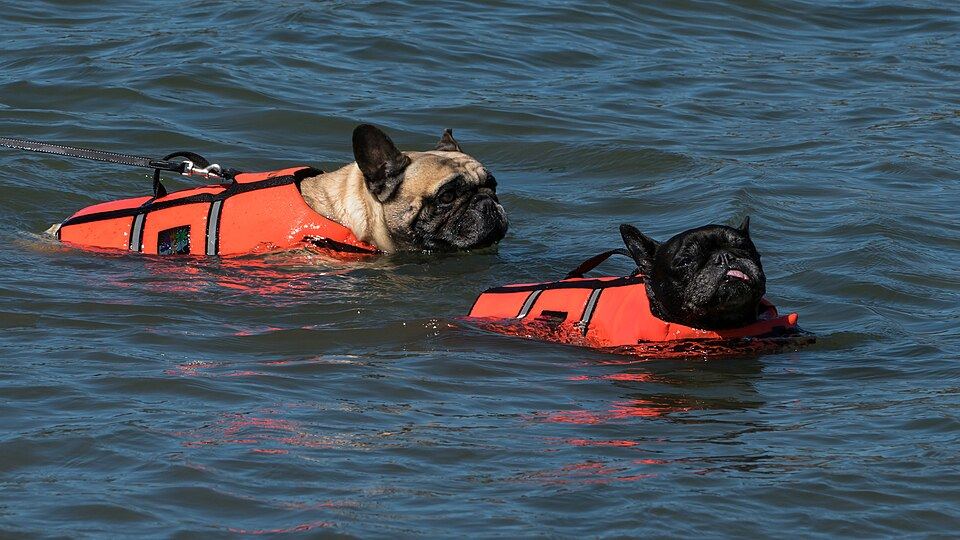
Finding a dog harness for flat faced breeds is its own special headache. These dogs have barrel chests, short necks, and a centre of gravity that is basically a loaf of bread. A regular small harness cuts into their armpits or rides up into their face. I went through four returns before I found one shaped for the breed rather than just "scaled down from a big dog."
For Bruno I needed a French bulldog harness no pull style with a front clip. The front clip gently turns her back toward me when she lunges at a cyclist, instead of letting her power through on her chest. For my pug, Winston, heat was the bigger enemy. He needed a pug harness breathable Australia buyers would want in a Melbourne summer, with mesh panels and no padding that traps sweat. Once I swapped to a breathable one, his post-walk flopping improved dramatically.
Sizing the XS crowd without the guesswork
The extra small dog harness XS label means nothing until you actually measure. I made the mistake of trusting the weight guide once and got a harness Poppy could wriggle out of sideways. Now I use a soft tape and note the chest girth right behind the front legs, plus the neck. A puppy harness sizing guide tip that helped me: if you can fit two fingers flat under the strap but not slip it over the head, you have it right.
Poppy is the poster child for why the best harness for chihuahua Australia searches exist. She is barely three kilos, all ribs and attitude. The XS with adjustable tri-glide buckles gave her a secure fit without the bulk that scared her at first. She actually pranced once it stopped rubbing.
Puppy gear that grows with them
Before these three, I raised a pup on a puppy harness and lead set, and the habit stuck. Starting a dog in a harness means they never learn the yank-and-choke reflex that collars teach. My dog training lead puppy setup was a light four-metre line that let the little guy explore without me hauling on his neck. For toy and small breeds, that gentle start matters even more because their joints are so fragile.
I will be honest, the harness is only half the battle. The other half is reading your dog. Winston pants differently to Bruno. Poppy freezes instead of pulling. Once I matched the gear to the dog instead of the dog to the gear, our walks stopped feeling like negotiations.
Living with three very different shapes
There is a funny learning curve to owning dogs that look like they were designed by three different committees. Bruno the Frenchie carries her weight up front, so a French bulldog harness no pull with a wide chest plate keeps the strap from digging in. Winston the pug is round and low, which is why the pug harness breathable Australia mesh wraps without choking his stubby neck. And Poppy, my best harness for chihuahua Australia test case, is all spine and confidence, so the XS has to be snug without making her look trussed. Once I stopped treating them as the same animal in three sizes, fitting got easier and our walks got calmer.
The other thing nobody mentions is washing. Small harnesses pick up more grass stain and slobber per kilo than any big-dog gear I own. I rinse the mesh ones in cold water after beach trips and air dry them flat. A clean harness does not chafe, and a chafe-free dog does not fight the next walk.
What I would tell a first-time small-dog owner
If I could bottle the advice, it would be this: measure twice, buy once, and do not fall for the cute prints until you have confirmed the fit. A breathable, adjustable, front-clip harness in the right XS or small size will do more for your sanity than any training class in week one. And keep an eye on the heat, because our flat-faced friends feel it first.
My three will never win a pulling contest, but they have taught me more about fit, comfort, and breathing than any product page ever did. Tiny dogs, mighty opinions. Meet them halfway with the right gear.
Walk slow, sniff everything, and measure that chest twice. From me and the three troublemakers at home.
- Measure twice and buy once before the cute prints.
- Do not fall for cute prints until the fit is set.
- Choose a breathable, adjustable, front-clip harness.
- Pick the right XS or small size for your dog.
- Keep an eye on the heat, flat faces feel it first.
Frequently Asked Questions
How do I choose a harness for a flat-faced dog?
Flat-faced breeds have barrel chests and short necks, so look for a harness shaped for the breed rather than a small dog scaled down. A front-clip, breathable style avoids rubbing the armpits and helps a Frenchie or pug stay cool.
What size harness does a chihuahua need?
Measure the chest girth just behind the front legs and the neck, then match the brand's chart rather than the weight guide. An XS with adjustable tri-glide buckles gives a secure, snug fit without bulk.
Should a puppy start in a harness or a collar?
Start in a harness so they never learn the yank-and-choke reflex a collar teaches. A light long line lets a puppy explore without you hauling on the neck, which matters even more for small breeds with fragile joints.
How do I know the harness fits my small dog?
Use the two-finger rule: you should fit two flat fingers under the strap but not slip it over the head. Check the fit weekly, because small dogs change shape and a too-tight harness causes chafing and fights.
Are breathable harnesses important in Australia?
For flat-faced breeds especially, yes. Mesh panels that do not trap sweat keep a pug or Frenchie cool on warm days, and a cool dog is a dog that actually enjoys the walk instead of fighting the gear.
Lead & Harness Size Reference
| Lead length | Webbing width | Best use |
|---|---|---|
| 1.2 m | 1.5–2.5 cm | Everyday suburban walks, most dogs |
| 2 m | 1.5 cm | Lead training and recall work |
| 3–5 m (long line) | 1.5–2 cm | Beach, park, off-lead practice |
| Adjustable 1.5–3 m | 2.5 cm padded | City plus reserve, changing needs |
Webbing width by dog size: under 10 kg → 1.5 cm, 10–25 kg → 2 cm, over 25 kg → 2.5 cm.
Looking for dog leads & walking gear?
We stock the gear covered in this guide, with Australia-wide shipping and Afterpay at checkout.
Popular in this range: hands-free running leash · escape-proof harness set
Shop Leads & Walking at Paws of Oz