Surviving an Australian Summer With Your Dog: Heat, Snakes and Safe Walks
Short answer: the biggest shift for Peppa was walking at dawn instead of after work, because a staffy handles our summer heat badly and a January afternoon nearly landed us at the emergency vet. If you only remember one thing, learn the heatstroke signs and keep to open paths so snakes stay clear. Beaches allow dogs before 9am or after sunset and on lead near flagged areas, so a long lead for splashing and a rinse afterwards became our routine. Water and shade matter more than distance.
Our first full Australian summer with Peppa, our rescued staffy, nearly ended in the emergency vet on a January afternoon. I grew up thinking "hot" meant putting on sunscreen. Peppa taught me that dogs don't handle heat the way we do, and the hard way is expensive and scary. Twelve months later, I've got a routine that keeps her safe through the worst of it, and I want to share the bits I wish someone had told me before I panicked on a phone call to a vet nurse.
Change when you walk, not just how far
The single biggest shift was learning that summer dog walking safety Australia heat means changing when you walk, not just how far. I used to take Peppa out after work, around six, because that's when I had time. In February that's still 34 degrees and the footpath burns her pads. Now we're up before the sun properly clears the roofs, walking while there's still a hint of cool in the air, and again after the worst of the day has passed. Midday walks are off the table from December through March unless it's pouring rain and twenty degrees. I also switched our route to one with shade and a bubbler, and I wet her paws and belly before we leave the house. The pavement test — the back of your hand on the ground for five seconds — is one I finally take seriously. If it's too hot for my skin, it's too hot for hers.
- Walk before the sun clears the roofs in the morning.
- Walk again after the worst of the day has passed.
- Midday walks are off the table from December to March.
- Wet her paws and belly before leaving the house.
- Use the pavement test: hand on ground for five seconds.
Knowing the heatstroke signs
Recognising heatstroke dog walking Australia signs early is the difference between a scary afternoon and a tragedy. The first thing I noticed was the panting that wouldn't settle, even after we stopped in the shade. Then came the thick, sticky drool, the bright red tongue and gums, and a kind of wobble where she normally powers along. What scared me most was how fast it came on — maybe ten minutes from "a bit puffed" to "something's wrong". Now if she's panting hard fifteen minutes into a walk I turn straight home, dunk her in the paddling pool, and offer small drinks. I keep the air con running and never, ever leave her in the car, not even for two minutes at a servo. That's a lesson I don't need to learn twice.
Snakes are a summer problem too
Because the cooler hours are often at dawn and dusk, we end up on the bush tracks then — which brings its own problem. Snake safety dog walks Australia bush is something southern-state owners especially can't ignore in summer. The warm months are when snakes are most active, and Peppa has the nose of a bloodhound with none of the caution. I keep her on a shorter lead near scrub, I don't let her root around fallen logs, and I've trained a solid "leave it" that, fingers crossed, actually works when it counts. We stick to open, walked paths rather than pushing through long grass where I can't see the ground. It's less adventurous, but I'd rather a boring walk than a snake encounter.
Being ready for a snake bite
Beyond avoidance, snake bite dog Australia prevention is mostly about being prepared before it happens. I saved the address and phone of the nearest emergency vet into my contacts and worked out the fastest route, because in that situation you don't want to be fumbling with maps. I know the signs — sudden weakness, trembling, vomiting, collapsing — and I know not to try suck the venom or use a tourniquet, which does more harm than good. The real prevention, though, is keeping her close and watching the ground ahead of her. Most bites happen because a dog surprises a snake, so the calmer and more controlled the walk, the better.
Cooling off at dog-friendly beaches
When it's truly sweltering, nothing beats the water, and dog friendly beaches Australia leash rules make this possible if you plan around them. Peppa lives for a paddle, and a sunrise session at a permitted beach cools her right down. The catch is the rules: many beaches allow dogs only before 9am or after sunset in summer, and almost all want them on lead near flagged areas or during nesting season. I pack a long lead so she can still splash at the shallows while I stay legal, and I rinse the salt off her afterwards because it irritates her skin. Check the specific council sign before you unclip anything — the fines aren't worth a few extra minutes of freedom.
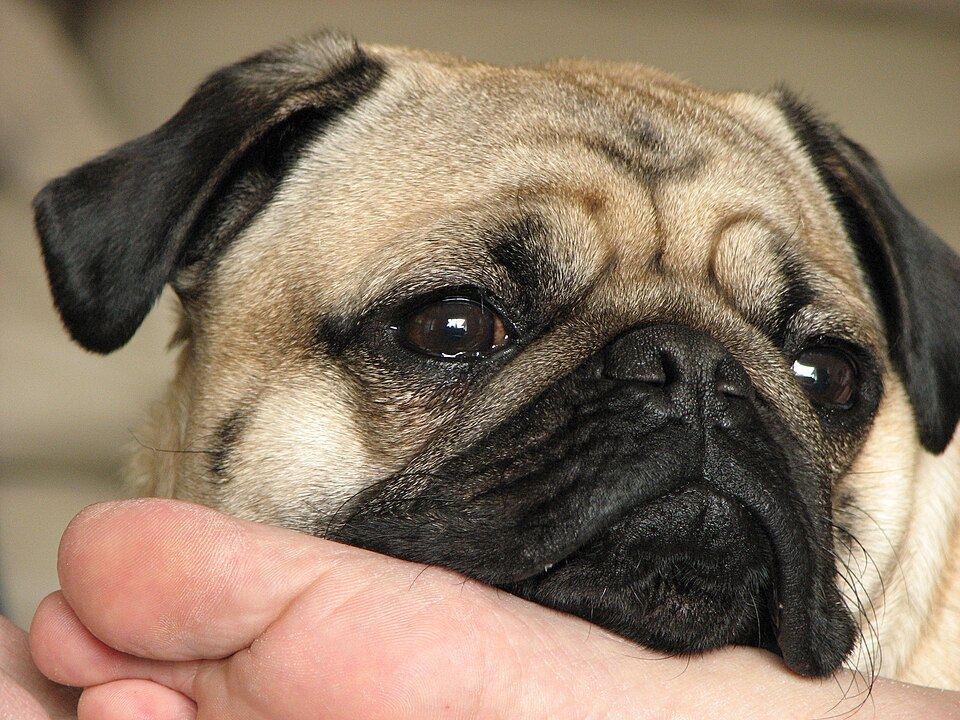
The leash-law backdrop
All of this sits inside the wider framework of dog leash laws Australia council and dog leash rules by state Australia, which vary more than most newcomers expect. Knowing the local by-laws stopped me from assuming a beach or reserve was fine when it wasn't. States set the broad strokes and councils fill in the hours and zones, so the same beach can be on-lead only at one end and banned at the other.
Off-leash spots, but only when it's cool
The one place Peppa gets proper off-lead exercise is the off leash dog parks Australia style reserves near us, but even those I save for the cool edges of the day. At 7am they're empty, shady, and safe; at noon they're a frypan. Early means she burns energy without the heat risk, and I can relax knowing she's legal and contained.
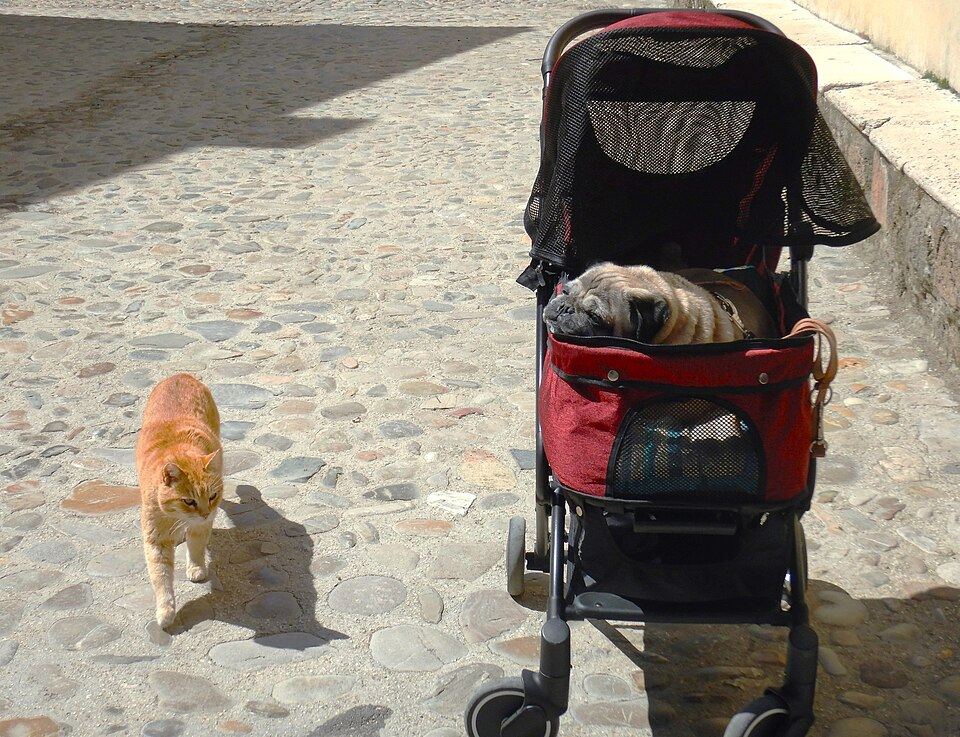
Lightweight gear for hot weather
Gear matters in summer too. The best dog harness Australia 2026 for us is a lightweight, breathable one that doesn't trap heat under the straps, and among the top dog harness brands Australia I've found Ruffwear and EzyDog both do ventilated options that suit a short-coated dog like Peppa. A well-fitted harness also means better control near snakes and other dogs, which is half the battle in busy summer parks.
This summer I'm calmer than last, and Peppa's thriving. If you're heading into your first hot season with a dog, walk early, watch the signs, and know your beaches. She'd thank you if she could, between the paddling and the naps.
Frequently Asked Questions
When is the safest time to walk a dog in summer?
Walk at dawn and again after the worst heat passes, not at midday from December through March. Do the pavement test with the back of your hand, and if it is too hot for your skin it is too hot for theirs.
What are the signs of heatstroke in dogs?
Watch for panting that will not settle, thick drool, bright red gums, and a wobble. It can come on within minutes, so turn home, cool them down, and offer small drinks at the first sign.
How do I protect my dog from snakes?
Keep the dog on a shorter lead near scrub, avoid long grass and fallen logs, and teach a reliable leave it. Most bites happen when a dog surprises a snake, so stay calm and controlled on the path.
What should I do if my dog is bitten by a snake?
Save the nearest emergency vet's details, keep the dog calm and close, and get there fast. Do not try to suck venom or use a tourniquet, which does more harm than good.
Can I take my dog to the beach in summer?
Yes, at permitted times. Many beaches allow dogs before 9am or after sunset and on lead near flagged areas, so pack a long lead for splashing and rinse the salt off afterwards.
Lead & Harness Size Reference
| Lead length | Webbing width | Best use |
|---|---|---|
| 1.2 m | 1.5–2.5 cm | Everyday suburban walks, most dogs |
| 2 m | 1.5 cm | Lead training and recall work |
| 3–5 m (long line) | 1.5–2 cm | Beach, park, off-lead practice |
| Adjustable 1.5–3 m | 2.5 cm padded | City plus reserve, changing needs |
Webbing width by dog size: under 10 kg → 1.5 cm, 10–25 kg → 2 cm, over 25 kg → 2.5 cm.
Looking for dog leads & walking gear?
We stock the gear covered in this guide, with Australia-wide shipping and Afterpay at checkout.
Popular in this range: hands-free running leash · headrest car tether
Shop Leads & Walking at Paws of Oz