Puppy's First Leash: Harness, Sizing and the Long Line That Saved My Sanity
Short answer: start a puppy on a small harness, never a flat collar, because a tiny trachea is too delicate to teach pulling against, and the long line is what saved my sanity once recall fell apart. If you only skim one section, make it the sizing guide, since puppies change shape that fast a weekly fit check is the difference between comfort and a daily argument. My terrier-cross tornado became manageable the moment the pressure moved off her throat and onto her chest.
I still remember the day I brought home my first puppy, a wobbly little terrier-cross with zero understanding of the concept "stay on this side of the road." I had grand plans of calm neighbourhood strolls. What I got was a tiny tornado on a string. If you are at the start of that journey, here is what actually worked for me, including the puppy harness and lead set that became my everyday saviour.
Start with a harness, not a collar
Everyone told me to start with a collar because "that is what dogs wear." But a puppy's trachea is delicate, and the instinct to pull against pressure is exactly what you do not want to teach. I went straight to a small dog harness that distributed weight across the chest. The relief on his little body was obvious within two walks. He stopped gagging, and I stopped feeling like a jerk every time he lurched at a leaf.
For toy and miniature puppies, the fit is even fussier. A toy breed dog harness Australia shoppers would pick needs to be light enough that the pup forgets it is there. Mine was so used to the collar jingle that the silent harness confused him for a day, then he decided it meant adventure and got excited at the sight of it.
- A puppy's trachea is delicate, so skip the collar to start.
- Use a small harness that spreads the weight across the chest.
- Within two walks the gagging stopped and the pup relaxed.
- Toy and miniature pups need a harness light enough to forget.
- A silent harness may confuse a pup for a day, then means play.

The sizing guide I wish I had read
Puppies grow like weeds, so a puppy harness sizing guide is worth more than people admit. The trick is to measure the chest just behind the front legs and leave room for two fingers. With my boy, an extra small dog harness XS fit at ten weeks, then I had to move up a notch by week fourteen. Adjustable tri-glide straps saved me from buying a new one every month.
I also learned that the "weight range" on the packet is a suggestion, not a law. My chihuahua-mix friend next door needed the best harness for chihuahua Australia owners recommend, and her build was nothing like the chart predicted. Measure the dog, not the label.
Enter the long line
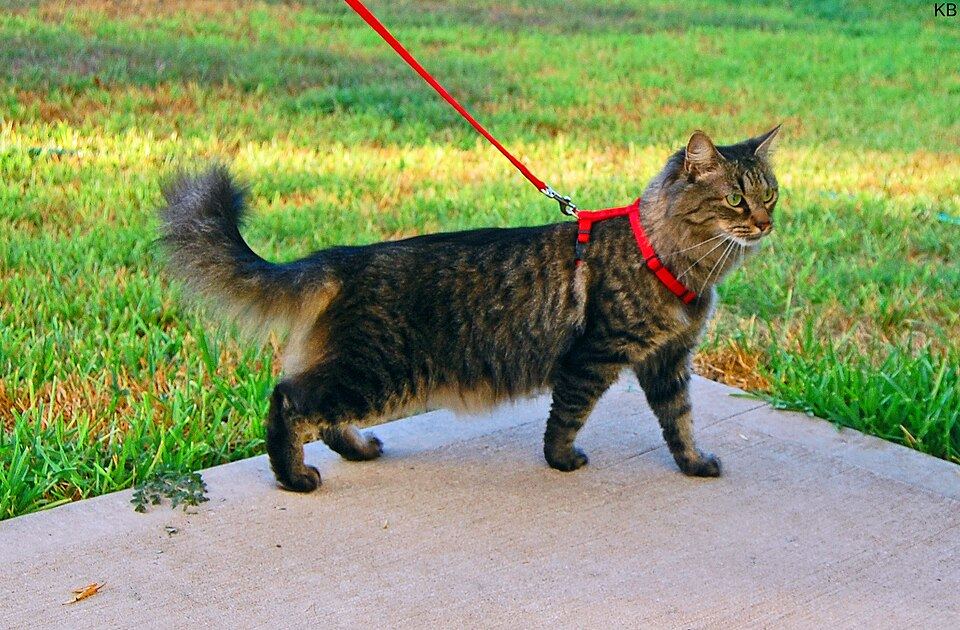
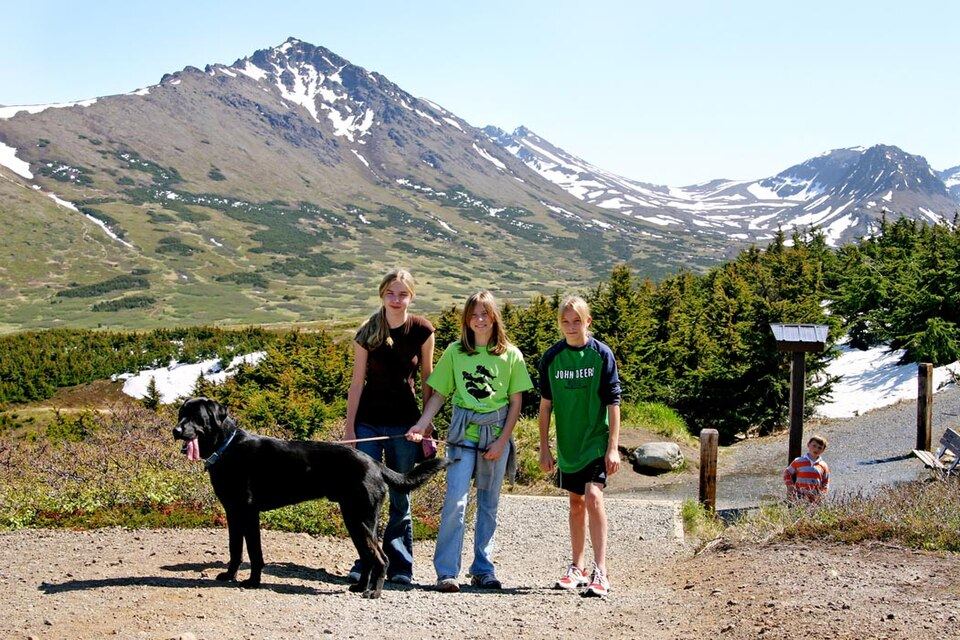
About a month in, the real sanity-saver arrived: a dog training lead puppy version that was a light five-metre line. The idea is simple. You let the pup roam and sniff within a safe radius while you hold the end, so they learn that staying close earns freedom and wandering too far just means the line goes slack and boring. No yanking, no drama, just gentle guidance.
That long line rewired our whole relationship. Instead of me dragging him, he started checking in with me because I was the source of the fun, not the tug-of-war opponent. For small breeds especially, a dog harness for flat faced breeds style with a back clip paired beautifully with the long line, because there was no throat pressure at all during those early explorations.
No-pull foundations for the squished-face types
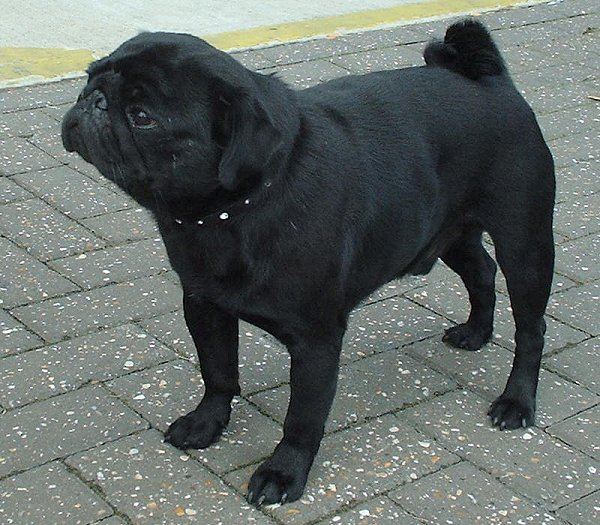
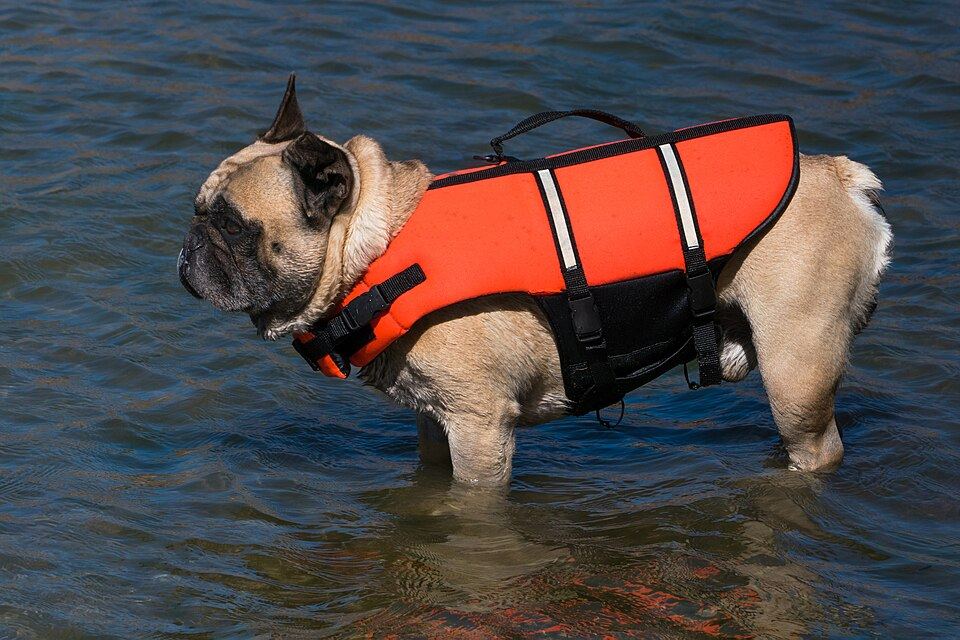
Later I puppy-sat a Frenchie and a pug for a friend, and the same gear translated perfectly. The French bulldog harness no pull front-clip design kept the Frenchie from muscling ahead, while the pug harness breathable Australia mesh option kept the pug from overheating on a warm arvo. Watching those two learn the long-line game confirmed it: the method is breed-blind, but the gear has to respect the breed.
If your puppy is flat-faced, do not skip the breathability point. A pup that cannot cool down will hate walks, and a pup that hates walks becomes a pup that fights the gear. Comfort first, training second.
Reading the puppy, not just the manual
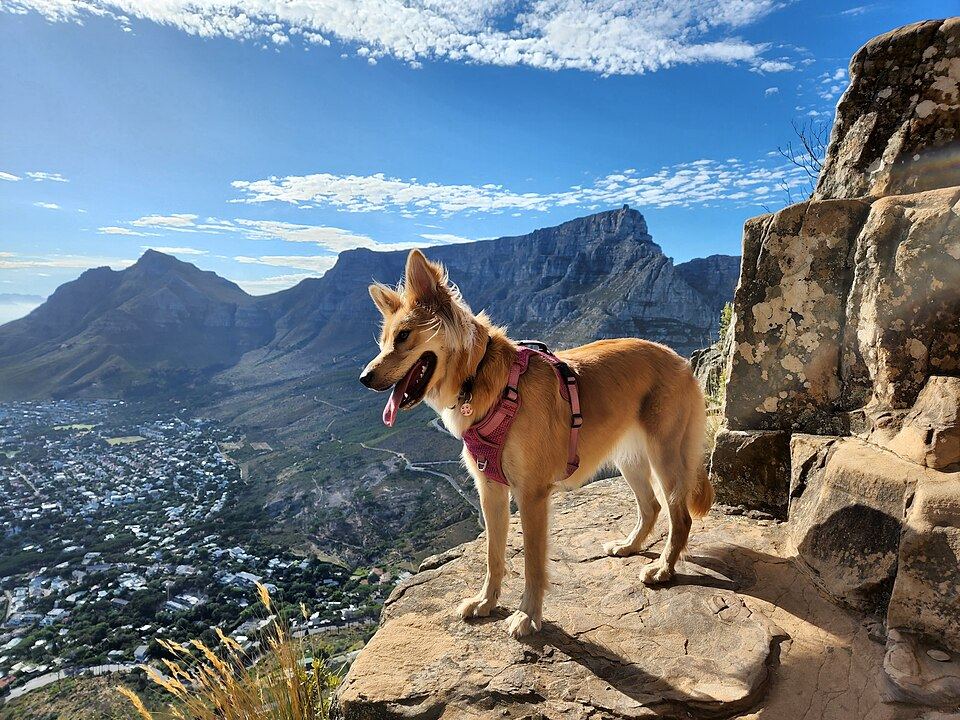
The gear only works if you pay attention to the dog wearing it. My boy told me when the first harness was too tight by flopping down mid-walk, which I initially read as stubbornness and later as discomfort. Loosening one notch fixed it. A small dog harness that fits right disappears into the routine; one that does not becomes a daily argument. I now do a weekly fit check because puppies change shape weekly, and the extra small dog harness XS that hugged him at twelve weeks was sliding by sixteen.
Why the lead matters as much as the harness
People obsess over the harness and forget the lead is the communication line. A thin cord cuts my hand and teaches me to yank; a wider, softer puppy harness and lead set keeps the connection gentle. The long line I mentioned is technically a dog training lead puppy tool, but honestly it trained me as much as him. I learned to stand still and let the slack do the teaching instead of micromanaging every step. For a toy breed dog harness Australia puppy or a flat-faced one, that patience matters because their bodies cannot take correction the way a labrador shrugs it off.
The flat-faced caveat
If your puppy is a brachy breed, the dog harness for flat faced breeds fit is not optional. Their airways are compromised from birth, so any neck pressure during training can spiral into a panic that sets back weeks of progress. I keep the mesh breathable option on hand even for puppy visits, because a hot, stressed flat-faced pup is a pup that learns to hate the lead.
My honest takeaway
Looking back, the harness plus long-line combo did more for my puppy's manners than any class. It kept him safe, kept his throat intact, and kept me from losing my temper on the footpath. Get the fit right, keep the line long, and let the puppy be a puppy while you quietly steer.
To every new puppy parent losing the leash battle: breathe, measure twice, and buy the long line. From one recovered puller-wrangler to another.
Frequently Asked Questions
Should my puppy start with a harness or a collar?
Start with a harness so the delicate trachea is protected and the pup never learns to pull against pressure. A chest-distributing small harness stops the gagging that a collar can cause in a puppy.
How do I size a puppy harness as they grow?
Measure the chest just behind the front legs and leave room for two fingers, then expect to move up a size every few weeks. Adjustable tri-glide straps save you buying a new harness every month.
What is a long line and why use one?
A long line is a light five-metre training lead that lets a puppy roam and sniff within a safe radius while you hold the end. It teaches them that staying close earns freedom, with no yanking or drama.
Do flat-faced puppies need special harnesses?
Yes, a breathable mesh harness keeps a brachy puppy from overheating, and a front-clip design manages pulling without throat pressure. Comfort comes before training for these breeds.
How often should I check the fit?
Do a weekly fit check, because puppies change shape that fast. A harness that fits right disappears into the routine, while one that does not becomes a daily argument you both feel.
Lead & Harness Size Reference
| Lead length | Webbing width | Best use |
|---|---|---|
| 1.2 m | 1.5–2.5 cm | Everyday suburban walks, most dogs |
| 2 m | 1.5 cm | Lead training and recall work |
| 3–5 m (long line) | 1.5–2 cm | Beach, park, off-lead practice |
| Adjustable 1.5–3 m | 2.5 cm padded | City plus reserve, changing needs |
Webbing width by dog size: under 10 kg → 1.5 cm, 10–25 kg → 2 cm, over 25 kg → 2.5 cm.
Looking for dog leads & walking gear?
We stock the gear covered in this guide, with Australia-wide shipping and Afterpay at checkout.
Popular in this range: hands-free running leash · escape-proof harness set
Shop Leads & Walking at Paws of Oz