Sizing Charts Across Brands: Why One Dog Needs Three Sizes
Short answer: the same dog can wear a medium in one brand, a large in the next and an extra large in a third, because every label cuts its patterns around a different base dog. Treat each chart as a fresh puzzle, measure your dog in centimetres, and compare those numbers to the garment measurements rather than the letter on the tag.
I spend a fair slice of my week pulling product catalogues apart, and size charts are the part that never behaves. Last winter I lined up the charts from a dozen dog coat ranges and asked one plain question: for a chest girth of 55 cm, which size does each chart recommend? The answers landed across four different labels. No single chart was wrong. Each brand had simply built its range on a different base dog, with a different amount of room allowed for fur and movement. Once you see that, the frustration of buying dog clothes online starts to make sense, and so does the fix. You stop shopping by letters and start shopping by numbers.
Why charts disagree in the first place
A size chart is not a measurement of your dog. It is a summary of how one company decided to cut fabric. Behind every range sits a pattern block, a template drawn around a particular body shape with a particular amount of ease built in. One label drafts for a deep-chested working dog, another for a rounder companion breed, and a third splits the difference. The letter labels get bolted on top, so a medium is shorthand for whatever the block says a medium is.
Measuring habits differ too. Some charts key everything off chest girth, some lead with back length, and some lean on weight, the least reliable of the lot because two dogs of the same weight can be built completely differently.
What the size letters actually mean
The letters feel like a universal language and they are not. A medium is a bucket, not a point. One brand's bucket might span chest girths from 50 to 58 cm while its neighbour covers 54 to 60 cm, so a dog standing in the overlap wears two different letters depending on where it shops. That is not carelessness; it is two companies choosing different trade-offs between a close athletic fit and a roomier everyday one.
Some labels size for a specific breed family, which helps if your dog matches the mould and frustrates everyone else. A chart drawn around a barrel-chested breed reads strangely for a leggy, narrow one even when the girth number matches. The letters carry none of that context, which is why the printed measurements underneath matter more than the letter itself.
The real cost of guessing wrong
For a shopper the cost is not just the postage on a swap. It is the week you wait, and the coat that sits unused because re-ordering felt like too much fuss. In the patterns I follow, sizing confusion shows up as a quiet tax on the whole pet apparel category: buyers hesitate, order late in the season, or give up on fitted clothing and settle for something that half fits.
There is a trust angle too. Once an owner concludes that charts are guesswork, they stop reading them, which helps nobody. The honest defence is method rather than loyalty: measure the dog, read the garment numbers, and treat the first order from any new label as a calibration purchase rather than a commitment.
Reading a chart the way an analyst does
Start with three numbers taken on a standing, relaxed dog: neck where the collar sits, chest girth around the widest point behind the front legs, and back length from collar to tail base. Write them down. Every chart you meet becomes a lookup problem. Find where the girth falls, then check that back length and neck line up in the same row, because a coat that fits the chest but hangs past the tail will be given away within a month.
When your dog straddles two sizes, read the garment's own measurements rather than the letters. Check how much give the fabric has and where the fastenings sit. A stretchy panel buys forgiveness; a fixed chest plate does not. Between sizes on a non-stretch garment, the larger size is usually the honest answer.
- Measure neck, chest girth and back length before you browse anything.
- Trust garment measurements over size letters every single time.
- Between two sizes, prefer the larger unless the fabric stretches.
- Treat your first order from a new label as calibration.
- Keep a note of which size worked in each brand.
Comparing two brands in five minutes
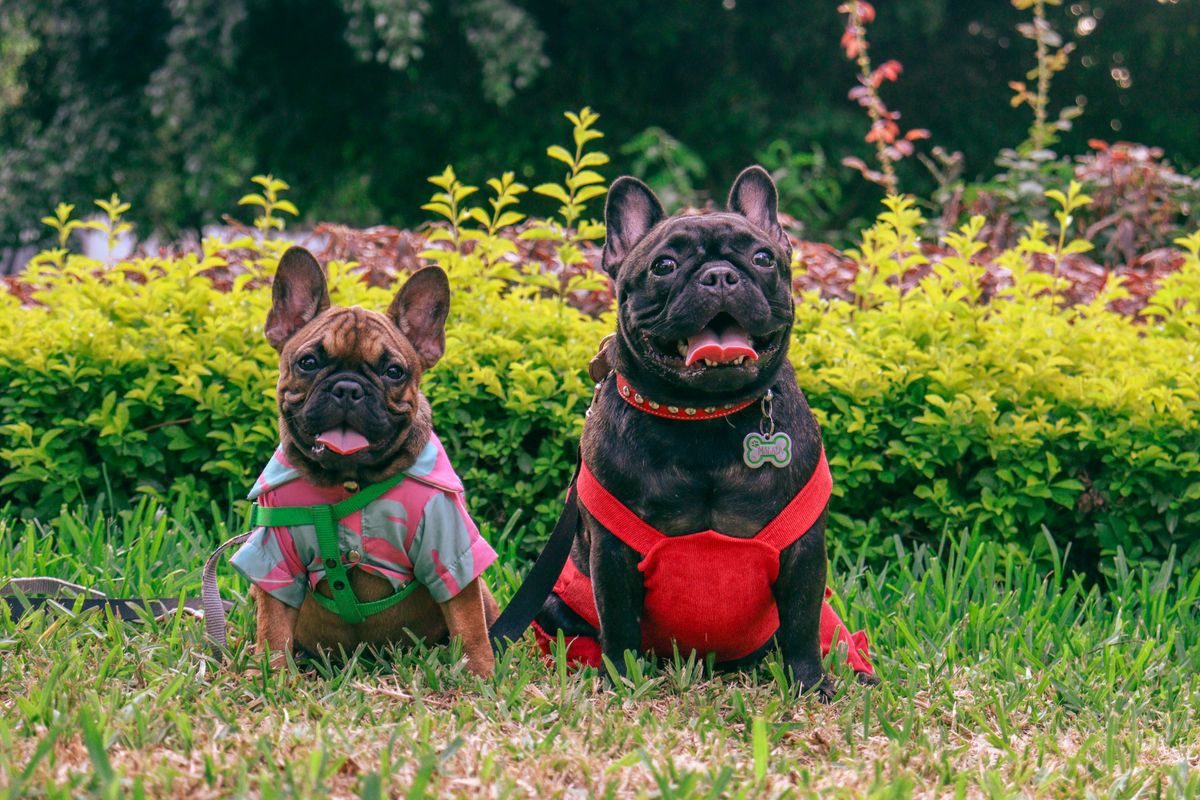
Put both charts side by side and ignore the letters completely. Mark your dog's girth on each, then note what each garment actually measures at the chest in the size you are considering. If one label's large measures 62 cm at the chest and another's medium measures 61 cm, your dog has one coat, not two sizes. The exercise takes less time than reading a single product description and settles arguments that reviews never will.
It also tells you which labels publish serious data. A chart with garment measurements, fabric stretch notes and a measuring guide says the company has met this problem before. Three letters and a weight range say it has not, and your first order there is a coin toss with postage attached.
| Your situation | What to check first | The sensible pick |
|---|---|---|
| Chest girth lands between two sizes | How much give the fabric has | Take the larger size |
| Back length fits but the girth does not | Whether the label offers a separate long or deep-chested cut | Size to the girth and adjust style instead |
| The chart lists weight ranges only | Your dog's actual girth against any garment measurements given | Ask the seller for garment numbers before ordering |
| A thick double coat that compresses badly | The ease allowance the chart builds in | Go up, because fur adds real centimetres |
| A puppy that will grow this season | How much growing is realistic before summer | Buy for the current fit, then re-measure |
Building your own fit record
Once a size works, write it down against that brand the way you would keep a note of tyre sizes for the family car. Dogs' bodies drift with age and season, so re-measure at the start of each buying season instead of assuming last year's letter still holds. Fur cycles, weight changes and a growing pup can each move a dog across a boundary within a few months.
Over a couple of years that record becomes the most useful sizing document you own, a personal lookup table no retailer can sell you. It makes gift purchases safer too, because anyone buying for your dog knows which label runs large and which one does not. Fewer surprises, fewer parcels going back, and a dog whose clothes fit the first time.
Frequently Asked Questions
Should I always size up in dog clothes?
No. Sizing up fixes a tight chest but creates a coat that slides sideways, catches legs and rubs at the armpits. Go up only when your dog sits between two sizes or the fabric has no stretch, and only after checking the garment's own chest and length measurements. A correct fit in the labelled size nearly always beats a guessed one in the size above.
Are weight-based size charts reliable for dog clothes?
They are the weakest signal on a chart. Weight says nothing about where a dog carries it, and a solid, deep-chested dog and a leggy, narrow one can share a scale reading while needing entirely different coats. Use weight only as a rough filter, then confirm with chest girth and back length. If a label publishes nothing but weight, ask for garment measurements before you commit.
How do I measure chest girth without a fight?
Wait for a calm moment, use a soft dressmaker's tape, and wrap it around the widest part of the chest just behind the front legs while the dog stands square. Feed a treat while you work so the tape means something pleasant. If your dog wriggles, take three readings and use the middle one. Two centimetres of sloppiness is enough to push you into the wrong size.
Why does my dog need a different size in harnesses?
Harnesses and coats answer different questions. A harness must sit tight against specific pressure points, so its charts run close to the body and its sizes look smaller. A coat wraps over fur and movement, so its charts build in ease. The same chest measurement can quite honestly demand a small in one and a large in the other, and neither chart is broken.
Is a detailed size chart worth paying more for?
In my experience, yes, though not because a dearer garment is better made. A label that publishes real garment measurements, stretch notes and a measuring guide has already done part of the fitting work for you, which lowers your odds of a return and a wasted fortnight. That reliability is worth a few dollars, especially for items your dog will wear daily through winter.
Looking for pet apparel?
We stock the gear covered in this guide, with Australia-wide shipping and Afterpay at checkout.
Popular in this range: printed dog hoodie · evaporative cooling vest
Shop Apparel at Paws of Oz