Camping With Dogs: The Gear That Earns Its Space in the Car
Short answer: a light or a reflective vest for the evenings, one warm layer, and the bed she already sleeps on. The forty-litre tub I packed for a fifteen-kilo whippet on our first trip came home almost untouched: Olive used the bed, one coat and a bowl I already owned. In short, camping gear earns its space by being what you reach for in the dark, not what photographs well. Booties and backpacks rarely make that cut.
The first time I took Olive camping I packed a forty-litre tub for a fifteen-kilo dog. It had a bed, two coats, a rain shell, three bandanas, a travel bowl that never got used, a collapsible crate, and a pair of sunglasses I bought because they looked funny. We were gone four nights. She used the bed, one coat, and the bowl I already owned. Everything else came home exactly as it went.
I've done a dozen trips since — Lancelin, the Stirling Ranges, a weekend out past Kalgoorlie where it dropped to three degrees overnight. That's why I think about dog camping gear Australia differently to how the catalogues do. The question isn't what exists; it's what you'll reach for in the dark with a dog who wants dinner.
A light or a vest for the evenings, and this is non-negotiable
Campsites are dark in a way suburbs aren't. There's no streetlight, no footpath reflection, and every other camper has a fire going. Dogs are low to the ground, usually dark-coloured, and completely invisible until they're in your headlight beam or someone else's. I watched a friend lose her kelpie for twenty minutes at a site near Dwellingup because the dog was black, the ground was black, and she had no torch on her.
I use both and I'd argue for both. A small LED tag on the collar means you can find a dog standing still in scrub at fifty metres. A reflective vest or harness band means other people's headlights and car headlights pick her up. On a dark winter afternoon back home I put the same vest on for suburban walks, which is the boring reality of a Perth June: it's dark at half five, and a grey whippet on a grey path is a genuine hazard. A reflective dog vest for night walks isn't camping kit specifically. It's kit you already own and throw in the bag.
What I don't love is the cheap elasticated vests from discount chains. They twist, they ride up under the armpits, and the reflective strip ends up along the spine where nobody's headlight is pointing. Look for panels down the sides as well as the back.
One warm layer, and know when you'll need it
People overestimate how cold a dog gets on the coast and badly underestimate inland. Out past Kalgoorlie, at three degrees with a wind across open plain, Olive shivered for an hour before I gave in and put her fleece on, then slept straight through. That's the argument for carrying a layer when the forecast looks mild: the cold arrives at two in the morning when you can't buy one.
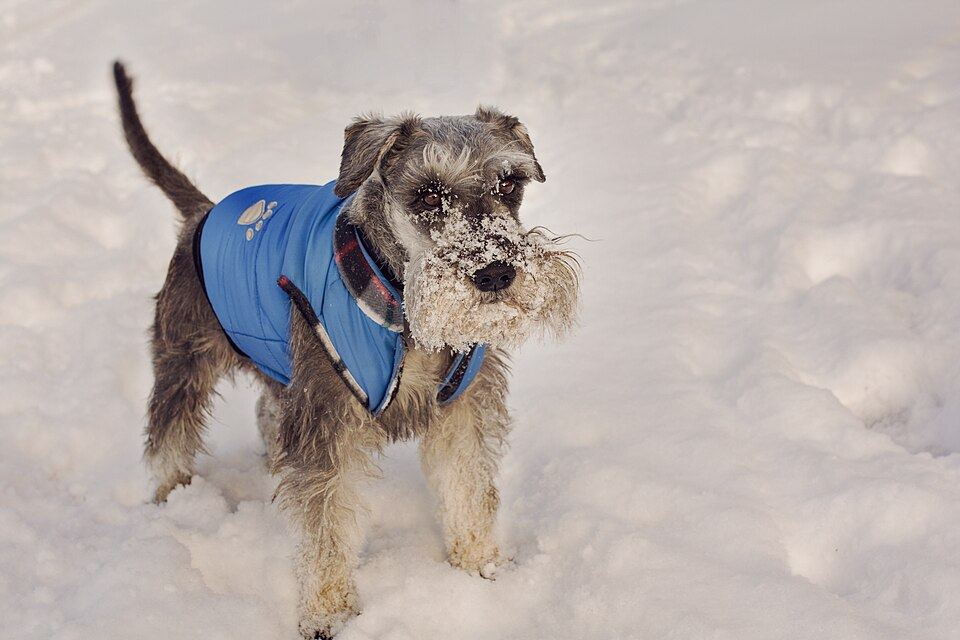
A fleece that packs down small is the right call. It doesn't need to be waterproof, because if it's raining hard enough to soak a coat, your dog should be in the tent with you. Olive's is a simple sleeveless fleece with a chest panel and it goes in the same bag as my thermals.
On a southern trip — Victoria, Tasmania, the Alps — you'll want more in it. The same logic applies to dog clothes for winter Melbourne as to a cold desert night: the cold that catches people out is the wet cold in the evening, when the dog is standing around doing nothing.
Summer travel is a different problem
I camp between April and October for obvious reasons, but summer trips mean the cooling vest and a firm rule about walking before eight and after six. Evaporative cooling works beautifully in dry inland heat and poorly on the humid coast, so know which you're driving into. Re-wet the vest at every stop and carry water for it separately from water for the dog.
Tether, stake, first aid, ticks
A stake and a cable tether earns its space immediately. Campsites are shared spaces, other dogs arrive without warning, and "my dog is friendly" is not a plan. Get a stake that screws into the ground rather than a straight pin, and never tether a dog where the lead can wrap around a tree or a table leg.
First aid kit: I keep a compact human one and add saline for flushing eyes and paws, conforming bandage, tweezers, antiseptic wipes and my vet's number, because reception out there is genuinely awful. Everything in it should be something you could use at midnight in bad light.
Paralysis ticks are the eastern states problem that WA people forget exists. If you're crossing into tick country along the east coast, do a full hands-over-body check every single evening — under the collar, inside the ears, between the toes, around the lips — and start the conversation with your vet about prevention before you leave, not after you find one. Best dog outdoor gear Australia conversations skip this because it isn't sellable, but it's the thing most likely to matter.
Booties and backpacks: the honest bit
I carry booties and I use them maybe once in five trips. They're for genuinely rough ground — sharp granite, spinifex, hot sand at midday, or a dog with a sore paw you need to keep clean. They are not for general wear, most dogs walk oddly in them for the first fifty metres, and a poorly fitted bootie that comes off at speed is worse than no bootie. If you want them, teach the dog to wear them at home on carpet first.
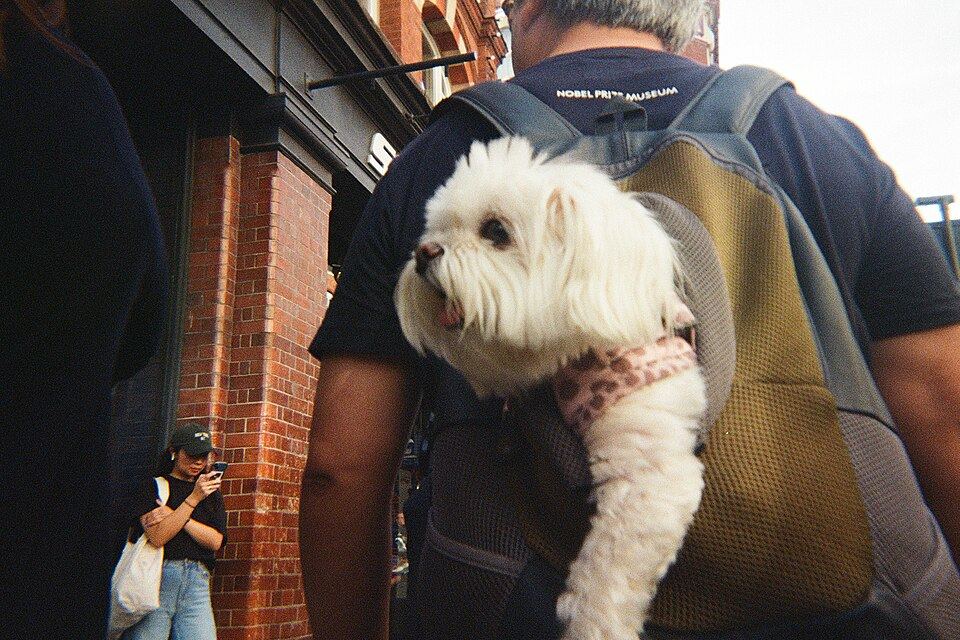
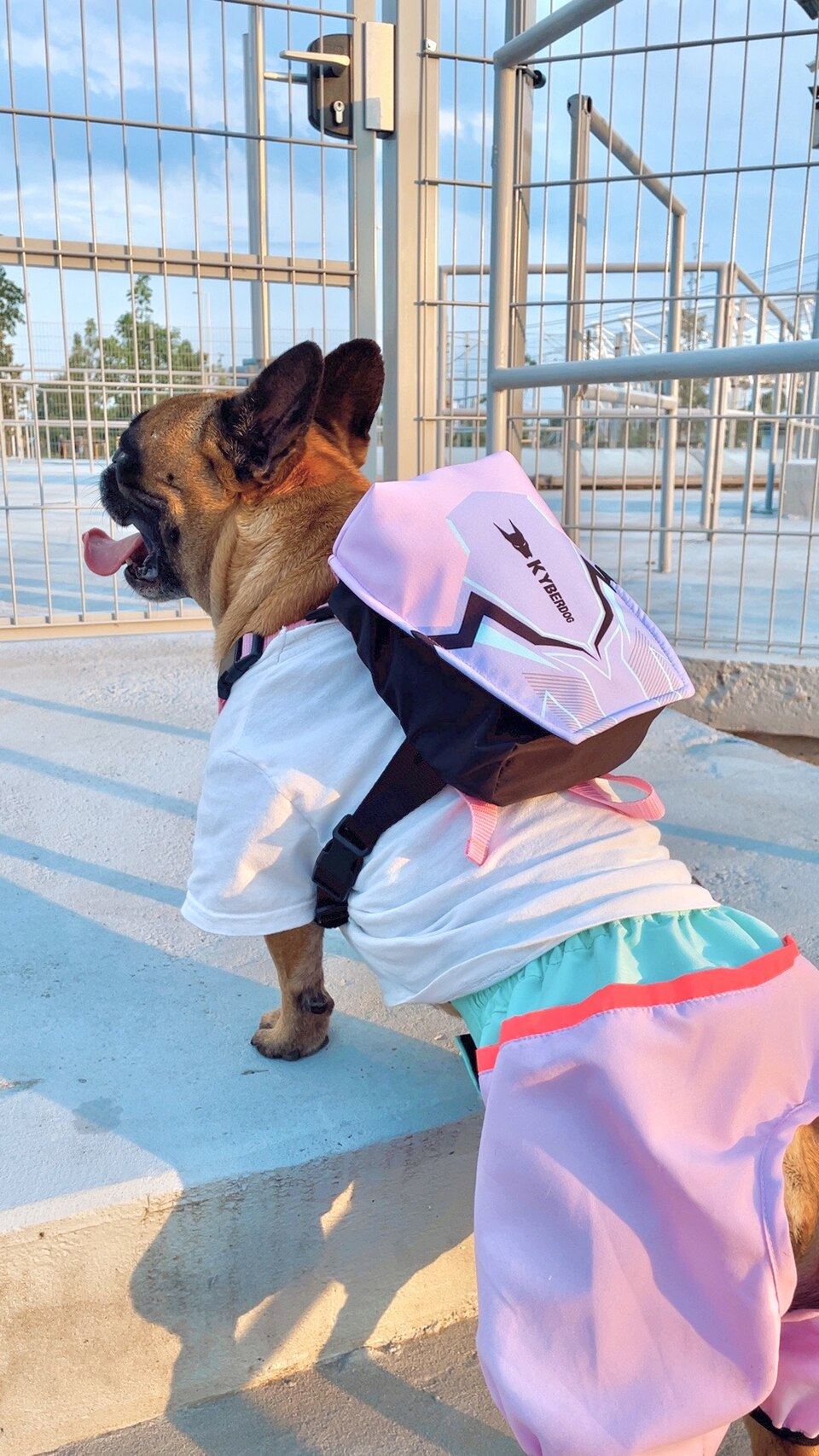
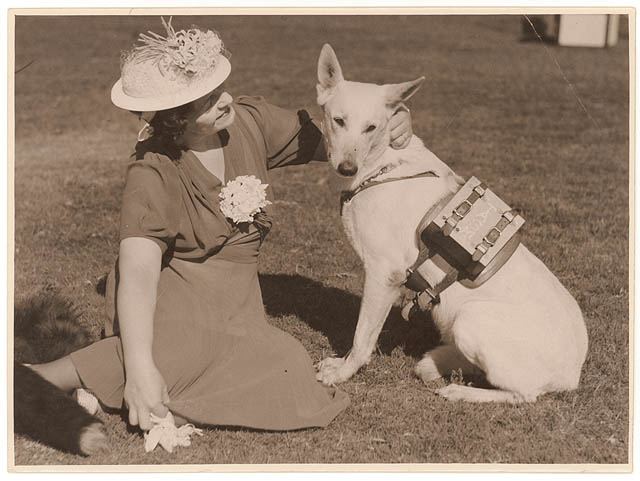
A dog backpack for hiking Australia gets oversold. A fit dog can carry roughly ten per cent of their body weight, but only on soft ground, with a balanced pack, after a build-up. I've fitted far more badly loaded packs than useful ones, most of them carrying the owner's water bottles and rubbing the loins. Carry their food and water yourself.
What actually settles a dog at a campsite
Not a gadget. Their own bed, unwashed, from home. First night in a new place is when dogs pace, whine, and refuse to settle, and the thing that fixes it is smell and familiarity — the blanket they sleep on in the lounge room, still smelling of the lounge room. I stopped washing Olive's travel bed after the second trip and it made an obvious difference. A new bed bought for the trip does less than the old one dragged in.
Everything else — the bandanas, the matching bowl sets, the novelty items — is for you, and that's fine. I own two Olive-themed stubby holders. Just don't confuse it with gear that earns its space, because the tub has a limited volume and the car has a limited tolerance.
The list that survives every trip now: collar light, reflective vest, one fleece, stake and tether, a first aid kit I've actually opened before, and her stinky old bed. That's it, and that's after years of overpacking. Camping with a dog is mostly about being where you are with them, not about what you brought. — Maddie, Perth, currently trying to get campfire smell out of a whippet coat for the third time.
- Their own unwashed bed from home does the most work.
- Smell and familiarity settle a dog on night one.
- A new bed bought for the trip does less good.
- The rest is for you, not gear that earns its space.
Frequently Asked Questions
What dog camping gear is actually essential?
A collar light and reflective vest for dark campsites, one packable warm layer, a screw-in stake with a cable tether, a compact first aid kit, and your dog's own unwashed bed from home. Almost everything else is optional and most of it stays in the tub.
Do I need a reflective vest if my dog already has a collar light?
They do different jobs. A light helps you find your own dog in scrub. Reflective panels make your dog visible to other people's headlights and vehicle headlights. On shared campsites and dark suburban streets you want both.
Should my dog carry a backpack on a hike?
Usually no. A fit dog can carry around ten per cent of body weight, but only with a balanced, well-fitted pack on soft ground and after a build-up period. For a weekend trip it is simpler and safer to carry their food and water yourself.
Are dog booties worth packing?
Only for specific conditions: sharp rock, spinifex, hot sand, or protecting an injured paw. Many dogs walk oddly in them at first and a loose bootie is worse than none. Practise indoors on carpet before a trip so the dog accepts them.
How do I check my dog for ticks after a trip?
Run your hands slowly over the entire body every evening in tick areas, paying attention to the collar line, inside the ears, between the toes, the armpits and the lips. Speak to your vet about tick prevention before travelling to the eastern states.
Size & Fit Reference
| Size | Back length | Chest girth | Neck | Weight guide | Typical breeds |
|---|---|---|---|---|---|
| XS | 25–30 cm | 32–38 cm | 22–26 cm | 1.5–3 kg | Chihuahua, kitten, small cat |
| S | 30–36 cm | 38–46 cm | 26–30 cm | 3–5 kg | Cavoodle, Pug, average cat |
| M | 36–42 cm | 46–54 cm | 30–35 cm | 5–9 kg | Cocker Spaniel, small Terrier |
| L | 42–50 cm | 54–64 cm | 35–41 cm | 9–16 kg | Kelpie, Border Collie |
| XL | 50–58 cm | 64–74 cm | 41–47 cm | 16–24 kg | Labrador, Greyhound |
| XXL | 58–66 cm | 74–86 cm | 47–53 cm | 24–34 kg | Great Dane, Mastiff |
Between two sizes? Size up. A garment that is slightly roomy can be adjusted; one that is too tight will not sit flat and will not work.
Looking for pet apparel?
We stock the gear covered in this guide, with Australia-wide shipping and Afterpay at checkout.
Popular in this range: fleece dog jumper · printed dog hoodie
Shop Apparel at Paws of Oz