Do Dogs Get Cold in Australian Winters? An Honest Answer
Short answer: sometimes, and less often than the internet suggests. A thick-coated Labrador in Brisbane is fine; Olive, fifteen kilos of lean whippet with a coat you could read a newspaper through, folds herself into a ball on the bathroom tiles on a July morning in Perth. Here's the part owners miss: a heated house resets the whole question, because a dog living at twenty-two degrees feels the cold snap outside far more sharply.
Sometimes. Often less than the internet would have you believe, and occasionally more than owners expect. That's the honest answer, and it's the one I give people standing in my ute in a Perth carpark in July, holding a jacket and asking whether their dog really needs it.
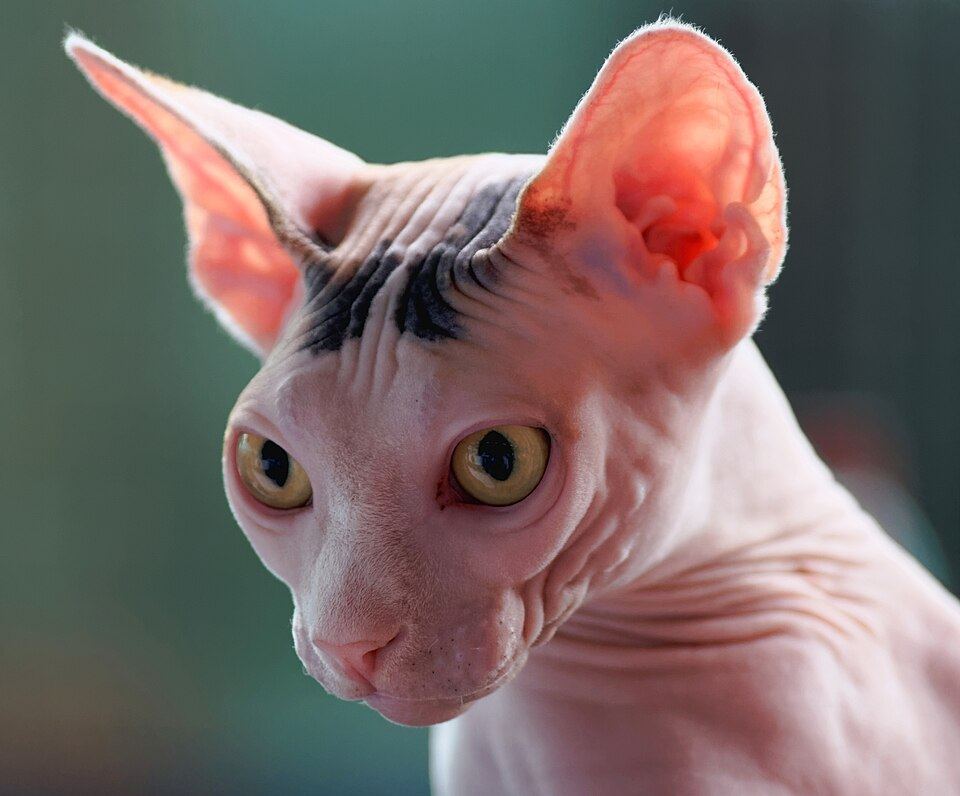
I'm Maddie. I groom dogs and fit pet clothing for a living, mostly out of a converted ute around Perth. At home there's Olive, a whippet with fifteen kilos of lean muscle and a coat you could read a newspaper through, and Noodle, a hairless cat who has opinions about clothing and none of them are positive. Watching Olive try to fold herself into a ball on the bathroom tiles one July morning is how I learned the difference between a dog who is cold and a dog who is being dramatic.
Australia is not one climate
The first mistake people make is treating the country as though it has a single winter. It doesn't. Perth in July gives you crisp mornings around seven or eight degrees and mild, often sunny afternoons in the high teens. Melbourne gives you four seasons before lunch, grey skies and a wind that comes up under your jumper. Hobart and the Central Highlands get frost that sits on the grass until ten in the morning, Canberra drops below zero overnight more often than people realise, and the Blue Mountains and the snowfields are genuinely cold in a way that has little to do with the rest of the country.
I've fitted coats for people in Katoomba dressing a border collie for conditions I'd never see on the Swan Coastal Plain, and I've talked people out of buying anything at all in Broome. Where you live sets the baseline; the individual dog sets everything else.
The dogs who genuinely feel it
Short-coated and lean breeds come first: whippets, greyhounds, Italian greyhounds, basenjis, boxers, staffies with that sleek single layer. They have almost no insulating undercoat and often very little body fat. Olive falls squarely here, and so do most of my grooming clients' dogs after a short summer clip.
Small dogs lose heat faster than large ones because of surface area relative to body mass — a chihuahua on a cold floor is having a very different experience from a mastiff in the same room. Puppies and seniors both regulate temperature less efficiently, and a dog who is unwell or recovering from surgery can feel the cold when they never did before.
Then there are the dogs bred for warm climates, including the hairless and near-hairless breeds. Noodle runs warm to the touch but loses it fast; the moment the heater clicks off she's under a blanket or on my lap, and she has never once thanked me for the jumper I bought her.
The dogs who honestly don't
Huskies, malamutes, samoyeds and anything else with a proper double coat are dressed for conditions far worse than an Australian winter. Putting a thick insulated coat on a husky in Melbourne is like wearing a puffer jacket to sit in a heated car. They'll tolerate it, they'll look charming in photos, and they will be far too warm. Kelpies, border collies and most working breeds with weather-resistant coats manage wet and windy fine unless they're clipped short, elderly or standing around rather than working.
And here's the part that loses me sales: most dogs, in most of suburban Australia, in most homes, are fine. If your Labrador sleeps inside a heated house and goes for a twenty-minute walk at lunchtime, they are not cold. I would rather say that plainly than sell you something you'll use twice.
Indoor heating changes the whole question
Australian homes are heated unevenly and often not very well. Older Perth and Melbourne houses with tile floors and single glazing can be cold at floor level even when the air feels fine at head height, and that's where a dog lives.
This is the honest middle ground: outside and moving, most healthy dogs regulate well. Inside and asleep, on a cold surface, for hours, with the heating off overnight — that's where I see the shivering, the curling, the dog who gets up stiff in the morning. That's also the situation where an extra layer helps most, and where owners are most surprised.
Reading a cold dog
Dogs rarely make a speech about it. Shivering is the obvious sign, but by the time a dog is shivering they've been uncomfortable for a while. Before that you'll see a hunched back, a tail tucked under, paws lifted off cold ground one at a time, reluctance to keep walking, a dog who turns back toward the car or the front door, and a dog who seeks out heat — the patch of sun on the floor, the heater, your lap, the warm spot on the couch you were about to sit in.
Cold ears and paw pads are a rough guide at best, since they're usually cool anyway. I trust behaviour: a dog who wants to keep moving is fine; one who stops, lifts a paw and looks at you is not.
- Shivering means a dog has been uncomfortable for a while.
- A hunched back and tucked tail show a dog is cold.
- Lifting paws off cold ground is a quiet sign of chill.
- Turning back to the car or door says they have had enough.
- Seeking the sun, heater or your lap shows they feel cold.
What I actually recommend
Start by watching, not shopping. Note how your dog behaves on the coldest morning you get, in your house, on your walk. If they're comfortable, do nothing. If they're not, the fix is often a blanket under the bed, or a bed moved away from the door, long before it's a garment.
If it is a garment, fit is the whole game. Measure the back from the base of the neck to the base of the tail and the chest at its widest point, check the brand's chart rather than guessing from weight, and size up when you're between two sizes. A coat that's too tight flattens the very layer it's meant to work with and restricts the shoulder. I've refitted a lot of Kmart and Petbarn purchases that were bought by weight and never sat right, and that's not a knock on either shop — it's just what happens when you guess.
For a genuinely cold climate — Hobart, the highlands, the snowfields, a Melbourne frost — an insulated outer layer for a short-coated dog is a reasonable buy and it will get used for months. For a mild coastal winter, a light jumper for a small or elderly dog covers most of the need. Whatever you buy, take it off inside once the heater's been on for an hour. A dog in a coat in a warm living room is just a warm dog in a coat.
Olive wears a coat on maybe forty mornings a year and spends the rest of winter under a blanket she's dragged into the sun. Noodle wears nothing, ever, and considers this a matter of principle. Watch your own dog before you believe anyone's list — including mine. — Maddie, Perth, writing this with a whippet asleep on my feet.
Frequently Asked Questions
Do dogs get cold at night in Australia?
Some do. Overnight temperatures drop below five degrees in a lot of inland and southern areas, and unheated homes with tile or concrete floors hold that cold at dog level. Young, old, small and short-coated dogs are the ones who notice. A dog who sleeps curled tightly and gets up stiff is telling you; one who sprawls out is fine.
Which dogs need a coat in an Australian winter?
Short-coated and lean breeds such as whippets and greyhounds, small breeds, puppies, seniors, and dogs who are unwell or recently clipped. Dogs with thick double coats like huskies and malamutes rarely need one, and most healthy medium and large dogs in suburban Australia are comfortable without.
How can I tell if my dog is cold?
Watch behaviour rather than ears or paws. Shivering, a hunched back, a tucked tail, lifting paws off the ground, slowing down on walks, turning back toward home and seeking out heat sources are all signs. A dog who is still keen to keep moving is generally coping fine.
Is it cruel not to put a coat on my dog in winter?
No. Plenty of dogs are entirely comfortable in winter without clothing, and an unnecessary coat can leave a thick-coated dog too warm. A coat helps keep a dog comfortable when they are shivering or seeking heat; if your dog is neither, a blanket or a moved bed is usually the better answer.
What size coat should I buy?
Measure the back from the base of the neck to the base of the tail and the chest at its widest point, then match those numbers to the brand's own chart rather than buying by weight alone. If your dog falls between two sizes, choose the larger one and adjust the straps.
Size & Fit Reference
| Size | Back length | Chest girth | Neck | Weight guide | Typical breeds |
|---|---|---|---|---|---|
| XS | 25–30 cm | 32–38 cm | 22–26 cm | 1.5–3 kg | Chihuahua, kitten, small cat |
| S | 30–36 cm | 38–46 cm | 26–30 cm | 3–5 kg | Cavoodle, Pug, average cat |
| M | 36–42 cm | 46–54 cm | 30–35 cm | 5–9 kg | Cocker Spaniel, small Terrier |
| L | 42–50 cm | 54–64 cm | 35–41 cm | 9–16 kg | Kelpie, Border Collie |
| XL | 50–58 cm | 64–74 cm | 41–47 cm | 16–24 kg | Labrador, Greyhound |
| XXL | 58–66 cm | 74–86 cm | 47–53 cm | 24–34 kg | Great Dane, Mastiff |
Between two sizes? Size up. A garment that is slightly roomy can be adjusted; one that is too tight will not sit flat and will not work.
Looking for pet apparel?
We stock the gear covered in this guide, with Australia-wide shipping and Afterpay at checkout.
Popular in this range: evaporative cooling vest · printed dog hoodie
Shop Apparel at Paws of Oz