Dressing a Greyhound: Why Nothing Fits and What to Look For
Short answer: nothing fits because the standard sizing block describes a Labrador, and a greyhound is a different animal entirely — deep chest, narrow waist, long back, no fat and no insulation. Sonny's owner brought me three coats in the order she bought them, and all three had the same fault. The truth is you are shopping for a chest-to-waist ratio rather than a size letter, which is why the breed-specific cuts exist.
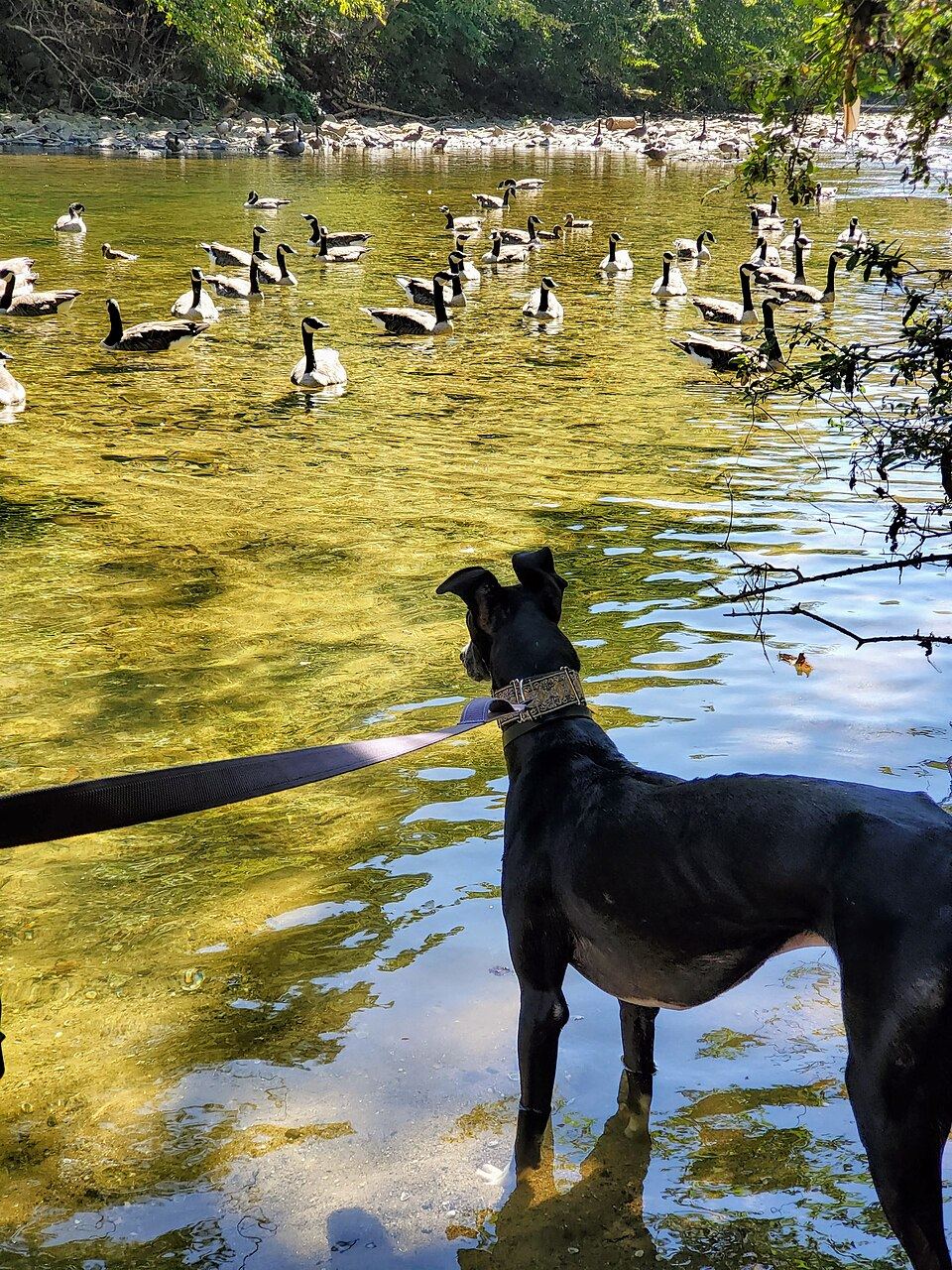
The first retired racer I ever fitted was a black greyhound called Sonny, adopted through a Greyhound Adoption Program in Victoria and brought to me by an owner who had already bought three coats. She laid them out on my table in the order she'd bought them, cheapest first, and I could see the problem before I touched any of them. All three were cut for a Labrador. Different animal entirely.
Greyhounds are the most common fitting problem that walks up to my ute, and it isn't because the industry is lazy. It's because the breed is genuinely difficult, and because the standard sizing block most manufacturers work from describes a dog with a completely different silhouette. Once you understand the shape, the shopping gets much easier.
The shape problem, in four parts
A greyhound chest is deep and narrow rather than broad and round. Measured around, it can be smaller than you'd expect for a thirty-kilo dog, but measured from the spine down to the sternum it goes a very long way. That depth is the part standard patterns don't allow for, and it's why a coat that seems to fit around the ribs rides up toward the throat as soon as the dog moves.
The back is long. A greyhound standing next to a dog of the same weight will be noticeably longer from the base of the neck to the base of the tail, and the topline dips and then rises again over the loin in a way that a straight panel will not follow.
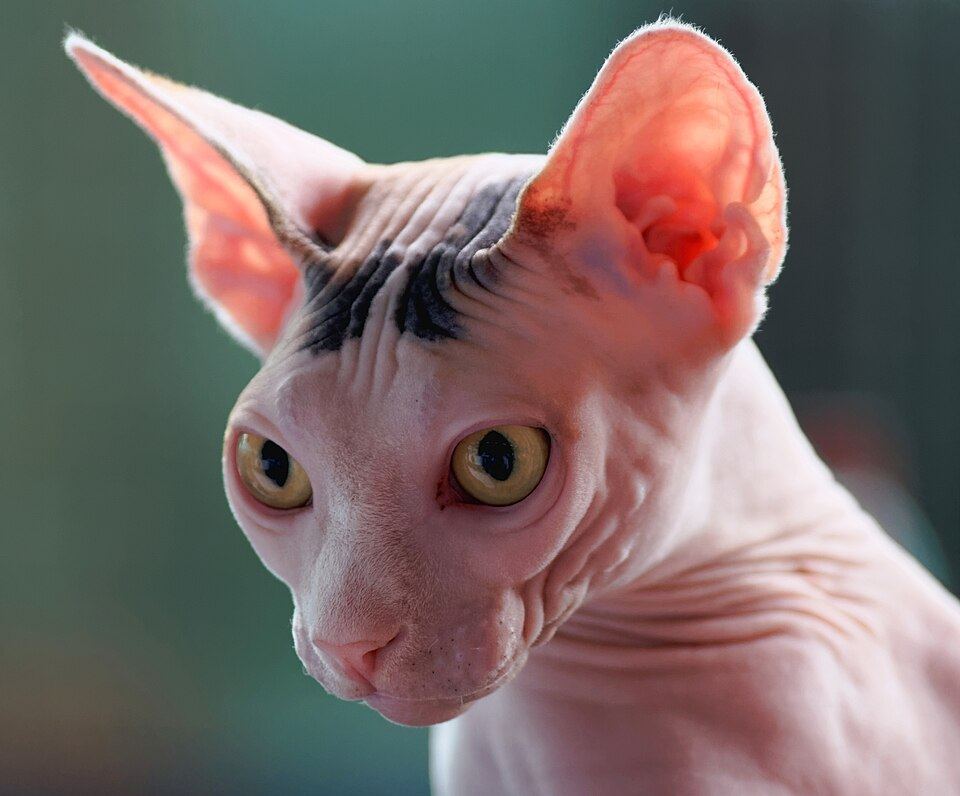
Then there is almost no body fat and very little coat. Run your hand along a greyhound's flank and you can feel every rib and the outline of the hip bones through the skin. That thin covering means pressure points that a stockier dog would never notice become rubs within an hour. The skin itself tears more easily than most breeds, and it heals slowly.
And the neck is long and slender, tapering from a narrow head down to shoulders that are narrower than you'd think. Collars slide off. Collars also chafe. This is the breed that invented the martingale.
Why they feel the cold
Olive is a whippet, which is the same animal scaled down, and I can tell you exactly how this plays out. In a Melbourne winter, a greyhound with no body fat and a coat the thickness of felt has very little between the weather and the muscle. They shiver, they tuck, they stand on one leg at a time on cold tiles, and they seek out the heater with a single-mindedness I find quite relatable in July.
A coat helps here in the plainest possible way: it holds a layer of still air against the body, which is what any jumper does for you. Nothing more clever than that. I am not going to tell you it treats anything — it keeps a thin, short-coated animal more comfortable, which is different, and it's enough.
And why summer is its own problem
Perth summers give greyhounds the opposite trouble. Pale pink skin on a white chest or a light-coloured muzzle, with almost no hair over it, and a dog who loves to lie in the sun. Owners notice pinkness on the flanks and the bridge of the nose after a long morning outside.
A light-coloured, breathable layer is a physical barrier between that skin and direct sun, in the same way a toddler's rash vest is. I'm careful about how I put this: I won't quote you a protection factor, because unless a garment carries a tested rating on the label, nobody can honestly tell you what number it blocks. What I can tell you is that covering pale skin is easier than treating sunburn, and that shade and timing matter more than any garment.
In hot weather the layer has to be genuinely light. A winter-weight fleece on a greyhound in February is worse than nothing. If the fabric feels warm in your hand against your own inner wrist, it is too much for a Perth afternoon, and it needs to come off the moment the dog is indoors.
The four things I check before I'll sell one
A long back panel that reaches the base of the tail without pulling. If the garment stops short over the loin, it will hike up and end up bunched behind the shoulders, and you'll spend the whole walk tugging at it.
A high collar that comes up over the throat rather than sitting flat on the neck. This is what stops a greyhound coat from sliding backwards off the shoulders, which is the single most common failure I see with the breed. Roll necks and snoods do the job well.
A deep chest gusset, or a chest piece cut with enough length to wrap down between the front legs and under the brisket. Without it the coat pulls up into the throat on every stride. With it, the garment sits down where it belongs and stays there.
Soft seams, ideally flat or covered, and nothing with elastic at the leg openings. On skin this thin, a raised seam is a rub waiting to happen, and greyhound skin does not forgive it quickly.
- A long back panel must reach the tail without pulling.
- A high collar stops the coat sliding off the shoulders.
- A deep chest gusset keeps the coat down where it belongs.
- Soft, flat seams beat elastic at the leg openings.
- Whippets are the same fit problem, just smaller.
Whippets, and everyone else with no coat
Everything above applies to whippets, Italian greyhounds, lurchers and deerhounds. Olive's measurements are essentially a greyhound's scaled to fifteen kilos, and she has exactly the same silhouette, the same thin skin and the same habit of standing sideways to the heater. If you own any short-coated sighthound, shop for the shape rather than the breed name on the label, and measure rather than guessing from weight.
It also applies in part to other short haired dogs: boxers, vizslas, staffies, dalmatians. They lack the extreme proportions, so off-the-shelf clothing works better on them, but the reasoning about thin coverage and cold mornings is the same.
Sonny went home in a coat with a roll neck and a deep chest wrap, in a size his owner never would have picked off a chart, and she sent me a photo of him asleep in it twenty minutes later. That's the tell with this breed. A greyhound who settles in a coat is a comfortable greyhound; one who keeps shrugging and shaking is telling you the cut is wrong. — Maddie, Perth, where Olive is currently wearing a jumper indoors in defiance of all logic.
Frequently Asked Questions
Why is it so hard to find clothes for greyhounds in Australia?
Most pet clothing is drafted on a block that suits broader, stockier dogs. Greyhounds have a deep narrow chest, a long back with a dip over the loin, a slim tapering neck and almost no body fat, so standard patterns slide back off the shoulders or ride up into the throat. Look for patterns cut for sighthounds rather than sizing up a labrador coat.
Does a greyhound need a coat in an Australian winter?
In cooler southern states, most do. Greyhounds carry very little body fat and have a coat only a few millimetres thick, so they lose warmth quickly in cold, damp conditions. A coat holds a layer of still air against the body and keeps a thin short haired dog more comfortable. In the north, a light layer is usually enough.
What should I look for in a greyhound coat?
Four things: a long back panel that reaches the base of the tail, a high collar or roll neck that covers the throat, a deep chest gusset that wraps down between the front legs, and soft flat seams with no elastic at the leg openings. That combination keeps the coat in place and prevents rubs on thin skin.
Do whippets need the same kind of jumper?
Yes. Whippets share the greyhound silhouette at a smaller scale, with the same thin skin and low body fat, so they are cold in winter and prone to sun on pale patches in summer. Shop for the sighthound shape rather than the breed label, and measure back length, chest girth and neck rather than buying on weight.
Can a greyhound wear a coat in summer?
Yes, but only a very light, breathable one, and only as a physical barrier over pale skin in direct sun rather than for warmth. I would not quote a protection factor for a garment that does not carry a tested rating. Shade, timing and water are what keep a dog cool. Take the layer off as soon as the dog is indoors.
Size & Fit Reference
| Size | Back length | Chest girth | Neck | Weight guide | Typical breeds |
|---|---|---|---|---|---|
| XS | 25–30 cm | 32–38 cm | 22–26 cm | 1.5–3 kg | Chihuahua, kitten, small cat |
| S | 30–36 cm | 38–46 cm | 26–30 cm | 3–5 kg | Cavoodle, Pug, average cat |
| M | 36–42 cm | 46–54 cm | 30–35 cm | 5–9 kg | Cocker Spaniel, small Terrier |
| L | 42–50 cm | 54–64 cm | 35–41 cm | 9–16 kg | Kelpie, Border Collie |
| XL | 50–58 cm | 64–74 cm | 41–47 cm | 16–24 kg | Labrador, Greyhound |
| XXL | 58–66 cm | 74–86 cm | 47–53 cm | 24–34 kg | Great Dane, Mastiff |
Between two sizes? Size up. A garment that is slightly roomy can be adjusted; one that is too tight will not sit flat and will not work.
Looking for pet apparel?
We stock the gear covered in this guide, with Australia-wide shipping and Afterpay at checkout.
Popular in this range: evaporative cooling vest · printed dog hoodie
Shop Apparel at Paws of Oz