Hairless Cats and Why Noodle Owns More Jumpers Than I Do
Short answer: a hairless cat has real reasons to wear something and an absolute veto over whether he does. Eleven jumpers, two ever worn, and one of those only for a photograph he ended by lying down flat: that ratio is the whole subject. You'll want soft seams, no elastic near the neck, and a cat-shaped cut rather than a small dog's, because Noodle's chest and shoulders sit nothing like a terrier's.
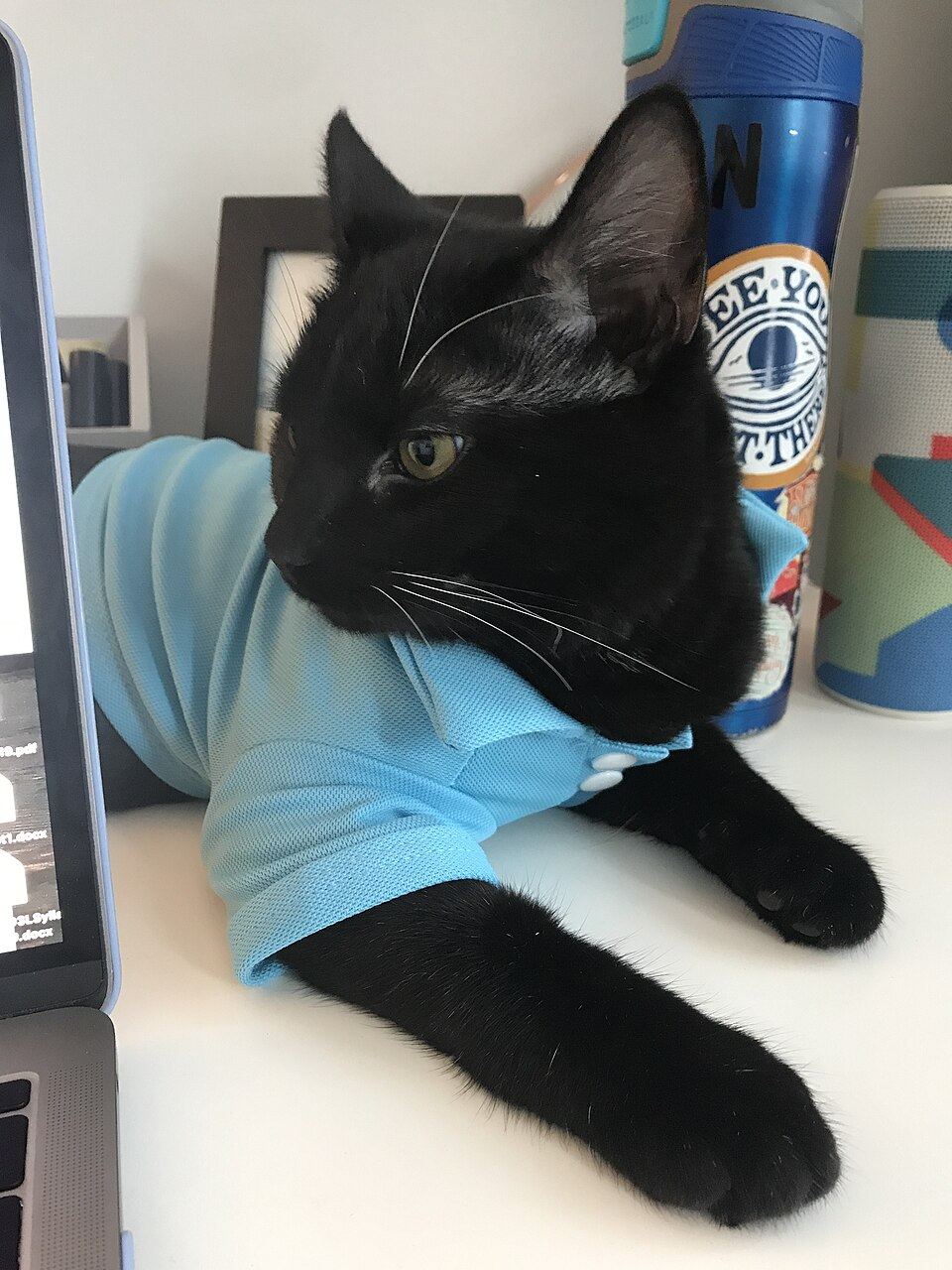
Noodle has eleven jumpers. I am not proud of this. I am a professional pet fitter and I still bought the eleventh one because it was on sale and it had a little hood. He has worn two of them. One was for a photograph, and he lay down the instant the camera came out, in the way a cat does when he has decided the transaction is over.
And yet Noodle is the animal in this house who genuinely needs clothing. That contradiction is the whole subject. Hairless cats have real reasons to wear something, and they also hold an absolute veto over the entire project.
Why a hairless cat is different
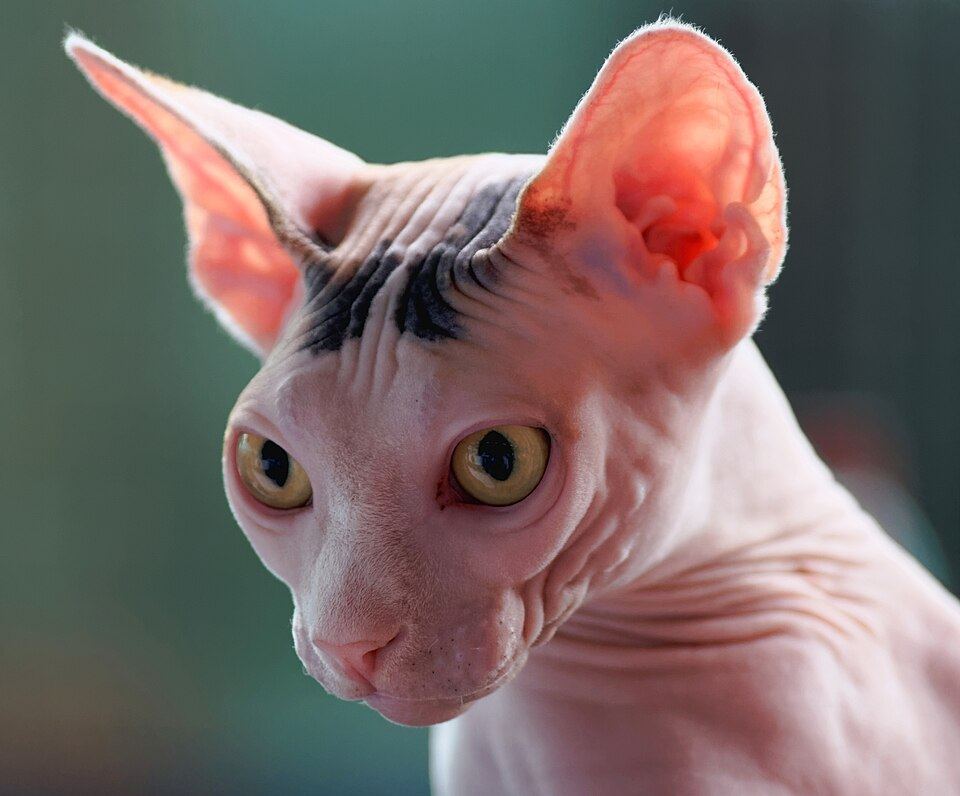
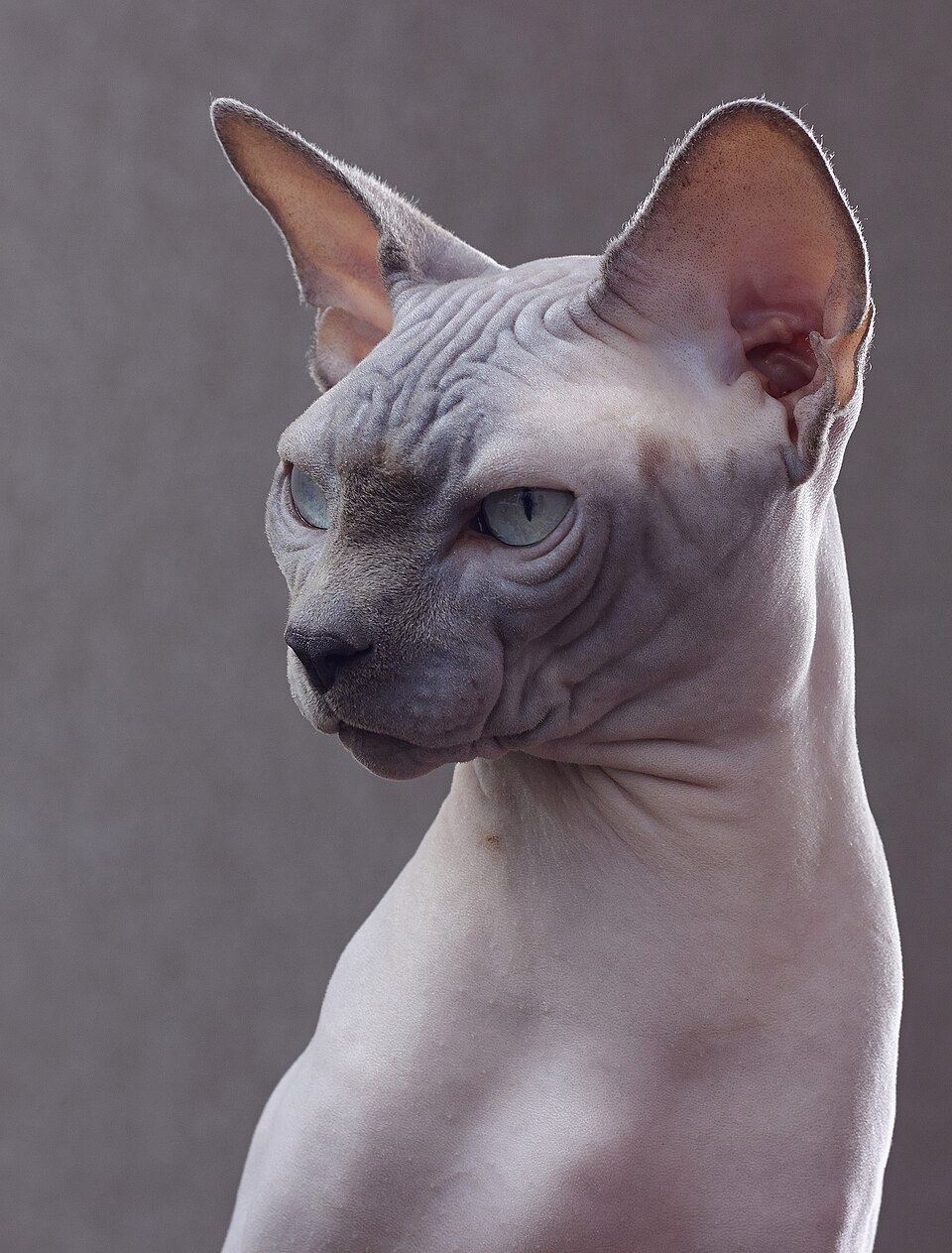
Fur is insulation, and it works in both directions. A cat without it loses warmth to cool air very quickly and absorbs heat from warm air just as fast. Noodle's preferred position in our house is either pressed flat against my chest or stretched out on the warm bonnet of the ute after I've parked it, and he moves between those two positions with real intent. That's an animal managing his own temperature with whatever the room offers him.
Clothing helps hold a layer of still air next to the skin, which is what supports temperature regulation in the same way it does for a greyhound or a whippet. It is not medical equipment and I'd be wary of anyone who talks about it as if it were. It makes a thin-skinned, uncovered animal more comfortable in a cool room.
Then there's the sun. Uncovered pink skin on a cat who likes a sunny windowsill is a genuine concern in Australia. A light layer is a physical barrier, exactly as a child's sun shirt is. I won't quote a protection factor, because unless a garment carries a tested rating on its label, no honest person can tell you what number it blocks. Shade and closed curtains on a February afternoon do more than any jumper.
And there's the ordinary business of skin. Bare skin picks up the grease and grit that fur would catch, and it scratches more easily on a cat who climbs. Noodle has a line of small scuffs along his flank from a passionfruit vine he insists on forcing his way through.
Cat bodies are not small dog bodies
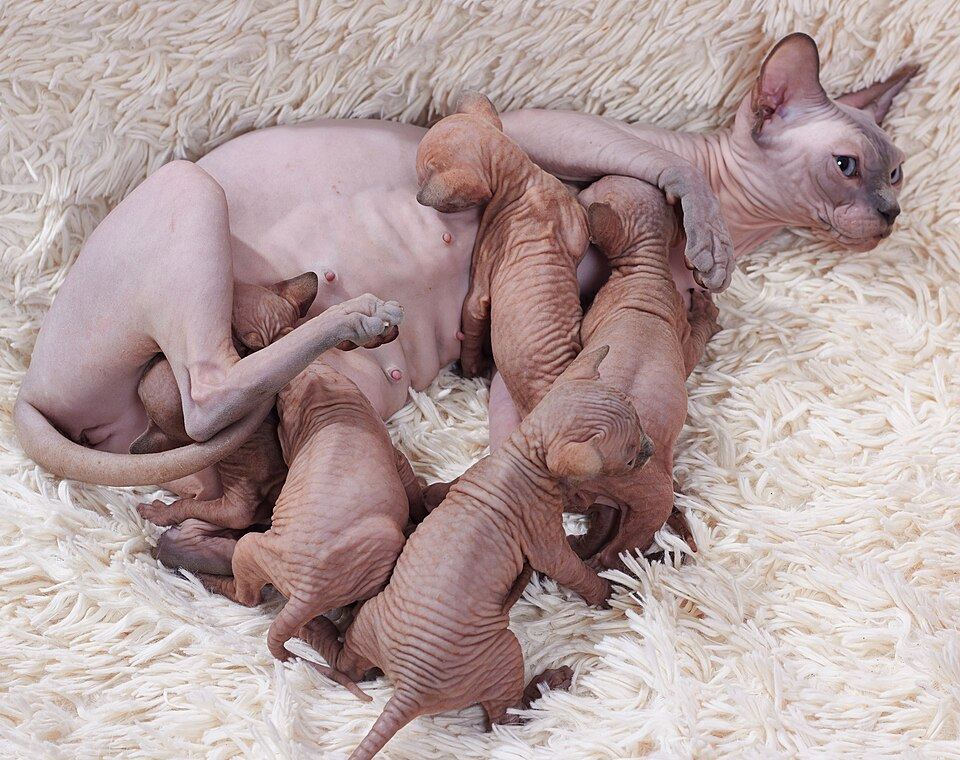
This is where most people go wrong, and it's why so much cat clothing ends up in a drawer. A dog has a barrel chest and a defined waist and a set of shoulders that hold a garment up. A cat has a narrower, more flexible ribcage, a floating collarbone, shoulders that rotate a long way, and a spine that bends further than you'd believe. Anything that relies on staying put by tension will be somewhere else within a minute.
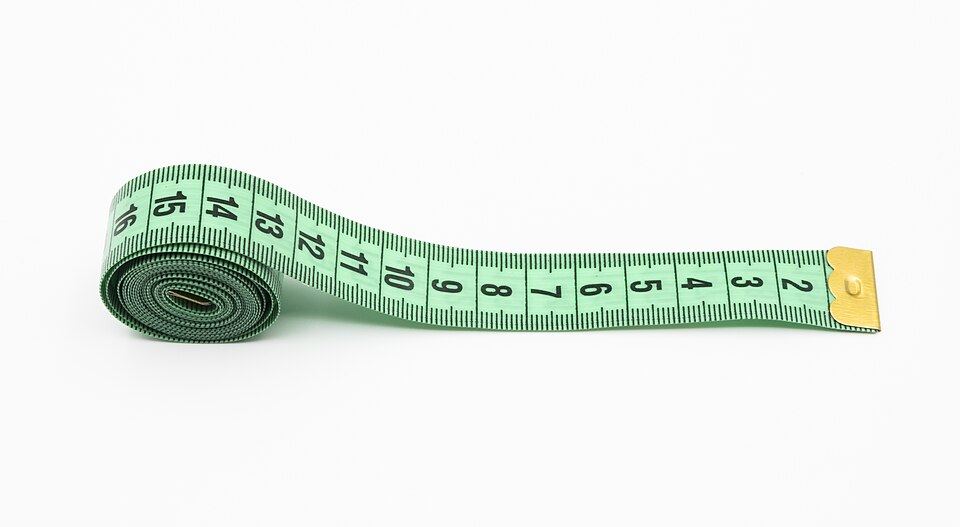
So the measurements are different. You still want length from the base of the neck to the base of the tail and girth around the widest part of the chest, but you also need the neck itself, because a cat's neck is often close to the width of its head and that's the number that decides whether a jumper goes on at all. A garment that fits a four-kilo cat around the chest may still be impossible to get over the ears.
How to introduce clothing to a cat
Slowly, and I mean weeks. This is the part people skip and it is the entire reason so many cats end up permanently opposed.
Start by leaving the garment on the floor next to where the cat sleeps, for two or three days, doing nothing. Then put it next to their food bowl. Then drape it over them for two seconds while they eat, and take it off before they finish. You are building a boring association, not winning a wrestling match.
From there, one leg in, treat, done. Next session, two legs. Then the full garment for ten seconds with a treat the whole time. If the cat freezes, flattens their ears, or goes completely still in that way that means something is wrong, you've moved too fast. Go back a step and spend three days there.
Expect the first few wears to look wrong. Most cats do a sideways crab-walk when they first feel fabric on their back, and then shake it off. That's normal and it passes. What you don't want is a cat who bolts or hides, because changing that decision takes far longer than the slow version did.
- Leave the garment by the bed for two or three days, doing nothing.
- Drape it over them for two seconds while they eat, then remove it.
- Move to one leg, then two, then ten seconds fully dressed with a treat.
- If the cat freezes or goes still, go back a step for three days.
Fabric and safety
Soft and stretchy, with flat seams and no loose threads anywhere. Noodle once caught a claw in a loop of loose wool, and it took a pair of scissors and a great deal of negotiation to resolve. Cats hook their claws in reflexively, so a thread is a snag waiting to happen.
No elastic around the legs or the neck. No buttons, beads, bells or dangling anything, and no hood that can fall across the face when the cat puts their head down. Supervise, always — particularly in the first month, and particularly if there is another cat who might chew at the garment.
Watch for overheating. If a dressed cat is panting, seeking tiles, or feels warm along the inner thigh, the jumper comes off immediately. A hairless cat in a jumper indoors with the air conditioning off in February is a bad combination, and I have talked owners out of exactly that.
When the answer is no
Last honest thing, and it's the one people don't want to hear. Plenty of cats will never accept clothing. Not after three weeks, not after three months. Noodle tolerates one jumper for perhaps twenty minutes on a cold July evening and then removes himself from the arrangement, and I've made peace with that.
If that's your cat, you haven't failed. The alternative is climate control: a warm bed, a heat pad set low with a cover over it, a blanket over the carrier on the way to the vet, and closed curtains on the west-facing windows in summer. That does more for their comfort than a jumper they spend the whole time trying to escape.
Check any persistent redness, flaking or soreness with your vet rather than covering it up. And if your cat is coated and healthy, they came with their own.
Noodle is asleep two feet away in a folded towel, wearing nothing, entirely comfortable, and he will be furious with me if the eleventh jumper ever comes out of the drawer again. Buy the soft one with the flat seams. Take the slow road. And if it doesn't work, you and your cat are both fine. — Maddie, Perth, outnumbered by jumpers.
Frequently Asked Questions
Do cats need clothes?
Most cats with a normal coat do not. Hairless breeds such as sphynx, and cats with very thin or patchy fur, can genuinely benefit, because they have no insulation and their skin is exposed to sun, draughts and scratches. Clothing supports temperature regulation and comfort; it is not a treatment for anything.
Why does a hairless cat need a sweater in Australia?
Without fur, a cat loses warmth quickly in a cool room and absorbs heat quickly in a warm one. A light layer holds still air against the skin and helps keep them comfortable. It also acts as a physical barrier over pale skin in direct sun, though shade and closed curtains matter more, and I would not quote a protection factor without a tested rating.
How do I put clothes on a cat that hates them?
Over weeks, not days. Leave the garment beside their bed for a few days, then beside their food bowl, then drape it on for two seconds while they eat with a treat. Then one leg, then two, then the full garment for ten seconds. If the cat freezes, flattens their ears or hides, step back for a few days.
How should cat clothes fit compared with dog clothes?
Cats have a narrower, more flexible ribcage, a floating collarbone and shoulders that rotate a long way, so garments that rely on tension will not stay put. Measure the back length, the chest girth and the neck, because the neck is often close to the width of the head and determines whether the garment goes on at all. Choose close-fitting with nothing loose around the front legs.
Is it safe to leave clothes on a cat?
Not unsupervised. Avoid elastic at the neck and legs, buttons, bells, hoods and any loose thread a claw can hook into. Supervise the first month especially, and watch for overheating: panting, seeking cool tiles, or skin that feels warm to the touch means the garment comes off immediately.
Size & Fit Reference
| Size | Back length | Chest girth | Neck | Weight guide | Typical breeds |
|---|---|---|---|---|---|
| XS | 25–30 cm | 32–38 cm | 22–26 cm | 1.5–3 kg | Chihuahua, kitten, small cat |
| S | 30–36 cm | 38–46 cm | 26–30 cm | 3–5 kg | Cavoodle, Pug, average cat |
| M | 36–42 cm | 46–54 cm | 30–35 cm | 5–9 kg | Cocker Spaniel, small Terrier |
| L | 42–50 cm | 54–64 cm | 35–41 cm | 9–16 kg | Kelpie, Border Collie |
| XL | 50–58 cm | 64–74 cm | 41–47 cm | 16–24 kg | Labrador, Greyhound |
| XXL | 58–66 cm | 74–86 cm | 47–53 cm | 24–34 kg | Great Dane, Mastiff |
Between two sizes? Size up. A garment that is slightly roomy can be adjusted; one that is too tight will not sit flat and will not work.
Looking for pet apparel?
We stock the gear covered in this guide, with Australia-wide shipping and Afterpay at checkout.
Popular in this range: evaporative cooling vest · printed dog hoodie
Shop Apparel at Paws of Oz