How to Measure a Dog for Clothes (and Why Every Brand Runs Different)
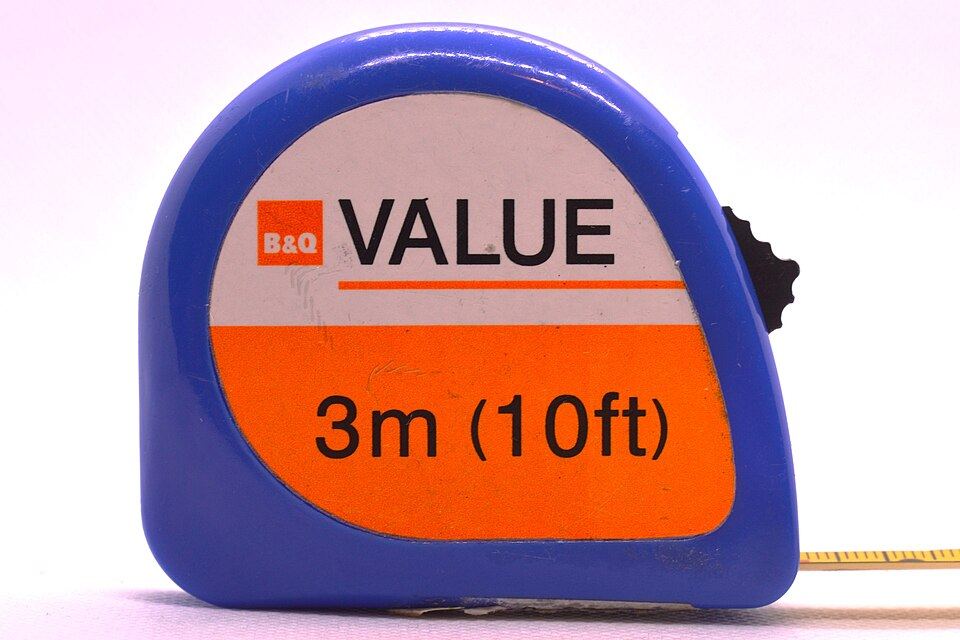
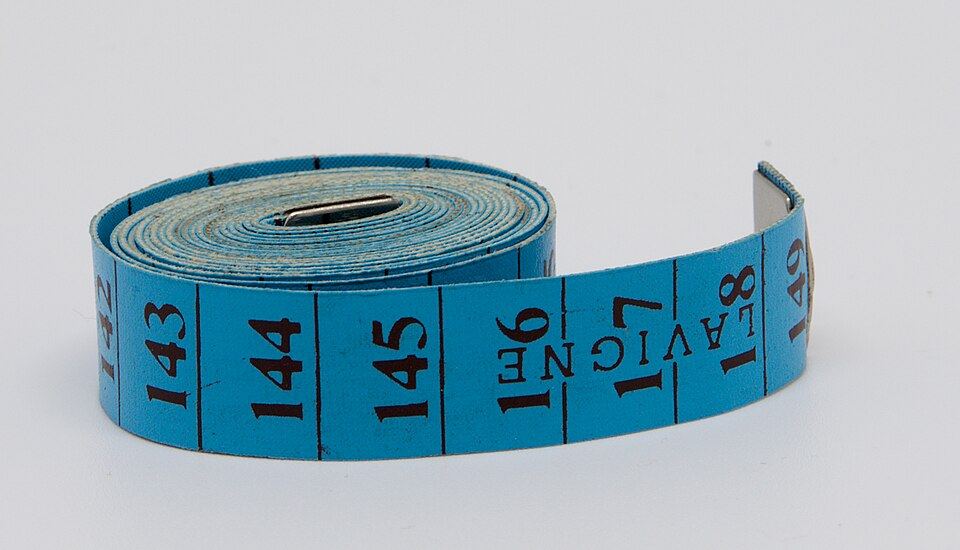
Short answer: measure back length, chest girth and neck, then shop on those three numbers rather than a size letter. Pet clothing has no universal sizing standard, so one brand's medium is another brand's large, and about a third of my fitting appointments exist because someone bought a letter online. In short, numbers travel between brands and letters do not. A dressmaker's tape is ideal, though string and a ruler works just as well.
Roughly a third of my fitting appointments exist because someone bought a size online and it didn't fit. Not because they were careless — because pet clothing has no universal sizing standard whatsoever. One brand's medium is another brand's large, and both of them are someone else's small. There's no regulatory body for this and there probably never will be.
So the skill isn't knowing your dog's size. The skill is knowing your dog's numbers, because numbers travel between brands and letters don't.
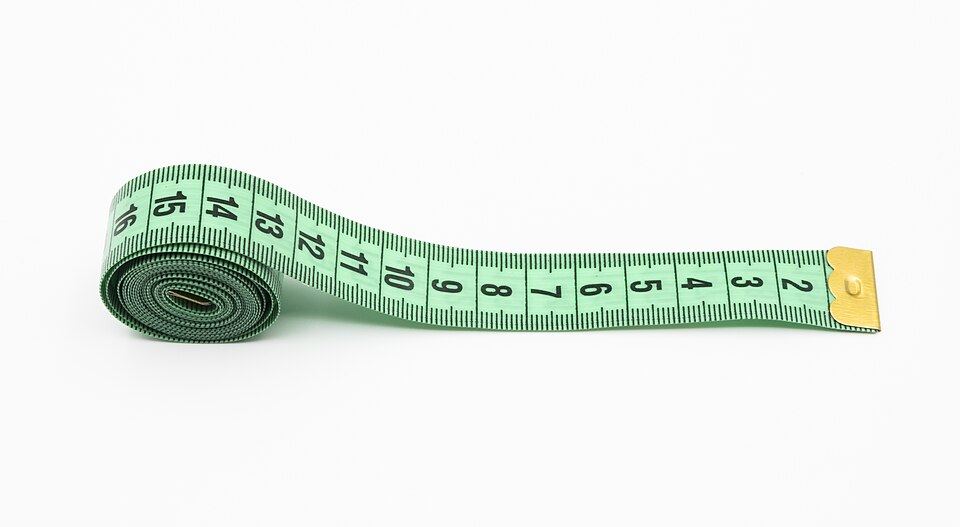
The three numbers you need
Back length. From the base of the neck — the bony point where the neck meets the shoulders, called the withers — straight along the spine to the base of the tail. Not to the tip of the tail. This is the number that determines whether a coat covers enough back, and it's the one people most often measure wrongly.
Chest girth. All the way around the widest part of the chest, just behind the front legs. Keep the tape snug but not tight, and take it while your dog is standing, because a lying-down measurement is always bigger. For most garments this is the most important number of the three.
Neck circumference. Where a collar would sit, again snug but not tight. This matters less for coats and much more for anything with a collar or hood.
Take each one twice. Dogs breathe, fidget, and lean on you, and the second reading is often different from the first by a centimetre or two.
- Back length runs from the withers to the base of the tail.
- Chest girth is the widest part, just behind the front legs.
- Neck circumference matters most for collars and hoods.
- Take each measurement twice, as the readings often differ.
Why weight is the wrong starting point
Almost every size chart includes a weight guide, and almost everyone uses it as the primary filter. It shouldn't be. A fifteen kilogram whippet and a fifteen kilogram staffy are entirely different garments: the whippet is tall, narrow and deep-chested, the staffy is broad, low and wide through the shoulder. Same weight, opposite problems.
This is why greyhounds and whippets are chronically badly dressed. They're the classic case of a dog whose weight suggests one size and whose shape requires another — long back, narrow chest, almost no body fat. If you own one, measure and check, and expect to buy from brands that cut for sighthounds.
What to do with the numbers
Check them against the specific brand's chart, not a generic one and not the last brand you bought from. Then look at which measurement is the binding one: if the chest says medium and the back says large, you're usually better off with the large, because chest straps and adjustable tabs can take in a bit of extra room but nothing can add length to a back.
The general rule is size up when you're between sizes. A slightly roomy garment can be adjusted, sits comfortably, and doesn't restrict the shoulder. A too-tight garment restricts movement, stretches the fabric (which reduces UV protection, as it happens), rubs under the front legs, and your dog will hate it.
Fit checks once it's on
Three quick tests. Can you slide two fingers comfortably under the chest band and the neck? The garment should sit flat along the back without gaping or pulling. And can your dog walk, trot and sit normally in it without the leg holes riding up into the armpits?
That last one is the one people skip. Watch them move. A coat that looks fine on a standing dog can bind badly at the shoulder once they start trotting, and you'll see it as a shortened stride within about ten metres.
Things that quietly change the fit
Coat condition. A dog measured straight after a clip will measure smaller than the same dog in full winter coat, and the difference can be a size. Grooming, weight change and — for puppies — growth all shift the numbers, so re-measure seasonally rather than treating one measurement as permanent.
And for puppies, re-measure every couple of weeks. They grow at a rate that catches everybody out, and a coat fitted at twelve weeks can be genuinely tight by fourteen.
Ninety seconds with a soft tape saves a return postage label, a disappointed dog, and the quiet conviction that buying pet clothes online is a mug's game. It isn't — you just need the numbers instead of the letters. Write them down in your phone. You'll use them forever. — Maddie, Perth, whose phone notes are ninety percent dog measurements.
Frequently Asked Questions
What measurements do I need for dog clothes?
Three: back length from the withers to the base of the tail, chest girth around the widest point just behind the front legs, and neck circumference where a collar sits. Measure with the dog standing and take each reading twice.
Why doesn't my dog's usual size fit?
Pet clothing has no universal sizing standard, so one brand's medium is another brand's large. Use your dog's measurements in centimetres rather than the letter size, and check each brand's own chart.
Should I go up or down a size if my dog is between sizes?
Go up. A slightly roomy garment can be adjusted with straps and sits comfortably, while a tight one restricts the shoulder, rubs under the legs and stretches the fabric. If chest and back suggest different sizes, follow the back length.
How do I check the fit once it's on?
Slide two fingers under the chest band and neck, check the garment lies flat along the back without gaping, then watch your dog trot and sit. Shoulder binding shows up as a shortened stride within about ten metres.
How often should I re-measure?
Seasonally for adult dogs, and after any significant grooming, since a freshly clipped coat measures smaller than a full one. For puppies, re-measure every couple of weeks while they're growing.
Size & Fit Reference
| Size | Back length | Chest girth | Neck | Weight guide | Typical breeds |
|---|---|---|---|---|---|
| XS | 25–30 cm | 32–38 cm | 22–26 cm | 1.5–3 kg | Chihuahua, kitten, small cat |
| S | 30–36 cm | 38–46 cm | 26–30 cm | 3–5 kg | Cavoodle, Pug, average cat |
| M | 36–42 cm | 46–54 cm | 30–35 cm | 5–9 kg | Cocker Spaniel, small Terrier |
| L | 42–50 cm | 54–64 cm | 35–41 cm | 9–16 kg | Kelpie, Border Collie |
| XL | 50–58 cm | 64–74 cm | 41–47 cm | 16–24 kg | Labrador, Greyhound |
| XXL | 58–66 cm | 74–86 cm | 47–53 cm | 24–34 kg | Great Dane, Mastiff |
Between two sizes? Size up. A garment that is slightly roomy can be adjusted; one that is too tight will not sit flat and will not work.
Looking for pet apparel?
We stock the gear covered in this guide, with Australia-wide shipping and Afterpay at checkout.
Popular in this range: evaporative cooling vest · printed dog hoodie
Shop Apparel at Paws of Oz