Recovery Suits: A Kinder Alternative to the Cone?
Short answer: a recovery suit can be kinder than the cone, but the vet who did the surgery decides, not you and not me. The cat in Mount Hawthorn who wedged herself behind the fridge and stopped eating did far better in a suit, though only because her vet had already cleared it. You should also plan on owning two, since one is always in the wash and a damp one over a fresh wound is worse than a cone.
The call came in on a Sunday. A client in Mount Hawthorn had picked up her cat that morning, been handed a plastic cone at the vet clinic, and by that afternoon the cat had wedged herself between the fridge and the wall and was refusing to come out or eat. My client was in tears on the phone. Could I bring a suit over instead.
I did, and it worked out — but only because her vet had already said it was fine, and I want to put that sentence first, because it's the whole point of this article. A recovery suit is not an upgrade you're entitled to. It's an option that suits some animals and some procedures, and the person who decides is the vet who did the surgery, not you, and not me.
What a recovery suit actually is
A cat recovery suit after surgery is a soft, close-fitting onesie, usually cotton or a cotton blend with a little stretch, that covers the torso and fastens along the back or under the belly. The idea is beautifully simple: instead of stopping an animal from reaching a site with a physical barrier around their head, you put a layer of fabric over the site itself. They can turn their head, eat, drink, sleep and walk through a doorway like a normal animal.
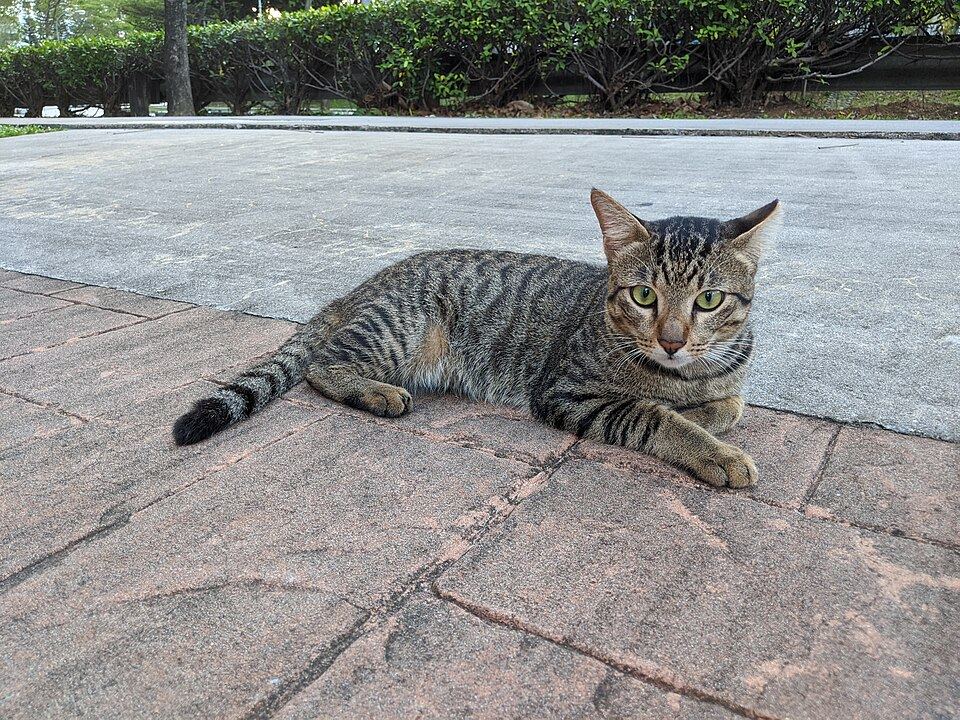
And the difference in behaviour is dramatic. A cat in a cone stops eating because she can't work out how to lower her head past the plastic, reverses out of rooms and bumps the doorframe going through it. A cat in a well-fitted suit lies down and goes to sleep within ten minutes, in my experience almost every time.
When a suit may be appropriate
Ask your vet, and ask before the day of the procedure so there's time to buy and fit one. In my experience the cases where a vet is most likely to agree tend to share a few features: a spay or a straightforward abdominal procedure on a cat or a dog, an animal who is otherwise settled and not a determined chewer, and an owner who will genuinely supervise.
Suits also get used for reasons that have nothing to do with surgery. Skin issues, where a garment stops a dog reaching a patch — again, entirely your vet's call about whether covering it is sensible. And Perth in February, where a heavy plastic cone is genuinely miserable.
When a cone is still the right answer
Here's the part that gets left out of the product listings. There are plenty of situations where a suit is the wrong choice, and a few where it's actively harmful.
Anything on a leg, a paw, a tail, an ear, an eye or the face can't be covered by a torso garment, and a dog who is licking a paw will destroy a suit getting to it. An animal who is determined will chew straight through cotton in an afternoon, and then you have a swallowed-fabric problem on top of everything else.
And the one I take most seriously: a suit sits against the body. Fabric that rubs, or that holds moisture against an incision rather than letting air at it, can make things worse rather than better. That's a judgement about a specific wound on a specific animal, and it's a veterinary judgement. I'm a groomer and a fitter with a Cert III in Animal Studies, and I'm not going to look at your cat's incision and tell you what to do with it.
What to look for
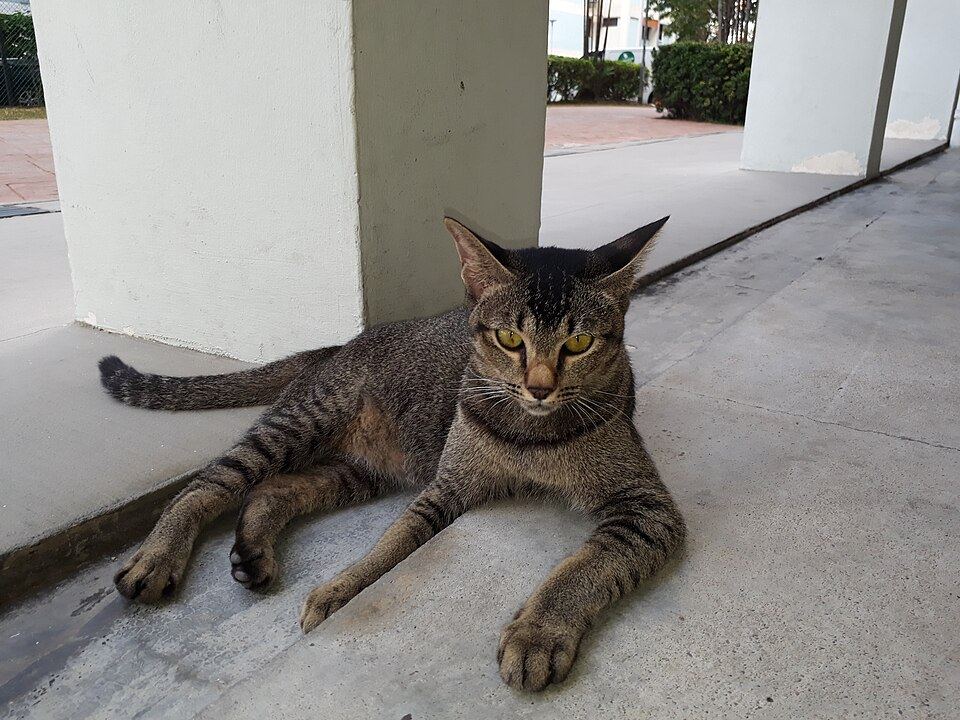
Soft seams, and ideally flat or covered seams on the inside, because the whole garment is lying against skin that is already sore. Breathable fabric — cotton or a cotton-dominant blend, not polyester fleece, which holds heat and moisture. Easy toilet access, which for a cat means a cutaway under the tail that doesn't sit in the way, and for a dog often means a rear opening with snaps or a zip.
Fit is the thing people get wrong. Snug enough that it doesn't twist or sag, loose enough that you can slide two flat fingers underneath anywhere on the body. Too tight and it rubs with every step; too loose and a back leg goes through a leg hole, or the fabric bunches and holds damp against the skin. Measure the back from the base of the neck to the base of the tail and the chest at its widest, check the brand's chart, and size up if you're between two.
Nothing dangling: no inside zips, no decorative trim, no loose threads. Check the garment over before every wear, because a cat who swallows thread ends up back at the clinic.
- Look for soft, flat seams that sit against already sore skin.
- Choose breathable cotton, not polyester fleece that holds heat.
- Make sure the suit has easy toilet access for the animal.
- Fit it snug but loose enough for two flat fingers underneath.
- Check the garment for dangling zips, trim and loose threads.
Hygiene, and the two-suit rule
Buy two. This isn't upselling, it's arithmetic. A garment worn over a healing site gets soiled and has to come off and go in the wash straight away. With only one, your animal is uncovered for the whole machine and dryer cycle, which is exactly when most animals get into trouble.
Wash daily on a warm cycle with a plain, unscented detergent. No fabric softener, which leaves residue against the skin, and nothing heavily perfumed. Dry thoroughly, and check it over after every wash for stretched elastic and popped seams.
Watch the animal, not the clock. Check the suit a few times a day for shifting, dampness and any discharge coming through the fabric. If the site looks red, swollen or smelly, or your animal seems off colour or is bothering at it through the suit, ring your vet. That's not a wait-and-see situation.
The last word
I sell these and I think they're a genuinely kinder option for a lot of animals. But if your vet has fitted a cone and told you to leave it on for ten days, leave it on for ten days. Don't swap it out on day three because your dog looks sad, and don't take advice from a product page — mine included — over the person who has actually seen the wound.
The right conversation happens before surgery: would a suit suit this procedure, and what would you want me to watch for. Vets hear that all day and would far rather answer it in advance than take a panicked call on a Sunday.
Noodle has never had surgery and has never worn a thing, which she regards as the correct outcome of a well-lived life. Olive came through a spay at eight months in a suit her vet approved, and slept through most of a Tuesday. Ask your vet first, buy two, and keep an eye on them. — Maddie, Perth, writing this the day after a client's cat finally ate her dinner.
Frequently Asked Questions
Can a recovery suit replace a cone after surgery?
For some animals and some procedures, yes, but it is your vet's decision and not yours. Suits work well for torso and abdominal sites on animals who are not determined chewers. They cannot protect a leg, paw, tail, ear, eye or face, and they should never be used to replace a collar your vet has prescribed without asking them first.
How should a cat recovery suit fit?
Snug enough that it cannot twist or sag, and loose enough that you can slide two flat fingers underneath it anywhere on the body. Too tight and it rubs; too loose and a leg slips through a leg hole or fabric bunches and holds damp against the skin.
How many recovery suits do I need?
Two, minimum. A garment worn over a healing site gets soiled and has to come off and go straight into the wash. With only one, your pet is uncovered for the entire wash and dry cycle, which is when most animals get into trouble.
How do I wash a recovery suit?
Wash daily on a warm cycle with a plain, unscented detergent. Skip the fabric softener, which leaves residue against the skin, avoid heavily perfumed products, and dry it thoroughly. Check it over after every wash for stretched elastic and popped seams.
Can a dog wear a recovery suit instead of a cone?
Often yes, and dogs generally accept a suit more readily than cats do, but the same rule applies: ask your vet before you remove a collar they have fitted. Suitability depends on the site of the procedure, the individual dog's behaviour and your vet's post-operative instructions.
Size & Fit Reference
| Size | Back length | Chest girth | Neck | Weight guide | Typical breeds |
|---|---|---|---|---|---|
| XS | 25–30 cm | 32–38 cm | 22–26 cm | 1.5–3 kg | Chihuahua, kitten, small cat |
| S | 30–36 cm | 38–46 cm | 26–30 cm | 3–5 kg | Cavoodle, Pug, average cat |
| M | 36–42 cm | 46–54 cm | 30–35 cm | 5–9 kg | Cocker Spaniel, small Terrier |
| L | 42–50 cm | 54–64 cm | 35–41 cm | 9–16 kg | Kelpie, Border Collie |
| XL | 50–58 cm | 64–74 cm | 41–47 cm | 16–24 kg | Labrador, Greyhound |
| XXL | 58–66 cm | 74–86 cm | 47–53 cm | 24–34 kg | Great Dane, Mastiff |
Between two sizes? Size up. A garment that is slightly roomy can be adjusted; one that is too tight will not sit flat and will not work.
Looking for pet apparel?
We stock the gear covered in this guide, with Australia-wide shipping and Afterpay at checkout.
Popular in this range: evaporative cooling vest · fleece dog jumper
Shop Apparel at Paws of Oz