How to Get a Cat to Wear Clothes (Most of Them Won't)
Short answer: most cats will not wear clothes, and the cat is not being difficult. My own hairless cat owns four garments, has worn one, in 2023, for eleven seconds, and I have the photo to prove it. The method that does work runs over weeks rather than minutes: garment on the floor, food nearby, drape without fastening, and always the option to walk away. Bottom line, the veto stays with Noodle.
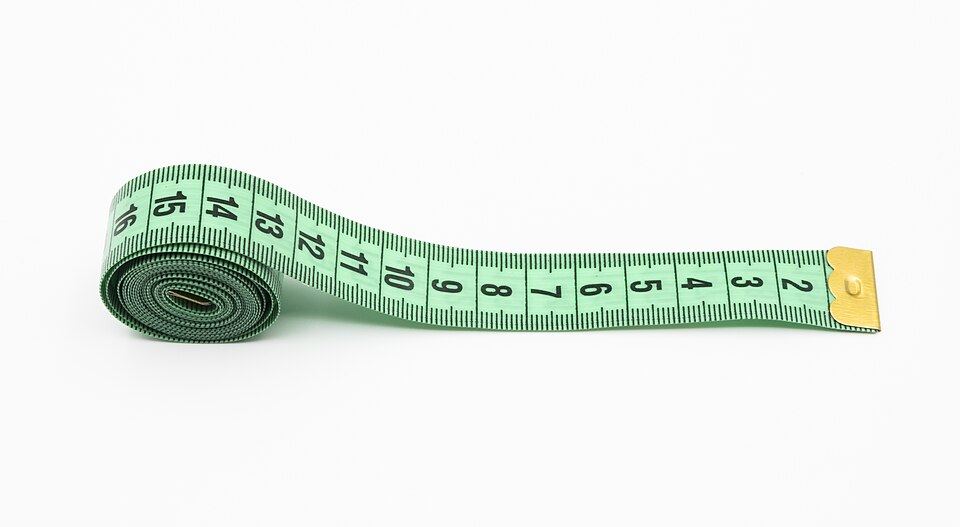
Noodle is a hairless cat. She has no coat worth speaking of, she feels like warm suede, and she gets cold in a Perth house in July when the heater's off. I fit pet clothing for a living. I own the tape measure, the size charts and a converted ute full of stock, and my own cat owns four garments.
She has worn one of them. In 2023. For eleven seconds. I have the photo.
I want to start there rather than with a cheerful list of tips, because the honest answer to how to put clothes on a cat is that most of the time you can't, and the cat isn't wrong. I've fitted hundreds of dogs and maybe a dozen cats who genuinely tolerated a garment, and every one was either hairless, elderly, or started as a kitten by somebody with unusual patience. This is for the minority, and it comes with a permission slip to stop.
Do cats need clothes at all?
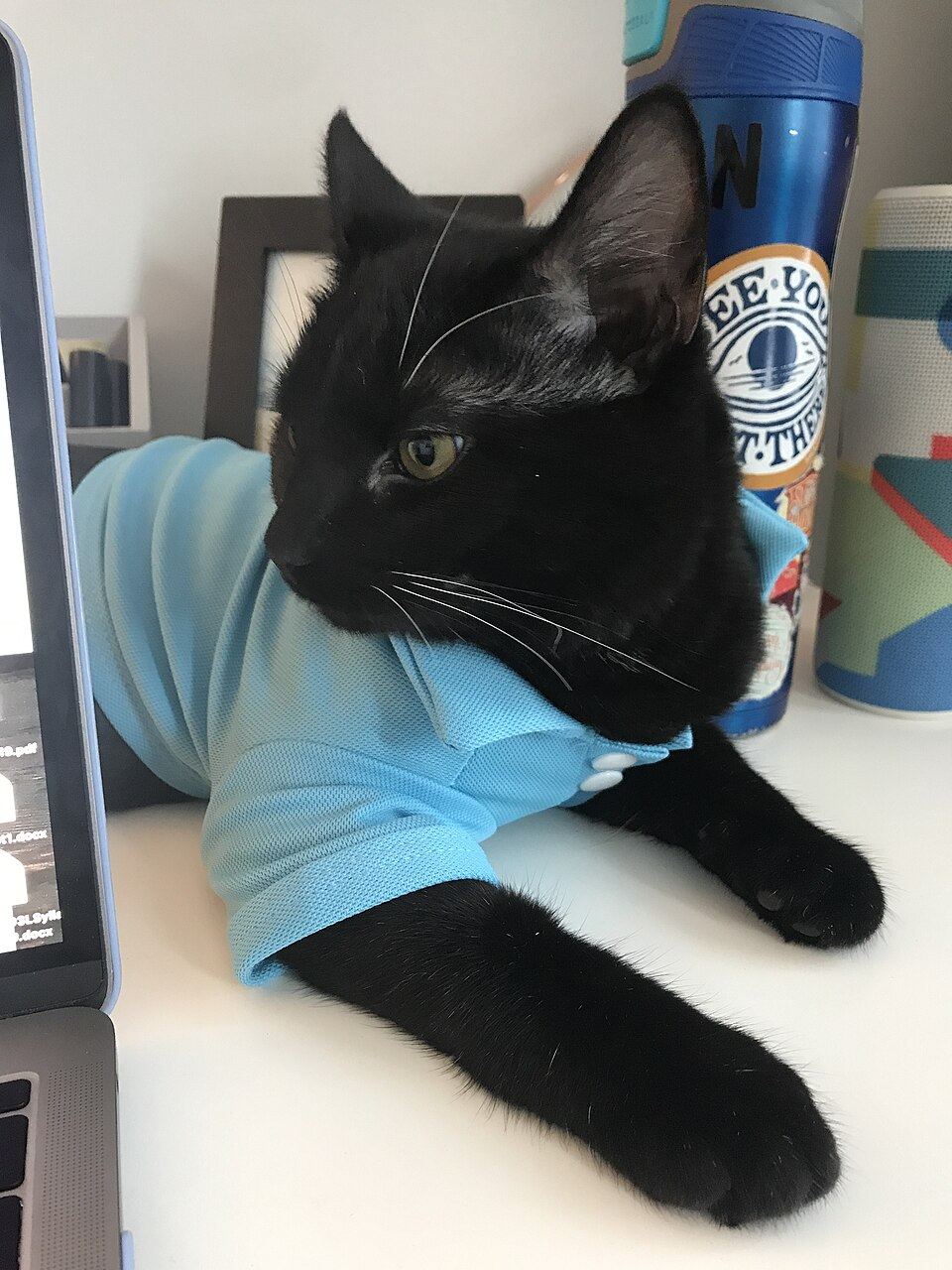
Usually, no. A healthy cat with a normal coat living indoors does not need clothing, and the sensible alternative to a cat jumper is the heater, a warm bed off the floor, and a spot in the sun. I say this as someone who sells the things. Cats have their own insulation, they're very good at finding warm spots, and an indoor cat in an Australian suburban home is rarely in any difficulty.
The exceptions are narrow, and they are real. Hairless breeds like Noodle lose body heat quickly and do feel the cold. Very elderly cats, cats who are unwell, and cats with thin or sparse coats sometimes benefit. Cats recovering from surgery may need a garment, and that is a conversation for your vet rather than a shopping decision. Outside those groups you're dressing a cat for your own enjoyment, which is fine, but let's call it what it is.
Why cats resist it more than dogs do
People ask me why do cats hate wearing clothes when their labrador wears a raincoat without blinking, and the answer has several parts. Dogs have been bred alongside us for thousands of years to tolerate handling and to look to us for what happens next. Cats have been breeding themselves, largely unbothered by our opinions, for most of that time.
Then there's the physical side. A cat's skin is mobile in a way a dog's isn't, and their spine and shoulders are built for an extraordinary range of movement. Anything that fastens around the body fights that design. Their whiskers are sensory organs, not decoration, so anything near the muzzle or backs of the front legs is genuinely unpleasant. And a cat's coat is part of how they read the world, so covering it is a bit like asking you to work while wearing a bag.
Lastly: cats are both predator and prey. An animal that size is hardwired to object to anything that could snag, trap or slow them down. A dog who trips in a coat looks confused. A cat who trips in a coat looks terrified, because from the inside it just became vulnerable.
The method that works, and it takes weeks
If your cat has a genuine reason to wear something, this is the process I use. The whole thing is powered by food, and the rule is that you never move to the next step until the current one is boring. Most people fail by going too fast on day one and then never trying again.
Step one: the garment goes into their bedding, or wherever they sleep, for two or three days. Don't put it on them. You want it to smell like the house and then like the cat. Step two: put it beside their bowl at mealtimes for another few days. Step three: drape it across their back while they eat, no fastening, one second, lift it off. Then five seconds. Then ten.
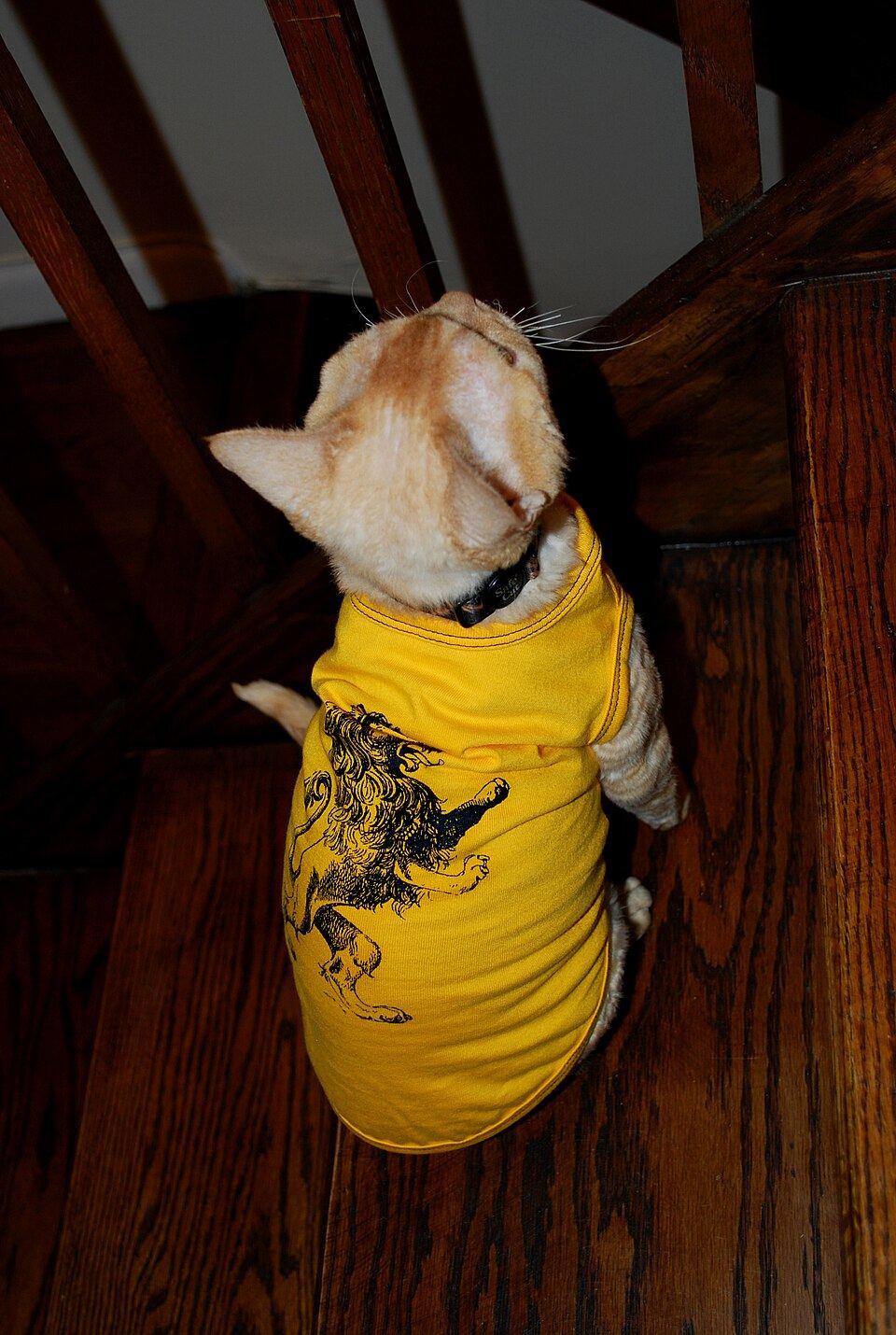
Step four is the first real one: the garment goes on fully fastened for as long as it takes them to finish a treat, then comes off. You're aiming for seconds, not minutes. Build from there across two to three weeks — thirty seconds, a minute, five minutes — with every session attached to something good. Step five is movement: once they'll wear it standing still, let them walk around in it and watch them on the furniture and the stairs.
Choose the lightest, softest garment you can find and ignore how it looks. Front-fastening is easier than anything that goes over the head. Fit it so you can slide two flat fingers underneath — snug enough not to snag, loose enough not to restrict. Do it all in a room where they already feel safe.
- Leave the garment in their bedding for two or three days first.
- Drape it across the back while they eat, one second at a time.
- Fasten it fully for the length of a treat, then take it off.
- Build up over two or three weeks with food at every step.
Safety, and when to stop
No loose threads, no dangling buttons, no bows, no bells, no pom-poms. A cat will chew at a hanging thread and swallowed thread is a surgical problem, not a laundry problem. No tight elastic anywhere, especially around the legs and neck. Check the inside seams before it goes on, every time.
Supervise always. Never leave a dressed cat alone, and never in a house with a cat flap and outdoor access — a jumper caught on a fence or branch is a genuine emergency. Watch for overheating too: a cat can't cool down the way a panting dog can, and I've seen cats get distressed in a garment that was fine for the first ten minutes.
The stop signals are obvious once you know them: freezing completely, ears flat, tail thrashing, scrambling backwards, refusing to move, or hiding afterwards. Any of those and the garment comes off at once and you go back two steps. Some cats never get past step three, and I've told plenty of owners their cat has made a sensible decision.
And the anxiety question
I get asked regularly whether cat clothing for anxiety is a real thing, usually in the same breath as thunderstorm season. My honest read: the evidence is thin and the mechanism is borrowed from dogs, where snug wraps have been studied properly. Some owners tell me their cat is calmer in a soft garment, and I believe them. But a garment is not a treatment for anything, and if your cat is showing ongoing fear or stress, that's a conversation with your vet or a qualified behaviourist, not a purchase. I'm a groomer and a fitter, and this is the edge of what I'm qualified to say.
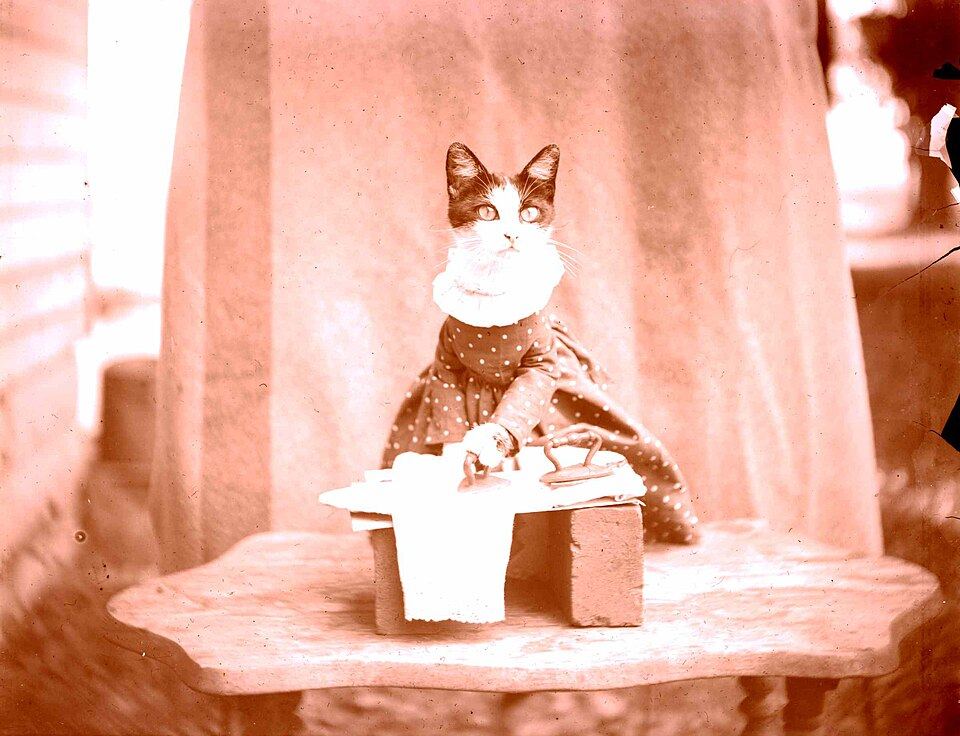
Noodle sleeps on a heated pad and has never once asked me for a jumper, and I've stopped taking it personally. If your cat tolerates clothes, great — go slowly and keep an eye on them. If they don't, you've learned something useful about who they are. — Maddie, Perth, where the cat is in charge and the ute is her second bedroom.
Frequently Asked Questions
Do cats need clothes?
Most healthy cats with a normal coat do not. Heating, a warm bed off the floor and a spot in the sun are the sensible answer for an indoor cat. Exceptions include hairless breeds, very elderly or unwell cats, cats with sparse coats, and cats shaved or recovering from a procedure, where you should follow your vet's advice.
Why do cats hate wearing clothes?
Several reasons stack up. Cats have not been bred to tolerate handling the way dogs have, their skin and spine are built for a huge range of movement, their whiskers are highly sensitive, and as a small prey species they instinctively object to anything that could snag or slow them down.
How long does it take to get a cat used to wearing clothes?
Plan on two to three weeks, and be prepared to stop. Let the garment sit in their bedding for a few days, feed near it, drape it briefly without fastening, then fasten it for a few seconds at a time with food. Never move on until the current step is boring.
Can clothing help a cat with anxiety?
The evidence is thin and largely borrowed from studies on dogs. Some owners report their cat seems calmer in a soft, snug garment, but clothing is not a treatment for anxiety. If your cat shows ongoing fear or stress, speak to your vet or a qualified animal behaviourist.
Are cat clothes safe to leave on unsupervised?
No. Always supervise a cat wearing clothing, and never leave a dressed cat with access to a cat flap or the outdoors, as a garment can catch on a fence or branch. Check for loose threads and tight elastic, and remove the garment if the cat freezes, panics or hides.
Size & Fit Reference
| Size | Back length | Chest girth | Neck | Weight guide | Typical breeds |
|---|---|---|---|---|---|
| XS | 25–30 cm | 32–38 cm | 22–26 cm | 1.5–3 kg | Chihuahua, kitten, small cat |
| S | 30–36 cm | 38–46 cm | 26–30 cm | 3–5 kg | Cavoodle, Pug, average cat |
| M | 36–42 cm | 46–54 cm | 30–35 cm | 5–9 kg | Cocker Spaniel, small Terrier |
| L | 42–50 cm | 54–64 cm | 35–41 cm | 9–16 kg | Kelpie, Border Collie |
| XL | 50–58 cm | 64–74 cm | 41–47 cm | 16–24 kg | Labrador, Greyhound |
| XXL | 58–66 cm | 74–86 cm | 47–53 cm | 24–34 kg | Great Dane, Mastiff |
Between two sizes? Size up. A garment that is slightly roomy can be adjusted; one that is too tight will not sit flat and will not work.
Looking for pet apparel?
We stock the gear covered in this guide, with Australia-wide shipping and Afterpay at checkout.
Popular in this range: evaporative cooling vest · printed dog hoodie
Shop Apparel at Paws of Oz