Bushwalking With a Dog in Australia: Heat, Snakes and Gear Worth Carrying
Short answer: the lead does more for a dog's safety on a trail than anything you can buy. Long grass in November is where the snakes are, and Olive going rigid on a track near Kalamunda is the ordinary version of that story, the one where I clip her on and we walk back down the way we came. Here's the rest of what earns a place in the pack: water for both of us, a hiking vest that cannot twist, and the after-hours vet number.
I was halfway up a trail near Kalamunda one November morning when Olive stopped dead, went rigid, and started backing up with her tail tucked. I never saw what was in the grass. I heard it — the dry rattle that sounds like someone dragging a stick across a fence — and I got her on the lead and we went back down the same way we came.
I tell that story because it's the ordinary version. Nothing happened. But it's the version most people have, and the version they don't think about until the grass is long and the dog is already in it. Bushwalking here isn't like walking a dog in a European forest. The bush has opinions.
Snakes: the part that needs saying plainly
Australian snakes don't want anything to do with your dog. That doesn't matter much, because dogs investigate nose-first and snakes defend themselves. Most bites happen on the nose or the leg while a dog is poking into long grass, leaf litter or a rock pile — exactly the places a dog most wants to poke.
Prevention is boring and effective. Keep your dog on lead in long grass, through thick scrub and along creek lines. Walk in the middle of the trail where you can see the ground, and keep them close rather than letting them range ahead, because a dog ahead of you finds the snake first. Around Perth the risk runs roughly September to April.
If you suspect a bite, this is the part I want people to have clear in their head before they need it. Keep your dog as still and calm as possible and get to a vet immediately. Carry them if you can do it safely. Do not try to catch or identify the snake. Do not wash the wound. Do not cut it. Do not apply a tourniquet or try to suck out venom. Call the clinic on the way so they can prepare. Veterinary treatment is urgent — a dog who seems to perk up can deteriorate quickly afterwards.
Heat on the escarpment
I've walked tracks in the Perth Hills that are fine at seven in the morning and hostile by ten. Granite holds heat, and the five-second rule people use on pavement applies to rock outcrops, gravel and dry trail sand too. Press the back of your hand down and count. If you can't hold it there, neither can their pads.
Carry more water than you think you need and offer it every fifteen minutes rather than waiting to be asked. Many dogs keep going long past the point of sense, particularly the keen working breeds. Watch breathing, watch how far the tongue is out, watch whether they've stopped choosing the shady side of the trail.
Start early and be off the hill by nine from November through March. I know that sounds excessive. Every summer there are dogs carried off these trails by owners who thought the same thing.
The other things in the scrub
Paralysis ticks are the big one in the eastern states, where they're a year-round concern along the seaboard. In WA I still check my dog after any walk through long grass or coastal scrub. Run your hands over the whole animal at home — head, neck, ears, between the toes, under the collar — and keep a tick remover in the kit.
Grass seeds are the quiet menace. Those barbed awns work into paws, ears and armpits, and once they're in they only travel one direction. After any walk through dry grass, check between the toes for a small swelling or a weeping spot, and check the ears for head shaking and tilting. A dog who suddenly holds a paw up has usually got something between the toes.
Add spinifex, which will spear a paw pad without any trouble, cliff edges and old mine shafts up around the Goldfields, and the fact that a lot of Australian scrub has no mobile reception. Tell someone where you're going.
Gear worth carrying
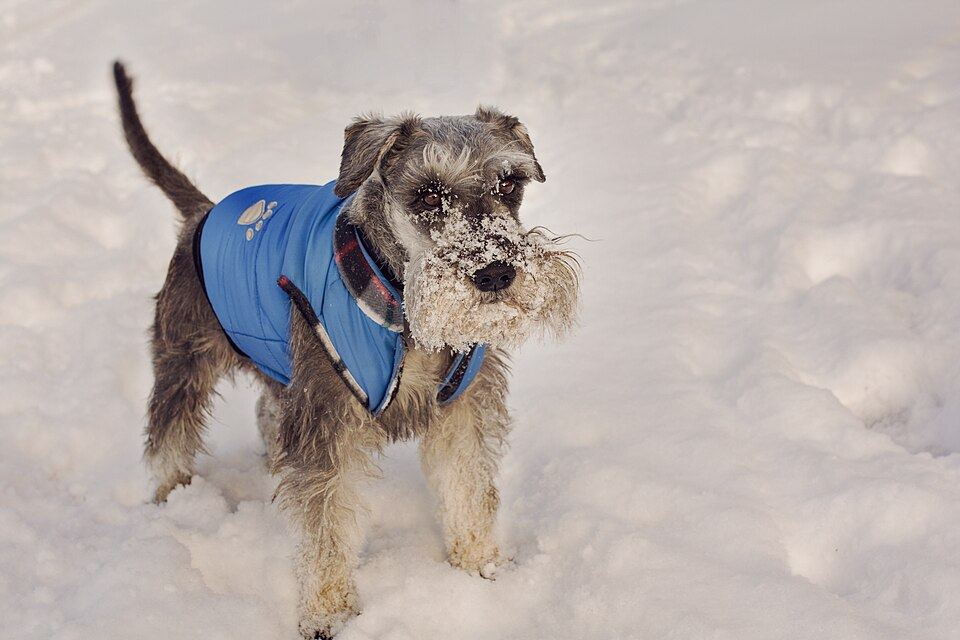
A properly fitted harness or vest first. I prefer a harness, because a collar puts all the pressure on the throat and a dog who pulls on loose gravel can do real damage to their neck. For a dog carrying their own gear, a lightweight vest with saddlebags is fine, but keep the load light and pack it evenly on both sides so it doesn't shift.
After that: a collapsible bowl, at least two litres of water, a first aid kit, a tick remover, and a towel for the car. Boots if your dog will actually wear them, which is a bigger if than the packaging suggests. I've spent patient weeks teaching dogs to tolerate boots and a fair few never do, and a boot that comes off halfway up a hill is worse than no boot at all. Paw wax is a reasonable middle ground.
In the first aid kit I keep: conforming bandage, sterile gauze, saline, tweezers, tick remover, a foil blanket and a slip lead. Plus the nearest emergency vet's number saved in my phone before I leave, because looking it up with no signal and a frightened dog is not the moment.
- A harness beats a collar for a dog that pulls.
- Carry a collapsible bowl and at least two litres.
- A first aid kit, tick remover and towel go in the car.
- Pack a vest's load light and even on both sides.
- Boots help on rough ground, or use paw wax.
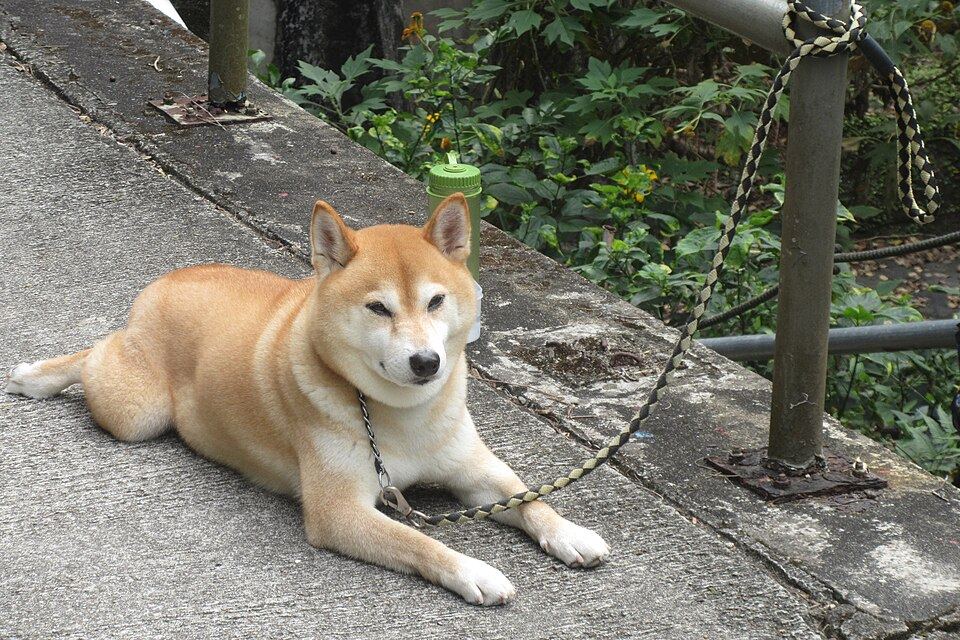
Fitting a hiking vest properly
Measure the chest at its widest point behind the front legs and the back from the base of the neck to the base of the tail, then match those to the brand's chart rather than guessing from weight. Two fingers under every strap, no more and no less. A loose vest swings and rubs, and a rubbing vest turns a pleasant walk into a raw patch by the armpit inside half an hour.
Then walk twenty minutes before committing to a longer track, and check both armpits and the chest strap afterwards. Chafing almost always shows at the front of the shoulder first. If there's pinkness, the vest doesn't fit, and no amount of wearing it in will fix a shape that's wrong for your dog.
And a note for summer: a vest is insulation. On a hot day a heavily lined garment works against your dog, so look for a light, breathable one and be honest about whether the dog needs to carry anything at all. Most of the time, they don't.
Olive carries nothing but her own enthusiasm and she's walked half the trails between Mundaring and the coast with me. Every good walk we've had came down to three things: go early, carry water, keep her on lead where the grass is long. — Maddie, Perth, up at five again because the hills are worth it.
Frequently Asked Questions
What should I do if a snake bites my dog?
Get to a vet immediately. Keep your dog as still and as calm as you can, and carry them if you can do so safely. Do not try to catch or identify the snake, do not wash the wound, do not cut it, and do not apply a tourniquet or try to suck out venom. Call the clinic on the way so they can prepare. Veterinary treatment is urgent.
How hot is too hot to walk a dog on Australian trails?
There is no single number, because humidity and shade matter as much as temperature. Use the five-second rule on the ground: press the back of your hand to the rock, gravel or sand and count. If you cannot hold it there comfortably, your dog should not be walking on it. From November to March I am off the hill by nine in the morning.
Do dogs need boots for bushwalking in Australia?
Only if they will actually keep them on. Boots help with hot ground, sharp gravel and spinifex, but a boot that comes off halfway up a hill is worse than no boot. If your dog won't tolerate them after patient training, paw wax and sensible timing are a better plan than a fight.
What should be in a dog first aid kit for hiking?
Conforming bandage, sterile gauze, saline for flushing eyes and wounds, tweezers, a tick remover, a foil blanket and a slip lead. Save the nearest emergency vet's number in your phone before you leave, because plenty of Australian bush has no mobile reception.
How do I fit a dog hiking vest or harness?
Measure the chest at its widest point behind the front legs and the back from the base of the neck to the base of the tail, then match those to the brand's chart rather than guessing from weight. You should fit two fingers under every strap. Walk twenty minutes and check both armpits for rub; pinkness means the shape is wrong for your dog, and it will not improve with wear.
Size & Fit Reference
| Size | Back length | Chest girth | Neck | Weight guide | Typical breeds |
|---|---|---|---|---|---|
| XS | 25–30 cm | 32–38 cm | 22–26 cm | 1.5–3 kg | Chihuahua, kitten, small cat |
| S | 30–36 cm | 38–46 cm | 26–30 cm | 3–5 kg | Cavoodle, Pug, average cat |
| M | 36–42 cm | 46–54 cm | 30–35 cm | 5–9 kg | Cocker Spaniel, small Terrier |
| L | 42–50 cm | 54–64 cm | 35–41 cm | 9–16 kg | Kelpie, Border Collie |
| XL | 50–58 cm | 64–74 cm | 41–47 cm | 16–24 kg | Labrador, Greyhound |
| XXL | 58–66 cm | 74–86 cm | 47–53 cm | 24–34 kg | Great Dane, Mastiff |
Between two sizes? Size up. A garment that is slightly roomy can be adjusted; one that is too tight will not sit flat and will not work.
Looking for pet apparel?
We stock the gear covered in this guide, with Australia-wide shipping and Afterpay at checkout.
Popular in this range: evaporative cooling vest · fleece dog jumper
Shop Apparel at Paws of Oz