Clothed Dogs and Coat Health: A Groomer's Brushing Notes
Short answer: dog clothing does not ruin a healthy coat, but friction at straps and trapped warmth will mat the coat underneath if nobody lifts the garment and looks. Five minutes of brushing before the layer goes on and again when it comes off prevents most of the tangles I shave out in February.
Last February I groomed a cavoodle from Perth's northern suburbs whose owner had dressed her in a sun shirt almost every day through summer. The shirt itself was decent quality and fitted well. Underneath, the coat behind both armpits had tightened into flat felt pads a comb could not get near, and the chest strap line was one continuous mat from elbow to elbow. The dog stood on my table an extra hour while I worked it out by hand, and she lost coat she did not need to lose. Nobody had lifted the shirt and looked underneath in eight weeks. I now run every clothing-wearing client through the same short routine, and it takes less time than the kettle.
Where mats form under straps
Matting under clothing is not random. It starts where the garment moves against the coat: behind the front legs where the girth strap sits, along the chest band, at the neck seam, and along the belly band on deeper-chested dogs. Those are the points where three things meet at once: friction, warmth and dead hair that would normally fall out but gets trapped against the strap instead. Loose undercoat wraps around live hair, the strap rubs it back and forth, and within a fortnight you have felt.
Short-coated dogs get a milder version, more rubbing and broken hairs than true mats. Curly and silky coats cop the worst of it because their hair tangles at the slightest excuse. Run your fingers along every strap line once a week. If the coat feels dense, hot or tacky there, you are about a week away from a mat you cannot comb out.
What friction does to the coat underneath
Even without matting, a layer that shifts on every step wears the coat down. I see it most on dogs whose clothing is a size loose: the lining slides over the back and shoulders, snaps fine guard hairs and leaves a fuzzy, broken band across the wear line. Synthetic linings add static in Perth's dry summer air, which lifts the coat and tangles it faster.
Double-coated breeds have a second problem. Their shed undercoat has nowhere to go under a layer, so it packs down against the skin instead of dropping onto your floor, and a packed undercoat holds heat and moisture. If you are still choosing layers, the fit notes in our pet apparel guides matter as much for coat health as for comfort: close enough not to slide, loose enough that you can slide a flat hand under every strap.
Brush before the coat goes on
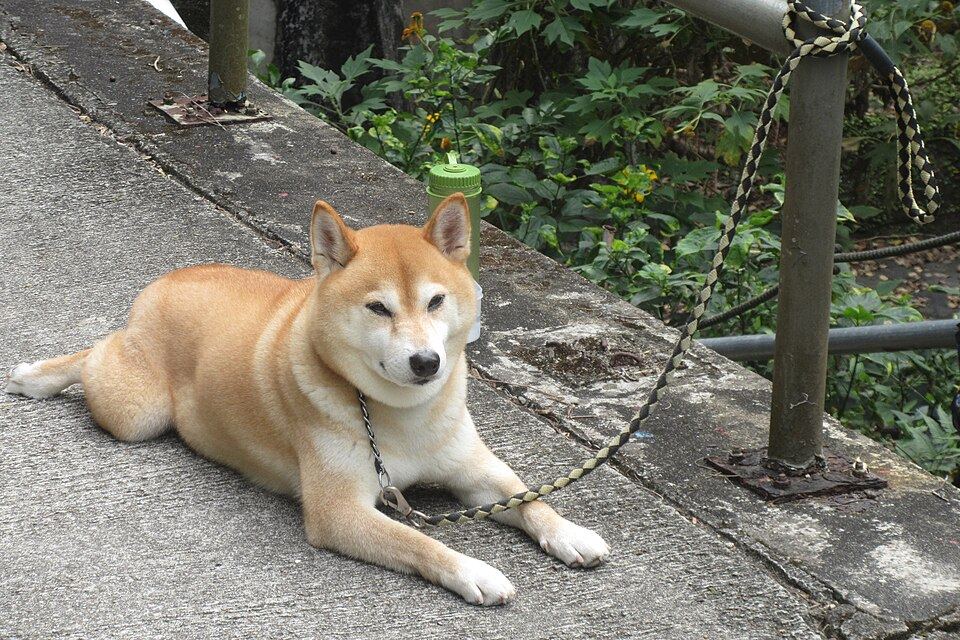
The single most useful habit is brushing a dry coat immediately before dressing. A slicker takes out the surface tangles, then a metal comb has to get through to the skin along every strap line, because a slicker alone skims over the start of a mat and calls it done. If the comb stops, hold the coat below the snag between finger and thumb and work the tangle out from the tip down.
Brushing before the layer goes on matters more than brushing after, for a plain reason: dead hair trapped under fabric turns to felt far faster than dead hair on an open coat. Get it out first and the garment has nothing to press into mats. It takes five minutes on most dogs, ten on a double coat in shed season. Do it while the dog is calm after breakfast and it stops being a fight.
- Brush strap lines to the skin before the garment goes on.
- Lift the whole layer off and check armpits after every wear.
- Swap damp or sandy clothing for a clean dry one straight away.
- Use a metal comb along strap lines, not just a slicker.
- Leave the layer off above thirty degrees unless your vet says otherwise.
The check when the coat comes off
The after-wear check is faster than the before-wear brush. Take the garment off in one piece rather than letting the dog back out of it, then run your hands along every line where fabric sat: armpits, chest, neck, belly. You are feeling for tightness, warmth or a sticky texture the rest of the coat does not have. Comb once through each strap line. A tangle you catch the day it forms teases out with your fingers; the same tangle after four more wears needs a mat splitter and a patient dog.
This is also the moment to check the coat is fully dry, especially after beach walks, because damp hair plus salt plus fabric is the fastest felting combination I see. Anything wet gets towel dried before the dog wanders off, sandy linings get shaken out and the garment aired before it goes back on tomorrow.
| Coat type | Main clothing risk | Brushing focus | Session length |
|---|---|---|---|
| Short and smooth (staffy, beagle) | Broken hairs along the chest strap | Soft brush weekly, fingers along strap lines | Under five minutes |
| Double coat (corgi, border collie) | Packed undercoat under the girth strap | Undercoat rake before dressing, comb the strap lines | Ten minutes in shed season |
| Curly (cavoodle, poodle) | Rapid felting behind the front legs | Slicker then metal comb before every wear | Five to ten minutes |
| Long and silky (maltese, shih tzu) | Tangling at the neck seam and belly band | Comb in sections after every wear | Ten to fifteen minutes |
| Wire (schnauzer type) | Dead coat building under straps | Firm slicker weekly, check each strap line | Around five minutes |
Warm days and skin under layers
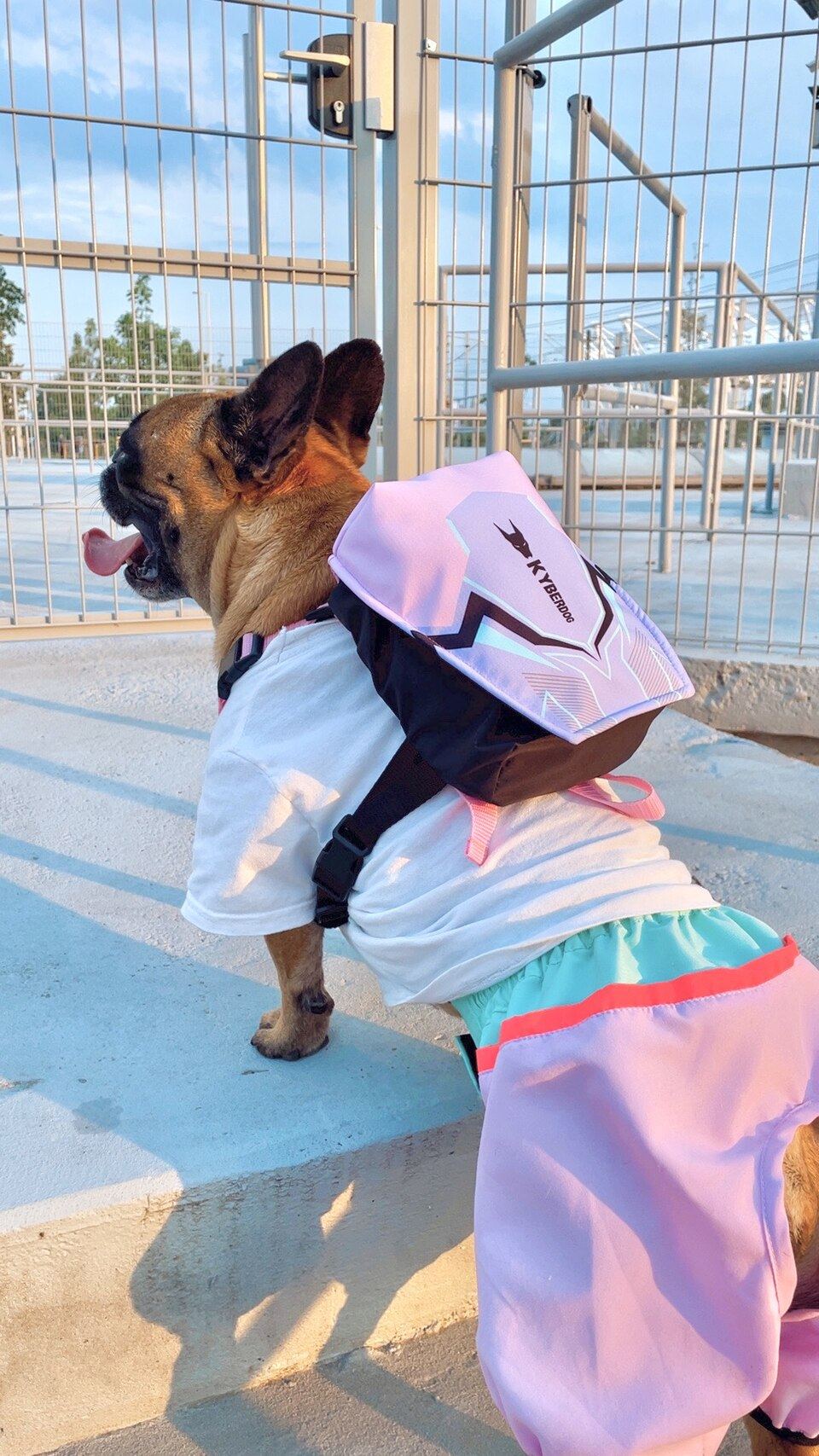
Perth's pattern matters here. Through most of the year a coat does its job and comes off at home without drama, but from late spring the daytime temperature climbs past thirty regularly, and a dog that wore a layer happily in April can struggle in the same layer in January. On hot days the only clothing I see earn its place is a fitted UV shirt for beach or boat time, and even that comes off the moment you are home. Check the coat underneath on those days more often, not less, because warm skin under fabric gets clammy, and clammy skin mats.
Look over the strap lines for redness or broken skin as well. I can tell you what friction does to hair; I am not the person to interpret a rash, so anything that looks irritated, keeps the dog scratching or does not settle within a day or two goes to your vet.
Frequently Asked Questions
Will clothing damage my dog's coat permanently?
The hair itself grows back; friction and matting are wear, not permanent damage. The risk is repeated matting tight against the skin, which is uncomfortable and can leave the coat breaking at the same spots every season. Lift the garment, check the strap lines weekly, and brush before dressing. If the skin under a strap looks sore, stop dressing the area and ask your vet.
How often should I brush a dog that wears clothes daily?
A quick finger check along every strap line each day, and a full slicker and comb session every two to three days. Curly and silky coats need the full session more often, closer to every second day, while a short smooth coat can stretch to weekly. The rule I give clients: the longer and softer the hair under the fabric, the shorter the gap between brushing sessions.
Is it fair to put clothing on a double-coated dog?
It can be, if the garment fits, comes off as soon as it is not needed and the undercoat is brushed out first. The problems I see are heat and compaction: a packed undercoat under a layer holds warmth and never sheds out. Watch for panting or restlessness on warmer days and take the layer off. If you are unsure about your dog's heat tolerance, ask your vet.
What brushes do I actually need for a clothed dog?
Two tools cover almost everything: a slicker for the surface and a metal comb that reaches the skin along every strap line. The comb matters more, because it is the only tool that tells you a mat has started. Add an undercoat rake for double coats in shed season. Match the firmness of the slicker to the coat using the table above, and replace tools when the pins bend.
Can the coat go straight on after a swim at the beach?
Not if you want to keep the coat underneath. Damp hair plus salt plus sand under fabric is the fastest felting combination I see in summer, and it starts at the armpits within a couple of wears. Towel the dog down, comb the strap lines once dry, and shake the sand out of the garment before it goes anywhere near the coat.
Looking for pet apparel?
We stock the gear covered in this guide, with Australia-wide shipping and Afterpay at checkout.
Popular in this range: evaporative cooling vest · fleece dog jumper
Shop Apparel at Paws of Oz