I Measured, Compared and Tested Harnesses So You Don't Have To
Short answer: most people hate their fit through bad measuring, so learn the two numbers that matter, chest girth behind the front legs and neck base where the collar sits, before buying a strap. You'll want a step-in style for a puppy who hates things over the head, and keep a collar for ID while the harness walks, because it spares the trachea. Biscuit my kelpie and Willow the cat tested seven styles, and fit beat price every time.
I'll be honest: before writing this I owned seven harnesses. Seven. Between my kelpie Biscuit and the cat, Willow, I'd bought, returned or donated enough gear to open a small shop. So I sat down, measured properly, and ran each one through the same real-world test on our actual walks. Here's the honest version of what I learned, minus the marketing fluff.
How to measure a dog for a harness (properly)
The single biggest reason people hate their harness is bad measuring. Learning how to measure a dog for a harness correctly changed everything for me. You need two numbers: the chest girth — the widest part just behind the front legs — and the neck base where the collar usually sits. Use a soft tape, feed your dog a treat so he stands square, and don't pull tight. I wrote both numbers on the fridge so I'd stop guessing. A harness that's a centimetre off either way will rub, slip or choke, and no amount of "premium" branding fixes a wrong size.
Breed matters too. A deep-chested cattle dog fills out differently from a slender greyhound, and the standard charts don't always capture that shape. When in doubt I email the brand a photo of Biscuit from above — most local makers will tell you the honest size rather than guess. That five-minute conversation saved me a return and a week of waiting, and it's now the first thing I do with any new brand.
- Take two numbers: chest girth and the neck base.
- Use a soft tape and feed a treat so the dog stands square.
- Don't pull tight, and write both numbers down to stop guessing.
- Deep-chested breeds fill out differently from slender ones.
- Email the brand a photo from above when you are unsure.

Step-in vs overhead: the daily trade-off
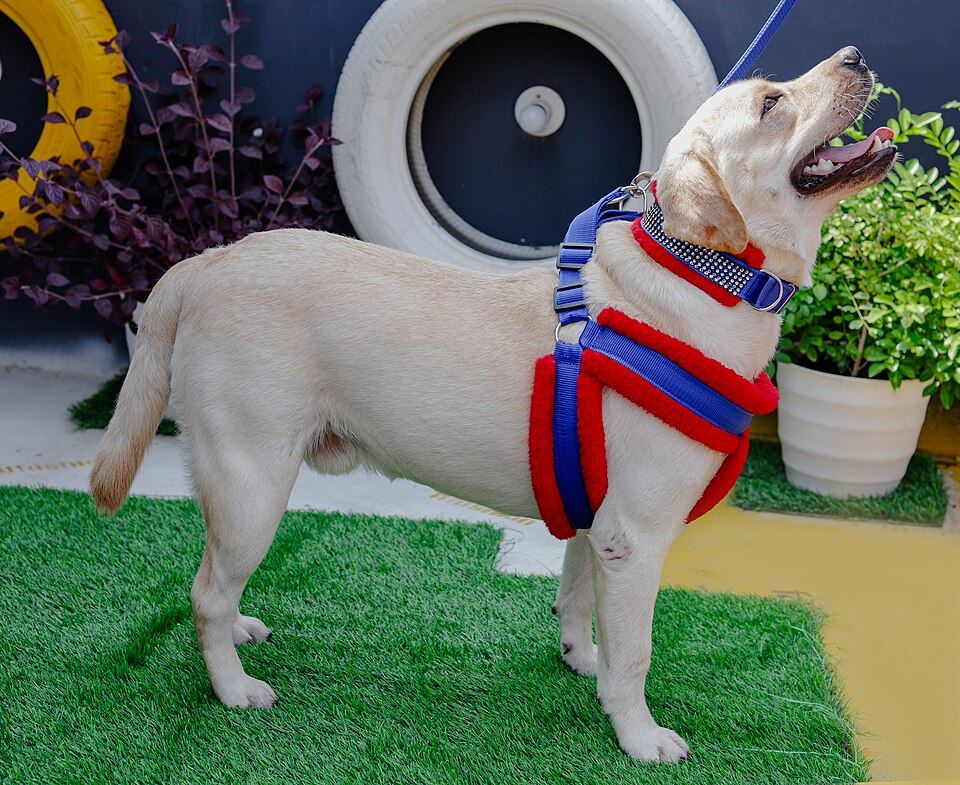
The step in vs overhead harness debate sounds trivial until you've wrestled a wriggly animal every morning. Overhead styles slip over the head and clip under the belly; step-ins have the dog stand in two loops that you then clip on top. Biscuit tolerates overhead fine, but Willow freezes at anything going near her head, so step-in is the only peaceful option for her. My take: overhead for confident dogs, step-in for shy or head-shy pets. Neither is "better" — it's about who's wearing it.
How to stop a dog pulling
Everyone wants the magic answer for how to stop a dog pulling with harness designs. There isn't one, but front-clip harnesses helped Biscuit more than anything. A front clip turns his own momentum sideways when he lunges, so pulling becomes pointless without any jerk on his neck. Pair it with treats and he improved in about three weeks. The best no pull harness review Australia threads all point to the same truth: the harness is a training aid, not a cure. If you skip the reward part, you've just bought an expensive strap.
Harness vs collar: which is better?
The dog harness vs collar which is better question deserves a straight answer. For walks, a harness wins for my puller because it spares his trachea; collars are fine for ID tags and quick toilet breaks. I keep both — collar for the tag, harness for the adventure. If your dog has a delicate neck or pulls, the harness isn't optional, it's basic care.
One caveat I give every new owner: a harness won't teach manners by itself. Biscuit still needed training not to bolt, and the collar-with-tag habit meant he always had ID even in the backyard. Think of the two as teammates, not rivals — the collar for identity, the harness for control, and both doing a job the other can't.
Cheap vs premium, tested head to head
The cheap vs premium dog harness Australia gap is real but narrower than brands claim. My ten-dollar Kmart special lasted two months of daily use before the clip wobbled. A sixty-dollar local brand is still going strong a year later. You're not just paying for a label; you're paying for hardware that doesn't fail mid-walk. That said, a premium harness on a badly measured dog is worse than a cheap one that fits. Spend on fit first, fancy second.
The other premium perk is a real warranty. When the buckle on my good harness finally cracked after eighteen months of sun, the maker sent a free replacement clip without argument. Try getting that from a discount-bin special. So the "expensive" option actually cost me less per year than buying three cheap ones that each failed in their own way — the maths flips once you count the replacements.
The cat side of things
Willow needed her own research, and the escape proof cat harness review Australia posts scared me straight. Cats are liquid when they want out, so I tested three. The cat harness review Australia 2026 favourites held up, but only after I let her wear it inside for a week first. An escape proof cat harness review Australia win still means nothing if you skip the indoor familiarisation step — she slipped the first one within minutes because I rushed it.
The vest-style ones that wrap the torso gave me the most confidence, while the figure-eight string types let her wriggle worryingly fast. Read a few escape proof cat harness review Australia threads and you'll see the same pattern: coverage and snugness beat clever clips every time.
Your 2026 buying guide and checklist
If you want a dog harness buying guide 2026 in one breath: measure twice, pick front-clip for pullers, step-in for shy pets, spend what you can on hardware, and always test indoors first for cats. Keep this dog harness essentials checklist on your phone: two correct measurements, adjustable straps, a front clip option, breathable material for summer, secure buckles, and a reflective strip for dusk walks. Tick those and you've avoided every mistake I made.
— From someone who turned seven bad buys into one useful list, so your dog doesn't have to suffer the learning curve.
Frequently Asked Questions
How do I measure my dog for a harness?
Take two numbers, the chest girth behind the front legs and the neck base, with a soft tape and a treat to keep them still. Don't pull tight, and write the numbers down so you stop guessing at size.
Step-in or overhead, which should I pick?
Overhead suits confident dogs; step-in is the only peaceful option for shy or head-shy pets like my cat. Neither is better, it depends entirely on who is wearing it.
Will a no-pull harness stop my dog pulling?
A front-clip harness helps by turning momentum sideways, but it is a training aid, not a cure. Pair it with treats and the habit fades in weeks; skip the reward part and you have just bought an expensive strap.
Is a harness better than a collar?
For walks, yes, because it spares the trachea; collars are fine for ID tags and quick breaks. I keep both, collar for identity and harness for the adventure, and they do different jobs.
Should I buy cheap or premium?
Spend on fit first, then build quality. A premium harness on a badly measured dog is worse than a cheap one that fits, but good hardware backed by a warranty costs less per year than buying three that fail.
Size & Fit Reference
| Size | Chest girth | Neck | Weight | Best for |
|---|---|---|---|---|
| XS | 30–40 cm | 23–31 cm | 1.5–2.5 kg | Toy breeds, puppies, small cats |
| S | 40–50 cm | 30–38 cm | 2.5–4 kg | Chihuahua, small cat |
| M | 50–60 cm | 36–44 cm | 4–6 kg | Cavoodle, large cat |
| L | 60–70 cm | 42–50 cm | 6–9 kg | Kelpie cross, small Terrier |
| XL | 70–85 cm | 50–60 cm | 9–14 kg | Medium working breeds |
Looking for dog harnesses?
We stock the gear covered in this guide, with Australia-wide shipping and Afterpay at checkout.
Popular in this range: breathable step-in harness
Shop Harnesses at Paws of Oz