Harness vs Collar, Cheap vs Premium, and My Final Picks for 2026
Short answer: harness for walking, collar for tags, and you'll want to spend the money on fit rather than on the badge. After a year of testing on Biscuit the kelpie and Willow the cat, the premium covers earned their price in backing and stitching, not in extra features. Step-in suits puppies who hate anything going over their heads; overhead suits almost everyone else.
After a year of testing gear on Biscuit the kelpie and Willow the cat, I've finally stopped buying. This is the wrap-up I wish someone had handed me at the start: the trade-offs that actually matter, the picks I'd rebuy tomorrow, and the checklist I now send to every friend with a new pet. No sponsored nonsense, just what survived real use.
Before any of those picks make sense, remember the foundation: how to measure a dog for a harness correctly. I keep Biscuit's two numbers — chest girth and neck base — in my phone notes so every new purchase starts from fact, not guesswork. A great harness in the wrong size is just an expensive rub, so measure first and shop second. It's the habit that made every other decision easier once the size is locked in.
Harness vs collar, one last time
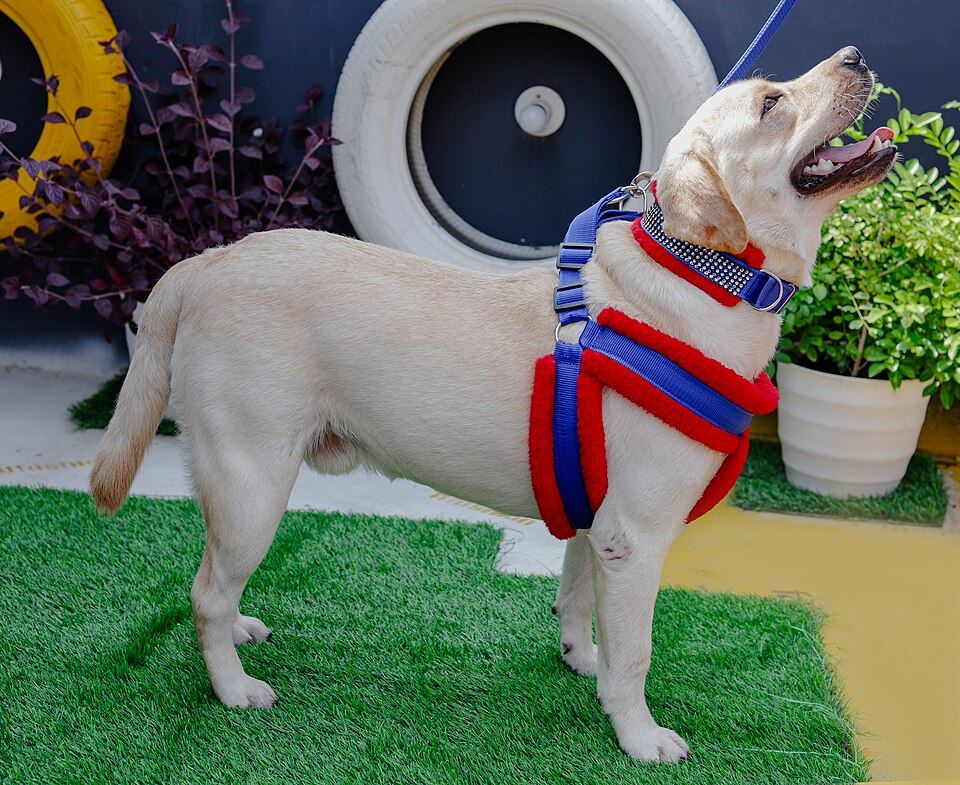
The dog harness vs collar which is better argument really comes down to job description. A collar holds the ID tag and is perfect for a quick backyard toilet break. A harness takes the strain off the neck on a real walk, especially for a puller like Biscuit. My final setup is both: collar for identity, harness for exercise. If you only buy one and your dog pulls or has a delicate throat, make it the harness — the collar alone was the thing giving him that awful coughing gag.
I'll add the caveat I give every new owner: neither tool teaches manners. Biscuit still needed training, and the collar kept his ID on even at home. Treat them as a team, not a competition, and the decision gets easy — one for identity, one for control, and both doing a job the other can't.
Cheap vs premium: where the money actually goes
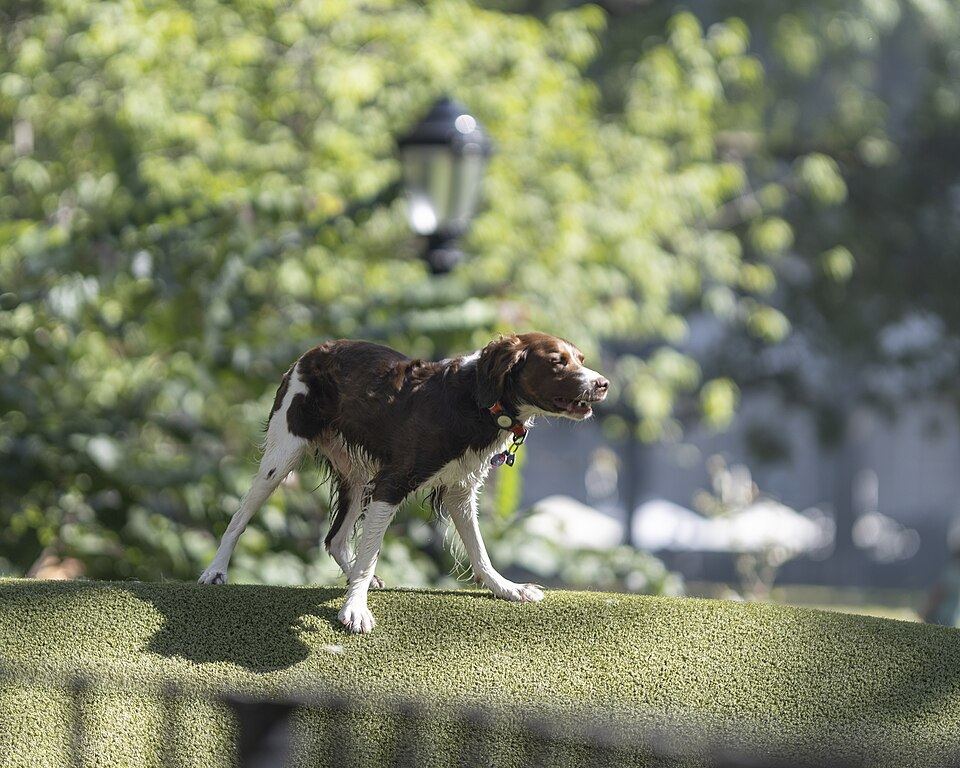
The cheap vs premium dog harness Australia divide isn't about the fabric, it's about the hardware. My budget Kmart special had a clip that developed play after two months; my local premium pick still clicks like new after a year of daily abuse. You're paying for buckles that don't fail when your dog lunges at a possum. That said, an expensive harness that's the wrong size is worthless. Spend on fit first, then on build quality — never the other way around.
The premium perk nobody mentions is the warranty. When a buckle on my good harness finally gave after eighteen months, the maker posted a free replacement. The cheap bin offered no such luck. Per year of use, the "expensive" harness actually cost me less than the three budget ones it outlived — the maths only looks scary on the ticket price.
- The cheap and premium gap is the hardware, not the fabric.
- A budget clip can develop play after just two months of use.
- Spend on fit first, then on build quality, never the reverse.
- The premium perk is a warranty that sent a free replacement.
Step-in vs overhead, final verdict
On the step in vs overhead harness question, I've landed firmly on "it depends on the animal". Biscuit happily takes an overhead style; Willow, being head-shy, only accepts step-in. If you've got a wriggly or anxious pet, step-in removes the struggle of anything near the face. Confident dogs rarely care. Try both if you can return easily, but don't force a head-shy pet into overhead out of stubbornness — I learned that the loud way.
I've also noticed step-in styles suit rainy mornings better — no fumbling a wet strap over a wriggling head while the rain pools in your collar. Small comforts add up over a year of walks, and the dog who cooperates at the door is the one who walks nicely at the park.
Stopping the pull
For how to stop a dog pulling with harness tactics, the front-clip design remains my winner, and the best no pull harness review Australia discussions back that up. It redirected Biscuit's energy without hurting him, and combined with treats the habit faded in weeks. The honest line I'll repeat: a no-pull harness is a training tool, not a replacement for teaching. Expect to do the work; the gear just makes it kinder.
Consistency mattered more than the brand. Some days Biscuit still tests me, and on those walks the front-clip simply limits the damage while I reset and reward the good moments. The best no pull harness review Australia will tell you the same: the tool buys you patience, not a miracle.
The cat conclusion
Willow's chapter deserves its own line. The escape proof cat harness review Australia options I tried were solid, but only after I followed the cat harness review Australia 2026 advice to practise indoors for a week. An escape proof cat harness review Australia "win" means nothing if you skip that step — she slipped the first one in ninety seconds because I rushed outside. Patience turned a Houdini act into calm balcony time.
For Willow, the vest-style escape-proof models gave me the most peace of mind, while the thin string types let her wriggle far too easily. The lesson from every cat harness review Australia 2026 thread is the same: snug fit plus indoor practice beats fancy features, so I no longer chase the cleverest clip on the shelf.
My final 2026 picks
If you want the short version of this dog harness buying guide 2026: for a strong puller, a local front-clip harness with metal hardware; for a small or shy dog, a lightweight step-in; for summer, a mesh panel in a light colour; for cats, a snug escape-proof vest worn indoors first. Keep the dog harness essentials checklist handy — two correct measurements, adjustable straps, a front clip, breathable fabric, secure buckles, reflective trim — and you've covered every mistake I made so you don't have to.
If budget is tight, prioritise the front-clip and a correct fit over brand prestige — a well-fitted affordable harness beats a premium one that's too loose. My Sunday habit is a five-minute gear check: buckles clicked, straps adjusted. The worst time to find a fault is halfway down the street, so I never skip it.
— From a once-overwhelmed pet parent who finally figured it out, hoping your learning curve is a little shorter than mine.
Frequently Asked Questions
Harness or collar, which should I buy?
If your dog pulls or has a delicate throat, make it the harness; the collar alone was what caused the coughing. Keep a collar for the ID tag and a harness for the walk, and treat them as a team.
Is premium worth the extra money?
The money goes into hardware that does not fail mid-walk, plus a warranty that replaces a cracked buckle. Per year of use, a good harness often costs less than the cheap ones it outlives.
Step-in or overhead for an anxious pet?
Step-in removes the struggle of anything near the face, so it suits wriggly or head-shy animals. Confident dogs rarely care, and you can try both if the store allows easy returns.
How do I actually stop the pulling?
A front-clip harness plus consistency and treats is the kinder method, and it buys you patience while the habit fades. The gear makes it gentler, but you still have to do the training work.
What is your final cat harness advice?
Choose a snug escape-proof vest and practise indoors for a week before any outing. A clever cat will slip a new harness in seconds if you rush outside, so the familiarisation step is not optional.
Size & Fit Reference
| Size | Chest girth | Neck | Weight | Best for |
|---|---|---|---|---|
| XS | 30–40 cm | 23–31 cm | 1.5–2.5 kg | Toy breeds, puppies, small cats |
| S | 40–50 cm | 30–38 cm | 2.5–4 kg | Chihuahua, small cat |
| M | 50–60 cm | 36–44 cm | 4–6 kg | Cavoodle, large cat |
| L | 60–70 cm | 42–50 cm | 6–9 kg | Kelpie cross, small Terrier |
| XL | 70–85 cm | 50–60 cm | 9–14 kg | Medium working breeds |
Looking for dog harnesses?
We stock the gear covered in this guide, with Australia-wide shipping and Afterpay at checkout.
Popular in this range: breathable step-in harness
Shop Harnesses at Paws of Oz