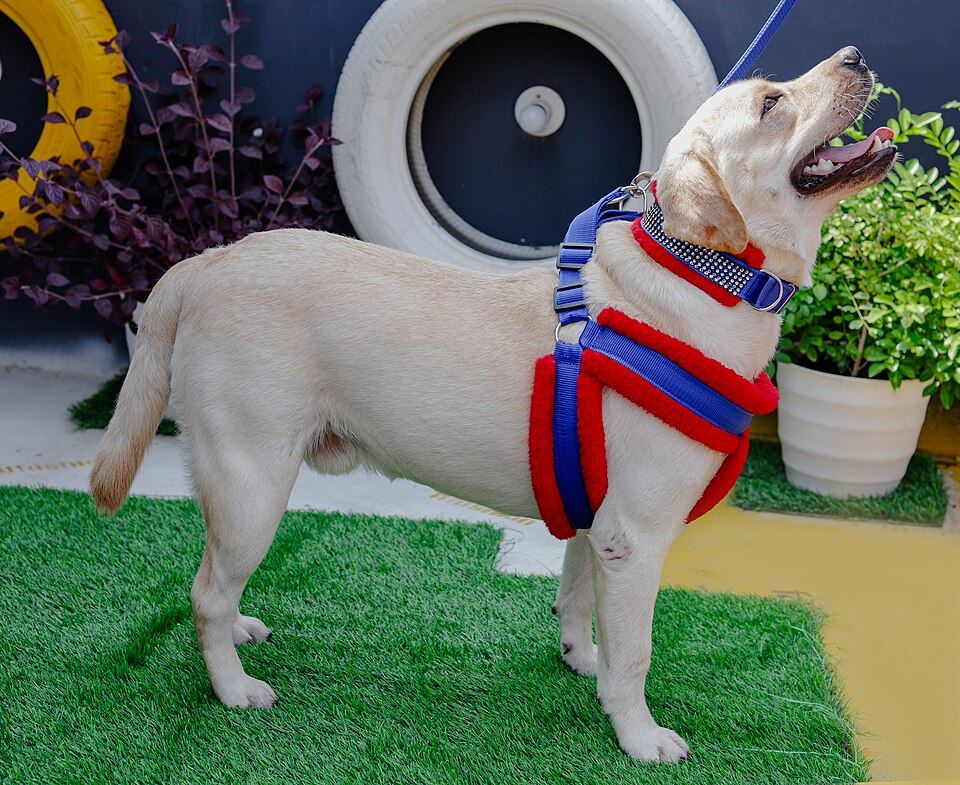
Keeping My Dog Safe in the Car: Why a Harness Beats a Loose Lead
Short answer: a harness beats a loose lead in the car, because I clipped Buster to a flat collar for two years until a wet highway outside Newcastle showed me how casual that was. The truth is the clip-in keeps him from becoming a projectile, and the same idea helps on trails, hands-free runs and dark evenings where reflective trim wraps the setup. For a reactive dog the back handle lifts him over obstacles, so skip the bungee lead that snaps.
When I first started driving with my dog Buster, I did what a lot of us do. I clipped his lead to his flat collar, told him to sit on the back seat, and figured that was good enough. He was a calm boy, the lead kept him from jumping into the front, and I'd never thought much harder about it. That setup lasted about two years, and looking back, it scares me how casual I was about something that turned out to be genuinely dangerous.
The real wake-up call came on a wet highway outside Newcastle. I braked harder than usual for a slow truck, and Buster slid off the seat, the collar lead yanking tight around his neck as he scrambled to stay upright. He wasn't hurt, but the look on his face told me everything I needed to know about how unsafe that loose lead actually was. A lead clipped to a collar does nothing in a real stop except choke the dog you're trying to protect. That week, I went looking for a proper dog harness for car travel, and it genuinely changed how we get around.
Why a car harness beats a collar every time
The thing nobody tells you is that a dog car harness seatbelt Australia setup works by spreading the force across the dog's chest, not their throat. Buster's harness has a loop that slides over the existing seatbelt, so when I brake, he's held by his body, not his neck. The first trip with it, he actually relaxed more, because he wasn't bracing against a collar the whole drive. If you're shopping, look for something rated for the weight of your dog and check that the seatbelt attachment is metal, not flimsy plastic that'll bend the first time it matters.
For me, a dog harness for car travel isn't just about accidents. It's about not having a 30-kilo dog suddenly in your lap at a roundabout. The harness keeps Buster in the back, and the seatbelt clip means he can't charge the door the second I open it at a servo. That alone has saved us a dozen near-escapes, and honestly it makes the drive less stressful for both of us.
- A harness spreads the force across the chest, not the throat.
- The loop slides over the existing seatbelt to hold the dog.
- Look for a harness rated for your dog's weight before buying.
- Check the seatbelt attachment is metal, not flimsy plastic.
- It keeps a big dog in the back instead of in your lap.
Taking the same idea onto the trails
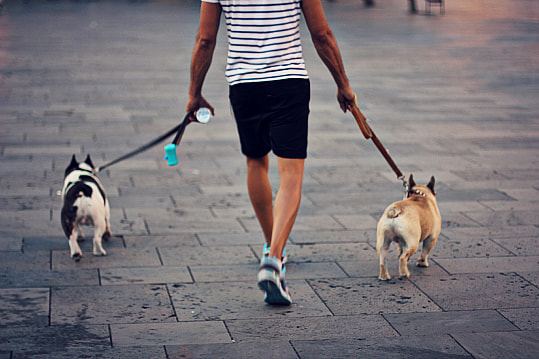
Once I trusted the harness in the car, I started using a hiking harness for dogs trails on our weekend walks, and the difference was obvious straight away. A good dog harness for hiking has a handle on the back, which sounds minor until your dog slips near a cliff edge and you need to lift them up fast. We do a lot of the Blue Mountains tracks, and that handle has been the difference between a scary moment and a bad one more than once.
Hands-free runs changed our mornings
I never thought I'd be a running-with-my-dog person, but a hands free dog running harness made it possible. The waist belt clips to the harness, so I'm not juggling a lead while trying to keep my own pace. Buster loves it, and a proper dog harness for running has a front clip that stops him from veering into traffic when a kangaroo bolts across the path.
The front-clip design is the trick. Instead of pulling me over when he spots something, the harness turns his body back toward me. It took two mornings for him to learn that pulling gets him nowhere, and now our runs are the calmest part of my week.
When the sun goes down

Winter in Australia means dark mornings and early evenings, so a night walk reflective harness became non-negotiable. I added a reflective dog harness strip to his gear, and on our 5pm loop through the suburb, I can see him clearly from halfway down the street when headlights hit him. It's not just for me, it's for the cars that don't expect a dog on the footpath at that hour.
For the reactive dogs out there
My sister's dog is the opposite of Buster, a harness for reactive dogs is the only thing that makes their walks manageable. Her boy lunges at other dogs, and a collar just makes him panic harder. The harness gives her control at the chest without adding to his stress, and the padded front means he doesn't associate walks with neck pain. If your dog reacts, skip the collar entirely and go straight to a well-fitted harness.
What I'd tell a mate
If you'd asked me three years ago, I'd have said a lead is a lead. I was wrong. The right dog harness for car travel, a solid hiking harness for dogs trails, and a night walk reflective harness have made Buster safer and my life easier in ways I didn't expect. Start with the car, because that's where the real risk is, and build from there. The trail and running gear is a bonus that pays off the first time you need your hands free or your dog needs lifting.
Anyway, that's my two cents. Get the harness, clip it in properly, and take your dog somewhere good. They'll thank you for it, even if they can't say it.
— Written by a tired but happy dog dad in NSW.
Frequently Asked Questions
Is a car harness safer than a collar?
Much. A car harness spreads braking force across the chest instead of the throat, so your dog isn't choked in a sudden stop, and it keeps them in the back seat.
What should I look for in a dog car harness?
A seatbelt attachment that slides over your existing belt, rated for your dog's weight, with a metal (not plastic) clip that won't bend in a real stop.
Can a car harness double as trail gear?
Yes. The same seatbelt loop works as a tie-out at lunch stops, so you carry less. A hiking harness adds a back handle to lift your dog over obstacles.
What makes a good hands-free running harness?
A waist belt plus a front-clip harness that steers your dog back when they surge, so they don't veer into traffic. Skip bungee leads that snap back.
Why do I need a reflective harness at night?
On dark Australian mornings and evenings, reflective trim lets drivers see your dog from far away. Look for a strip that wraps the whole harness, not just one shoulder.
Size & Fit Reference
| Size | Chest girth | Neck | Weight | Best for |
|---|---|---|---|---|
| XS | 30–40 cm | 23–31 cm | 1.5–2.5 kg | Toy breeds, puppies, small cats |
| S | 40–50 cm | 30–38 cm | 2.5–4 kg | Chihuahua, small cat |
| M | 50–60 cm | 36–44 cm | 4–6 kg | Cavoodle, large cat |
| L | 60–70 cm | 42–50 cm | 6–9 kg | Kelpie cross, small Terrier |
| XL | 70–85 cm | 50–60 cm | 9–14 kg | Medium working breeds |
Looking for dog harnesses?
We stock the gear covered in this guide, with Australia-wide shipping and Afterpay at checkout.
Popular in this range: breathable step-in harness
Shop Harnesses at Paws of Oz