
Mesh, Padded or Vest? A No-Nonsense Look at Harness Materials
Short answer: the material matters more than the shape, because my pup Pepper chewed a cheap nylon strap halfway through a hot January walk once the fabric cooked her. Here's the split: a breathable mesh dog harness is survival in Australian heat, padding earns its place on long sessions, and a vest spreads pressure evenly for control. Keep two in rotation and rinse salt off after beach runs, because the wrong fabric is the difference between a happy walk and a miserable one.
Everyone talks about harness shape, step-in, overhead, vest, but the thing that actually changed my dog's mood on walks was the material. I learned this the hard way when my pup, Pepper, started chewing at a cheap nylon strap halfway through a hot January walk and I realised the fabric was cooking her. So let's skip the fluff and talk about what mesh, padding and vest construction each really do, because the wrong material is the difference between a happy walk and a miserable one.
Breathable mesh for Australian summers
If you live anywhere that hits real heat, the breathable mesh dog harness is not a luxury, it's basic survival for your dog. Mesh is the light, holey fabric that lets air move straight through, so the chest doesn't turn into a sweat patch. On our 35-degree morning walks, Pepper in a mesh dog harness pants less, pulls less, and actually wants to keep going instead of flopping in the shade.
The trade-off is that thin mesh gives less structure, so it's brilliant for calm, well-mannered walking but not the best for a dog that yanks hard at the front. For everyday strolls in the heat, though, I reach for mesh every time. It also dries fast after a beach trip, which wins it points in my book.
Soft padded for comfort on long sessions
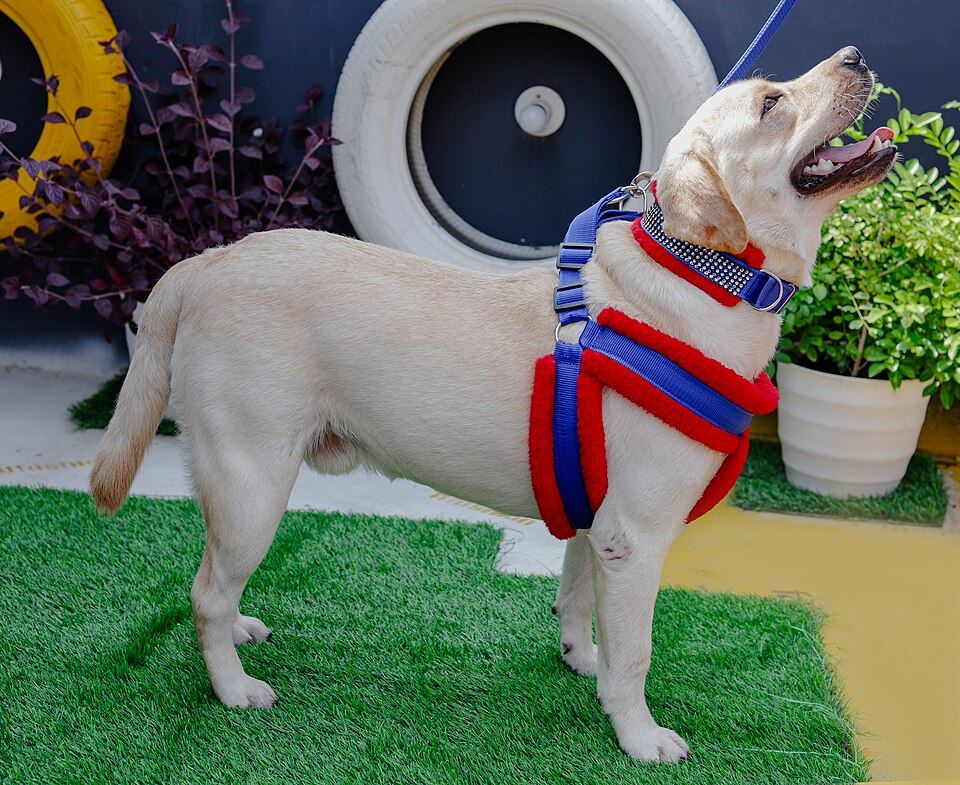
The other fabric I lean on is padding, and a soft padded dog harness is what Pepper wears for longer training days. The padding sits between the strap and her skin, so the rub points that made her bite at the step-in simply aren't there. A padded dog harness spreads the pressure and feels cushioned, which matters when a session runs past twenty minutes and the straps would otherwise start to irritate.
I noticed the difference most around the armpits, that's where thin straps always rubbed raw. With padding there, Pepper stopped pausing to scratch mid-walk. Comfort sounds soft, but it's actually the thing that keeps a dog from developing a hatred of the harness, and that hatred is hard to undo once it sets in.
Vest style for control and even pressure
Then there's the vest style dog harness, which isn't a fabric so much as a construction method, but the material choice inside it is what makes or breaks it. A good vest uses a wider panel of either padded or mesh fabric across the chest, spreading any tug evenly instead of concentrating it on the throat. For dog harness for puppy training, that even pressure is the kindest way to teach a pup not to pull, because it doesn't punish the trachea.
I run a step in dog harness version of the vest for quick trips, and an overhead dog harness vest for busier streets where I want maximum control. The step in vs overhead harness question still applies here, the material is the same, but the way you get it on changes the daily routine. For Pepper, step-in wins at home, overhead wins in chaos.

Matching material to your puppy
If you're starting fresh, a puppy harness and lead in soft padded mesh is the sweet spot, light enough for a small body, padded enough that the tiny joints stay happy. Puppies grow fast, so I sized with one adjustment notch to spare and checked the fit every couple of weeks. A too-tight puppy harness rubs before you notice, and a too-loose one teaches them they can slip, so the fit check is non-negotiable.
For dog harness for puppy training specifically, I'd avoid stiff, heavy nylon on a young dog. Their skin is delicate and their walks are short, so a breathable mesh dog harness with a little padding at the edges is ideal. Save the heavy-duty padded vest for when they've got the size and the strength to need it.
My actual rotation
People ask me which one to buy, and the honest answer is you probably want two. A mesh dog harness for summer and a soft padded dog harness vest for everything else. Pepper's daily driver ended up being a padded vest, because it covers comfort and control in one, and I keep a plain mesh step-in in the car for spontaneous beach runs.
So don't just buy the prettiest strap. Think about your climate first, then your dog's skin, then the control you need. Mesh for heat, padded for comfort, vest for control, and a puppy harness and lead that grows with them. Once I matched the material to Pepper instead of the other way around, our walks got longer, calmer, and a whole lot more fun, and honestly that's the whole point.
A quick word on care, because material choice affects it. Mesh rinses clean in the laundry tub and dries on the line by morning, while a thicker padded dog harness needs a proper wash and a full day to dry, so I keep two in the rotation. Salt from beach runs will rot weak stitching faster than you'd think, so I rinse Pepper's after every swim. Treat the harness like the kit it is, not a forever purchase, and it'll look after her properly through the puppy phase and well beyond. The right material isn't the one with the best photo, it's the one you'll actually keep clean and reach for every single day.
— From me and Pepper, matching the gear to the dog, not the trend.
- A mesh harness is the pick for hot Australian summer days.
- A soft padded vest is the daily driver for comfort and control.
- A plain mesh step-in lives in the car for spontaneous beach runs.
- Mesh rinses clean fast; padded harness needs a full day to dry.
- Rinse the harness after every swim to stop salt rotting stitching.
Frequently Asked Questions
Is a mesh harness good for summer?
Yes. Breathable mesh lets air through so the chest doesn't overheat, and it dries fast after beach trips. It's best for calm walking rather than hard pulling.
When should I choose a padded harness?
For longer sessions or dogs that rub at thin straps. Padding sits between strap and skin, removing the armpit rub points that make dogs hate the harness.
What does a vest style do?
It's a construction that spreads any tug evenly across a wide chest panel instead of the throat, which is the kindest way to teach a pup not to pull.
What material is best for a puppy?
A soft padded mesh is the sweet spot, light for a small body and gentle on delicate skin. Avoid stiff heavy nylon on a young dog.
How do I care for a harness?
Rinse mesh after swims and line-dry; padded vests need a gentle wash and a full day to dry. Keep two in rotation so one is always clean, and rinse salt off after beach runs.
Size & Fit Reference
| Size | Chest girth | Neck | Weight | Best for |
|---|---|---|---|---|
| XS | 30–40 cm | 23–31 cm | 1.5–2.5 kg | Toy breeds, puppies, small cats |
| S | 40–50 cm | 30–38 cm | 2.5–4 kg | Chihuahua, small cat |
| M | 50–60 cm | 36–44 cm | 4–6 kg | Cavoodle, large cat |
| L | 60–70 cm | 42–50 cm | 6–9 kg | Kelpie cross, small Terrier |
| XL | 70–85 cm | 50–60 cm | 9–14 kg | Medium working breeds |
Looking for dog harnesses?
We stock the gear covered in this guide, with Australia-wide shipping and Afterpay at checkout.
Popular in this range: breathable step-in harness
Shop Harnesses at Paws of Oz