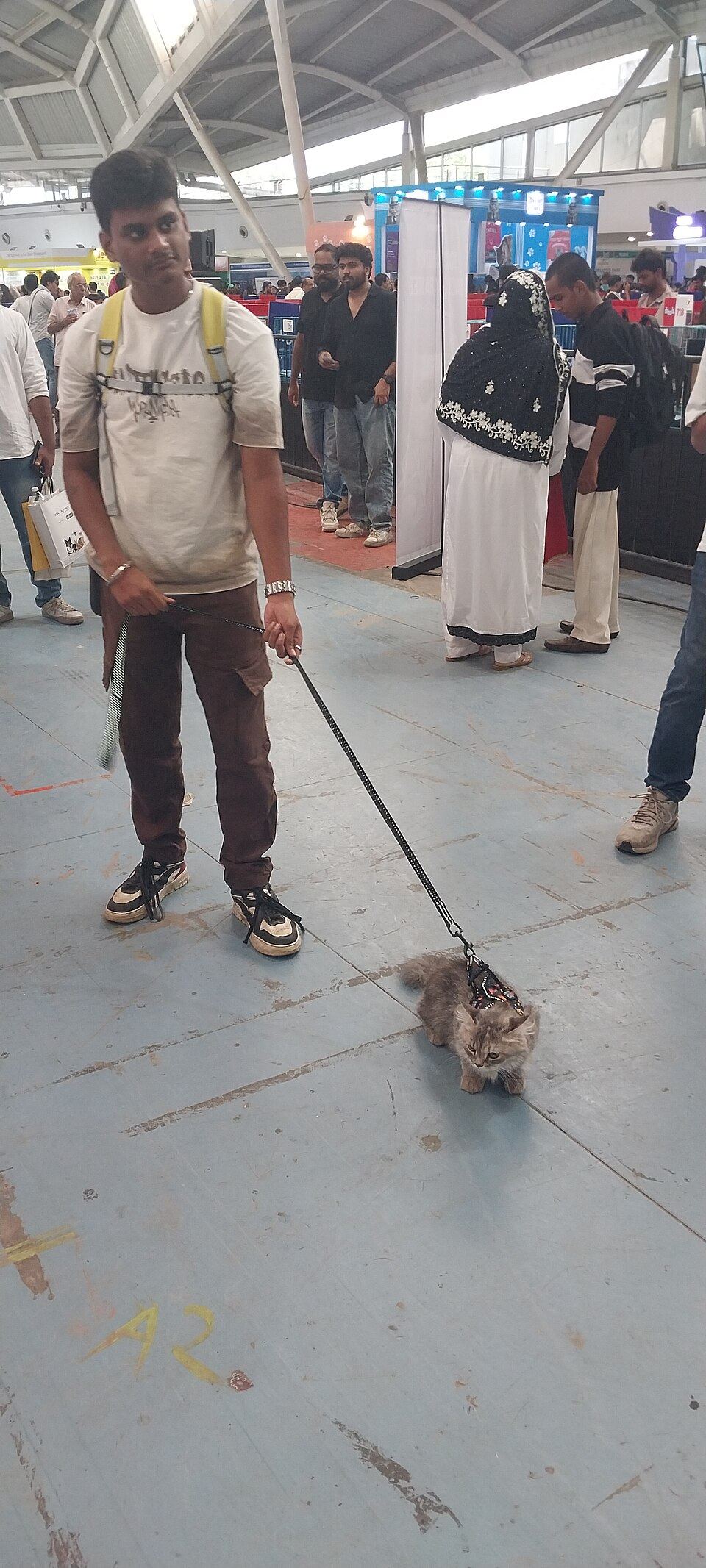
My Dog Used to Yank Me Down the Street — Here's the Front-Clip Harness That Changed It
Short answer: a front-clip no-pull harness stopped Archie yanking me down the street, because the lead on his chest turned a twelve-kilo cattle dog into something I could steer. Here's the surprise: the change was instant enough to nearly cry in the car park, after a collar and back-clip style did nothing the moment he spotted a bird. Pair it with a shock-absorbing lead and introduce it slowly on a pup with treats, since pressing a soft throat while growth plates are young is the mistake to avoid.
There's a particular kind of humiliation that comes from being dragged face-first into a rosemary bush by a twelve-kilo cattle dog. That was my Tuesday for most of last winter. Archie wasn't being aggressive, he was just enthusiastic, and my shoulder was paying the price. I'd tried a regular collar, then a back-clip harness, and neither did a thing because the moment he saw a bird his whole body became a locomotive. What finally worked was a no pull dog harness with the lead attachment sitting on his chest, and the difference was instant enough that I nearly cried in the parking lot. This is the story of how a front clip dog harness gave us our walks back, and what I learned about the gear along the way.
I'd spent weeks googling dog pulling on lead solutions at midnight, half-convinced my dog was broken. He wasn't. He was just a working breed with a job title and no job. The lead was his only outlet, so he treated it like a tug toy. The fix wasn't punishing the pull, it was changing the mechanics so the pull worked against him instead of against my rotator cuff.
Why a front clip actually works
On a normal back-clip harness, the lead sits between the shoulders, so when your dog surges forward, nothing stops the momentum. A no pull front clip harness puts the ring on the chest. When Archie pulled, the pressure steered him sideways toward me instead of letting him win the forward race. It's not pain, it's physics. He'd take a step, feel the gentle redirect, and swing back to check what I wanted. Within a few walks the lunging dropped from constant to occasional, and the occasional became rare. If you're researching how to stop dog pulling on lead habits, the front clip is the single most effective tool I found that didn't involve yanking him back.
The dual clip option I landed on
After the front clip won me over, I upgraded to a dual clip dog harness with rings on both the chest and the back. Now I clip the lead to the front for training walks and to the back for relaxed sniffaris where I trust him. Having both means one piece of gear grows with your progress, which is exactly what a dog training harness no pull setup should do. You're not buying a miracle, you're buying a tool that rewards consistency. On beach days I use the back clip and let him roam the long line; on footpath days the front clip keeps us sane.
Front clip harness how to use it properly
The front clip harness how to use part matters more than people think. Fit it snug, the chest strap should sit behind the front legs without rubbing the armpits, and the shoulder straps shouldn't cross the joint. When he pulls, don't yank, just keep walking and let the redirect do the work, then reward the moment he's back at your side. I carried a treat pouch for a month and praised every loose-lead step. The harness sets the condition, but the treats are what teaches him the new default.
- Fit the chest strap snug, behind the front legs, not the armpits.
- When he pulls, keep walking and let the redirect work.
- Reward the moment he is back at your side, every time.
- Carry a treat pouch and praise every loose-lead step.
What about puppies?
If you've got a baby dog, the best no pull harness for puppies is a lightweight, padded front-clip model that you introduce slowly. Puppies have soft growth plates, so avoid anything that presses on the throat, and keep sessions short and full of chicken. Archie was nearly two before we started, but looking back I'd have begun the gentle version at four months. The habit forms early, and a pup who learns that pulling goes nowhere is a teenager who doesn't wreck your shoulder.
Gentle leader vs no pull harness
People always ask me about the headcollar, so here's my honest gentle leader vs no pull harness take. A gentle leader loops around the muzzle and gives you steering control like a horse's bridle. It's effective, but some dogs hate the feeling on their face and will rub it off on the pavement. The front-clip harness is less precise but far more tolerated, and for a dog who just needs to stop yanking, it does the job without the drama. I tried a headcollar on Archie for a week; he tolerated it, but the harness made him happier and the results were close enough that I stuck with it. If your dog is a serious puller and the harness alone isn't enough, the headcollar is a fair next step worth discussing with a trainer.
The mistake that almost made me quit
One thing I'd shout from the rooftops: don't expect the harness to do the teaching while you scroll your phone at the end of the lead. The gear redirects, but the dog learns from the reward that follows the redirect. The nights I was lazy and just let the chest clip spin Archie in circles without praising the recovery, he made zero progress and actually got more frustrated. The nights I was present, marked the slack lead, and paid him, he improved in front of my eyes. A no pull front clip harness is an amplifier of your training, not a replacement for it, and treating it like a set-and-forget gadget is the fastest way to feel like it failed you when really you just stopped showing up.
If your dog is currently winning every tug-of-war, please know it's not a failing on your part. The right front-clip harness just changes the rules of the game, and suddenly you're both on the same team. Archie and I now walk three kilometres a day without a single rosemary incident. — a relieved human in Perth.
Frequently Asked Questions
How does a front-clip harness stop pulling?
The lead ring sits on the chest, so when your dog surges forward the pressure steers them sideways toward you instead of letting them win the forward race. It's physics, not pain.
Front-clip or dual-clip — which should I buy?
A dual-clip harness with rings on both chest and back is the better long-term buy. Use the front for training walks and the back for relaxed sniffaris, so one piece of gear grows with your dog's manners.
How do I use a front-clip harness correctly?
Fit it snug so the chest strap sits behind the front legs without rubbing. When your dog pulls, keep walking and let the redirect work, then reward the moment they're back at your side.
Can I use a front-clip harness on a puppy?
Yes, choose a lightweight padded front-clip model and introduce it slowly with short, treat-filled sessions. Avoid anything that presses on the throat while growth plates are soft.
Gentle leader vs no-pull harness — which is better?
A headcollar gives precise steering but many dogs fight the muzzle loop. A front-clip harness is gentler on the face and handles everyday pulling for most dogs. Try the harness first, then consider a headcollar with a trainer if needed.
Size & Fit Reference
| Size | Chest girth | Neck | Weight | Best for |
|---|---|---|---|---|
| XS | 30–40 cm | 23–31 cm | 1.5–2.5 kg | Toy breeds, puppies, small cats |
| S | 40–50 cm | 30–38 cm | 2.5–4 kg | Chihuahua, small cat |
| M | 50–60 cm | 36–44 cm | 4–6 kg | Cavoodle, large cat |
| L | 60–70 cm | 42–50 cm | 6–9 kg | Kelpie cross, small Terrier |
| XL | 70–85 cm | 50–60 cm | 9–14 kg | Medium working breeds |
Looking for dog harnesses?
We stock the gear covered in this guide, with Australia-wide shipping and Afterpay at checkout.
Popular in this range: breathable step-in harness
Shop Harnesses at Paws of Oz