
Step-In vs Overhead vs Vest: How I Finally Picked the Right Harness Style
Short answer: the step-in harness saved my sanity with Pepper the border collie pup, because she hated anything near her head and a flat fit let her step in calmly. The truth is the overhead classic took patience and the vest is the one that stuck, spreading pull across the chest so she settled. Fit snug at the chest and loose at the neck with two fingers of slack, and keep mesh for hot days and padded for longer walks, because the style only works once the fabric matches.
When I brought home my border collie pup, Pepper, the pet shop aisle nearly broke me. There were straps going every direction, buckles I couldn't figure out, and at least six styles that all looked the same in the photos. I ended up buying one of each of the main types just to see which my wriggly little tornado would actually tolerate. If you're stuck like I was, here's the honest, muddy-boots version of how the three big styles compare.
The step-in dog harness: easiest on a puppy who hates heads
The first one I tried was a step in dog harness, and honestly it saved my sanity in those early weeks. You lay it flat on the ground, guide the pup's front paws through the two holes, and clip it over the back. No wrestling a strap over her head, which Pepper, being head-shy, absolutely hated with the others. For a new dog owner, that simplicity is worth its weight in gold.
The catch is that a basic step-in can be easier to slip if your dog learns to throw her weight back, so I paired it with a well-fitted lead and kept the clips double-checked. For a puppy harness and lead starter kit, though, step-in is the gentlest intro I found, and Pepper walked in it like she'd been doing it her whole life.

The overhead dog harness: the classic that took patience
Next up was the overhead dog harness, the one you slip over the head like a jumper and then buckle under the belly. Pepper tolerated it, but the head-on part was a daily negotiation. Once it was on, though, it sat really securely and gave me good control on busy footpaths, which matters when your pup thinks every leaf is worth chasing.
This is the heart of the step in vs overhead harness debate, and my take is simple: step-in wins for ease and for head-shy dogs, overhead wins for a locked-in feel once your dog is used to it. If you've got a calm adult dog, overhead is brilliant. For a squirming puppy, it's a workout.
The vest style dog harness: the one that finally stuck
The style that ended up living on Pepper permanently was the vest style dog harness. It covers more of the chest and torso, spreads pressure evenly, and gave me the most confident control when she spotted a skateboard and decided we must investigate. It looks a bit like a little jacket, and she seemed to settle down the moment it was on, almost like a thunder-shirt effect.
For dog harness for puppy training, I now recommend vest style as the long-term pick. It's the most secure, the kindest on a developing trachea, and it grows with adjustable straps. The only downside is it's warmer, which is exactly where material comes in, and that's a whole other decision.
Mesh vs padded: what the fabric actually does
While testing shapes, I was also testing fabrics, because the two questions are tangled. The mesh dog harness version I tried was feather-light and kept Pepper cool on our summer-morning runs, which is a big deal in an Australian summer. A breathable mesh dog harness is my go-to for hot days, no question, because a sweaty pup is a grumpy pup.
On the other hand, the padded dog harness and the soft padded dog harness versions were the ones she wore longest without fussing at the straps. The padding sits against the skin and stops the rub points that made her bite at the step-in. For short, hot walks I reach for mesh; for longer training sessions and cooler evenings I reach for padding.
How I finally chose
After a month of swapping, here's what stuck in my head. Step-in is the low-drama starter. Overhead is the secure classic once your dog trusts the process. Vest is the everyday winner for control and comfort. And the fabric? Mesh for heat, padded for comfort, and honestly a padded vest became my default because Pepper got both.
If you're standing in that same aisle, grab a puppy harness and lead in a step-in shape to start, then move to a vest style dog harness with a soft padded dog harness lining as they grow. The step in vs overhead harness choice matters less than just getting a fit that's snug at the chest and loose at the neck, because that's what keeps the pulling pressure off the throat.
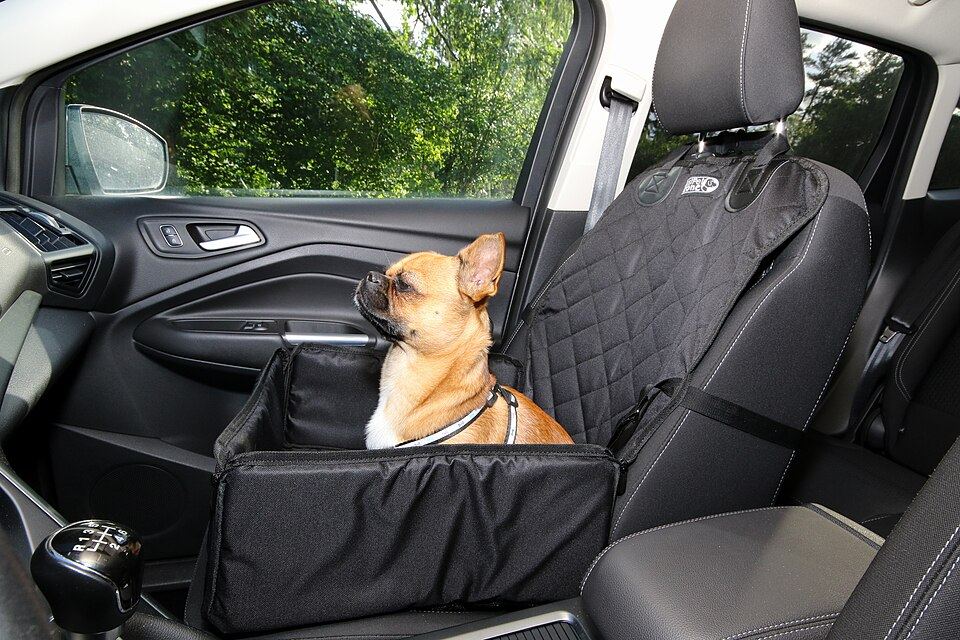
I'll admit I kept all three for a while, and even now the step-in lives in the car for quick vet trips. But the padded vest is the one Pepper perks up for, the one that means walk time. Picking the right style isn't about finding the single perfect harness, it's about matching the shape to your dog's personality and your climate. Once I stopped overthinking and just watched what Pepper tolerated, the choice got easy.
One practical note nobody mentions: wash the thing. A mesh dog harness rinses out in seconds and a soft padded dog harness needs a gentle cycle, but either way a grimy strap starts to smell and your dog will notice. I keep two on rotation so one is always clean and dry, which also means Pepper never waits by the door for a harness that's still dripping. Build that small habit early and the gear lasts twice as long.
— From me and Pepper, still testing gear so you don't have to.
- Step-in is the low-drama starter for a puppy.
- Overhead is the secure classic once trusted.
- Vest is the everyday winner for control.
- Choose mesh for heat and padded for comfort.
- A snug chest and loose neck keeps pull off the throat.
Frequently Asked Questions
What's the difference between step-in and overhead harnesses?
A step-in has your dog step into two loops and you clip over the back, great for head-shy dogs. An overhead slips over the head like a jumper and buckles underneath for a locked-in feel once your dog tolerates it.
Which style is best for a puppy?
Start with a step-in for low drama, then move to a padded vest as they grow. The vest spreads pressure evenly and is kindest on a developing trachea.
Is a vest harness better than a strap harness?
For everyday control and comfort, yes. A vest covers more of the chest, distributes pull, and settles many dogs. Strap styles are lighter but concentrate pressure more.
Mesh or padded fabric — which should I choose?
Mesh for hot Australian days because it's light and fast-drying; padded for longer or cooler sessions because it stops rub points. Many owners keep one of each.
How should a harness fit?
Snug at the chest and loose at the neck, with two fingers of slack under every strap. That keeps pulling pressure off the throat and prevents chafing.
Size & Fit Reference
| Size | Chest girth | Neck | Weight | Best for |
|---|---|---|---|---|
| XS | 30–40 cm | 23–31 cm | 1.5–2.5 kg | Toy breeds, puppies, small cats |
| S | 40–50 cm | 30–38 cm | 2.5–4 kg | Chihuahua, small cat |
| M | 50–60 cm | 36–44 cm | 4–6 kg | Cavoodle, large cat |
| L | 60–70 cm | 42–50 cm | 6–9 kg | Kelpie cross, small Terrier |
| XL | 70–85 cm | 50–60 cm | 9–14 kg | Medium working breeds |
Looking for dog harnesses?
We stock the gear covered in this guide, with Australia-wide shipping and Afterpay at checkout.
Popular in this range: breathable step-in harness
Shop Harnesses at Paws of Oz