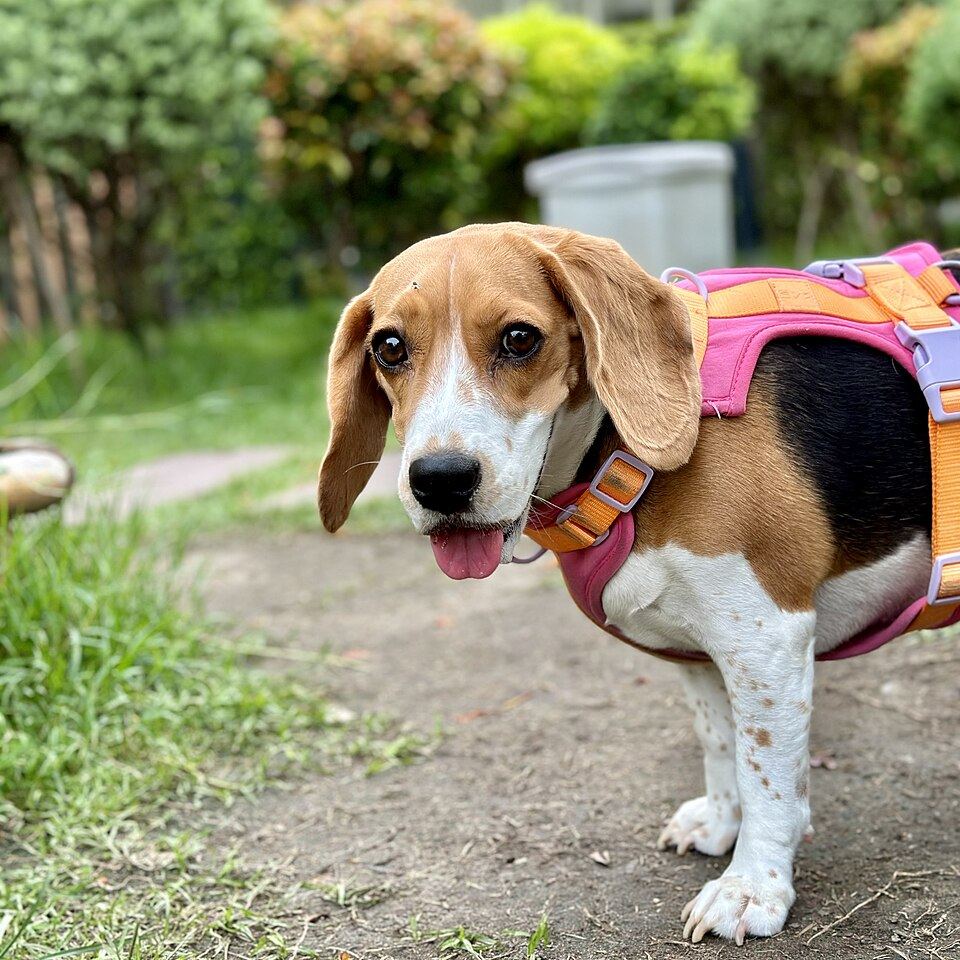
The No-Pull Training Toolkit: Front-Clip Harness, Patience and a Lot of Treats
Short answer: the gadget is only a third of the fix, because after a year with Archie the harness only handles the physics while your routine and a fistful of treats supply the reason to care. You should reach for a dual-clip version, since a front ring suits busy footpaths and a back ring covers relaxed walks, so one piece grows with the training. A front-clip style comes first; if pulling persists after weeks, a headcollar under a trainer is the fair next step.
Everyone wants the gadget that fixes pulling overnight. I wanted it too. But after a year of working with my chaotic little cattle dog Archie, the honest truth is that the gadget is only a third of the story. The real toolkit is a no pull dog harness, a calm routine, and more treats than you think is reasonable. The harness does the heavy lifting on physics, but you supply the consistency, and the treats supply the reason for your dog to care. If you came here for a magic clip, stay anyway, because the magic is in how you use it, not just that you bought it.
I'd been down the dog pulling on lead solutions rabbit hole for months before it clicked that gear and method have to arrive together. A front clip dog harness without a plan is just an expensive jacket. A plan without the gear is just you getting yanked. Put them together and suddenly the walks get bearable, then good, then something you actually look forward to.
Set the harness up right
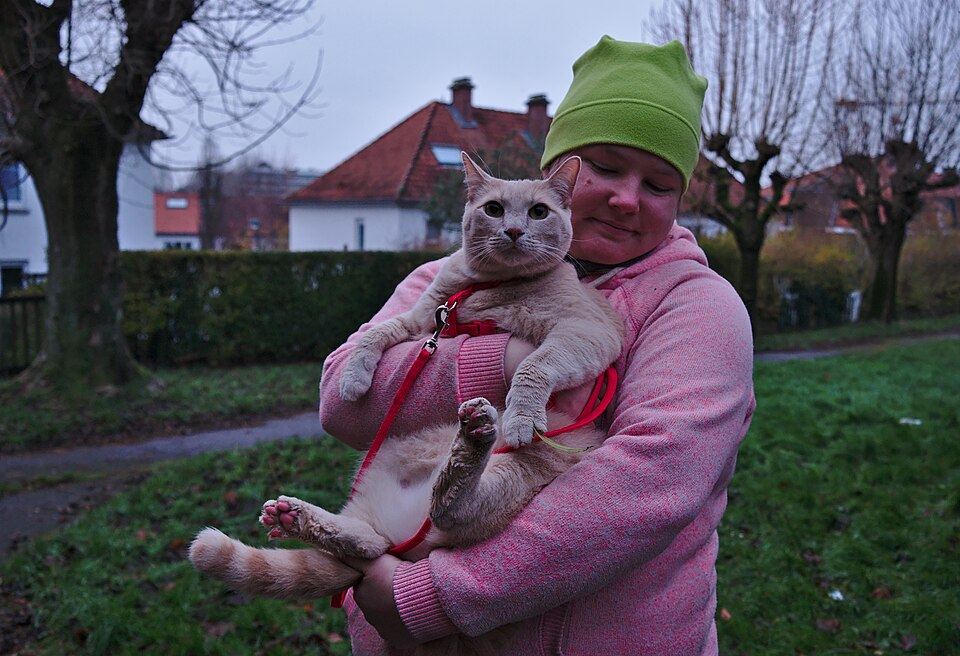
Fit comes first. The chest strap on a no pull front clip harness should sit just behind the front legs, snug enough that it can't rotate but loose enough for two fingers. The shoulder straps must clear the armpits so they don't chafe on a long walk. Before the first outing, do the two-finger test at the neck and chest, then let your dog wear it inside for ten minutes with dinner nearby. A dog training harness no pull setup fails most often because the dog was rushed, not because the product was wrong. I learned to treat the first week as practice, not proof.
- The chest strap sits just behind the front legs.
- Keep it snug but loose enough for two fingers.
- Shoulder straps must clear the armpits to avoid chafe.
- Do the two-finger test at the neck and chest first.
- Let your dog wear it inside for ten minutes at dinner.
Front clip harness how to use it day to day
Here's the front clip harness how to use routine that actually stuck for us. Clip the lead to the chest ring. The instant the lead goes slack, mark it and reward. When Archie pulled, I kept moving forward at a steady pace and let the chest clip turn him back toward me, no jerking, no scolding, just a redirection and a treat the moment he was beside me. Within a fortnight he started checking in on his own because checking in paid better than charging ahead. If you're studying how to stop dog pulling on lead habits, this loop, slack equals reward, pull equals nothing fun, is the entire engine.
Why I love the dual clip version
Once Archie got reliable, I switched to a dual clip dog harness and used the back ring for chill weekend walks where I trusted him off the pressure. The front ring stayed for busy footpaths and the vet carpark. One harness, two modes, and it grew with his manners instead of collecting dust. I'd tell any new owner to buy the dual clip from the start, it costs a little more but saves you a second purchase three months down the track when your dog improves.
Start puppies on the right foot
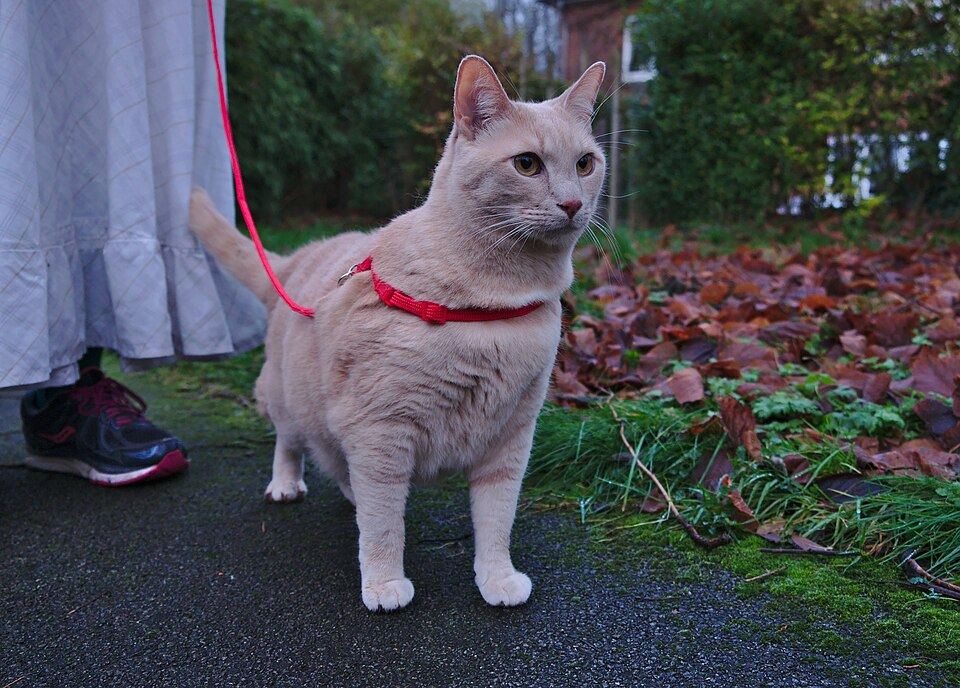
If you've got a baby dog, the best no pull harness for puppies is a soft, light front-clip model introduced slowly with play. Puppies learn lead manners fast because they have nothing to unlearn, so five minutes a day in the backyard beats a miserable half-hour on the street. Keep the strap off the throat, keep the sessions silly, and you'll raise a dog who thinks a loose lead is normal. Archie was an adult when we started, and I genuinely wish I'd known this approach for the puppy neighbours down the road.
Gentle leader vs no pull harness, my verdict
The gentle leader vs no pull harness question came up with my trainer, and here's where I landed. The headcollar gives precise steering by controlling the head, which is brilliant for a truly reckless puller, but plenty of dogs fight the muzzle loop and rub it raw on the ground. The front-clip harness is gentler on the face and easier for most dogs to accept, and for everyday pulling it gets you 90 percent of the way there. If the harness alone isn't enough after a few consistent weeks, a headcollar under a trainer's eye is a fair escalation. I kept the harness, and that was enough for us.
A realistic timeline, and the patience part
Let's be honest about dog pulling on lead solutions and time. Week one is chaos with glimpses of hope. Weeks two to four the pulling drops noticeably. By week six most dogs offer a loose lead without being asked, and by three months it's their default. None of that happens without you showing up, so the patience isn't a nice-to-have, it's the method. Some days Archie still spots a bike and forgets himself, and that's fine, we just reset and carry on. The treats run out, the chicken gets boring, but the habit, once paid for, tends to stick. I'll add the unglamorous truth that weather and tiredness will test you, and the walks where you can't be bothered are the exact ones your dog remembers, so lower the bar on hard days rather than skip them entirely. Consistency beats intensity every single time.
If you take one thing from this, let it be that the harness is the lever, but you're the engine. Fit it well, reward the slack, and give it a couple of months. Archie and I are living proof that a pulling dog isn't a lost cause, just a project with a very happy ending. — the tired-but-triumphant human from Perth.
Frequently Asked Questions
What's in a no-pull training toolkit?
A front-clip harness, a calm routine, and plenty of treats. The harness handles the physics of redirection, you supply consistency, and the treats give your dog a reason to care.
How long does it take to stop a dog pulling?
Realistically, week one is chaotic, weeks two to four show clear drops, and by week six most dogs offer a loose lead without being asked. It only sticks if you show up consistently.
How do I use the front clip day to day?
Clip to the chest ring, mark and reward the instant the lead goes slack, and let the chest clip turn your dog back when they pull. No jerking, no scolding, just redirection and a treat.
Why choose a dual-clip harness?
It gives you a front ring for busy footpaths and a back ring for relaxed walks, so one harness covers every situation and saves a second purchase once your dog improves.
Gentle leader or harness for a serious puller?
Start with the front-clip harness; if pulling persists after consistent weeks of training, a headcollar under a trainer's guidance is a fair next step for precise control.
Size & Fit Reference
| Size | Chest girth | Neck | Weight | Best for |
|---|---|---|---|---|
| XS | 30–40 cm | 23–31 cm | 1.5–2.5 kg | Toy breeds, puppies, small cats |
| S | 40–50 cm | 30–38 cm | 2.5–4 kg | Chihuahua, small cat |
| M | 50–60 cm | 36–44 cm | 4–6 kg | Cavoodle, large cat |
| L | 60–70 cm | 42–50 cm | 6–9 kg | Kelpie cross, small Terrier |
| XL | 70–85 cm | 50–60 cm | 9–14 kg | Medium working breeds |
Looking for dog harnesses?
We stock the gear covered in this guide, with Australia-wide shipping and Afterpay at checkout.
Popular in this range: breathable step-in harness
Shop Harnesses at Paws of Oz